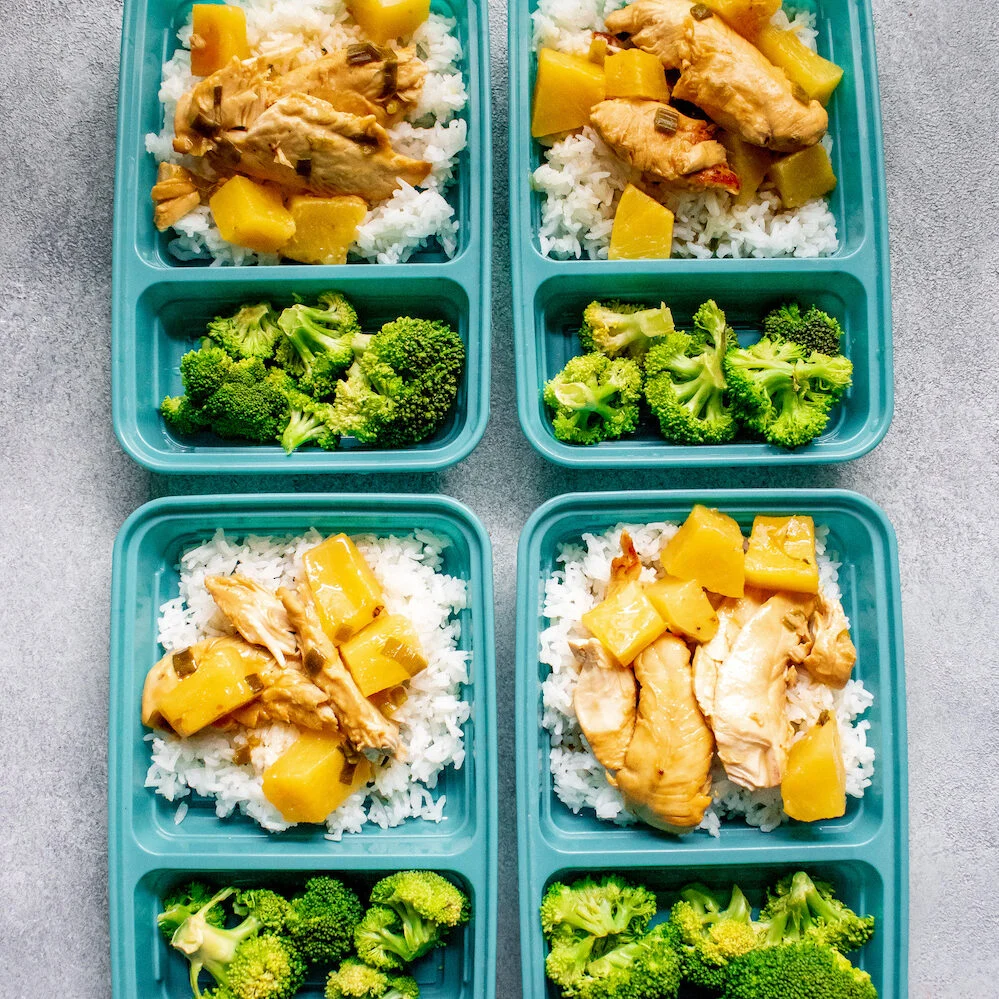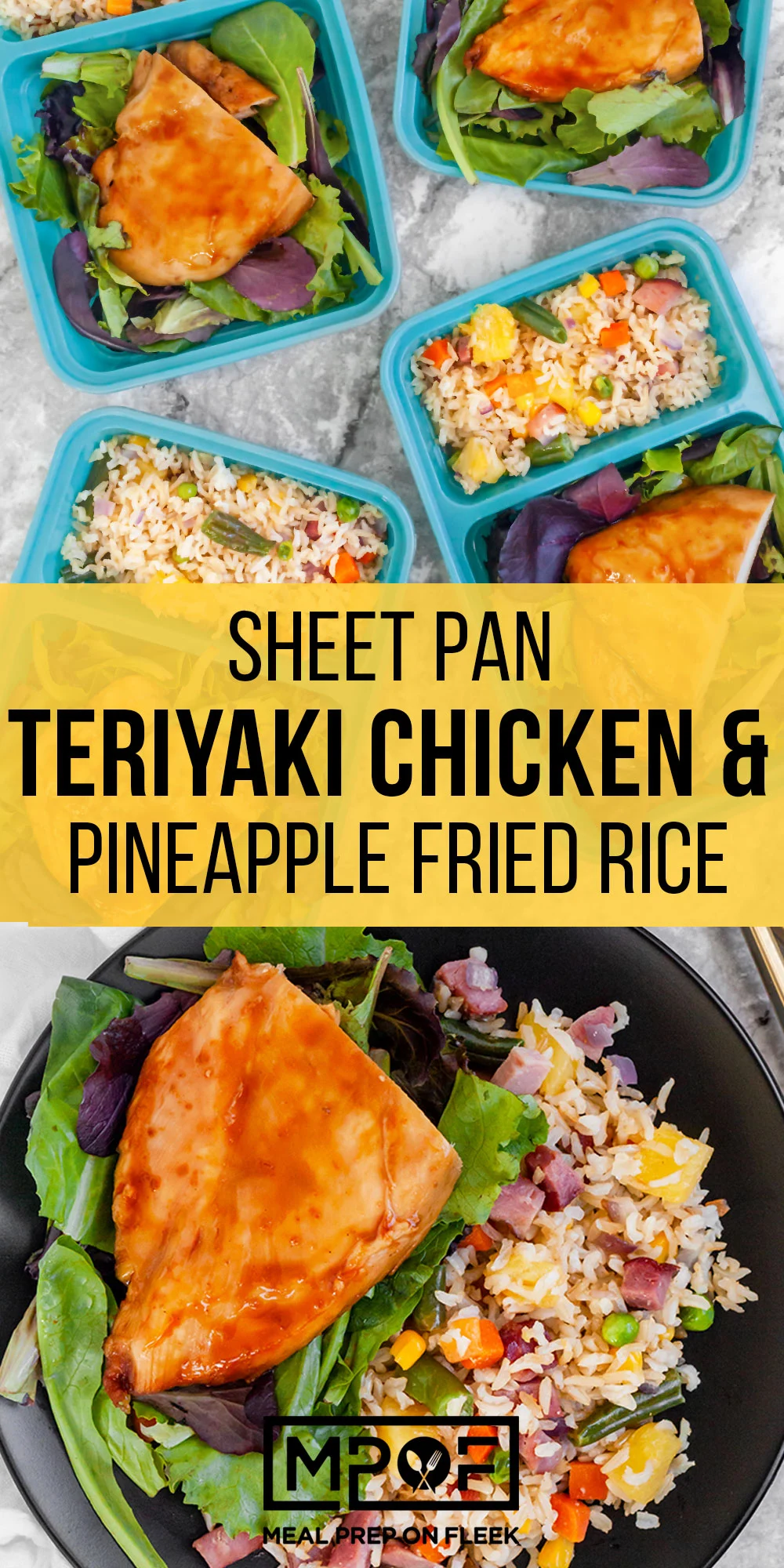

This Sheet Pan Teriyaki Chicken and Pineapple Fried Rice offers a compelling solution for busy individuals seeking convenient and balanced meal preparation. The recipe, designed to yield four complete meals in under an hour, emphasizes simplicity and minimal cleanup by cooking both the chicken and the fried rice components on a single sheet pan. This approach directly addresses the common challenges of meal prepping, such as time constraints and the desire for varied, appealing options that mimic the satisfaction of takeout.
The appeal of this dish lies in its harmonious blend of sweet and savory flavors, featuring tender teriyaki-marinated chicken alongside a vibrant pineapple fried rice. The inclusion of vegetables, ham, ginger, garlic, and sesame oil creates a complex flavor profile that is both satisfying and nutritious. Its integration into a weekly meal prep routine is further enhanced by its compatibility with other sheet pan meals and general lunch preparation strategies, providing a flexible framework for consistent healthy eating.
The Mechanics of a One-Pan Wonder
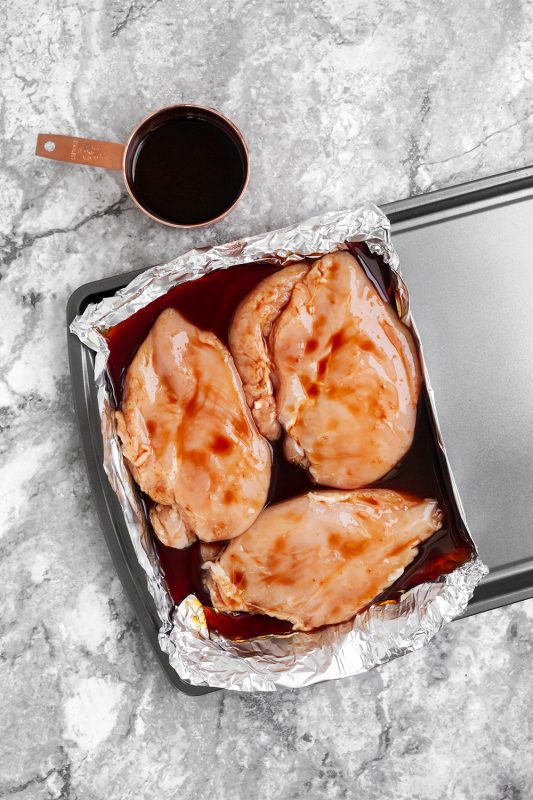
At its core, the recipe leverages the efficiency of sheet pan cooking. The process begins with preheating the oven to 400°F (204°C), a temperature crucial for achieving evenly cooked chicken and a slightly crisped texture on the edges of the rice mixture. A key element of the preparation involves creating a makeshift foil "baking dish" on one half of the sheet pan. This not only contains the chicken and its marinade but also facilitates even cooking.
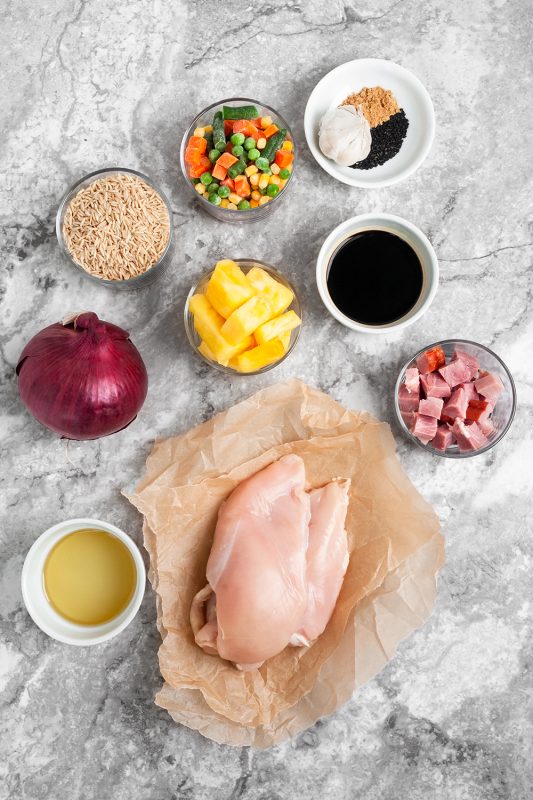
Chicken breasts are placed within this foil enclosure and coated with half a cup of teriyaki sauce. They are then subjected to an initial 15-minute bake. During this time, the pineapple fried rice components are prepared. This includes combining pre-cooked brown rice (day-old rice is recommended for its drier texture, which holds up better to oven cooking), sesame oil, frozen vegetables, red onion, pineapple chunks, diced ham, minced ginger, and garlic. This mixture is thoroughly combined to ensure an even distribution of flavors and ingredients.
Following the initial bake of the chicken, the sheet pan is carefully removed from the oven. The prepared fried rice mixture is then spread onto the vacant half of the baking sheet. The entire pan is returned to the oven for an additional 10 to 15 minutes. This second phase of baking is critical, aiming to bring the chicken to a safe internal temperature of 165°F (74°C) while allowing the fried rice to warm through and develop a desirable texture.
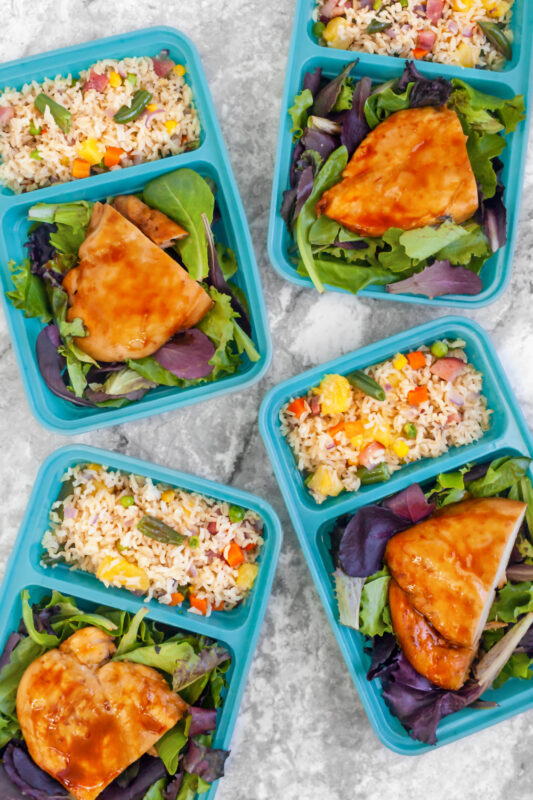
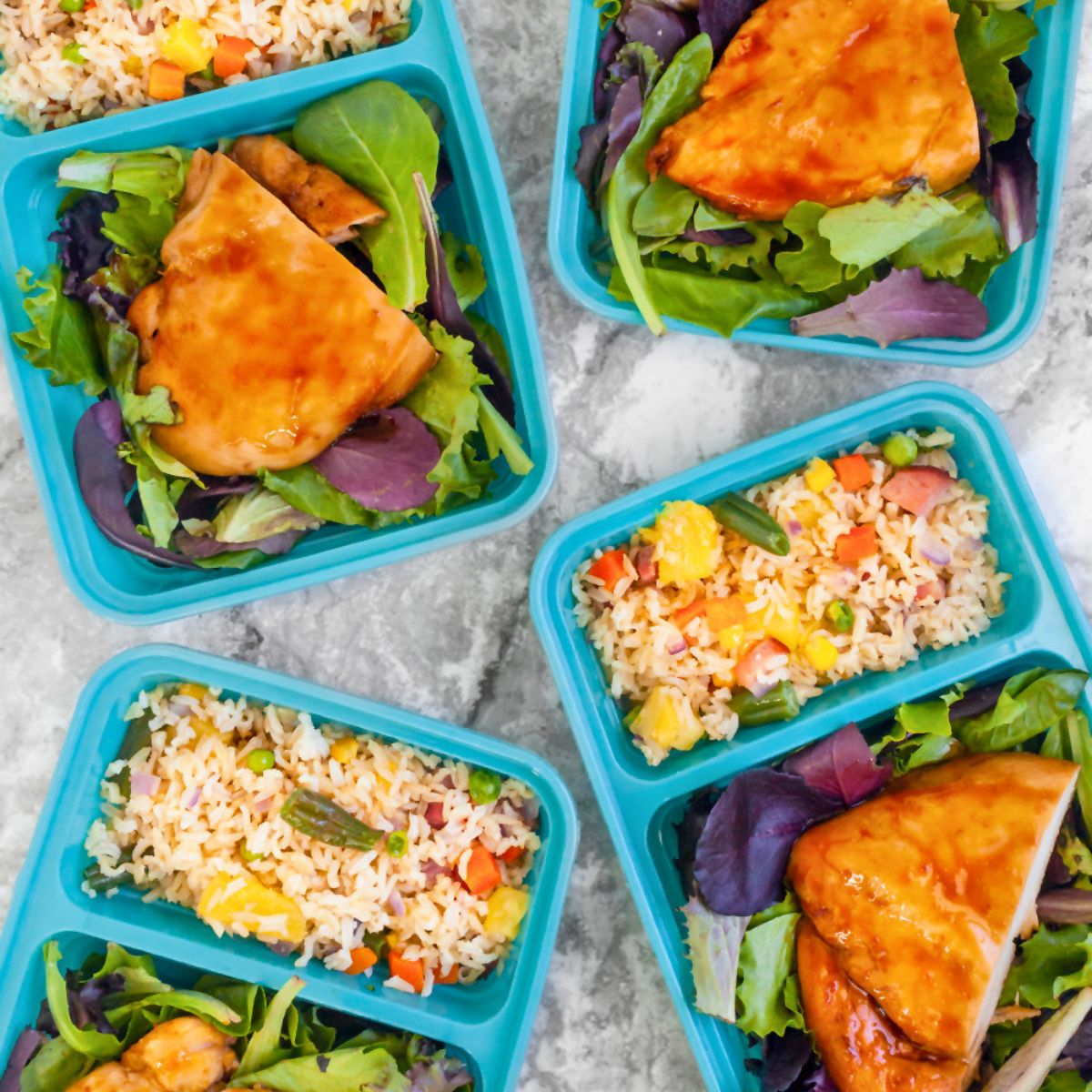
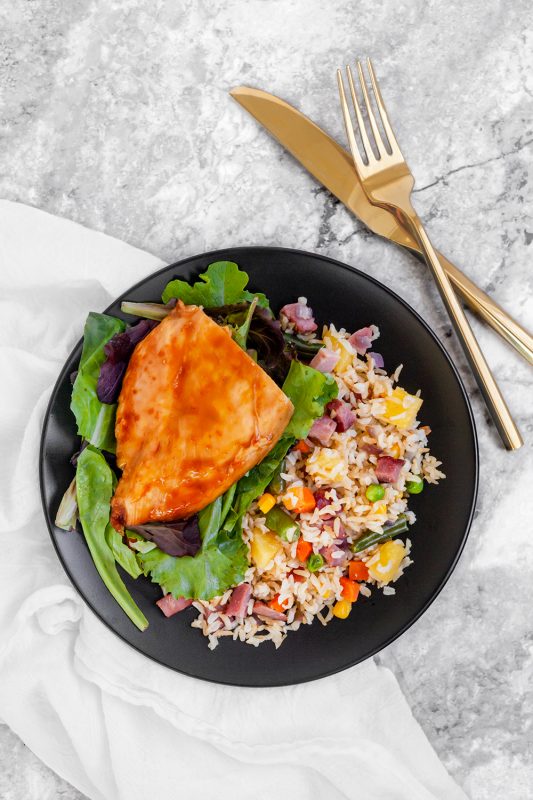
Upon completion of the baking process, the pan is removed from the oven. The remaining half cup of teriyaki sauce is drizzled over the chicken, adding a final glaze of flavor and moisture. The chicken is then sliced or portioned, and subsequently divided into meal prep containers alongside the pineapple fried rice. For an enhanced culinary experience and added texture, the author suggests serving the dish over mixed greens and garnishing with sesame seeds.
Nutritional Profile and Meal Prep Strategy
The estimated nutritional breakdown for one serving, based on the recipe’s yield of four servings, indicates a balanced macronutrient profile. Each serving contains approximately 520 calories, with a significant protein content of 64.1 grams, 44.1 grams of carbohydrates, and 7.3 grams of fat. The inclusion of fiber, at 4 grams per serving, further contributes to the meal’s healthfulness. It is important to note that these figures are estimates and can fluctuate based on specific ingredient choices, such as the brand of teriyaki sauce, the type of rice used, and the exact portion sizes. For personalized tracking, resources like a macro calculator can be utilized.
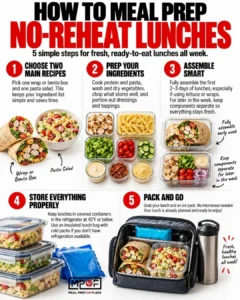
The storage recommendations emphasize the use of airtight containers, with a preference for two-compartment containers to maintain separation between the chicken and rice. This separation is crucial for preventing the teriyaki sauce from making the rice overly soft during refrigeration. The meal prep is designed to be stored for up to four days in the refrigerator, making it an ideal option for a Monday-through-Thursday lunch plan. For optimal freshness and quality, reheating instructions suggest microwave use for 1.5 to 2 minutes, or until heated through.
Adaptability and Ingredient Variations
The recipe’s versatility is highlighted through various suggested ingredient swaps and helpful tips. For instance, white rice, particularly jasmine or long-grain varieties, can be substituted for brown rice. While brown rice offers additional fiber, white rice can contribute to a softer, more traditional takeout-like texture.
For those seeking to omit or modify the ham component, several alternatives are presented. The ham can be entirely removed, or replaced with turkey bacon, diced chicken sausage, or an increased quantity of vegetables. While the ham contributes a savory depth, its absence does not compromise the overall flavor profile of the dish.
The choice of teriyaki sauce is a matter of personal preference, as it significantly influences the dish’s overall taste. For individuals requiring a gluten-free option, a gluten-free teriyaki sauce or a homemade version utilizing tamari is recommended.
Accurate cooking of the chicken is paramount, and the use of a meat thermometer is strongly advised to ensure it reaches an internal temperature of 165°F (74°C). This precision prevents both undercooked and overcooked chicken, thereby maintaining optimal texture and safety.
The recipe is designed for scalability. While it can be doubled, the author recommends using two separate sheet pans to avoid overcrowding. Overcrowding can lead to the rice steaming rather than achieving the desired oven-fried texture, thus compromising the final outcome.
Broader Implications for Meal Preparation
This Sheet Pan Teriyaki Chicken and Pineapple Fried Rice exemplifies a modern approach to meal preparation that prioritizes efficiency, flavor, and nutritional balance. In an era where time is a precious commodity, recipes that simplify cooking processes without sacrificing taste or health are highly valued. The one-pan method not only reduces the time spent on culinary tasks but also significantly minimizes post-meal cleanup, a factor that often deters individuals from consistent meal prepping.
The dish’s ability to mimic the appeal of takeout while adhering to healthier preparation standards addresses a common consumer desire. It provides a framework for individuals to achieve their dietary goals without feeling deprived of familiar and comforting flavors. The strategic planning aspect, where this recipe can form the basis of weekday lunches, alleviates the daily decision fatigue associated with choosing meals, particularly during demanding work weeks.
Furthermore, the recipe’s adaptability to various dietary needs, such as gluten-free options, broadens its accessibility. The emphasis on using pre-cooked rice and frozen vegetables further streamlines the preparation process, making it a practical choice for individuals with limited cooking experience or time.
The author’s concluding remarks underscore the broader impact of well-designed meal prep recipes. They are not merely about providing sustenance but about establishing a structure for healthy eating that supports busy lifestyles. By offering solutions that are both easy to execute and consistently deliver satisfying results, such recipes contribute to the long-term sustainability of healthy eating habits. The integration of tools like meal planners further emphasizes the growing ecosystem designed to support individuals in achieving their wellness objectives through simplified meal preparation.

The underlying philosophy of this recipe aligns with a growing trend in food culture that values convenience, health, and deliciousness in equal measure. As more individuals seek to balance demanding schedules with their commitment to healthy living, innovative and practical recipes like this one are poised to play an increasingly significant role in shaping dietary habits and promoting well-being. The success of such recipes lies in their ability to demystify meal preparation, making it an achievable and even enjoyable aspect of daily life, rather than a daunting chore.