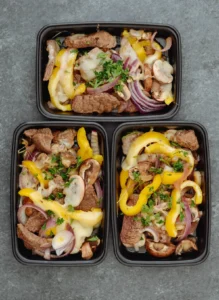

The Mechanics of Single-Vessel Culinary Preparation
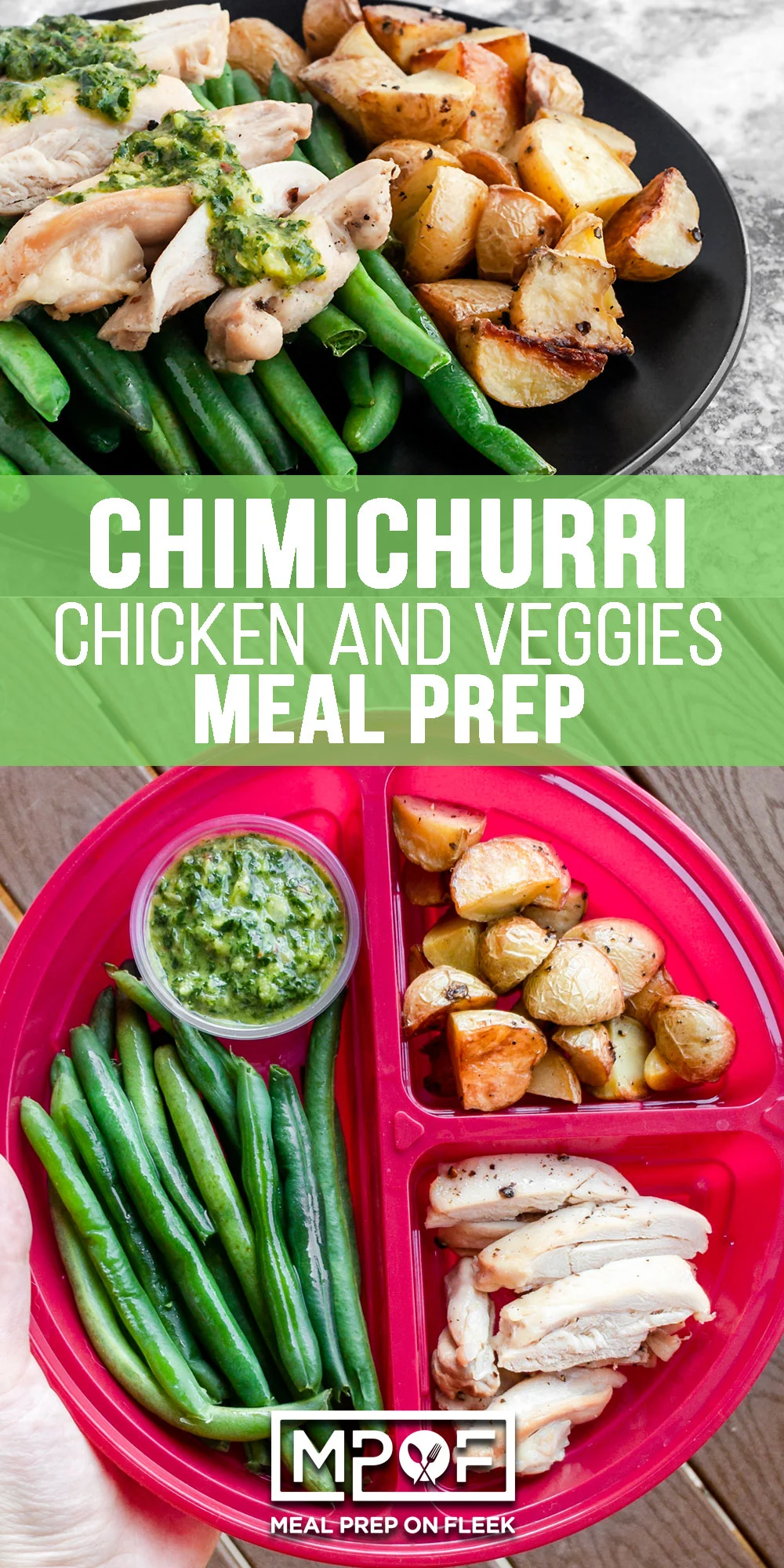
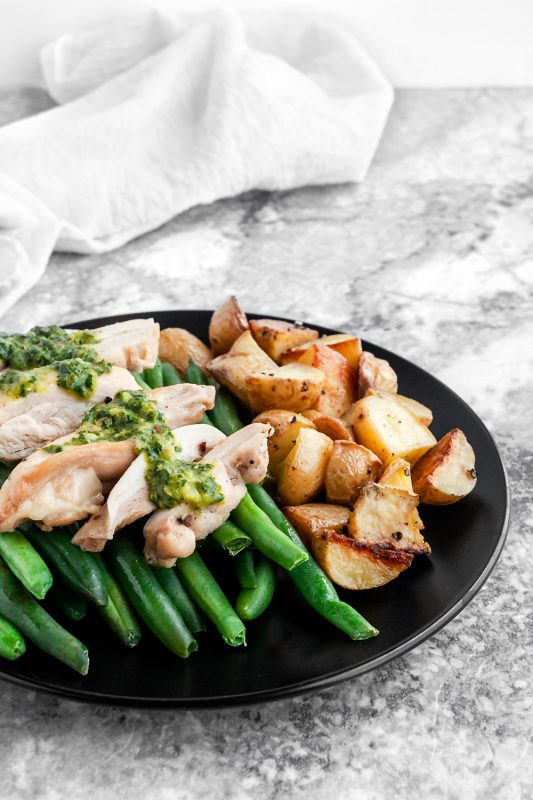
The efficiency of sheet pan cooking relies on the strategic orchestration of thermal dynamics. By selecting ingredients with compatible roasting times—or by manipulating the size and placement of those ingredients—home cooks can achieve a uniform degree of doneness across disparate food groups. In the context of this recipe, the primary protein source is the chicken thigh. Nutritionists and culinary experts often favor the thigh over the breast for meal prep applications because of its higher lipid content, which provides structural moisture and prevents the desiccation commonly associated with the reheating process.
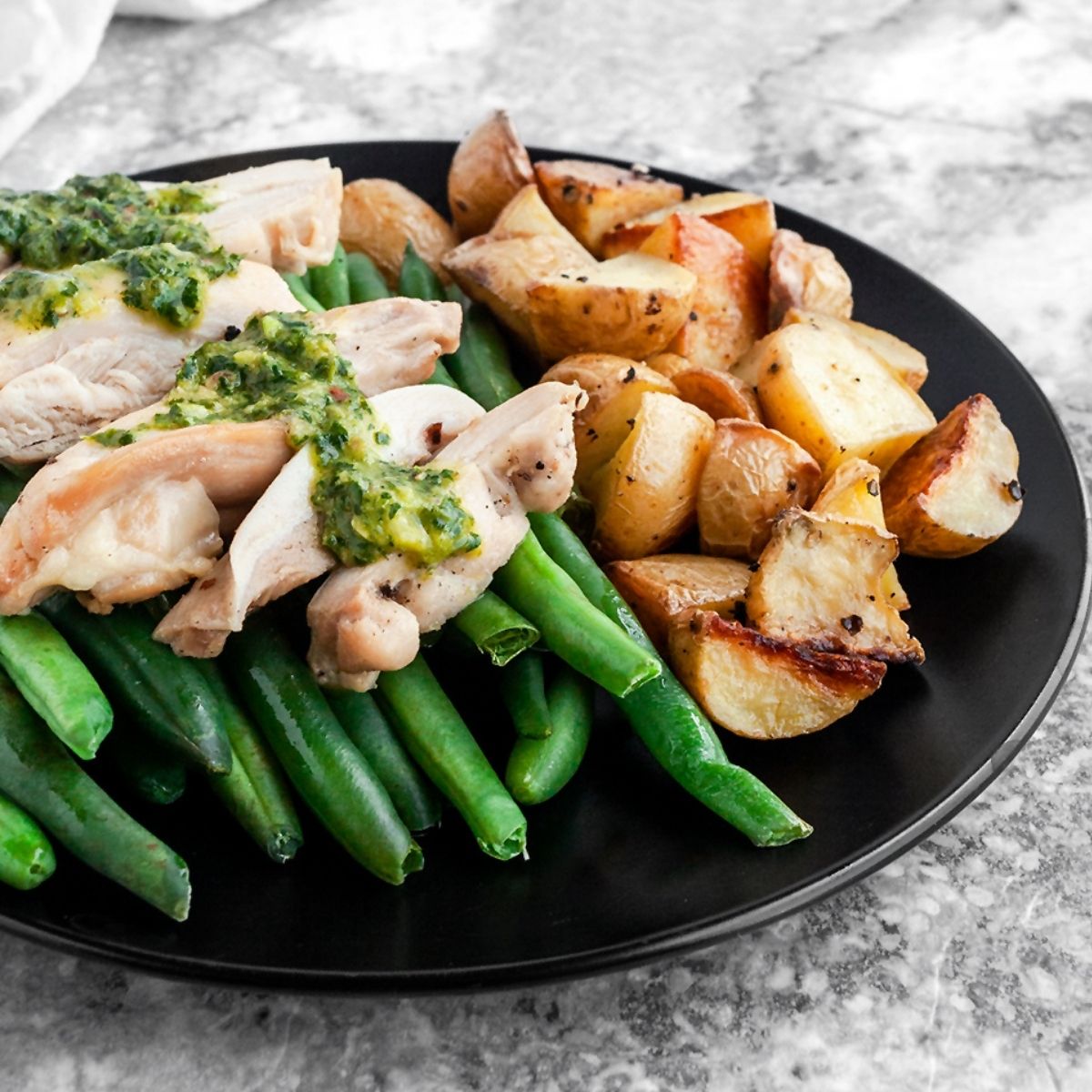
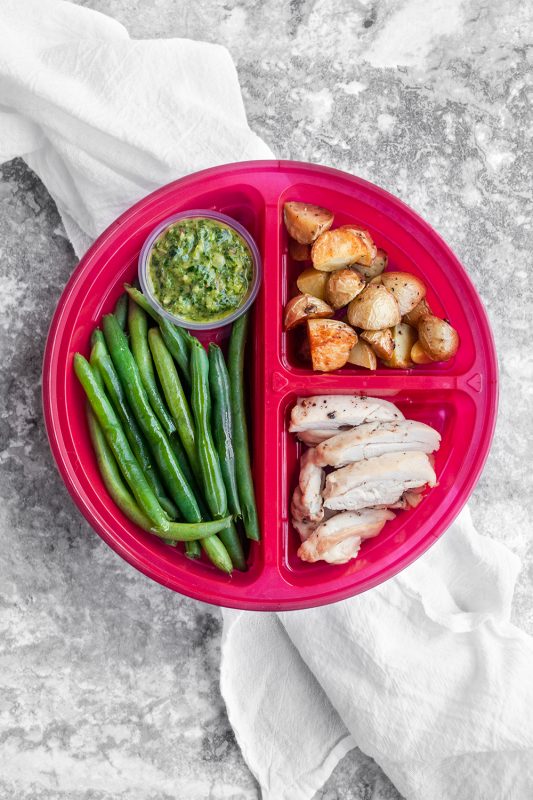
The inclusion of mini gold potatoes provides a complex carbohydrate source that is resilient to high-heat roasting. When quartered to a uniform size, these potatoes achieve a Maillard reaction—the chemical process responsible for browning and flavor development—at a rate consistent with the roasting of chicken thighs. Green beans, while having a shorter cooking duration, are integrated into the final stages of the thermal process, ensuring they retain a crisp-tender texture rather than becoming over-processed.
Chronological Execution and Thermal Management
The preparation process is categorized into five distinct operational phases designed to minimize labor while maximizing output.
- Environmental Preparation: The oven is preheated to 400°F (204°C). The thermal consistency of the oven is critical; fluctuations can result in uneven roasting. The use of parchment paper or a light coating of avocado oil acts as a barrier, preventing protein adhesion and facilitating easier cleanup.
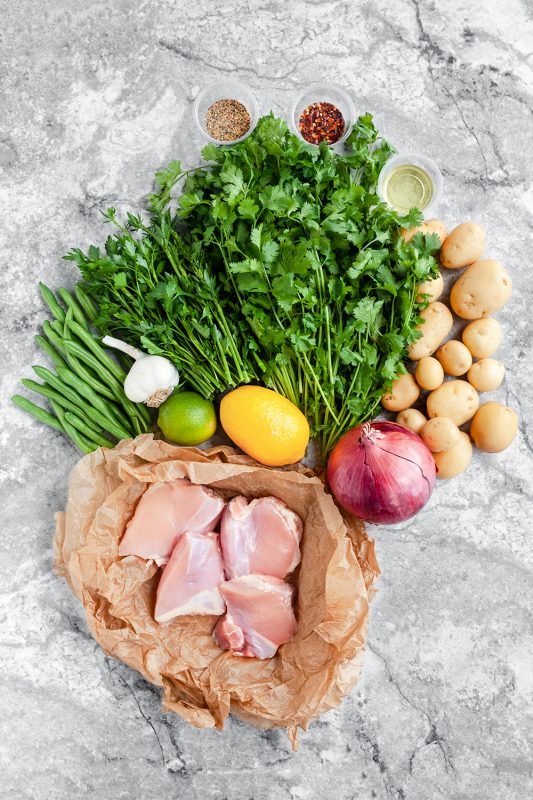
- Ingredient Standardization: Chicken thighs are patted dry to remove surface moisture, a step essential for achieving optimal skin texture. The mini gold potatoes are quartered to ensure consistent heat penetration.
- Distribution and Seasoning: Ingredients are arranged on the pan with spatial intent. By segregating the chicken, potatoes, and green beans, the cook maintains better control over the moisture exchange between the items. The application of avocado oil, chosen for its high smoke point, ensures the ingredients do not burn during the 25-to-30-minute roasting window.
- Thermal Processing: The pan is placed in the oven until the internal temperature of the chicken reaches 165°F (74°C), the food safety standard established by the USDA to ensure the destruction of pathogens such as Salmonella.
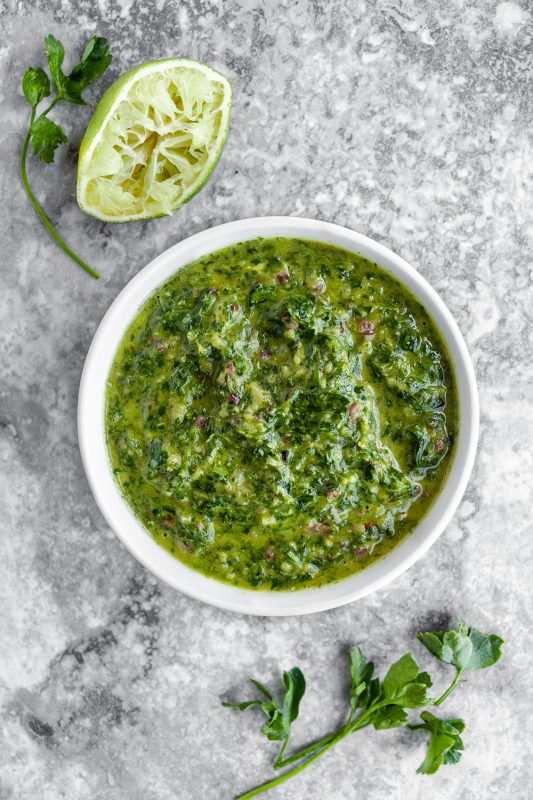
- Sauce Emulsification: While the roasting occurs, the chimichurri is prepared. This herb-based condiment, originating from Argentina, typically consists of parsley, cilantro, garlic, oil, and an acidic agent (lemon or lime juice). The process involves mechanical agitation in a blender to create a textured, rather than pureed, consistency.
Nutritional Analysis and Dietary Implications
A standard serving of this meal provides approximately 649 calories, with a macro-nutrient breakdown of 37.6g of protein, 28.8g of carbohydrates, and 44.7g of fat. This high-protein, moderate-fat profile is often sought by individuals engaging in resistance training or those adhering to specific energy-restricted diets.
The use of chimichurri as a primary flavor agent is nutritionally significant. Unlike cream-based or sugar-laden sauces, chimichurri relies on the phytonutrients found in fresh herbs and the healthy monounsaturated fats in olive oil. The inclusion of red onion and chili flakes provides minor concentrations of antioxidants and capsaicin, which have been studied for their anti-inflammatory properties. However, because the calorie density is relatively high, portion control remains a factor for individuals strictly monitoring their daily caloric intake.
Storage, Preservation, and Food Safety
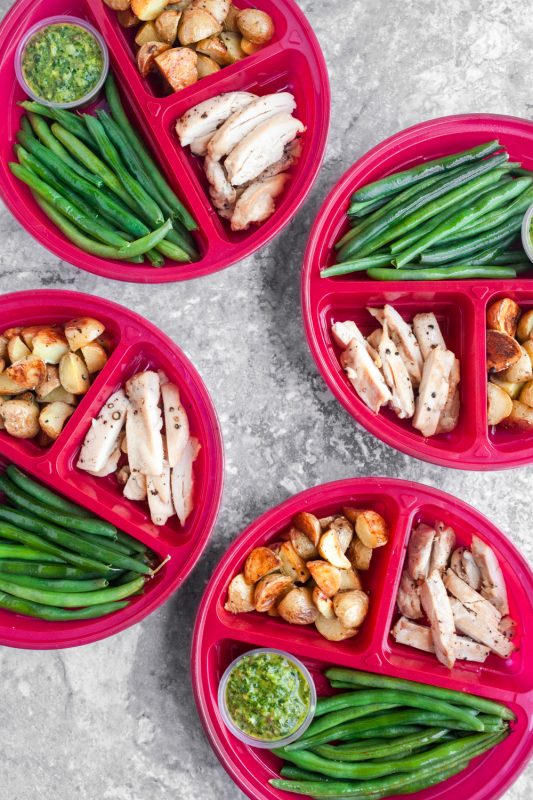
A primary concern for any meal preparation strategy is the mitigation of bacterial growth and the preservation of food quality over time. Research into cold-chain storage indicates that food stored in airtight containers at or below 40°F (4°C) can be safely held for three to four days.
The recommendation to store the chimichurri separately is a strategic decision rooted in food chemistry. When acidic sauces are applied to cooked vegetables for extended periods, the pH levels can cause the vegetables to soften prematurely—a process known as structural degradation. By maintaining the sauce in a separate compartment, the integrity of the vegetables is preserved until the point of consumption. Furthermore, freezing is discouraged for the vegetables and the herb sauce due to the high water content in green beans, which causes ice crystal formation and cell wall rupture, leading to a mushy texture upon thawing.
Broader Impact on Domestic Food Systems
The popularity of sheet pan meals like this one reflects a broader shift in consumer behavior. As food costs fluctuate and time becomes a premium commodity, the "meal prep" movement has evolved from a niche activity into a standard practice for working professionals. Data from meal planning applications suggest that users who engage in systematic food preparation reduce their reliance on ultra-processed, convenience-based food options, which are often associated with higher sodium and sugar contents.
From an economic perspective, the strategy of preparing four to six servings simultaneously allows for better management of grocery expenditures. By purchasing bulk quantities of chicken and fresh produce, the cost per serving is significantly lower than individual meal purchases. This efficiency is a core component of the modern "budget-conscious, time-poor" consumer profile.
Expert Perspectives on Meal Preparation
Culinary educators often emphasize that the success of meal prep is not merely in the cooking, but in the planning. The "Sheet Pan" methodology serves as an entry point for novice cooks to understand the fundamentals of heat application and ingredient pairing. By mastering one template—such as a protein, a starch, and a fiber-rich vegetable—home cooks can substitute ingredients based on seasonal availability or personal preference without needing to reinvent the procedural steps.
Furthermore, the emphasis on a high-quality sauce like chimichurri serves as a psychological anchor for the meal. Boredom is often cited as the primary reason for the failure of long-term meal prep adherence. By utilizing a vibrant, fresh-tasting sauce, the palate is stimulated, effectively masking the minor flavor loss that occurs during the reheating process.
Future Implications for Home Nutrition
As the landscape of home nutrition continues to evolve, the integration of technology and simple, effective cooking methods will likely remain a dominant theme. The move toward "low-touch" cooking—where the oven does the majority of the labor—is consistent with the trends observed in smart-home integration and high-efficiency appliance design.
While this specific recipe is a static set of instructions, its implications are dynamic. It represents a fundamental shift in how domestic food preparation is viewed: moving away from daily, high-labor, single-meal cooking toward a systematic, batch-oriented process that prioritizes health, safety, and economic efficiency. For those seeking to maintain a consistent nutritional regimen amidst the complexities of a modern lifestyle, the Sheet Pan Chimichurri Chicken and Veggies recipe provides a reliable, scalable, and nutritionally sound framework. Whether utilized for lunch or dinner, the recipe succeeds by minimizing the friction between the intention to eat well and the reality of time constraints.