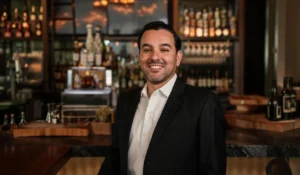

The American diner landscape is poised for a significant transformation as Denny’s Corporation, a cornerstone of the family dining sector for over seven decades, officially announced the appointment of Christopher Bode as its new Chief Executive Officer. This leadership transition marks a pivotal moment for the Spartanburg, South Carolina-based chain, coinciding with the launch of "Project Grand Slam," a comprehensive two-year strategic initiative designed to modernize the brand’s operations, menu, and digital infrastructure. Bode, who recently returned to the company as President and Chief Operating Officer in September 2024, succeeds Kelli Valade, who departed earlier this year to lead the Women’s Foodservice Forum. The appointment comes at a critical juncture for Denny’s, which recently transitioned from a publicly traded entity to a private company following a $620 million acquisition by a consortium led by TriArtisan Capital Advisors, Treville Capital Group, and prominent franchisee Yadav Enterprises.
Christopher Bode’s ascension to the CEO role is viewed by industry analysts as a "homecoming" for a leader deeply entrenched in the brand’s culture and operational history. Bode’s professional trajectory includes nearly 12 years as Denny’s COO during a period of notable stability and growth. Before his recent return to the diner chain, he served as the Chief Operating Officer and later as President of Hardee’s USA under the CKE Restaurants umbrella. His foundational experience also includes a 20-year tenure at Dunkin’, where he held various leadership positions that shaped his expertise in high-volume, franchised restaurant systems. This blend of legacy knowledge and outside perspective is expected to be the catalyst for the "Project Grand Slam" turnaround plan, which seeks to reverse recent sales declines and streamline a domestic footprint that has seen dozens of underperforming units shuttered in the past 24 months.
A Strategic Pivot Under Private Ownership
The shift to private ownership in late 2024 has fundamentally altered the strategic horizon for Denny’s. For decades, as a public company, Denny’s was beholden to the quarterly expectations of Wall Street, often prioritizing short-term financial metrics. Now, under the stewardship of TriArtisan Capital Advisors—a firm with a robust portfolio in the food and beverage sector, including investments in TGI Fridays and P.F. Chang’s—the brand has the "breathing room" to implement long-term structural changes. Bode emphasized this new-found agility in his inaugural statement, noting that the private environment allows the leadership team to look at the business with radical honesty and move faster where change is required.
Anil Yadav, the founder of Yadav Enterprises and a key figure in the acquisition, has served as the interim CEO during the transition period. As Denny’s Chief Transformation Officer, Yadav has been instrumental in laying the groundwork for the brand’s "new chapter." Yadav praised Bode’s ability to bridge the gap between high-level corporate strategy and the practicalities of restaurant execution. The alignment between the ownership group and the executive suite is focused on a singular goal: reclaiming Denny’s position as the undisputed leader in family dining.
Project Grand Slam: The Blueprint for Revitalization
The centerpiece of Bode’s leadership will be the execution of "Project Grand Slam." This initiative is not merely a marketing campaign but a holistic restructuring of the guest experience. The plan is built upon several core pillars: menu innovation, digital transformation, operational excellence, and brand extension.
Menu and Beverage Innovation
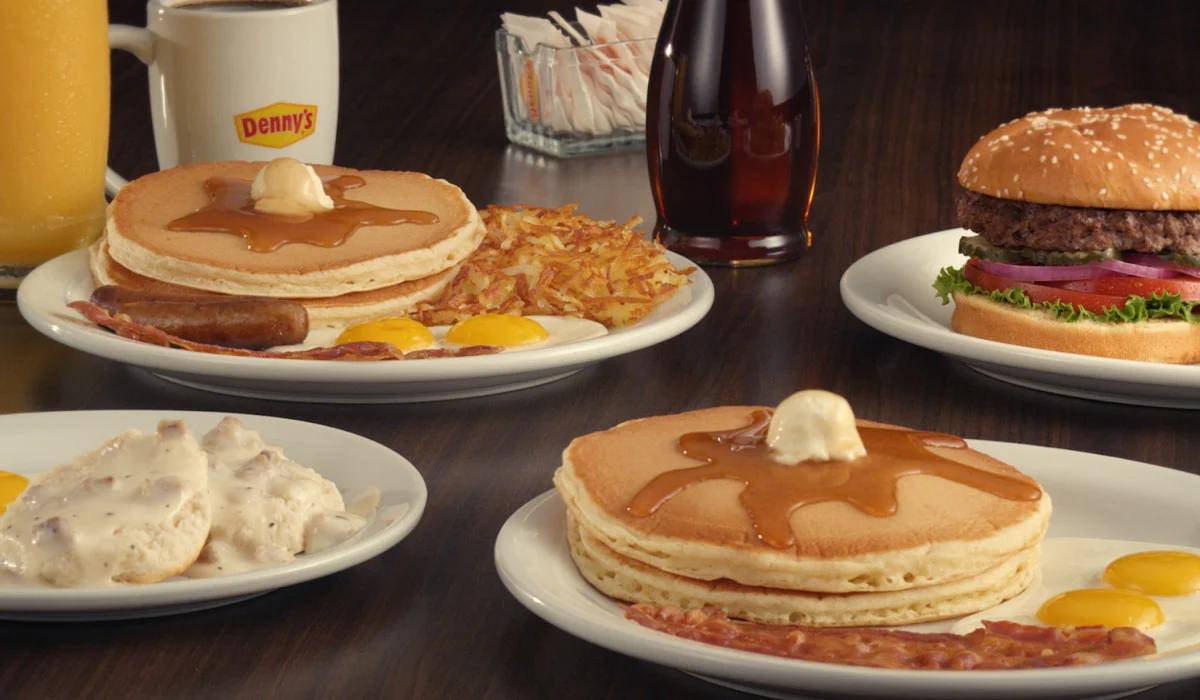
In an era where consumer tastes are rapidly evolving toward higher-quality ingredients and customizable options, Denny’s is overhauling its culinary approach. Project Grand Slam focuses on "culinary and flavor innovation," moving beyond the traditional diner staples to include more modern, health-conscious, and premium offerings. A significant component of this is the "daypart beverage program." Recognizing that specialty coffees, mocktails, and functional beverages drive higher margins and appeal to younger demographics, Denny’s plans to enhance its liquid menu to compete more effectively with both fast-casual and coffee-house segments.
Digital Transformation and Off-Premise Growth
The COVID-19 pandemic accelerated the shift toward off-premise dining, and Denny’s is doubling down on this trend. Project Grand Slam prioritizes digital transformation, which includes upgrading the brand’s mobile app, loyalty programs, and third-party delivery integrations. Furthermore, the company is eyeing a massive opportunity in the catering and "bulk solutions" market. By leveraging its existing kitchen infrastructure to provide large-scale meals for corporate events, schools, and social gatherings, Denny’s aims to capture a revenue stream that has historically been underutilized by the family dining sector.
Brand Reach and Grocery Expansion
Perhaps the most ambitious aspect of the new strategy is the planned expansion of the Denny’s brand onto grocery store shelves. Following the successful models of brands like Starbucks and Dunkin’, Denny’s intends to launch consumer packaged goods (CPG) that allow fans to enjoy the "diner experience" at home. This move is designed to increase brand touchpoints and generate passive income through licensing and retail sales, further diversifying the company’s economic base.
Analyzing the Operational Challenges and Footprint Optimization
The urgency behind Project Grand Slam is underscored by recent financial and operational data. Prior to the privatization, Denny’s reported a 2.9 percent decrease in domestic same-store sales for the third quarter of 2024. While the brand remains a global powerhouse with 1,459 restaurants worldwide, its domestic footprint has been shrinking. In 2024 alone, the company closed 88 units, and leadership has signaled that an additional 70 to 90 restaurants are slated for closure in 2025.
These closures are part of a deliberate "footprint optimization" strategy. Many of the shuttered locations were legacy units in aging trade areas that no longer met the brand’s modern standards for profitability or guest experience. By pruning underperforming stores, the company can redirect capital toward "Project Grand Slam" remodels. These remodels are essential for updating the "look and feel" of the restaurants, moving away from the 20th-century diner aesthetic toward a more contemporary, inviting environment that encourages longer dwell times and higher check averages.
The Role of Keke’s Breakfast Cafe in the Portfolio
While the flagship Denny’s brand undergoes a revamp, the company’s secondary brand, Keke’s Breakfast Cafe, continues to be a bright spot in the portfolio. Acquired for $82.5 million in 2022, Keke’s is a daytime-only concept that focuses on fresh, made-to-order breakfast and lunch. Since its acquisition, the brand has grown from 52 locations to 78 units as of late 2024.
Keke’s serves a different market segment than Denny’s, catering to a "daytime cafe" crowd that prioritizes premium ingredients and a more upscale atmosphere. The growth of Keke’s provides Denny’s Corporation with a diversified revenue stream and a vehicle for expansion in suburban markets where the traditional 24/7 diner model might be less viable. Bode and his team are expected to continue scaling Keke’s alongside the revitalization of the core Denny’s brand.
Industry Context: The Struggle for the "Middle"
Denny’s is not alone in its struggle to navigate a difficult economic environment. The family dining segment as a whole has faced stiff competition from quick-service restaurants (QSR) on price and fast-casual brands on quality. High inflation has squeezed the middle-class consumer, who may view a sit-down meal at a diner as a luxury compared to a fast-food drive-thru.
However, Denny’s has a historical precedent for resilience. During Bode’s previous stint as an executive, the brand outperformed the family dining category in 30 out of 45 quarters. This track record suggests that when the brand focuses on its core strengths—value, reliability, and the unique "diner culture"—it can maintain a loyal customer base even in lean times.
Timeline and Future Outlook
The next 24 months will be a period of intense activity for the Denny’s leadership team. The timeline for Project Grand Slam is aggressive, with the first wave of menu changes and digital updates expected to roll out in early 2025. The success of the plan will be measured by several key performance indicators (KPIs): stabilization of same-store sales, the successful launch of the catering platform, and the pace of restaurant remodels.
As a private company, Denny’s will no longer be required to release quarterly earnings reports to the public, but the industry will be watching closely. The return of Christopher Bode represents a "steady hand" at the wheel, but the road ahead requires more than just stability—it requires a fundamental reimagining of what a 21st-century diner should be. With a clear focus on digital integration, menu modernization, and operational discipline, Denny’s is betting that its "Grand Slam" will not just be a meal, but a winning strategy for the future.