
The modern culinary landscape is witnessing a significant shift as consumers increasingly pivot away from processed, store-bought convenience foods in favor of "DIY" pantry staples. This movement, spearheaded by home preservationists and health-conscious bakers, has brought recipes like the DIY Brownie Mix into the spotlight. By transitioning from pre-packaged boxes to home-blended dry mixes, households are discovering they can produce high-quality desserts for pennies on the dollar while maintaining total control over ingredients. This specific brownie mix, popularized by culinary resources such as Healthy Canning, represents more than just a sweet treat; it is a case study in the intersection of economic frugality, dietary management, and food safety.
Economic Viability in a Volatile Market
The primary driver behind the surge in DIY dry mixes is the undeniable economic advantage. Traditional store-bought brownie mixes often carry a significant markup, factored in for packaging, marketing, and the convenience of a "just-add-water" or "just-add-oil" format. However, when broken down by weight and ingredient cost, these commercial products often cost three to four times more than the raw components required to make them at home.

The DIY Brownie Mix yield is a testament to this efficiency. One batch of the mix produces approximately 8 cups, or 1 kilogram, of dry material. This volume is sufficient to produce five full pans of brownies. For a family or a frequent baker, the ability to produce five desserts for the price of one or two commercial boxes offers a tangible reduction in the monthly grocery budget. In an era of fluctuating food prices and supply chain inconsistencies, maintaining a "pantry-ready" stock of homemade mixes provides a buffer against inflation.
Technical Specifications and Culinary Profiles
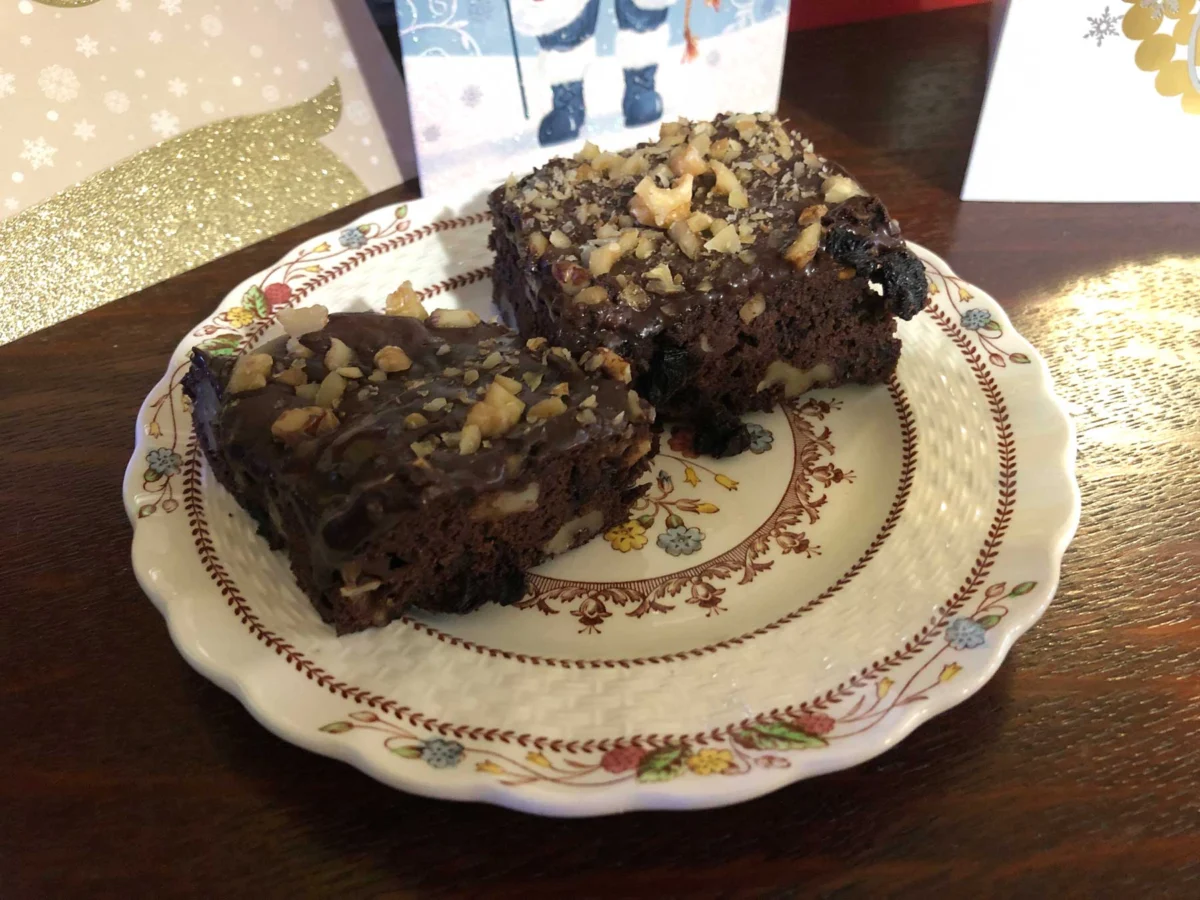
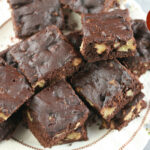
Unlike the dense, chewy texture of "fudgy" brownies often found in premium bakery sections, this DIY mix is formulated to produce a "cake-style" brownie. This distinction is critical for the home baker to understand. Cake-style brownies rely on a specific ratio of flour to fat and the inclusion of leavening agents, resulting in a lighter, airier crumb that mimics the texture of a traditional chocolate cake while retaining the concentrated cocoa flavor characteristic of a brownie.
The versatility of the mix is further highlighted by its compatibility with various sweeteners. While the base recipe is optimized for Splenda (sucralose) to cater to those monitoring sugar intake or managing diabetes, it remains adaptable. For those preferring traditional sweeteners, four cups (approximately 900 grams) of granulated white sugar serves as a direct substitute. The mix also accommodates generic sucralose or powdered stevia, provided the stevia product is designed for a one-to-one volume measurement with sugar. This level of customization is rarely available in commercial products, which are typically formulated with high-fructose corn syrup or standard sucrose.

Nutritional Analysis and Dietary Management
From a nutritional standpoint, the DIY Brownie Mix offers a transparency that is often obscured by the complex labels of industrial food products. When prepared using Splenda and a low-fat margarine, a single 50-gram square (assuming the pan is cut into nine servings) contains approximately 116 calories and 8 grams of fat.
For participants in structured weight management programs, such as Weight Watchers, these figures translate to highly manageable values. A single brownie registers at 2 SmartPoints on the Freestyle program. Even with the addition of walnuts—which increases the calorie count to 131 and the fat to 10 grams per serving—the point value only increases by one. This precision allows individuals to enjoy desserts without compromising their broader health goals. The ability to swap fats (e.g., using applesauce instead of oil or low-fat margarine) further empowers the consumer to "engineer" their food to meet specific caloric or macronutrient targets.
Chronology of the DIY Mix Movement
The concept of the dry mix is not new, but its current iteration is a modern revival of mid-century domesticity.
- The 1940s and 50s: Following World War II, food giants like General Mills and Pillsbury introduced "instant" mixes to provide convenience to the burgeoning suburban housewife. This era established the "box mix" as the gold standard for American baking.
- The 1970s and 80s: The rise of the "back-to-the-land" movement and the publication of seminal texts like Make-a-Mix Cookery by Karine Eliason encouraged consumers to reclaim the dry mix by making their own bulk versions at home.
- The 2000s: The advent of the internet and food blogging allowed for the rapid sharing of "copycat" recipes, where home cooks attempted to replicate the flavor of brands like Betty Crocker or Ghirardelli.
- 2020-Present: The COVID-19 pandemic and subsequent global inflation served as a catalyst for the current DIY boom. Shortages of commercial baking supplies led many to realize that the ingredients already in their pantry could be used to create superior, cheaper versions of store-bought staples.
Safety Standards and the "Raw Flour" Protocol
A critical, yet often overlooked, aspect of home baking highlighted in this recipe is the management of raw flour. In recent years, the Centers for Disease Control and Prevention (CDC) and the Food and Drug Administration (FDA) have issued multiple warnings regarding the consumption of raw flour. While most consumers are aware of the risks associated with raw eggs, raw flour is an agricultural product that is not treated to kill pathogens like E. coli or Salmonella during the milling process.
The DIY Brownie Mix instructions explicitly state that raw flour should be treated with the same caution as raw meat. This involves rigorous handwashing after handling the dry mix and the thorough sanitization of all surfaces that come into contact with the powder. By including these warnings, the recipe moves from a simple culinary guide to a document of modern food safety standards, reflecting a more sophisticated understanding of domestic hygiene.
Broader Implications for Sustainability and Food Security
The implications of adopting DIY mixes extend beyond the individual kitchen. From a sustainability perspective, the reduction in single-use packaging is significant. Instead of five individual boxes with plastic liners, a home baker uses one reusable container (such as a large glass jar or a food-grade plastic bin) to store the bulk mix. This contributes to a reduction in household waste and lessens the carbon footprint associated with the transport of packaged goods.

Furthermore, the DIY approach enhances food security. By stocking the core components of the mix—flour, cocoa, sweetener, and leavening agents—a household is better prepared for emergencies or periods of financial hardship. These raw ingredients have a long shelf life and can be used in a multitude of other recipes, whereas a pre-packaged mix is a "single-use" pantry item.
Expert Reactions and Market Trends
Market analysts have noted that the "DIY-ification" of the pantry is a trend that major food corporations are watching closely. While the commercial mix market remains robust, the growth of the "from-scratch" segment has prompted brands to release "clean label" products with fewer preservatives to compete with homemade alternatives.
Nutritionists generally applaud the shift toward DIY mixes, provided consumers are mindful of portion sizes. "The real benefit of a homemade mix isn’t just the cost; it’s the removal of mystery ingredients," says one industry dietitian. "When you make a brownie mix yourself, you aren’t adding anti-caking agents, artificial flavorings, or shelf-stabilizers. You are eating real food."
Conclusion: The Future of the Pantry
The DIY Brownie Mix is a symbol of the modern consumer’s desire for autonomy. It represents a rejection of the "convenience at any cost" mentality that dominated the late 20th century. By investing ten minutes of prep time to create a bulk mix, the home baker achieves a level of efficiency that rivals the supermarket shelf while enjoying a product that is healthier, cheaper, and safer.
As food prices continue to be a point of concern for many households, the "pennies on the dollar" philosophy of the DIY mix is likely to transition from a niche hobby to a standard household practice. Whether for the purpose of managing a diabetic diet with sucralose or simply ensuring that a sweet treat is always within reach during a busy week, the homemade dry mix has reclaimed its place as a cornerstone of the efficient American kitchen. Through careful adherence to safety protocols and an understanding of the science of "cake-style" baking, the humble brownie becomes a tool for economic empowerment and health-conscious living.