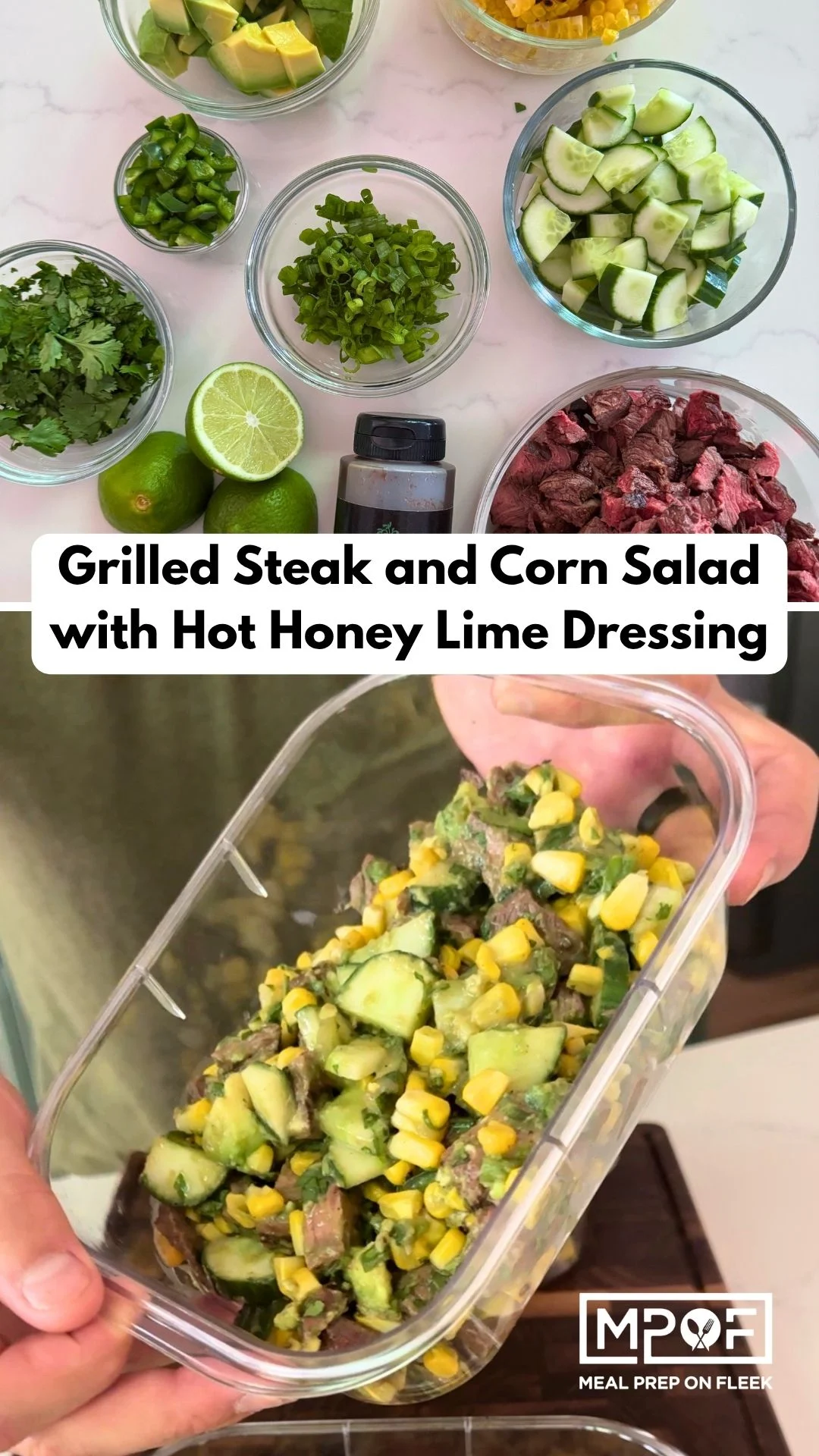

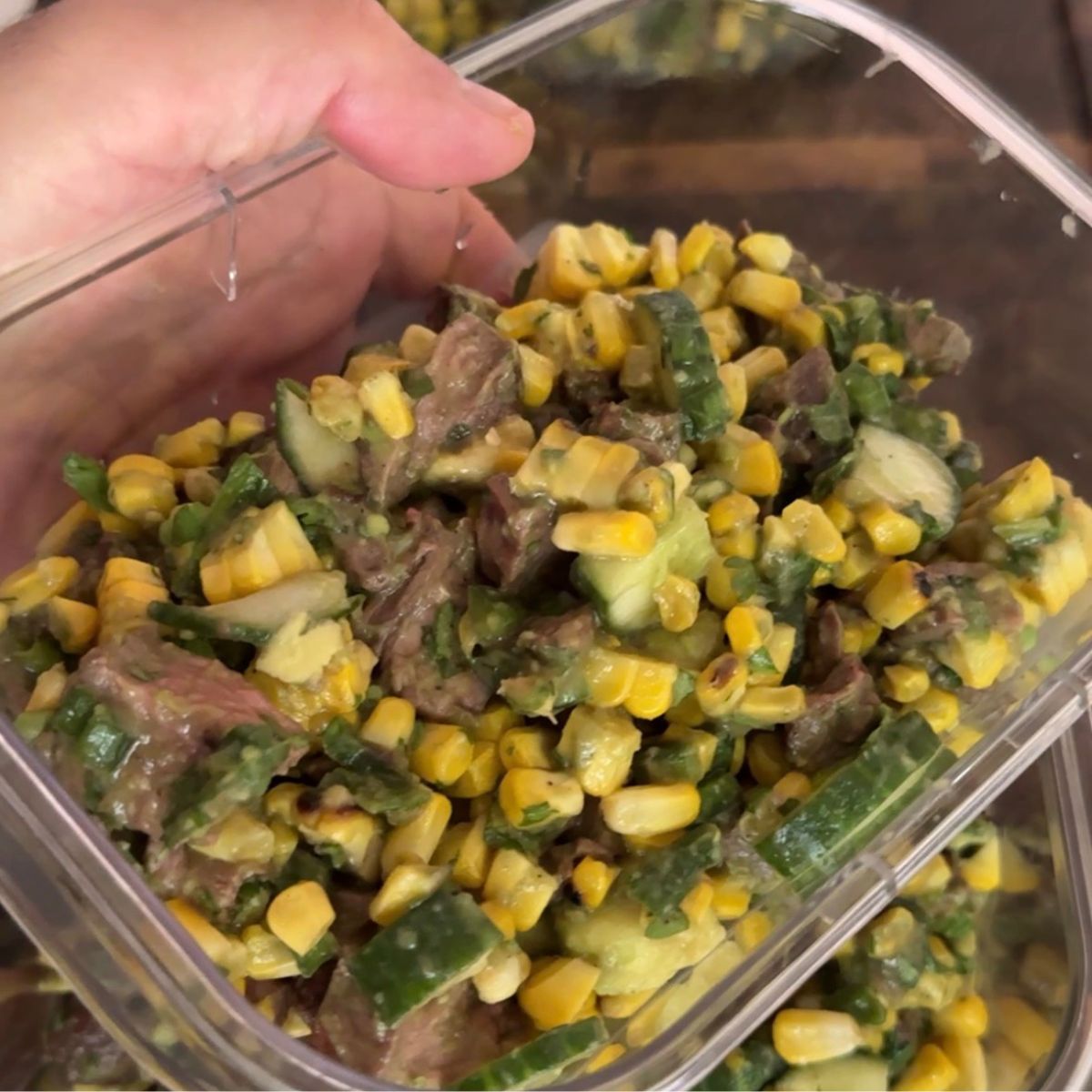
The culinary landscape has witnessed a significant shift in recent years as meal preparation strategies evolve to favor structural durability and nutrient density over traditional leafy greens. Among the latest developments in this movement is the emergence of the "no-lettuce salad" concept, a method of dish construction that prioritizes hardy, high-fiber vegetables and proteins to ensure better storage longevity. This approach is exemplified by the Grilled Steak and Corn Salad with Hot Honey Lime Dressing, a dish designed to maintain its texture and flavor profile for up to four days in a refrigerated environment.
The Evolution of Meal Prep Efficiency
In the broader context of home economics and food science, the traditional green salad has long faced the challenge of rapid oxidation and moisture-related decay. When stored for more than 24 hours, the delicate cell walls of common lettuce varieties, such as romaine or iceberg, collapse under the influence of dressings and moisture, rendering the meal unpalatable. The transition toward heartier, non-leafy components represents a practical response to the demands of modern professional lifestyles.
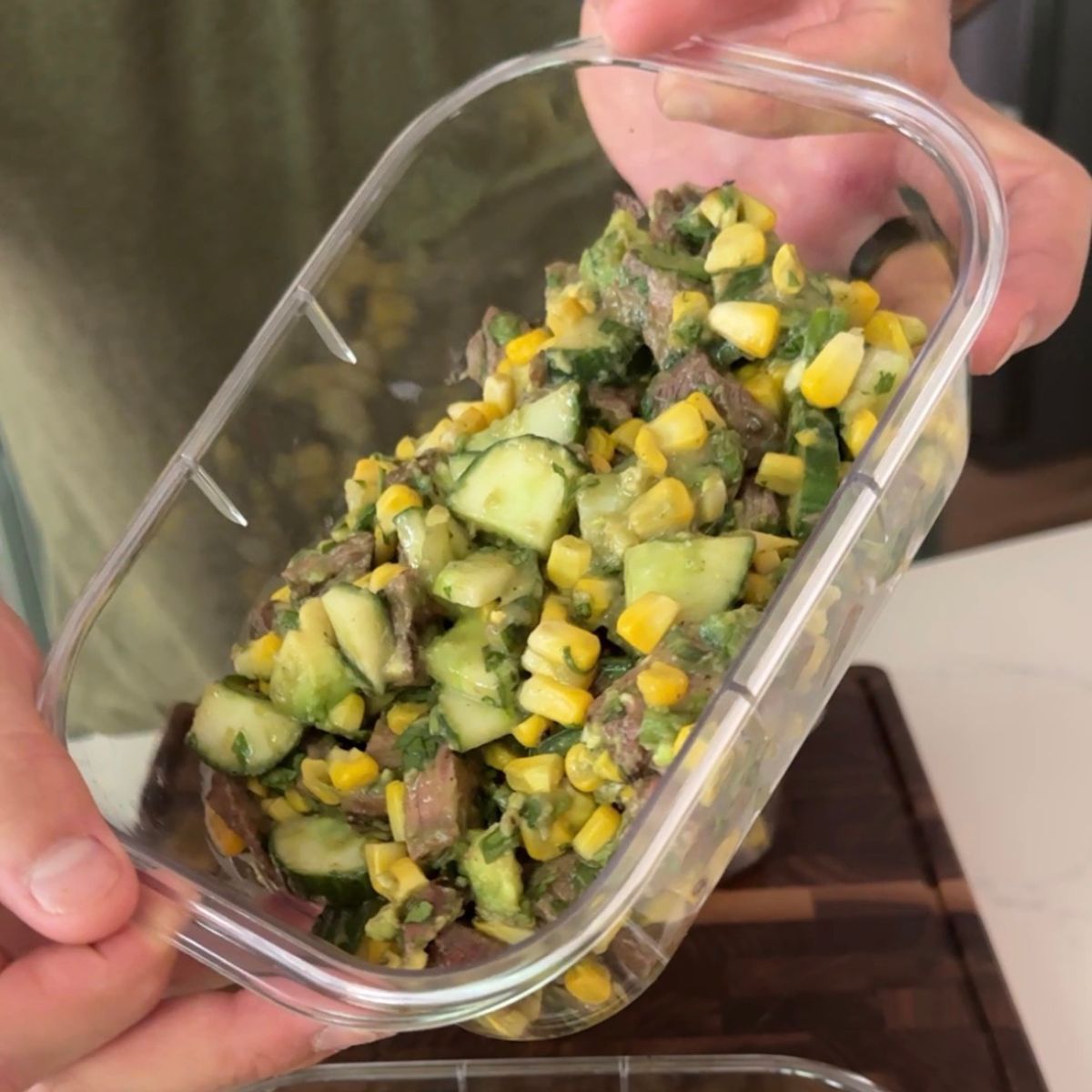
By substituting traditional greens with ingredients like grilled corn, cucumber, and avocado, chefs and home cooks alike are achieving greater shelf stability. This shift is not merely aesthetic; it is a data-driven approach to reducing food waste and ensuring that nutritional targets—specifically protein intake—remain consistent throughout the work week.
Technical Specifications and Preparation Chronology
The preparation of this specific salad follows a standardized technical protocol designed to maximize flavor development while minimizing unnecessary processing. The process begins with the temperature regulation of the heat source. Experts in culinary methodology recommend a grill surface temperature between 425°F and 450°F. This range is critical to achieving the Maillard reaction—a chemical reaction between amino acids and reducing sugars that gives browned food its distinctive flavor—on both the beef and the corn kernels.
The chronology of preparation is as follows:
- Initial Preparation: The steak, typically a flank or skirt cut, is patted dry to facilitate searing, then lightly seasoned with salt, pepper, and olive oil.
- Thermal Application (Corn): Corn is grilled directly over the heat source for 8 to 10 minutes. The objective is to achieve localized caramelization, which adds a complex sweetness to the dish.
- Thermal Application (Protein): The steak is grilled until it reaches an internal temperature of 125°F to 130°F (medium-rare). A critical technical step is the resting period of 5 to 10 minutes, which allows for the redistribution of intramuscular juices.
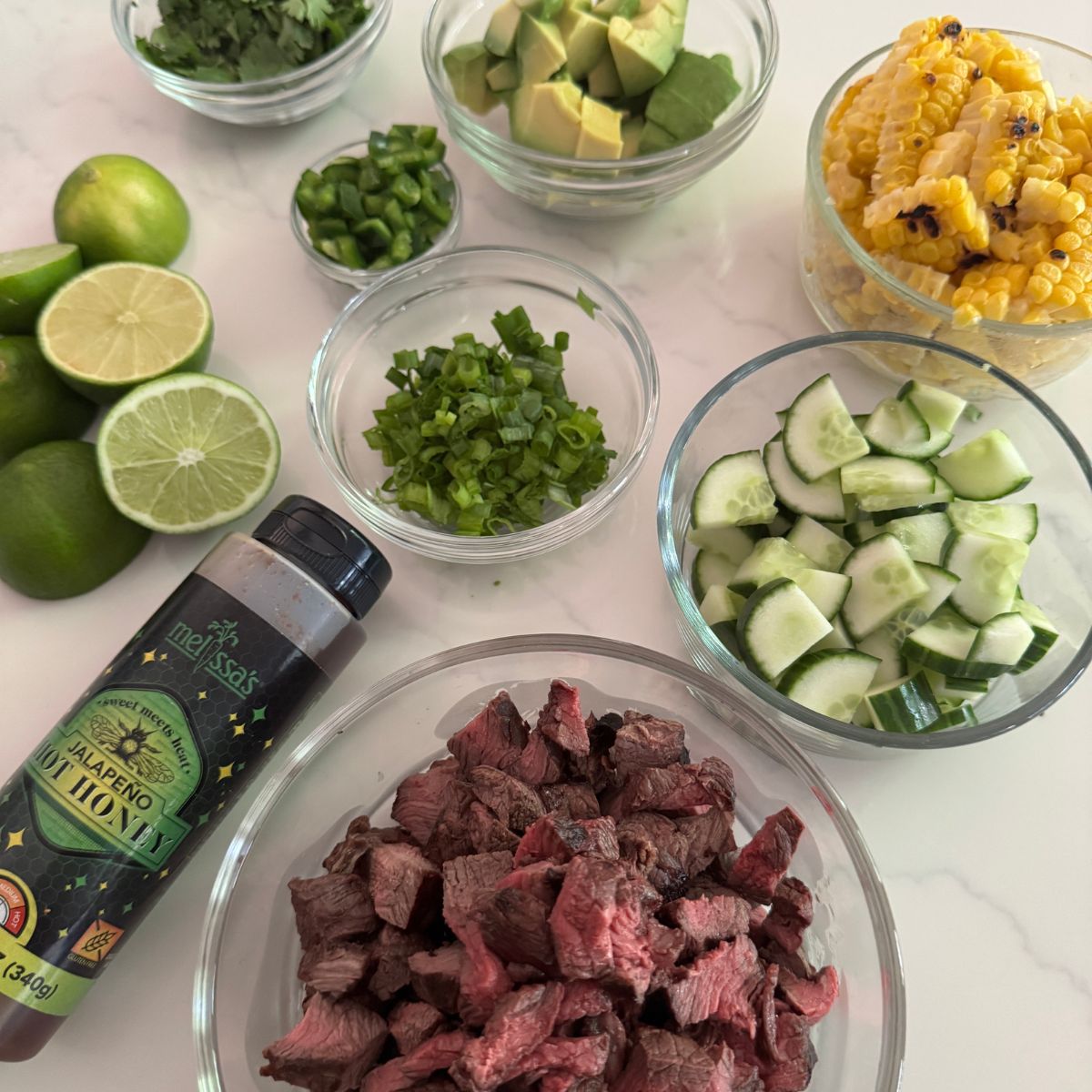
- Assembly: The vegetable base, consisting of diced cucumber, jalapeño, cilantro, and green onion, is tossed with the dressing. The protein is sliced against the grain—a vital step for ensuring tenderness—and added to the mixture.
Nutrient Density and Macro-Analysis
From a nutritional standpoint, the elimination of lettuce allows for a higher concentration of caloric density and macronutrient stability. A standard serving of this salad provides a significant protein boost, making it a staple for individuals following high-protein dietary protocols.
The integration of avocados introduces healthy monounsaturated fats, which serve a dual purpose: they provide satiety and act as a carrier for fat-soluble vitamins present in the other ingredients. The dressing, composed of lime juice, honey, and chili-based heat, provides the acidity necessary to cut through the richness of the steak. Preliminary nutritional estimates for this dish suggest a profile well-suited for recovery-focused diets, balancing fiber, protein, and moderate carbohydrate intake.
Storage Protocols and Food Safety
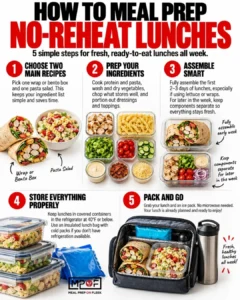
The primary advantage of the no-lettuce model is its impact on storage logistics. In institutional and home meal prep settings, the separation of components is the gold standard for maintaining freshness. The dressing and the avocado are kept separate from the base components during the refrigeration cycle. This separation prevents the osmotic pressure of the dressing from breaking down the cell structure of the vegetables, a common cause of "soggy" salads.
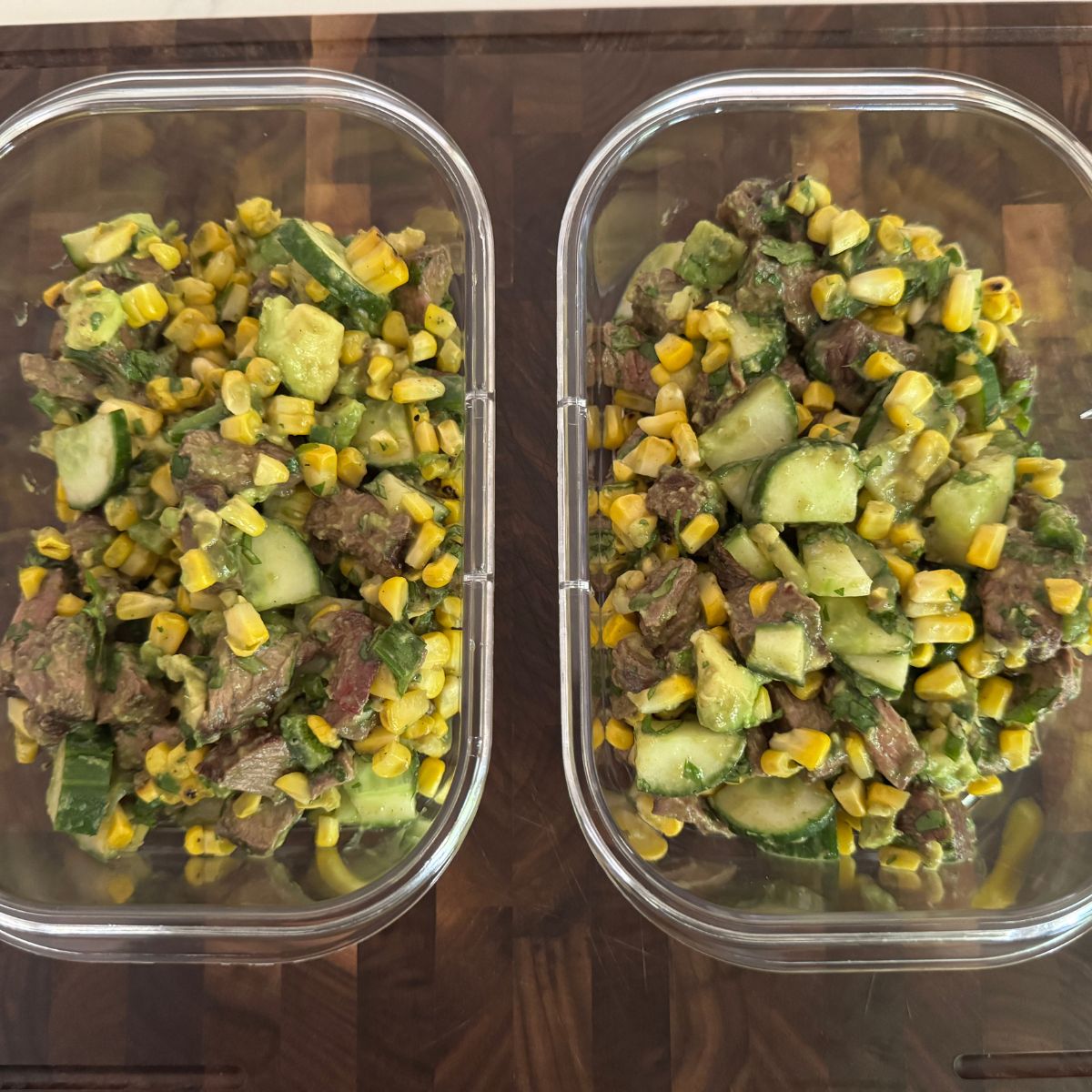
Microbiologists and food safety experts often emphasize that such preparations remain safe for consumption for up to 96 hours when stored in airtight containers at or below 40°F. This aligns with standard industrial meal prep guidelines, providing a reliable four-day window for consumption.
Broader Implications for Dietary Trends
The rise of the "lettuce-free" salad is symptomatic of a broader trend in the culinary arts: the prioritize of functionality. As more consumers adopt meal planning to manage their health and time, recipes that sacrifice traditional presentation for long-term freshness gain favor.
This trend also reflects a growing interest in global flavor profiles. The combination of grilled corn, cilantro, and jalapeño draws inspiration from Latin American culinary traditions, specifically the flavor architecture of elote, while the hot honey dressing serves as a contemporary bridge between modern fusion trends and traditional grilling techniques.
Expert Analysis on Culinary Simplification
Industry analysts have noted that the success of this recipe lies in its simplicity. By relying on high-quality proteins and the Maillard reaction, the need for complex, heavy sauces is eliminated. This trend toward "ingredient-forward" cooking is consistent with broader retail data showing that consumers are moving away from processed, heavy dressings in favor of lighter, acid-based options that highlight the inherent flavors of the base ingredients.
Furthermore, the versatility of the recipe—allowing for substitutions like sirloin or even poultry, and the use of frozen corn when fresh produce is out of season—positions it as an adaptable baseline for various dietary needs. This adaptability is key to the longevity of the recipe in a competitive market of health-conscious meal planning.
Conclusion
The Grilled Steak and Corn Salad with Hot Honey Lime Dressing stands as a refined example of modern meal prep. By stripping away the perishable, low-density elements of the traditional salad and replacing them with robust, nutrient-rich alternatives, the recipe addresses the fundamental challenges of storage and nutritional consistency. As culinary trends continue to favor efficiency and high-quality protein sources, dishes of this nature are likely to remain central to the discourse on sustainable, healthy, and practical eating habits. The integration of careful temperature control, proper slicing techniques for optimal mouthfeel, and a strategic approach to storage makes this preparation not merely a recipe, but a methodology for consistent, high-quality nutrition.