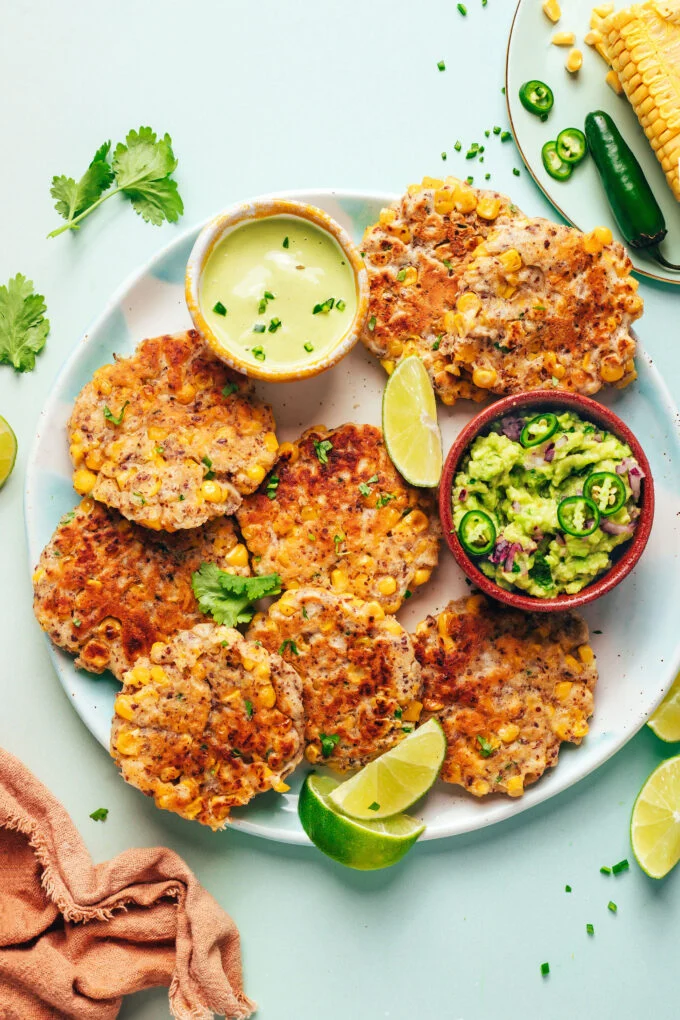

The culinary landscape has seen a significant shift toward plant-based alternatives in recent years, driven by a growing consumer demand for versatile, allergy-friendly, and accessible meal options. A recent development in this sector is the introduction of a refined, vegan, and gluten-free recipe for jalapeño corn fritters. This dish represents a strategic adaptation of traditional comfort food, utilizing modern ingredient substitutions to maintain the texture and flavor profile typically associated with corn-based appetizers while adhering to strict dietary constraints.
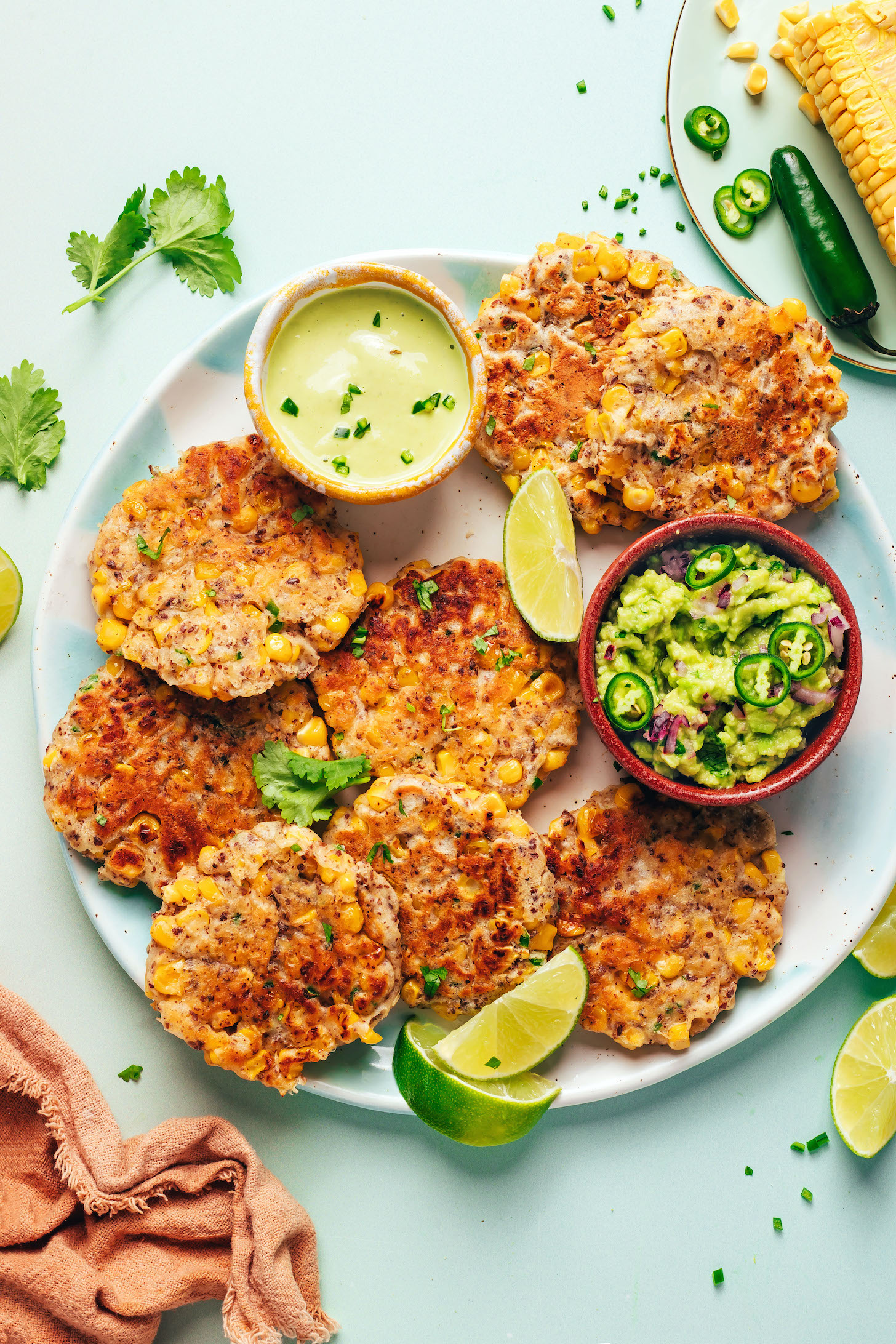
The Evolution of Plant-Based Appetizers
Historically, corn fritters have been a staple of North American cuisine, particularly in the Southern United States. Traditional preparations rely heavily on animal-derived binders, such as eggs, and dairy-based liquids to create a cohesive batter. The emergence of this specific recipe highlights the industry’s trend toward "clean label" cooking, where the objective is to replicate traditional sensory experiences—crispiness on the exterior and tenderness on the interior—without the use of cholesterol-heavy ingredients.
The shift toward these fritters reflects a broader movement within the home-cooking sector to simplify recipes for time-constrained consumers. By utilizing only ten basic ingredients, the preparation process has been condensed to approximately 30 minutes, a timeframe that aligns with contemporary consumer preferences for efficiency.

Technical Composition and Ingredient Analysis
The chemical functionality required to replace eggs and dairy in frying applications is complex. In this formulation, flaxseed meal serves as the primary binding agent. When mixed with water, flaxseed meal undergoes a mucilaginous reaction, mimicking the structure and moisture-retention properties of albumen (egg whites).
Furthermore, the transition from cow’s milk to unsweetened, neutral-flavored plant-based alternatives—specifically cashew milk—serves a dual purpose. It avoids the lactose content of dairy while providing a fatty acid profile that contributes to the browning process during shallow frying. The incorporation of nutritional yeast provides an umami flavor profile, a crucial component for dishes that lack the savory richness of traditional cheese or animal fats.

The structural integrity of the fritters is maintained through the use of a gluten-free flour blend. The inclusion of baking powder acts as a leavening agent, ensuring that the batter retains a fluffy, airy texture rather than becoming dense or rubbery, which is a common failure point in vegan gluten-free baking.
Chronology of Preparation and Culinary Methodology
The preparation of these fritters follows a standardized culinary workflow designed to maximize efficiency:
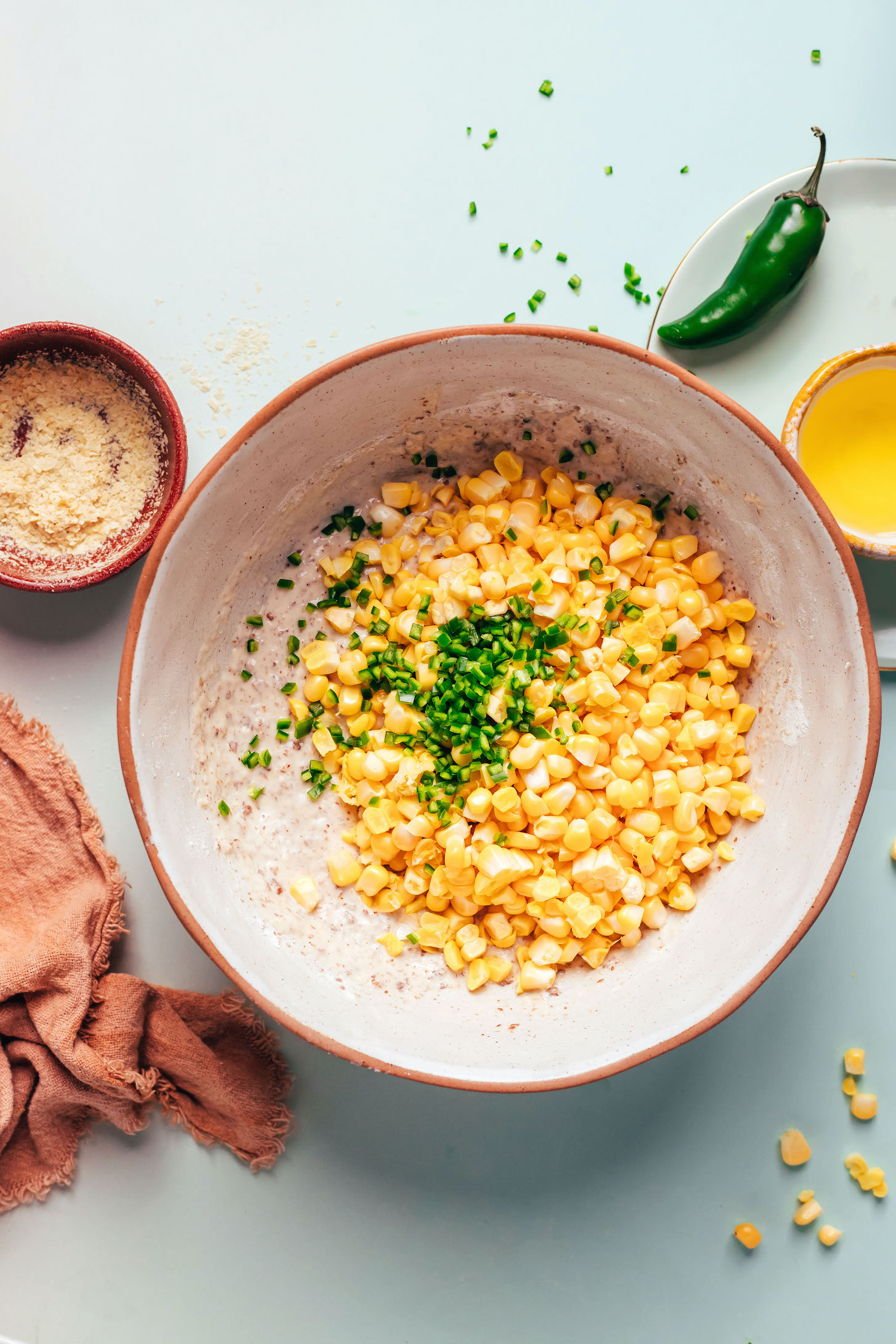
- Batter Stabilization (0–10 minutes): The dry ingredients, including the gluten-free flour blend, nutritional yeast, salt, and garlic powder, are whisked together. The flaxseed meal and cashew milk are integrated to initiate the thickening process.
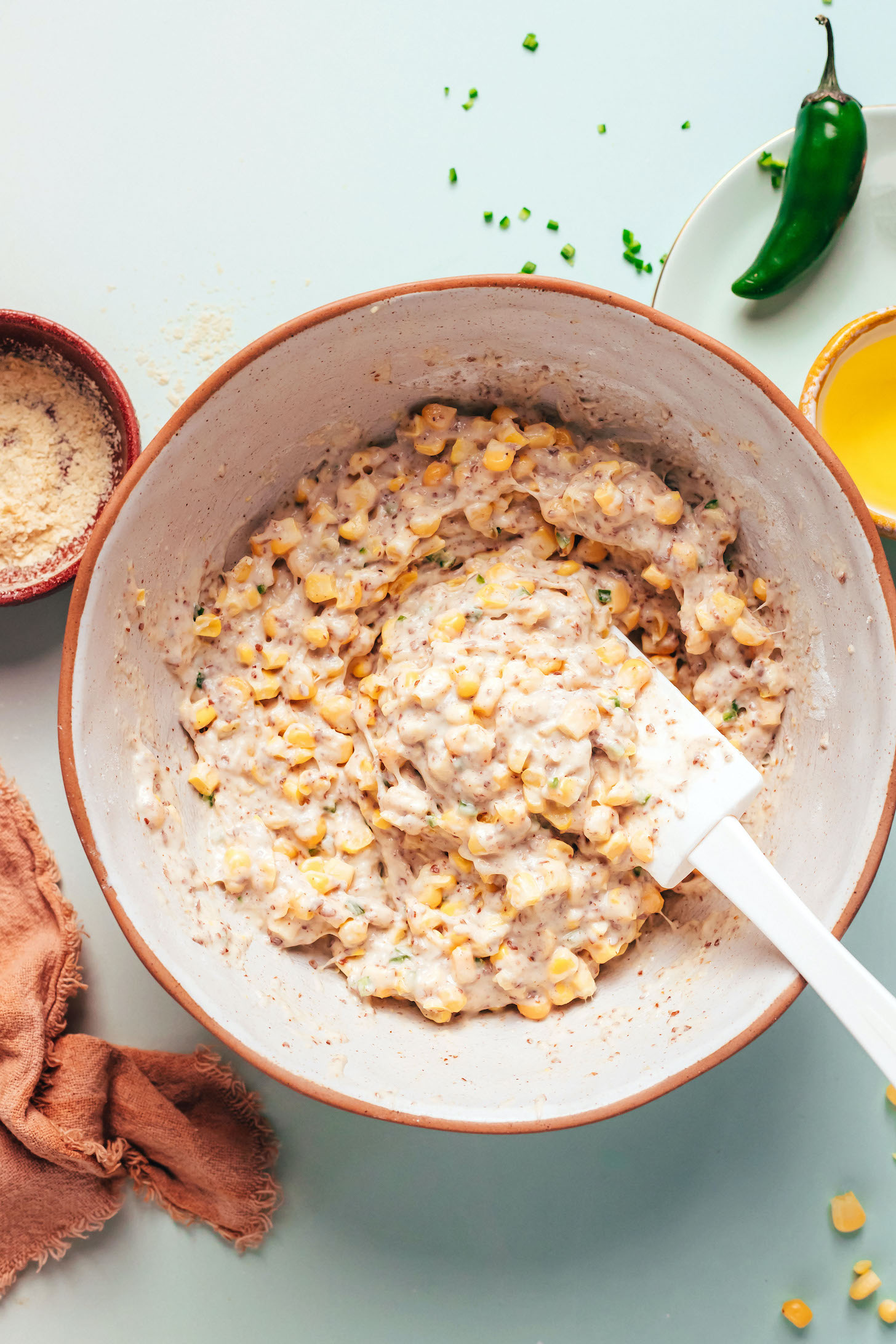
- Component Integration (10–15 minutes): Fresh or thawed, moisture-wicked corn kernels and finely minced jalapeños are folded into the batter. The consistency is carefully monitored; the objective is a thick, viscous batter that holds its shape when dropped into a pan.
- Thermal Processing (15–25 minutes): A shallow-fry method is employed using a cast-iron skillet. By using avocado oil, which has a high smoke point, the chef can achieve a Maillard reaction—the chemical reaction that produces a browned, crispy crust—without burning the oil or the batter.
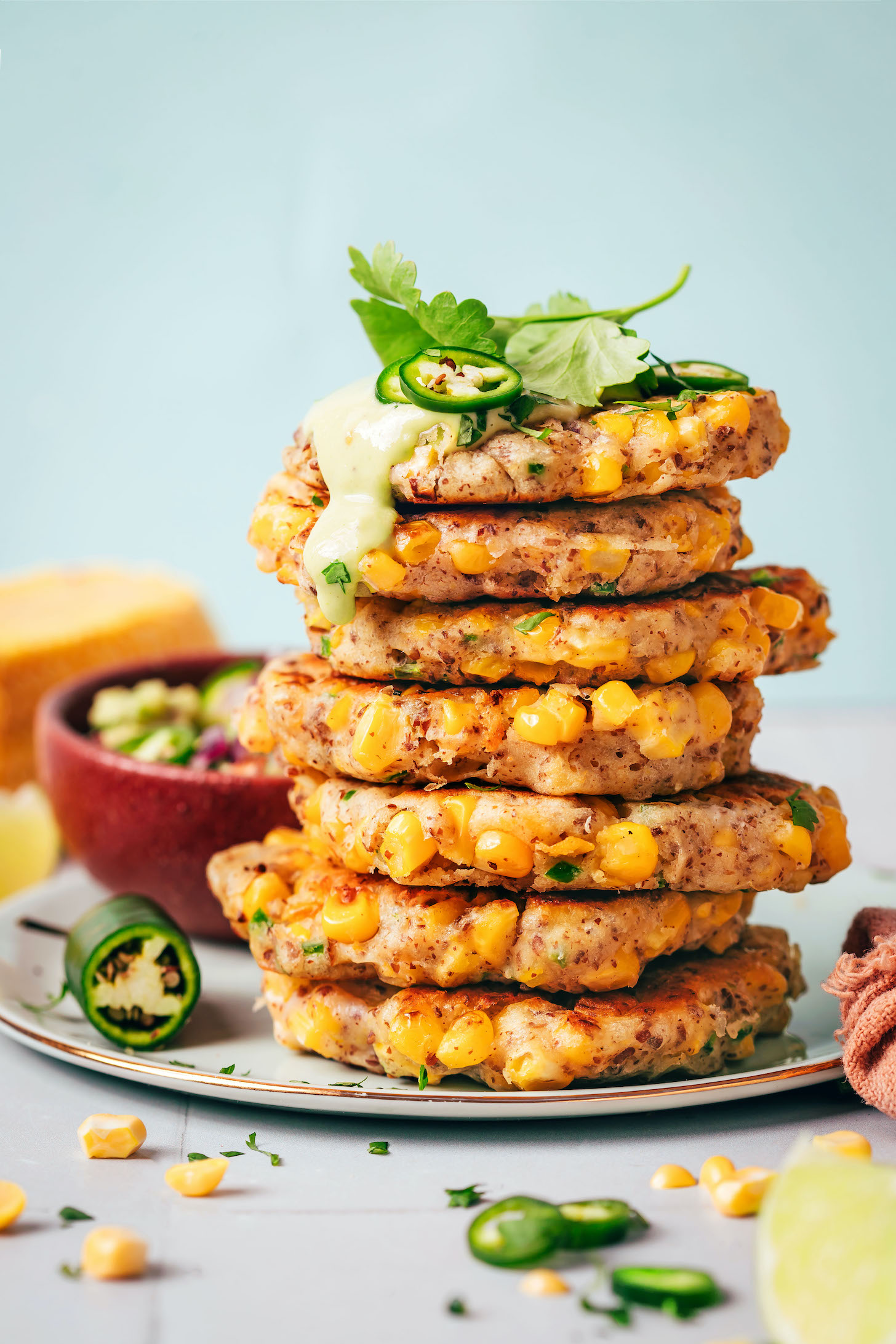
- Final Presentation (25–30 minutes): The fritters are drained on a rack to maintain crispness before being served with complementary acidic or creamy sauces, such as cashew-based jalapeño dips or traditional guacamole.
Supporting Nutritional and Economic Data
From a nutritional standpoint, the adoption of plant-based fritters offers a reduction in saturated fats compared to traditional recipes that incorporate lard or butter. Each fritter, according to standardized calculations, contains approximately 103 calories, 16.2 grams of carbohydrates, and 2.4 grams of protein. Because they are fried in plant-based oils, the cholesterol content remains at zero milligrams.
The economic implications are also notable. The utilization of common pantry staples—flour, baking powder, salt, and spices—makes this dish highly cost-effective, particularly when utilizing seasonal corn. Data suggests that consumers are increasingly seeking recipes that offer "high-value" results from "low-cost" ingredients, a factor that has contributed to the surge in interest for such recipes in the current inflationary climate.
Industry Perspectives on Dietary Inclusion
Nutritionists and food industry analysts have noted that recipes such as this serve as an "on-ramp" for omnivorous consumers looking to decrease their meat and dairy intake. By providing a familiar format—the fritter—the recipe lowers the psychological barrier to entry for plant-based eating.
"The focus here is not on restriction, but on substitution," says one industry observer. "By maintaining the cultural relevance of the corn fritter while removing the barriers of gluten and animal products, the recipe becomes universally applicable. It addresses the needs of celiac sufferers, lactose-intolerant individuals, and vegans simultaneously."

Broader Implications and Future Trends
The success of this recipe signifies a shift in how professional and home kitchens view the "free-from" movement. Rather than viewing gluten-free and vegan options as niche, the industry is increasingly treating them as the standard for inclusive event planning and daily meal preparation.
The flexibility of the recipe—allowing for the use of frozen corn during off-peak seasons or the substitution of jalapeños with milder peppers for lower spice tolerance—demonstrates a design philosophy focused on accessibility. As the market for plant-based ingredients continues to expand, it is likely that similar techniques for binding and leavening will be integrated into a wider variety of classic comfort foods, further cementing the role of vegan cooking in mainstream culinary practice.
Conclusion: A Staple for Modern Diets
In summary, the jalapeño corn fritter as presented offers a high-utility solution for both casual appetizers and substantial sides. Its reliance on simple, 10-ingredient chemistry and its compatibility with various dietary restrictions make it a significant, albeit simple, innovation in the home kitchen. As culinary technology continues to evolve, the integration of these plant-based methods suggests that the future of comfort food will be defined by inclusivity, efficiency, and a renewed focus on the inherent qualities of fresh, seasonal produce.
For those who regularly monitor food trends, the popularity of this recipe serves as a clear indicator that the demand for "simple, healthy, and fast" remains the primary driver of domestic culinary innovation. Whether served as a standalone appetizer or as a side to a main course, these fritters represent a bridge between traditional culinary history and the future of dietary inclusivity.