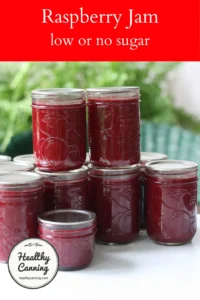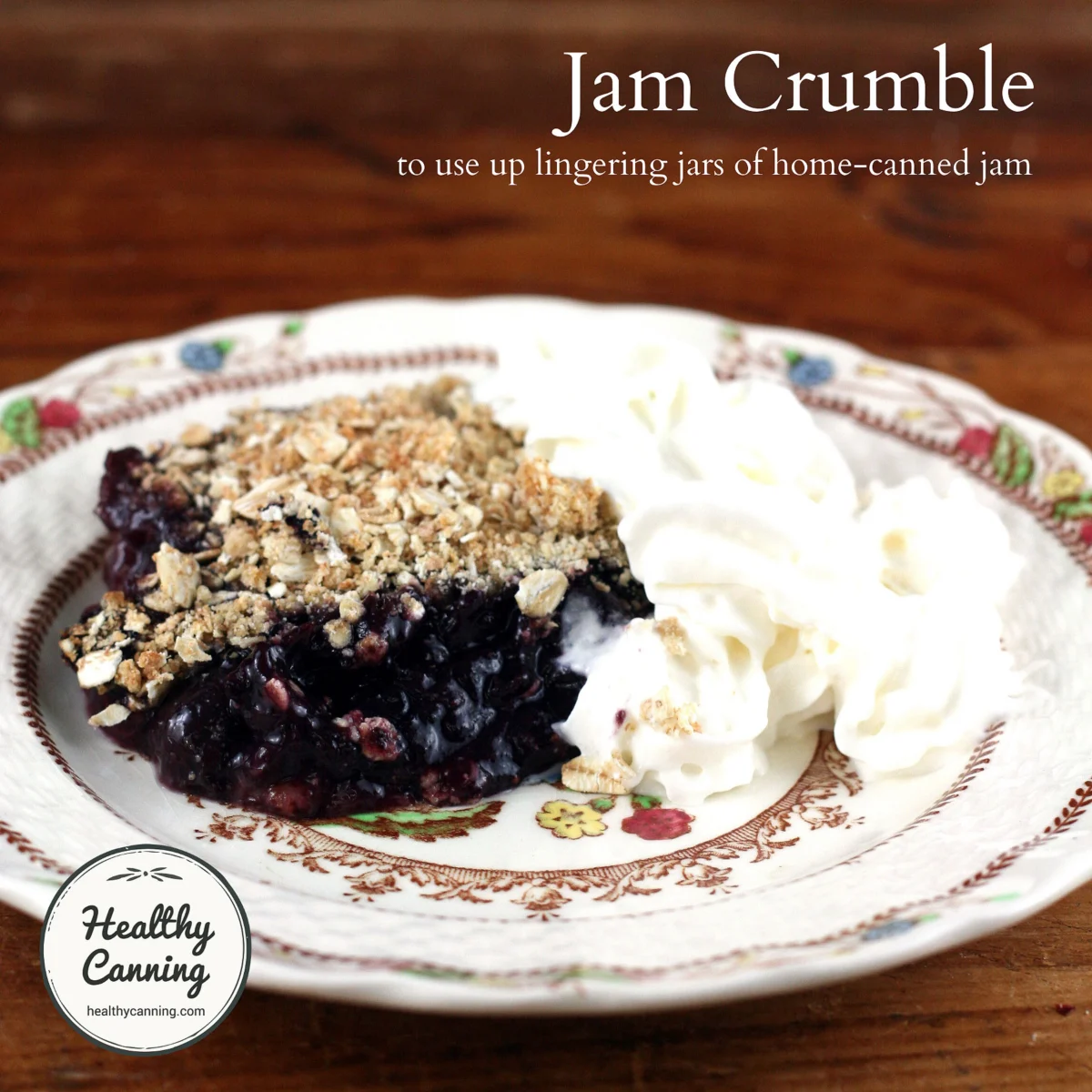

The modern home pantry often harbors a silent surplus, a residual accumulation of seasonal abundance preserved during peak harvest months but frequently forgotten in the daily rush of contemporary life. Among the most common casualties of this pantry stagnation is home-canned fruit jam. Whether resulting from an unexpected summer fruit windfall that yielded dozens of excess jars or a shift in household breakfast habits away from morning toast, these glass vessels of preserved fruit frequently sit aging on wooden shelves for months, sometimes years. Culinary researchers and home economics experts have increasingly turned their attention toward waste-reduction strategies that repurpose these underutilized preserves. One of the most efficient, cost-effective, and rapidly executed culinary interventions developed for this purpose is the traditional jam crumble, a dessert concept that bridges the gap between emergency baking and gourmet home-cooking.

Historically, fruit crumbles emerged as a staple of British wartime cookery during the 1940s, born out of necessity when strict food rationing limited the availability of traditional pastry ingredients like flour, fat, and sugar. Housemakers utilized available local fruits topped with sparse flour-and-fat mixtures to create comforting baked desserts. The modern adaptation involving preserved jams takes this historical concept a step further, eliminating the need to wash, peel, pit, and macerate fresh fruit. By substituting fresh or frozen produce with pre-cooked, sweetened fruit preserves, home cooks can reduce dessert preparation times from upwards of an hour to a mere ten minutes of active labor, establishing a streamlined approach to home baking that aligns with modern consumer demands for kitchen efficiency.
The structural mechanics of executing a jam-based crumble rely on precise thermodynamic and chemical principles. Unlike fresh fruit crumbles—which require added thickening agents like cornstarch or tapioca, alongside precise adjustments for fruit moisture content—jams are already stabilized through the pectin-sugar-acid gelation process. When subjected to baking temperatures typically set around 175 degrees Celsius (350 degrees Fahrenheit) for approximately 35 minutes, the pre-gelatinized fruit matrix inside the baking dish softens without releasing an excess of liquid, preventing the dreaded soggy bottom crust often associated with amateur fruit pies. Culinary professionals recommend utilizing two standard 250-milliliter (half-pint) jars, or alternatively a single 500-milliliter (one-pint) jar, yielding an optimal two-cup volume of fruit base for a standard six-serving baking dish. Furthermore, experimental gastronomy enthusiasts suggest layering contrasting jam profiles—such as pairing a tart rhubarb or blackberry preserve with a sweet apricot or peach base—to introduce complex flavor profiles and visual depth to the finished dish.
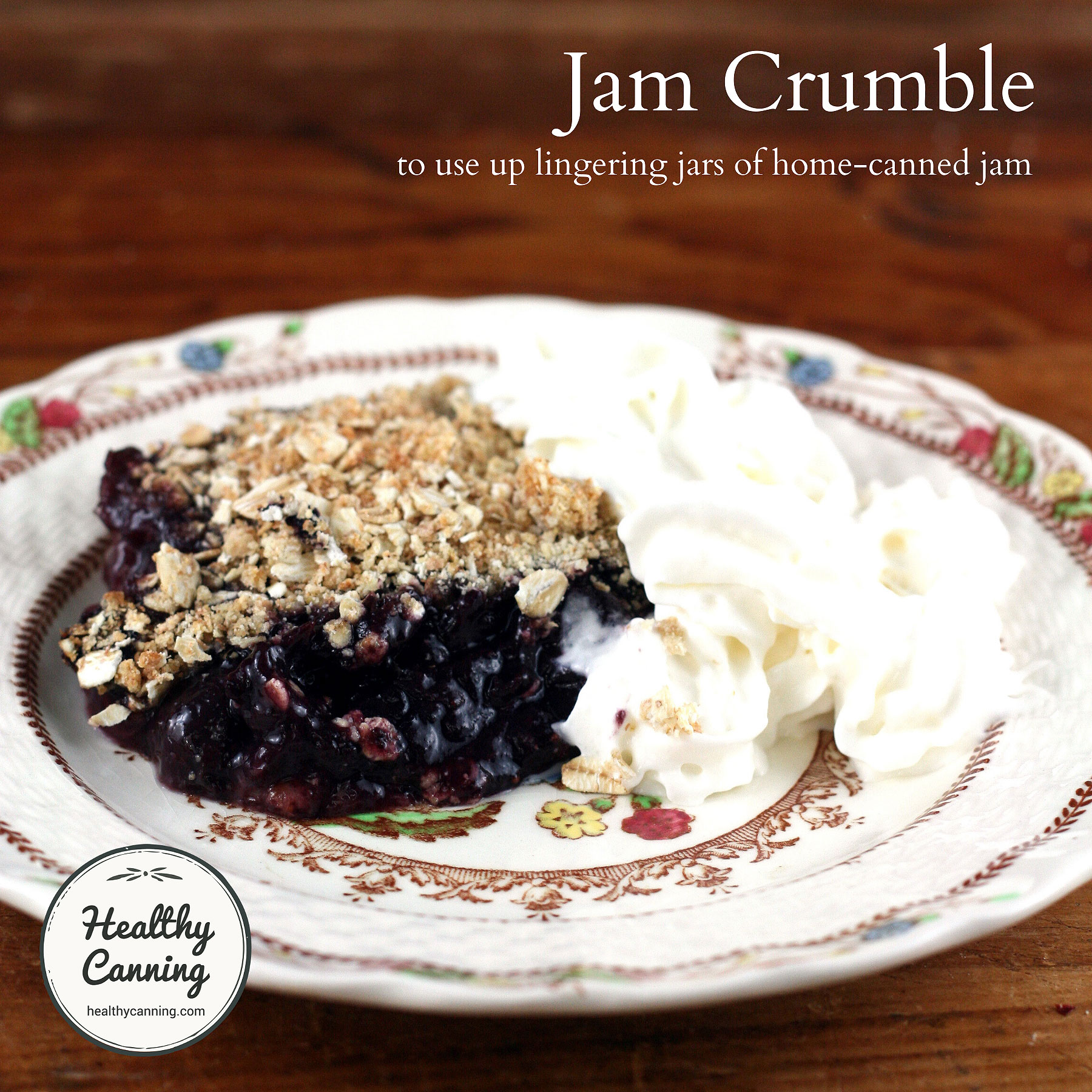
When traditional baking supplies run low, the flexibility of the crumble topping serves as a testament to resourceful kitchen management. While commercial or pre-made oat pancake mixes can be swiftly repurposed as an instant topping, a structurally sound artisan crumble topping can be manufactured from scratch using fundamental pantry staples. Standard proportions require half a cup of rolled oats, two tablespoons of all-purpose flour, one tablespoon of granulated sugar, and a pinch of salt, bound together by rubbing in two tablespoons of cold unsalted butter. Culinary instructors note that bakers can customize this foundation by incorporating supplementary elements such as ground cinnamon, nutmeg, or alternative sweeteners. For households seeking maximum weekly efficiency, culinary efficiency experts recommend scaling this dry-topping recipe by multiplying the batches threefold or fourfold, subsequently storing the excess mixture in sealed airtight containers within the freezer to slash future dessert preparation timelines even further.
Nutritional profiles for jam-based crumbles vary significantly based on the baseline ingredients utilized by the cook. Traditional preserves containing high concentrations of refined cane sugar contribute heavily to caloric density, making standard iterations an indulgent occasional treat. However, the rise of home-canning practitioners utilizing low-sugar or completely sugar-free pectin alternatives, alongside artificial or natural non-caloric sweeteners, has revolutionized the nutritional landscape of home-preserved goods. Dietitians and weight-management program consultants, including those affiliated with commercial structures like Weight Watchers, have observed that utilizing sugar-reduced or artificially sweetened home-canned jams transforms this classic comfort food into a calorie-conscious dessert option. This adaptation allows individuals maintaining strict dietary regimens to enjoy traditional baked goods without compromising their macronutrient targets.
The broader implications of incorporating preserved fruit into rapid dessert frameworks extend directly into the global movement against household food waste. According to agricultural and environmental policy data, a substantial percentage of domestic food waste occurs not at the point of primary consumption, but within pantry storage facilities where goods are overlooked until expiration dates pass or quality degrades. By establishing routine culinary practices that actively consume older inventory—such as transforming aging marmalades, jellies, and fruit spreads into structured crumbles—households can extend the lifecycle of home-canned provisions. Food systems analysts emphasize that these micro-level inventory management habits, when adopted broadly, contribute to a measurable reduction in household organic waste output, lower overall grocery expenditure footprints, and maximize the utility of home gardening labors.
Professional pastry chefs and home-economics educators continue to champion the jam crumble not merely as a survivalist recipe for forgotten pantry inventory, but as a legitimate, highly customizable canvas for culinary creativity. The ability to seamlessly integrate diverse flavor pairings—ranging from standard berry medleys to exotic spiced plum preserves—ensures that no two iterations of the dessert are identical. As economic pressures encourage households to rediscover the value of scratch-cooking and resourcefulness, the humble jam crumble stands out as an enduring symbol of efficient, sustainable, and deeply satisfying home gastronomy.