
The dietary landscape of the 21st century is increasingly dominated by a polarizing debate surrounding the consumption of vegetable and seed oils. Once hailed as heart-healthy alternatives to saturated animal fats, these oils—derived from crops such as canola, soybean, corn, and sunflower—are now the subject of intense scrutiny on social media platforms. Critics frequently label them as "toxic sludge" or "motor oil," attributing a wide array of modern health crises to their presence in the food supply. Conversely, mainstream nutritional organizations and cardiovascular health researchers maintain that these oils, when used appropriately, serve as essential components of a balanced diet. Sorting through this dichotomy requires an objective look at the history, chemical processing, and clinical evidence surrounding dietary fats.
A Historical Context of the Fat Debate
To understand the current hostility toward seed oils, one must look at the evolution of Western dietary guidelines. For much of the early 20th century, animal fats like butter, lard, and tallow were the primary cooking fats in Western households. However, as the incidence of heart disease began to climb during the mid-century, researchers and public health officials began searching for dietary culprits.
By the 1970s and 1980s, the "lipid hypothesis"—which posited that saturated fats were the primary drivers of cardiovascular disease—gained significant traction. This shift prompted a major pivot in food manufacturing. Public health campaigns encouraged consumers to swap saturated animal fats for polyunsaturated vegetable oils and, notably, hydrogenated vegetable oils, which were marketed as stable, shelf-ready, and heart-healthy alternatives to butter.
The subsequent rise of the "carnivore diet" and other low-carbohydrate, ancestral-focused nutritional movements has triggered a reactionary movement. Proponents of these diets argue that seed oils are a "neolithic" invention, produced by industrial processes that humans are not evolutionarily adapted to consume. They suggest that the rapid introduction of these oils into the food chain in the 20th century correlates with the rise of chronic conditions such as obesity, metabolic syndrome, and inflammatory disorders.
The Science of Processing and Chemical Stability
The primary contention regarding seed oils lies in their extraction and processing. Unlike olive or avocado oil, which can be mechanically pressed from fatty fruits, seeds like soy, corn, and canola contain relatively little oil. Extracting this oil requires intensive industrial methods, often involving high-heat pressing and the use of chemical solvents like hexane.

During these high-heat refining, bleaching, and deodorizing processes, sensitive compounds such as polyphenols—which provide antioxidant benefits—are stripped away. Furthermore, the chemical structure of polyunsaturated fatty acids (PUFAs) makes them inherently unstable. When exposed to heat, light, or oxygen, these oils are prone to oxidation, a process that creates free radicals. Critics argue that the ingestion of oxidized oils contributes to systemic inflammation.
While the scientific community acknowledges that refining processes can reduce the quality of an oil, the "toxic" label is viewed by many as an oversimplification. The FDA and other regulatory bodies have taken steps to mitigate the risks associated with processing, most notably the 2018 ban on artificial trans fats, which were a byproduct of the partial hydrogenation process used to harden liquid vegetable oils.
Nutritional Profiles and the Omega-6 Controversy
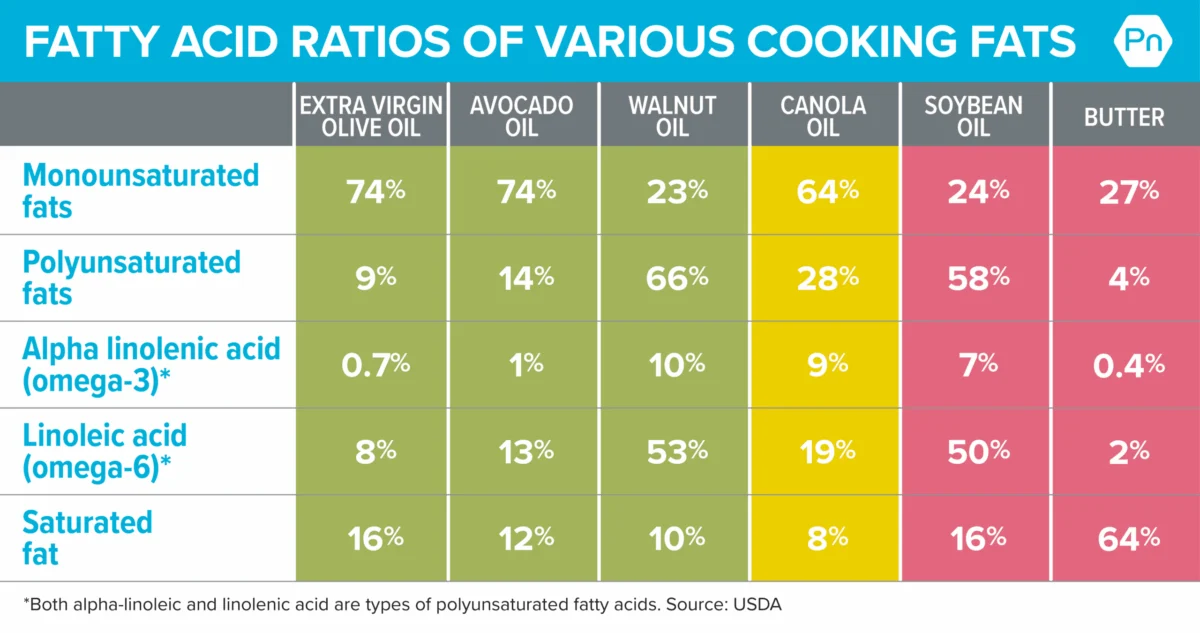
At the heart of the debate is the ratio of omega-6 to omega-3 fatty acids. Omega-6 fats are essential for human health, but the modern Western diet is heavily skewed toward them, with some estimates suggesting a ratio of 16:1 or 20:1 compared to omega-3s. Critics argue this imbalance drives chronic inflammation.
However, nutritional data from major health institutions suggest that the focus on the ratio may be misplaced. Research published in the American Heart Association’s journal, Circulation, indicates that higher consumption of omega-6 fats, specifically linoleic acid, is associated with a reduced risk of cardiovascular events. The consensus among many researchers is that omega-6 fats are only potentially problematic when they are consumed in isolation through highly processed, calorie-dense foods that lack the fiber, vitamins, and minerals found in whole-food sources like nuts and seeds.
Comparative Analysis: Olive Oil vs. Seed Oils
When comparing extra-virgin olive oil (EVOO) to refined seed oils, the evidence heavily favors the former. EVOO is unique because it is minimally processed and retains its original plant polyphenols. Large-scale observational studies, such as the PREDIMED trial and studies conducted in Southern Italy, consistently demonstrate that populations with high EVOO consumption experience significantly lower rates of cardiovascular disease and premature mortality.
While seed oils like canola are often criticized, they possess a relatively favorable fatty acid profile compared to other vegetable oils, being rich in monounsaturated fats. Nevertheless, they lack the complex protective matrix of antioxidants found in cold-pressed olive or avocado oils. Consequently, while canola oil may not be inherently "toxic," it is often nutritionally inferior to the premium oils that dominate the "eat more" categories of modern nutritional charts.

The Role of Ultra-Processed Foods
Perhaps the most significant finding in recent nutritional epidemiology is that the health risks associated with vegetable oils are often inseparable from the risks associated with ultra-processed foods (UPFs). Seed oils are the primary fat source in chips, crackers, frozen dinners, and commercial baked goods—products that are also high in sodium, added sugars, and refined carbohydrates.
A massive review involving nearly 10 million participants linked the frequent consumption of ultra-processed foods to increased risks of cancer, cardiovascular disease, and all-cause mortality. Because seed oils are the ubiquitous backbone of these products, they are often the "face" of a broader problem: the displacement of nutrient-dense, whole foods by industrial, calorie-dense alternatives.
Implications for Dietary Choices
For the average consumer, the path forward involves focusing on the quality of food rather than the vilification of a single category. Dietary experts generally recommend a hierarchy of fat consumption:
- Prioritize whole-food sources: Avocados, olives, nuts, seeds, and fatty fish should be the primary sources of dietary fat, as these come packaged with fiber and micronutrients.
- Choose minimally processed oils: Extra-virgin olive oil and cold-pressed avocado oil remain the gold standard for home cooking due to their stability and antioxidant content.
- Moderate intake of refined oils: While refined oils like canola or sunflower are not inherently poisonous in small, occasional doses, they should not constitute the majority of one’s fat intake.
- Minimize ultra-processed foods: By reducing reliance on commercial baked goods and deep-fried snacks, individuals will naturally limit their intake of industrial-grade seed oils.
Conclusion: Moving Beyond the Meme
The "seed oil" controversy serves as a microcosm of modern nutritional discourse, where complex biochemical issues are reduced to binary, viral soundbites. While industrial processing methods warrant a critical eye, and while the prevalence of refined oils in the modern food supply is undoubtedly a concern for public health, the evidence does not support the assertion that these fats are universally toxic.
A more nuanced approach, focusing on the consumption of whole, unprocessed foods, appears to be the most effective strategy for managing metabolic health. By prioritizing the quality of the oil—opting for minimally processed varieties—and limiting the consumption of ultra-processed products, consumers can navigate the noise of social media and make evidence-based decisions that align with long-term health outcomes. The goal is not to eliminate all fats, but to shift the composition of the diet toward sources that offer tangible health benefits beyond mere caloric density.