
The American Homebrewers Association (AHA) has officially initiated its annual search for dedicated leaders to join its Governing Committee, inviting members from across the hobbyist spectrum to submit nominations and applications for board service. This call for leadership arrives at a pivotal moment for the organization as it navigates a shifting landscape in the craft beverage industry and seeks to reinforce its commitment to a member-led, future-focused strategy. Interested individuals have until February 7 to complete the nomination process, a window that serves as the starting point for an election cycle designed to ensure the AHA remains the primary advocate for the estimated 1.1 million homebrewers currently active in the United States.
The AHA Board, technically operating as the AHA Governing Committee within the larger framework of the Brewers Association (BA), represents the voice of the grassroots brewing community. These individuals are tasked with more than just ceremonial duties; they are the architects of the association’s strategic direction, responsible for advising on everything from national competition standards to federal and state legislative advocacy. As the organization enters a new era of growth, the emphasis of this year’s recruitment is on finding "passionate homebrewers" who possess a blend of technical expertise, organizational vision, and a deep-seated desire to see the hobby flourish in an increasingly digital and diverse world.
Historical Context and the Evolution of AHA Governance
To understand the weight of these board positions, one must look at the historical trajectory of the American Homebrewers Association. Founded in 1978 by Charlie Papazian and Charlie Matzen in Boulder, Colorado, the AHA was born out of a necessity to provide a unified voice for enthusiasts who were, at the time, operating in a legal gray area. Following the 1978 federal legalization of homebrewing by President Jimmy Carter, the AHA became the vanguard of the movement, eventually merging with the Association of Brewers to form what is now known as the Brewers Association.
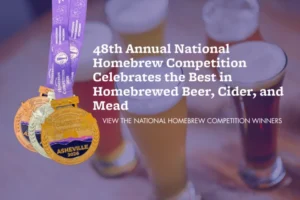
Since its inception, the AHA has evolved from a small newsletter-based club into a global powerhouse that hosts the National Homebrew Competition—the largest of its kind in the world—and Homebrew Con, an annual conference that serves as the educational epicenter for the craft. The Governing Committee has been the steady hand throughout this evolution, transitioning the hobby from a clandestine basement activity into a sophisticated pursuit that contributes significantly to the broader craft beer economy. Many of the most successful commercial craft brewery founders in the United States began as AHA members, highlighting the organization’s role as a "farm system" for the professional brewing industry.
The Role and Expectations of Board Service
Serving on the AHA Board is described by the organization as a "meaningful and rewarding commitment," yet it is one that requires a significant investment of time and intellectual energy. Board members are expected to go beyond attending meetings; they are the primary liaisons to various sub-committees that handle specialized aspects of the association’s operations. These include committees dedicated to the National Homebrew Competition, the AHA’s educational resources, and Diversity, Equity, and Inclusion (DEI) initiatives intended to make the hobby more accessible to underrepresented groups.
The current call for nominations emphasizes several key attributes for potential candidates. Primarily, the AHA is looking for members who are deeply engaged with the community. This involvement often manifests through participation in local homebrew clubs, judging in sanctioned competitions, or contributing to the technical body of knowledge through articles and presentations. However, the association also stresses the need for "future-focused" thinking. This involves identifying emerging trends—such as the rise of non-alcoholic brewing, the integration of gluten-free ingredients, and the use of advanced fermentation technologies—and ensuring the AHA provides the resources members need to master these new frontiers.
According to the AHA’s "Volunteer Guide," a document newly updated for the 2026 cycle, board members must be prepared to handle strategic oversight. This includes reviewing financial reports, assessing the impact of membership benefits, and ensuring that the association’s long-term goals align with the needs of a modern, tech-savvy membership base. The commitment typically involves regular virtual meetings, participation in the annual Homebrew Con, and active engagement in the online forums and social platforms where the community interacts.
The Nomination and Application Process
The path to board service is structured to be transparent and rigorous, ensuring that only the most committed and qualified individuals reach the ballot. The process is divided into several distinct phases:
-
The Nomination Window (Ending February 7): During this initial phase, AHA members can either nominate a peer whom they believe possesses the necessary leadership qualities or apply directly for a position. This "open-door" policy is a cornerstone of the AHA’s democratic structure, allowing for grassroots movements within the membership to elevate new voices.
-
Application and Documentation: Once a nomination is accepted, the candidate must complete a comprehensive application. This is not merely a resume submission; it requires a deep dive into the candidate’s vision for the organization. Applicants must also review and sign a series of formal documents, including a Code of Conduct and a Conflict of Interest policy. These documents are vital for maintaining the integrity of the board, ensuring that personal or commercial interests do not interfere with the non-profit mission of the AHA.
-
Vetting and Review: The AHA’s internal leadership and existing committee members review the applications to ensure candidates meet the eligibility requirements, which include maintaining an active membership in good standing.
-
The Election Cycle: Following the vetting process, the names of qualified candidates are presented to the general membership for a vote. This democratic process ensures that the Governing Committee remains accountable to the people it serves. The timeline for the election is typically announced following the close of nominations, with the new board members usually taking their seats in the spring or summer, coinciding with major organizational milestones.
Supporting Data: The Current State of Homebrewing
The importance of a strong AHA Board is underscored by the current data regarding the homebrewing community. According to recent surveys conducted by the Brewers Association, the homebrewing industry contributes an estimated $1 billion annually to the U.S. economy through the purchase of equipment, ingredients, and educational materials. There are approximately 1,000 homebrew clubs across the country, serving as local hubs for education and social interaction.
However, the hobby faces headwinds. The "post-pandemic" era has seen a shift in how people spend their leisure time. While there was a surge in homebrewing interest during the lockdowns of 2020 and 2021, the subsequent return to office life and the rising cost of raw materials—such as malt and hops—have challenged the growth of the hobby. Furthermore, the craft beer market itself has reached a point of saturation, meaning the AHA must work harder to differentiate the "joy of making" from the "ease of buying."
The incoming board will need to analyze these trends and develop strategies to attract younger generations. Data suggests that Gen Z and younger Millennials are increasingly interested in "functional" beverages and low-alcohol options. A future-focused board will be responsible for expanding the AHA’s scope to include these categories, ensuring the organization remains relevant to the next generation of fermenters.
Official Responses and Organizational Philosophy
While the AHA has not released specific names of current applicants, the organization’s leadership has consistently messaged the importance of diversity in thought and experience. In statements inferred from previous election cycles and current organizational outreach, the AHA emphasizes that the board should reflect the diversity of the brewing community itself. This includes geographic diversity, a mix of competitive and casual brewers, and representation from various professional backgrounds—such as law, marketing, finance, and science—that can provide the board with a well-rounded skill set.
"The AHA runs on passionate homebrewers," the organization stated in its call for volunteers. "Board members play a key role in shaping strategy and keeping the organization member-led. If you care about the future of homebrewing, we want you." This sentiment reflects a broader philosophy within the Brewers Association that the grassroots level of the industry is where innovation begins. By empowering homebrewers to lead their own association, the BA ensures that the spirit of experimentation and independence remains at the heart of the craft beer movement.
Broader Impact and Implications
The decisions made by the AHA Board have a ripple effect that extends far beyond the confines of a monthly meeting. On a legislative level, the AHA—backed by the resources of the Brewers Association—is a powerful advocate for the rights of homebrewers. Past board-led initiatives have been instrumental in the final legalization of homebrewing in all 50 states (completed in 2013 when Mississippi and Alabama passed legislation) and continue to fight for the right of homebrewers to transport their beer to competitions and club meetings without facing antiquated "bootlegging" laws.
Furthermore, the board’s influence on the National Homebrew Competition (NHC) sets the standard for beer quality and style guidelines globally. The BJCP (Beer Judge Certification Program), while a separate entity, often works in tandem with the AHA to refine style categories that are used by brewers and judges worldwide. A forward-thinking board ensures that these styles evolve to include new ingredients and techniques, such as the use of Kveik yeast or the development of "Hazy" and "Pastry" styles that have dominated the commercial market in recent years.
Ultimately, the call for board nominations is a call for stewardship. As the craft beverage landscape continues to fragment and evolve, the American Homebrewers Association stands as the primary guardian of a tradition that dates back millennia. The individuals who step forward to serve on the board by the February 7 deadline will be the ones who decide how that tradition is preserved, how it is taught, and how it is shared with a world that is always thirsty for something new. For those who have spent years perfecting their recipes and contributing to their local clubs, this represents the highest level of service to the hobby—a chance to ensure that the "future of homebrewing" is as bright and robust as a well-crafted Imperial Stout.