The contemporary home cooking landscape has shifted significantly toward recipes that prioritize both nutritional balance and time-efficiency. Among the latest viral successes in this culinary sector is the Peanut Chicken with Ginger Slaw, a dish that combines Southeast Asian flavor profiles with streamlined preparation techniques. By integrating coconut-infused starch, protein, and a high-acid raw vegetable component, the dish serves as a practical model for how home chefs are increasingly adopting restaurant-style assembly methods to manage domestic food production.
Chronology and Development of the Recipe
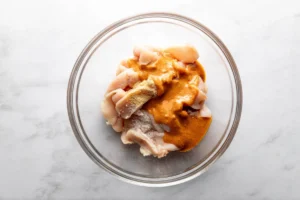
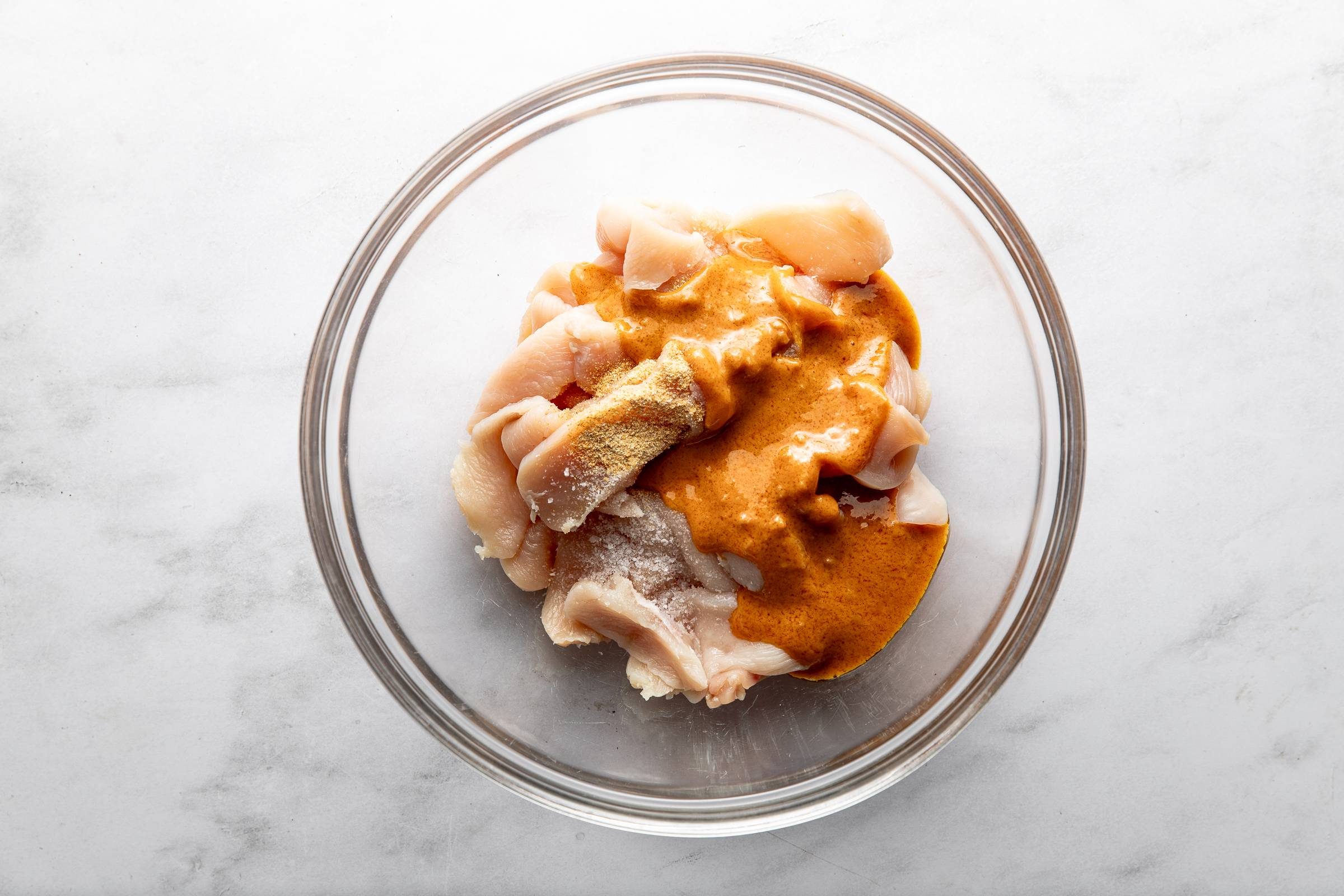
The preparation of this meal is characterized by its reliance on parallel processing—a method where multiple components are prepared simultaneously to reduce total active cooking time. The workflow typically begins with the marination of chicken, which requires minimal dwell time, allowing the cook to transition immediately to the preparation of the slaw.
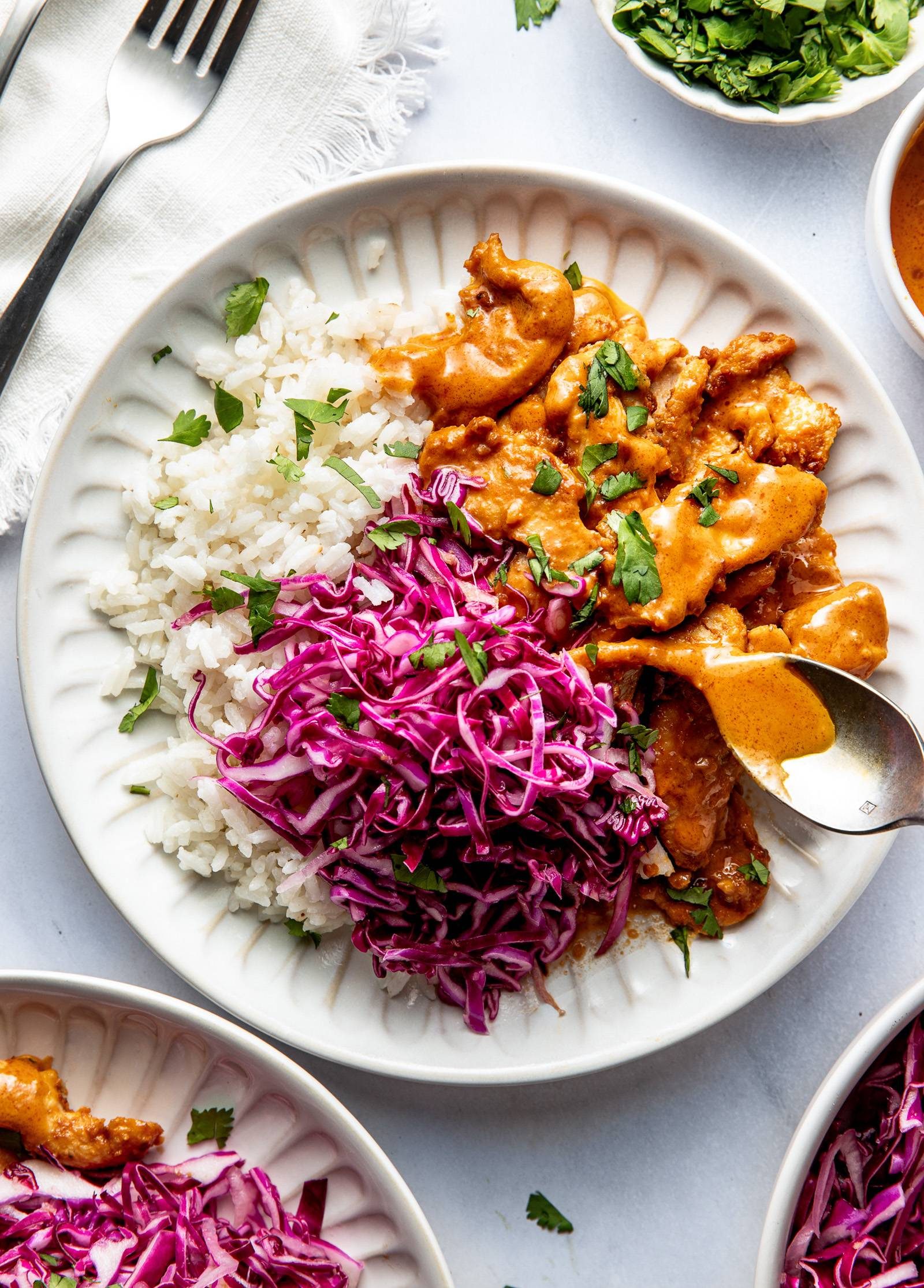
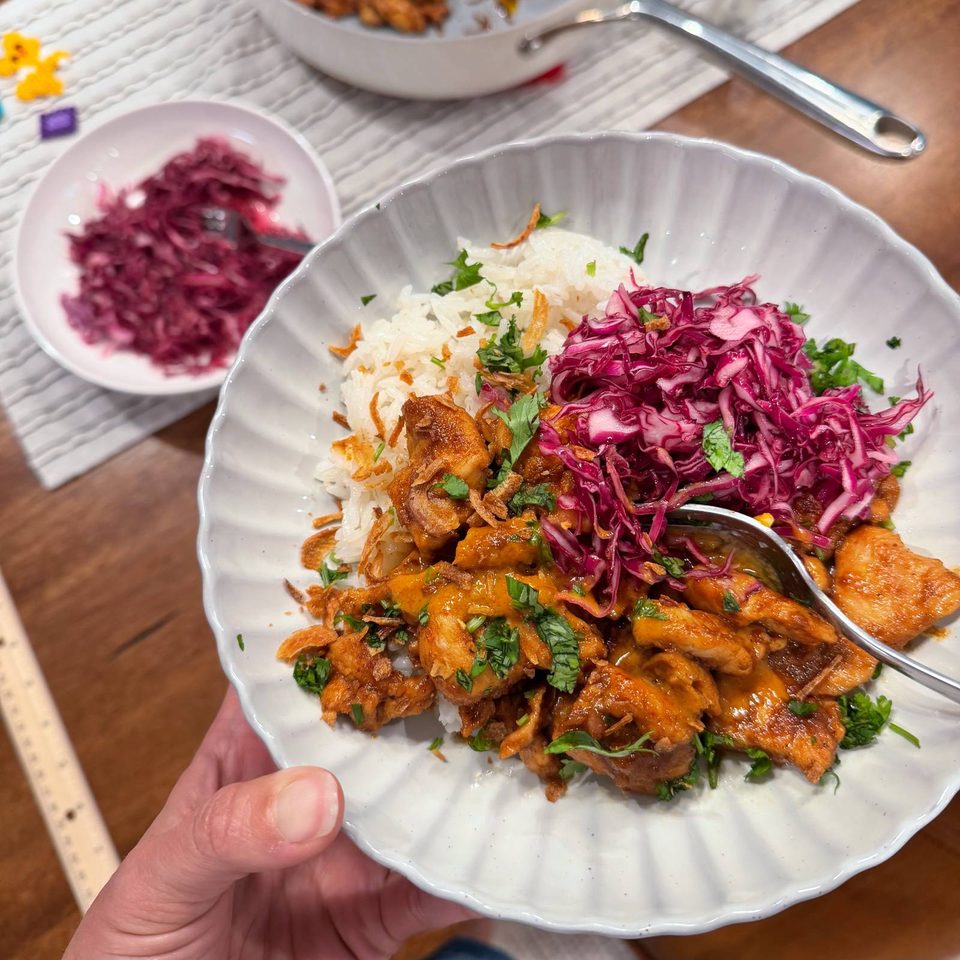
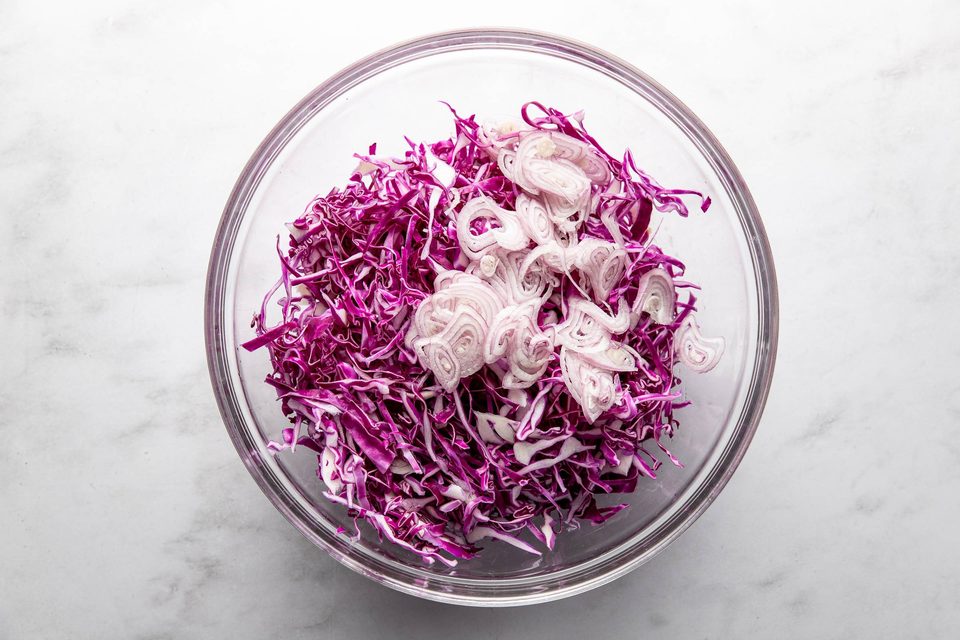
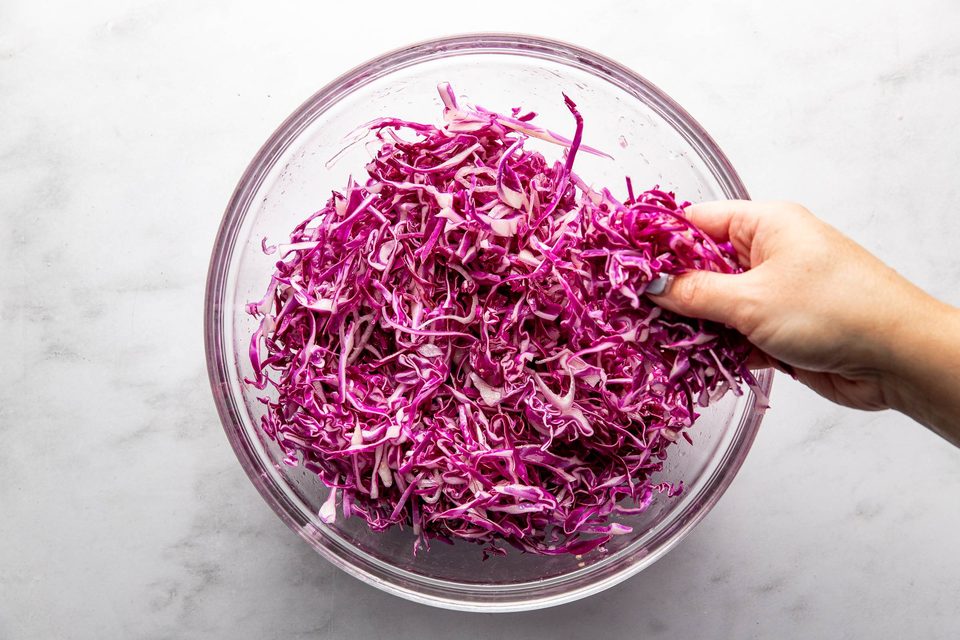
The slaw involves the mechanical shredding of cruciferous vegetables, such as cabbage and shallots, which are then tossed with a ginger-forward dressing. Following the preparation of the slaw, the chicken is cooked in a high-heat environment, such as a non-stick skillet or an air fryer, to achieve a Maillard reaction while retaining moisture. The final assembly involves layering the protein over coconut-infused rice, topped with the chilled, acidic slaw. This sequence is designed to be completed within a 30-to-40-minute window, a standard benchmark for modern "quick-prep" dinner trends.

Culinary Context and Flavor Profiles
The success of this dish lies in the juxtaposition of its flavor profiles. The richness of the peanut satay sauce, which is derived from legumes and coconut milk, provides a dense, savory foundation. This is contrasted by the ginger slaw, which serves a dual purpose: it provides essential texture and acidity to cut through the fat of the peanut sauce.
Data regarding consumer trends in home cooking suggest that "bright" or "zingy" flavors—often achieved through the use of fresh ginger, lime juice, and vinegar—are increasingly favored by demographics looking to replicate the sensory experience of takeout dining. The use of pre-made, high-quality peanut satay sauces, such as those popularized by retailers like Trader Joe’s, has been identified as a significant factor in the recipe’s widespread adoption. The commercial availability of these shelf-stable sauces allows consumers to bypass the time-intensive process of emulsifying peanuts, coconut milk, and spices from scratch.
Supporting Data on Meal Preparation Trends
According to recent market analysis on culinary habits, there has been a 15% increase in searches for "bowl-style" meals since 2020. This shift is attributed to the versatility and visual appeal of grain-based bowls. The Peanut Chicken with Ginger Slaw aligns with this trend by categorizing its components into distinct layers—base (rice), protein (chicken), and topping (slaw)—which appeals to the growing consumer preference for customizable, nutrient-dense, and aesthetically consistent meal formats.
Furthermore, the integration of tools such as mandolines for vegetable preparation highlights a growing trend toward "prosumer" kitchen equipment in residential settings. The use of professional-grade tools to achieve uniform vegetable cuts significantly improves the texture and consistency of raw salads, directly influencing the user’s perception of the meal’s quality.

Culinary Analysis and Expert Perspective
From a nutritional standpoint, the dish offers a balanced macronutrient profile, provided portion sizes are regulated. The inclusion of cabbage provides dietary fiber and Vitamin K, while the chicken offers a lean protein source. However, food scientists and nutritionists often point to the high caloric density of peanut-based sauces as a variable that requires attention. While the dish is perceived as "healthy" due to the inclusion of fresh vegetables, the sugar and sodium content in commercial satay sauces can vary, necessitating consumer vigilance.
Culinary instructors often cite this recipe as an excellent introduction to flavor balancing. By teaching home cooks to counteract rich, savory fats with high-acidity, aromatic components like ginger and lime, the recipe serves an educational function beyond simple sustenance. It demonstrates the fundamental principles of Thai-inspired cooking, where the interplay of sweet, salty, sour, and spicy elements is essential to the final product.
The Role of Commercial Convenience
The reliance on store-bought components is a critical component of the recipe’s popularity. As the pace of professional and personal life continues to accelerate, the "semi-homemade" approach—using a high-quality base sauce paired with fresh, raw ingredients—has become the preferred strategy for many. This model allows for the reduction of the "cooking threshold," the amount of time and effort required for an individual to justify cooking at home versus opting for delivery services.
Industry observers note that the recent formula change in commercial peanut sauces—moving from a thick, paste-like consistency to a more fluid, "drizzle-able" texture—has further lowered the barrier to entry for novice cooks. By eliminating the need for thinning or heating the sauce before application, manufacturers have effectively streamlined the plating process, making the dish more accessible to time-constrained individuals.
Broader Impact and Implications for Home Dining
The rise of such recipes signals a broader shift in how households approach dinner. There is a clear move away from complex, multi-stage cooking methods toward high-impact, low-effort assemblies. This shift has implications for grocery retail, with increased demand for "assembly-ready" fresh produce and high-quality, pre-made sauces that mimic restaurant-quality flavor profiles.
Moreover, the viral nature of such recipes on digital platforms highlights the importance of visual presentation in modern home cooking. Because the dish is aesthetically vibrant—featuring the deep purples of cabbage, the white of the coconut rice, and the golden-brown of the glazed chicken—it is highly conducive to social media sharing. This creates a feedback loop where the visual appeal of the meal drives further interest, leading to more individuals attempting to recreate the dish in their own kitchens.
Conclusion
Peanut Chicken with Ginger Slaw represents a sophisticated intersection of convenience, flavor, and nutritional awareness. By leveraging modern culinary shortcuts and adhering to the "bowl" format, it addresses the primary pain points of the modern home cook: time management, flavor satisfaction, and the desire for high-quality, fresh ingredients. As the culinary industry continues to evolve, the success of this recipe provides a blueprint for how home-cooked meals can effectively compete with the convenience of external food services while maintaining the health and cost benefits of residential meal preparation. Through the careful balancing of textures and flavors, this dish serves as a prime example of the evolution of domestic food culture in the 21st century.