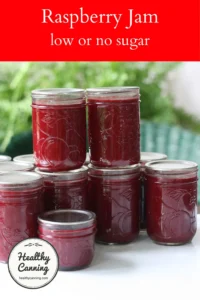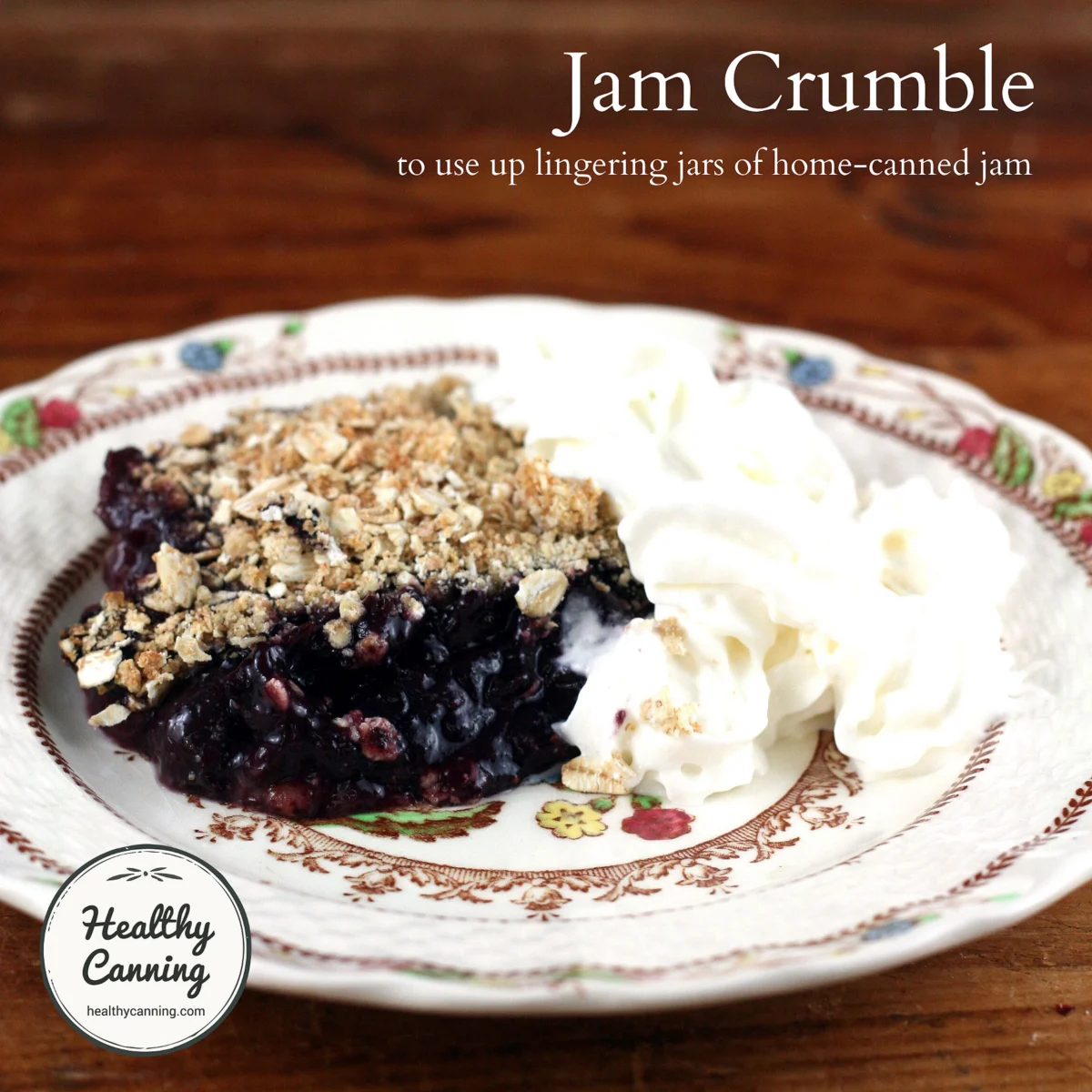

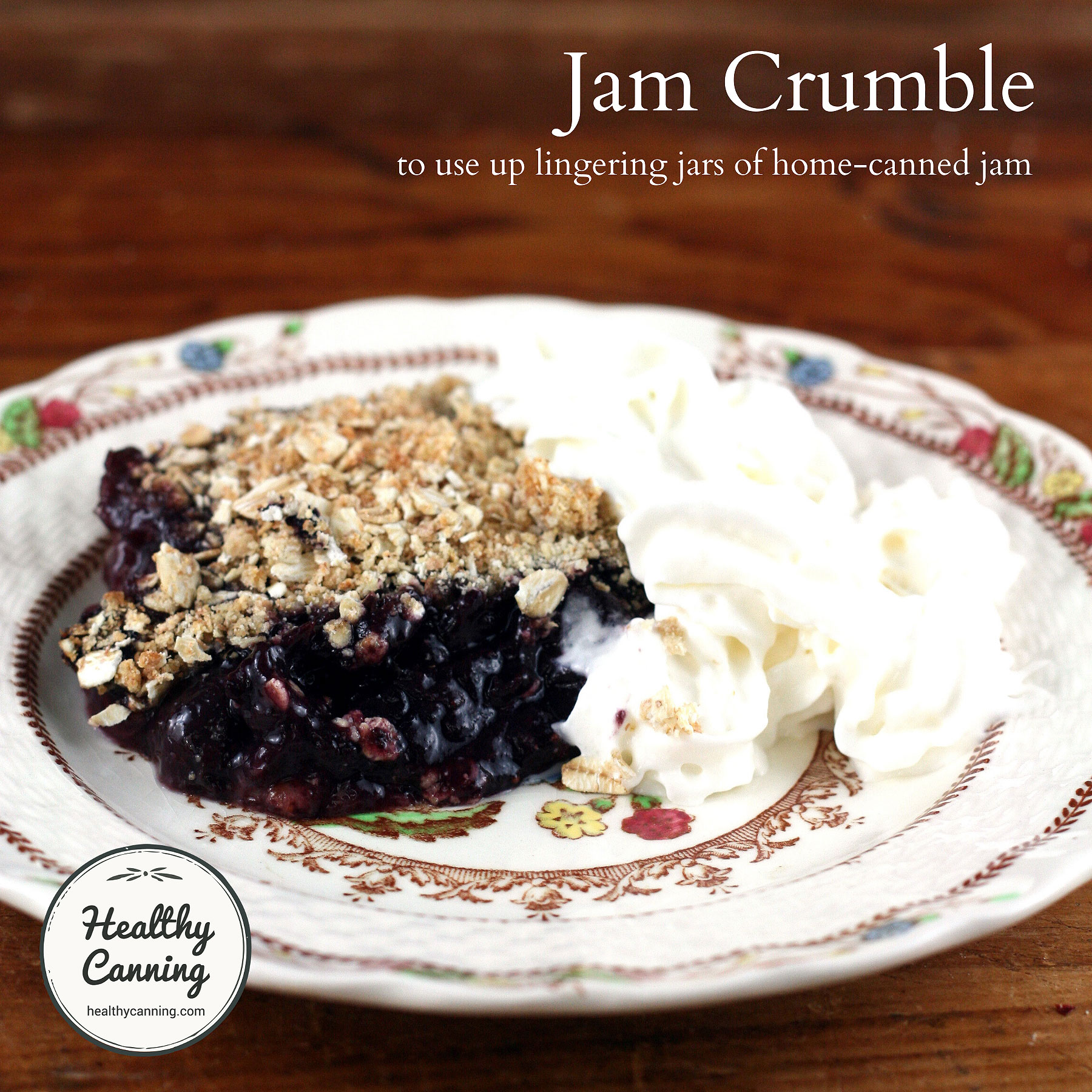
The Jam Crumble Revolution: Transforming Pantry Surplus into Sustainable Desserts has emerged as a cornerstone of the modern "zero-waste" culinary movement, offering a pragmatic solution to the common household dilemma of surplus preserves. As home canning saw a significant resurgence during the global supply chain disruptions of the early 2020s, many domestic pantries are now reaching a critical mass of aging fruit preserves. This culinary technique, which repurposes lingering jars of homemade jam into high-quality desserts, represents a shift toward resourceful home economics that prioritizes sustainability without compromising on gastronomic appeal. By utilizing basic pantry staples and a standard oven temperature of 175°C (350°F), individuals can transform forgotten inventory into a sophisticated six-serving dessert in under 45 minutes, effectively bridging the gap between food preservation and immediate consumption.
The Resurgence of Resourceful Baking
The concept of the jam crumble is rooted in the historical tradition of "makeshift" desserts, which gained prominence during periods of economic austerity. Culinary historians often point to the Second World War as the catalyst for the crumble’s popularity, as it required significantly less flour and butter than traditional pastry-heavy pies. In the contemporary context, the motivation has shifted from survival to sustainability. According to recent data on domestic food waste, a substantial percentage of home-preserved goods are discarded not because they have spoiled, but because they have been surpassed by newer batches or because consumer habits have shifted away from traditional breakfast spreads.
The jam crumble addresses this "pantry fatigue" by reimagining the preserve not as a condiment, but as a primary ingredient. Unlike fresh fruit crumbles, which require washing, peeling, and slicing, the jam-based version utilizes fruit that has already been macerated and concentrated. This results in a dessert with a more intense flavor profile and a consistent texture, qualities that are highly sought after in professional pastry kitchens but easily achievable in a home setting.

Technical Execution and Methodology
The process of creating a jam crumble is characterized by its efficiency and versatility. The foundational recipe requires approximately 500 ml (or two half-pint jars) of jam to serve as the base layer. This "concept-driven" approach allows for the layering of different flavor profiles—such as a tart raspberry base topped with a sweeter apricot layer—to create complex, multi-dimensional desserts that mimic the artisanal offerings of high-end bakeries.
The Topping Architecture
The crumble topping serves as the structural and textural counterpoint to the soft, heated fruit base. While many contemporary recipes suggest the use of oatmeal pancake mix as a convenient shortcut, the traditionalist approach involves a precise blend of:
- ½ cup rolled oats for fiber and texture
- 2 tablespoons of all-purpose flour for binding
- 1 tablespoon of sugar (adjustable based on the sweetness of the jam)
- A pinch of salt to enhance flavor
- 2 tablespoons of cold, unsalted butter
The methodology involves rubbing the butter into the dry ingredients until a coarse, sand-like texture is achieved. Culinary experts recommend tripling or quadrupling these batches to store in airtight containers within the freezer. This "pre-emptive preparation" allows for the assembly of a dessert in less than ten minutes, catering to the modern demand for "instant" home-cooked meals.
A Chronology of the Preservation Cycle
To understand the current relevance of the jam crumble, one must examine the timeline of the "Preservation Peak" and its subsequent impact on modern kitchens:
- The 2020-2021 Surge: Following global lockdowns, interest in home canning and self-sufficiency spiked by over 300% in some regions. This led to a massive influx of "first-time canners" producing large quantities of jams and jellies.
- The 2022-2023 Plateau: As social restrictions eased and commercial supply chains stabilized, the frequency of "jam consumption" (primarily on toast or in sandwiches) decreased, leading to a surplus of jars in storage.
- The 2024 Repurposing Movement: Current culinary trends emphasize "pantry raiding"—the practice of using existing stock to create new meals. The jam crumble has become the flagship recipe for this movement, recognized for its ability to clear shelf space while providing a high-value output.
Supporting Data on Food Waste and Sustainability
The environmental implications of repurposing preserves are significant. The Food and Agriculture Organization (FAO) of the United Nations estimates that roughly one-third of all food produced for human consumption is lost or wasted. While fresh produce is the most frequently discarded category, processed goods like jams represent a "hidden waste" because of the energy and resources—sugar, glass packaging, and heat processing—already invested in their creation.
By converting a 500 ml jar of jam into a crumble, a household effectively reclaims approximately 1.5 to 2 pounds of fruit that might otherwise have been discarded. Furthermore, the use of oats in the topping adds a nutritional component often missing from traditional desserts. Oats provide beta-glucan, a type of soluble fiber linked to improved heart health, making the jam crumble a more nutritionally dense option than standard cakes or cookies.
Nutritional Analysis and Dietary Adaptability
One of the primary advantages of the jam crumble is its adaptability to various dietary requirements. Nutritionists note that because the recipe is a "concept" rather than a rigid formula, it can be easily modified for health-conscious consumers.
- Weight Management: Using low-sugar or sugar-free preserves can significantly reduce the caloric density of the dish. When paired with a light topping and served in controlled portions, it aligns with programs such as Weight Watchers.
- Gluten-Free Options: By substituting all-purpose flour with almond flour or a gluten-free blend, the recipe becomes accessible to those with celiac disease or gluten sensitivities.
- Vegan Substitutions: The butter in the crumble topping can be replaced with coconut oil or vegan margarine without compromising the essential "crunch" of the final product.
Industry Responses and Expert Perspectives
The culinary industry has largely embraced the "pantry-to-table" ethos. Professional chefs often use similar techniques to manage inventory and reduce food costs. "The jam crumble is a masterclass in flavor concentration," says one industry analyst. "You are essentially taking a product that has already undergone a reduction process and using it to provide the moisture and sweetness for a baked good. It’s an incredibly efficient use of ingredients."
Sustainability advocates also praise the method for its psychological impact on consumers. The act of "rescuing" a jar of jam and turning it into a celebratory dessert fosters a sense of culinary agency and reduces the guilt associated with food waste. This "positive reinforcement" model is seen as more effective in changing long-term consumer behavior than traditional "shame-based" waste reduction campaigns.
Broader Implications for the Future of Home Cooking
The rise of the jam crumble signals a broader shift in how society views "leftovers" and pantry staples. In an era of rising grocery costs and increased environmental awareness, the ability to create "something from nothing" is becoming a highly valued skill.
As we look toward the future, the jam crumble serves as a template for other pantry-based innovations. It encourages home cooks to look at their storage shelves not as a graveyard of past projects, but as a library of ingredients waiting for a second life. The success of this simple dessert proves that professional-quality results do not always require fresh-from-the-market ingredients; sometimes, the best flavors are those that have been waiting patiently in a jar on the back of the shelf.
Ultimately, the Jam Crumble Revolution is about more than just dessert. It is a testament to human ingenuity and the enduring appeal of the "crumble" format—a dish that remains as relevant today as it was during the rationing eras of the past, proving that good food is, above all else, resourceful. Through the simple act of preheating an oven to 175°C and reaching for a forgotten jar of jam, home cooks are participating in a global movement toward a more sustainable and delicious future.