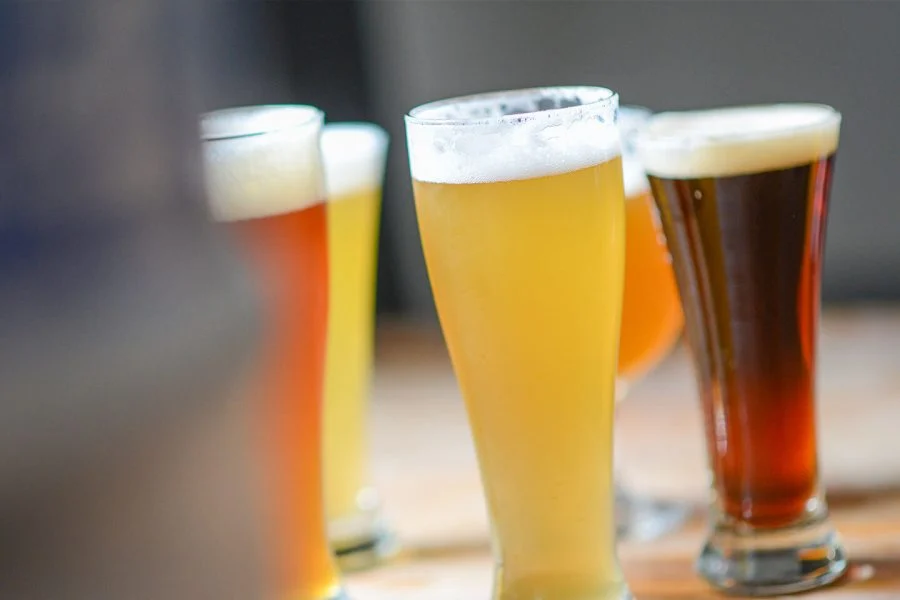

In the competitive world of amateur brewing, precision, patience, and a deep understanding of traditional styles separate the good from the exceptional. Rising to the absolute pinnacle of this craft, Preston Booth of Easley, South Carolina, has captured a gold medal in Category 15: Irish and British Stout at the final round of the 2026 National Homebrew Competition. Representing the local brewing community as a proud member of South Carolina Upstate Brewers Anonymous (SCUBA), Booth navigated a rigorous, multi-tiered judging process to claim top honors in one of the competition’s most historically revered and technically demanding categories.
Booth’s triumph was no small feat. His winning stout emerged victorious from an initial pool of 102 intensely scrutinized entries, each evaluated by some of the most discerning palates in the brewing industry. The National Homebrew Competition, organized annually by the American Homebrewers Association (AHA), stands as the world’s largest international amateur brewing competition. Every year, thousands of hopeful participants send in their best creations, hoping to secure recognition on a national stage. Booth’s gold-medal-winning brew exemplifies the dedication required to master classic styles, balancing roasted malt undertones, complex fermentations, and traditional hop profiles to satisfy the exacting standards of certified beer judges.
The Anatomy of the National Homebrew Competition
To fully appreciate the magnitude of Booth’s accomplishment, one must examine the exhaustive structure of the National Homebrew Competition. The event functions as the ultimate testing ground for amateur brewers across North America and beyond. It operates on a two-tier system designed to filter thousands of submissions down to the absolute finest examples of the brewer’s art.
The journey to the podium begins at the first-round level, held at various regional sites across the country. During this initial phase, local judges evaluate entries based on the Beer Judge Certification Program (BJCP) style guidelines. Beers are meticulously scored on aroma, appearance, flavor, mouthfeel, and overall impression. Only the top-scoring entries in each category from the regional rounds advance to the final round, where they face a national panel of master judges, grand master judges, and industry professionals.
Category 15, encompassing Irish and British Stouts, demands absolute technical perfection. Brewers entering this category must carefully navigate styles that range from dry Irish stouts—known for their coffee-like roasted barley character and light, crisp body—to sweeter, more robust British oatmeal or milk stouts that offer chocolate notes and a fuller mouthfeel. Achieving harmony within these parameters leaves no room for fermentation flaws or imbalances in ingredients. For Booth’s stout to rise above 101 other elite entries, it had to demonstrate flawless execution, exceptional clarity of style, and a remarkable sensory profile that resonated with the final round judging panel.
Background Context and the Rise of Regional Clubs
Booth’s success highlights the vital role that local homebrewing clubs play in fostering excellence within the craft. As a member of South Carolina Upstate Brewers Anonymous (SCUBA), Booth benefits from a collaborative environment where recipes are shared, constructive feedback is regularly given, and brewing techniques are continuously refined.

Amateur brewing clubs have served as the intellectual incubators for the modern craft beer revolution. Many professional commercial brewers trace their origins back to local clubs like SCUBA, where collective knowledge helps novices transition into master brewers. In recent years, South Carolina’s craft beverage scene has experienced exponential growth, driven by passionate hobbyists and micro-entrepreneurs who cut their teeth in home kitchens, garages, and makeshift backyard breweries. Booth’s gold medal reinforces the Upstate region’s growing reputation as a hub for exceptional brewing talent, proving that world-class beer can emerge just as easily from a suburban garage in Easley as it can from a state-of-the-art commercial facility.
Chronology of the 2026 Competition Season
The path to the 2026 National Homebrew Competition podium is a year-round endeavor that requires meticulous planning, precise timing, and careful recipe scaling. While the final round awards are announced during the peak of the competition season, the timeline stretches back many months:
- Late Autumn to Winter: Brewers across the country begin formulating, testing, and tweaking their recipes. For a complex style like an Irish or British Stout, sourcing the correct malts—such as pale ale malt, flaked barley, and roasted black patent or chocolate malt—requires careful supply chain management.
- Early Spring: Registration for the National Homebrew Competition opens. Brewers bottle or keg their entries, ensuring proper carbonation and packaging stability to withstand transit to regional evaluation sites.
- Late Spring (First-Round Judging): Thousands of entries are received and sorted at regional competition centers. Certified judges spend weeks evaluating beers against BJCP guidelines, narrowing the field significantly.
- Early Summer (Final Round): The surviving entries advance to the final round judging panel. Here, top-tier judges convene to award gold, silver, and bronze medals across dozens of distinct categories.
- Peak Announcement: Winners are formally announced, elevating successful participants to national recognition and adding their winning formulas to the pantheon of celebrated amateur recipes.
Official Reactions and Industry Implications
While individual statements from Booth following his win remain modest, the broader reactions from the homebrewing community and local clubs have been overwhelmingly celebratory. Representatives from South Carolina Upstate Brewers Anonymous have emphasized that victories of this caliber serve as powerful inspiration for new members and validate the rigorous peer-review process practiced within club meetings.
From an industry perspective, results from the National Homebrew Competition often foreshadow broader consumer trends in commercial craft beer. As consumers increasingly seek out authentic, traditional styles alongside modern innovations, the meticulous revival of classic British and Irish stouts by homebrewers like Booth points to a sustained appreciation for historical brewing traditions. Furthermore, success in such a competitive arena often opens doors for amateur brewers who wish to turn their hobby into a professional career, whether through commercial nano-breweries, taproom startups, or professional brewing partnerships.
Broader Impact on the Amateur Brewing Landscape
The American Homevers Association continues to champion the hobby through educational resources, validated recipes, and community platforms. For enthusiasts looking to replicate Booth’s success, organizations like the AHA provide access to extensive databases of medal-winning recipes, technical guides on water chemistry, and troubleshooting manuals for common fermentation challenges.
As the craft beer market matures, the barrier to entry for commercial production remains high, making competitions like this one the premier validation for skill and creativity. Preston Booth’s gold medal in Category 15 serves as a testament to the dedication required to master traditional brewing arts. By standing out among 102 elite entries, Booth has not only cemented his personal legacy within the amateur brewing community but has also put South Carolina’s homebrewing talent firmly in the national spotlight.