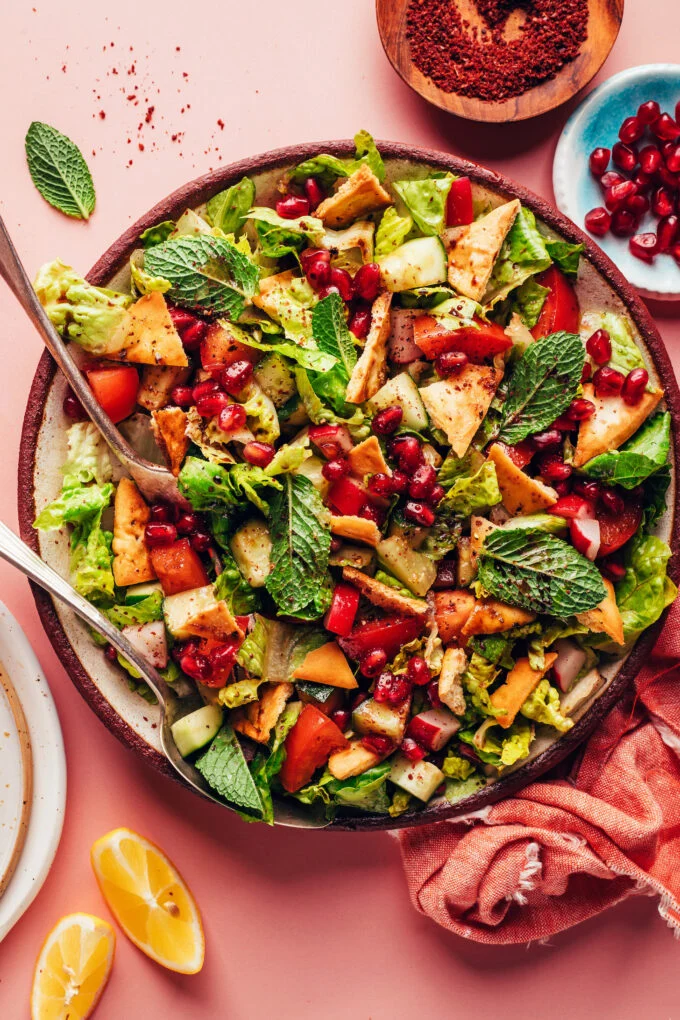

The culinary landscape of the 21st century has seen a significant shift toward the integration of traditional Levantine flavors into mainstream Western diets, with the Fattoush salad emerging as a primary example of this cross-cultural exchange. Historically rooted in the agricultural heartlands of the Eastern Mediterranean, Fattoush is more than a mere side dish; it is a testament to the resourcefulness of Levantine farmers and the enduring appeal of the Mediterranean diet. A modern adaptation of this classic, characterized by its "one-bowl" preparation method and a twenty-minute assembly time, highlights a growing consumer demand for efficiency without compromising nutritional integrity or authentic flavor profiles.
Historical and Cultural Context of the Levantine Bread Salad
Fattoush belongs to a family of dishes known in Arabic as fattat (plural of fatta), which translates roughly to "crushed" or "crumbs." This category of food historically focused on the creative repurposing of stale flatbread, ensuring that no sustenance went to waste in rural households. Alongside other regional staples like Tabouli, Fattoush represents the "garden salad" of the Levant, which includes modern-day Lebanon, Syria, Jordan, Palestine, and parts of Turkey and Iraq.
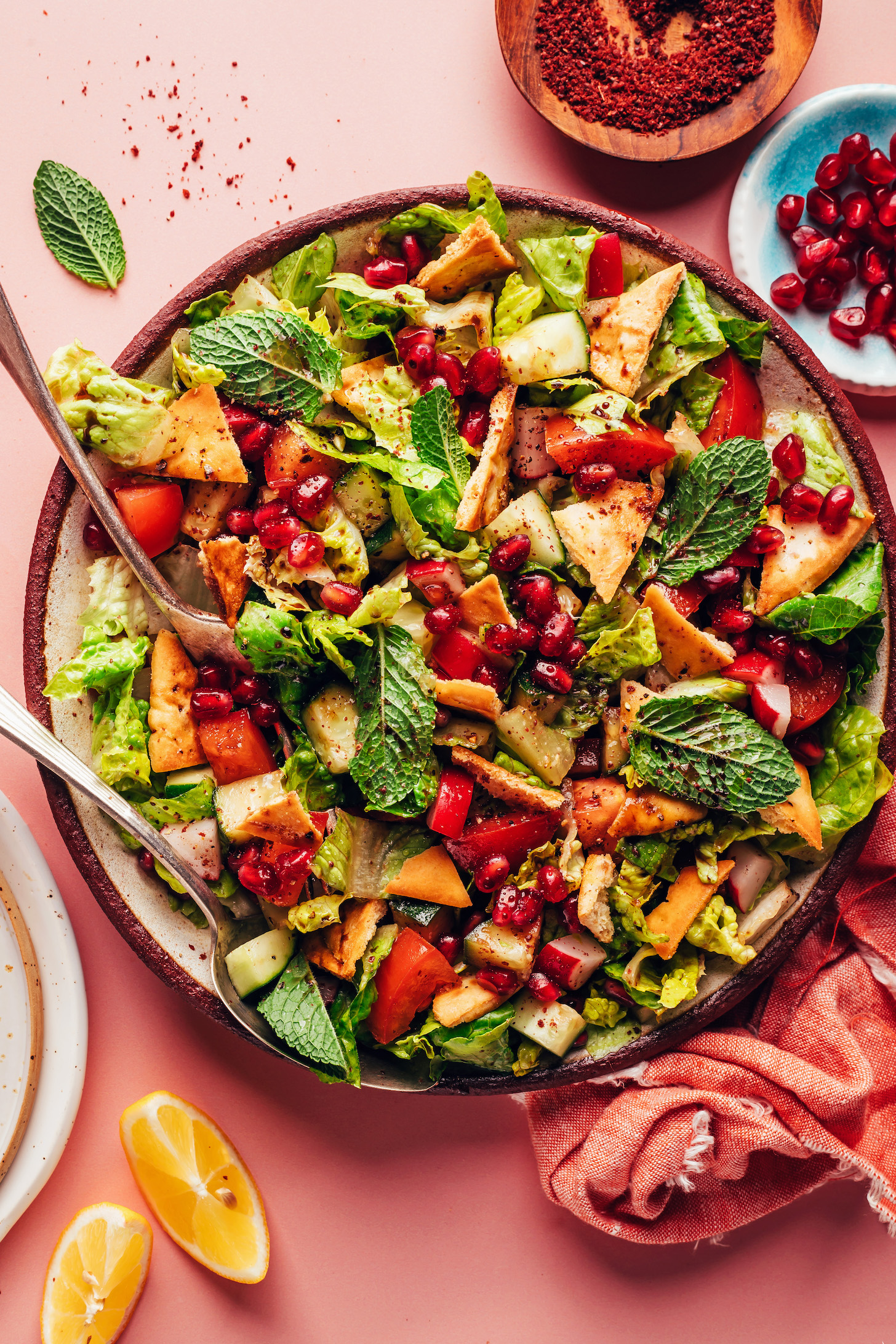
Unlike Tabouli, which centers on parsley and bulgur, Fattoush is defined by its use of toasted or fried pita bread and a distinctively tart dressing. The traditional inclusion of seasonal greens and vegetables reflects the biodiversity of the Mediterranean basin. In its modern, weeknight-friendly iteration, the dish maintains its core identity through the use of romaine lettuce, cucumbers, radishes, and tomatoes, while streamlining the process for contemporary kitchens.
The Anatomy of the Modernized Fattoush Recipe
The simplified "one-bowl" approach to Fattoush is designed to minimize cleanup and preparation time, addressing the "time poverty" often cited by modern home cooks. The process begins with a foundation of romaine lettuce, selected for its high water content and structural rigidity, which allows it to withstand the acidic dressing without immediately wilting.
Essential Vegetable Components
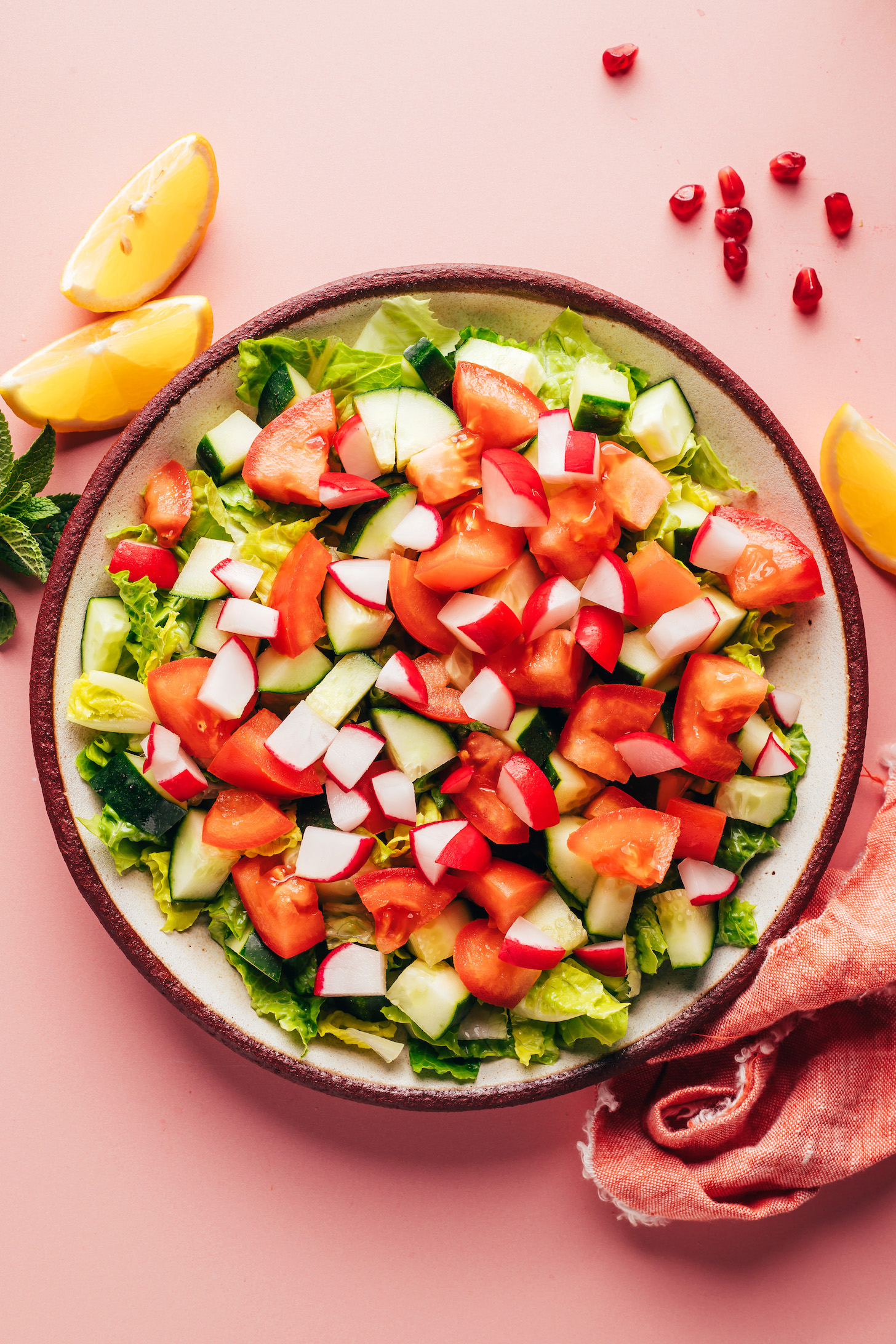
The vegetable medley serves as the textural heart of the salad. Key inclusions include:
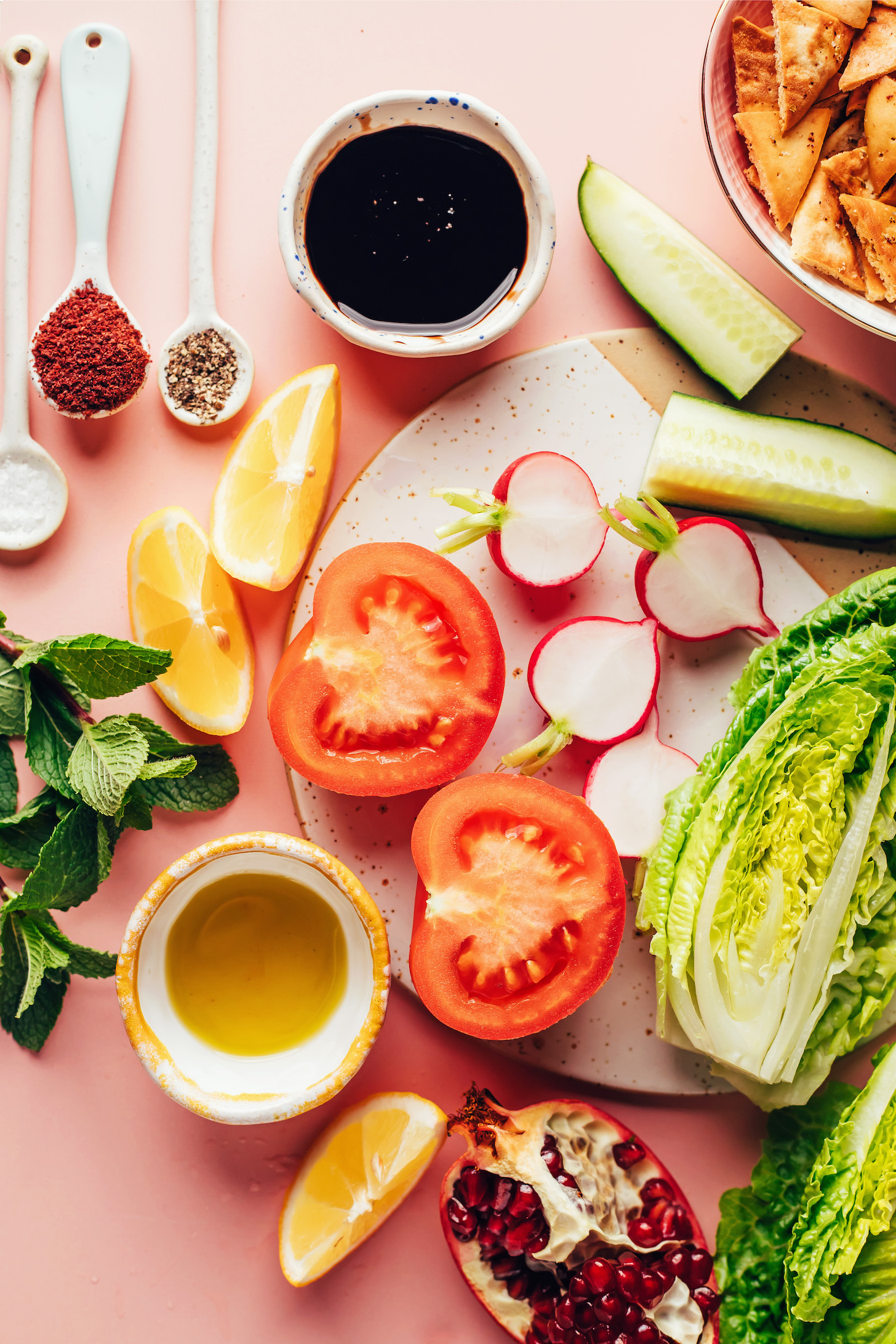
- Cucumbers: Ideally Persian or Lebanese varieties, which offer a thinner skin and more concentrated flavor than the larger English or field cucumbers.
- Tomatoes: These provide the essential "umami" and moisture, acting as a natural counterpoint to the dry pita chips.
- Radishes: A critical element for providing a peppery bite and a sharp, crunchy contrast to the softer greens.
The Role of Sumac and Pomegranate Molasses
The defining characteristics of Fattoush are its sour and tangy notes, achieved through two specific ingredients: sumac and pomegranate molasses. Sumac is a spice derived from the dried and ground berries of the Rhus coriaria shrub. It has been used for centuries in Middle Eastern medicine and cookery as a souring agent, long before lemons were widely available in the region.
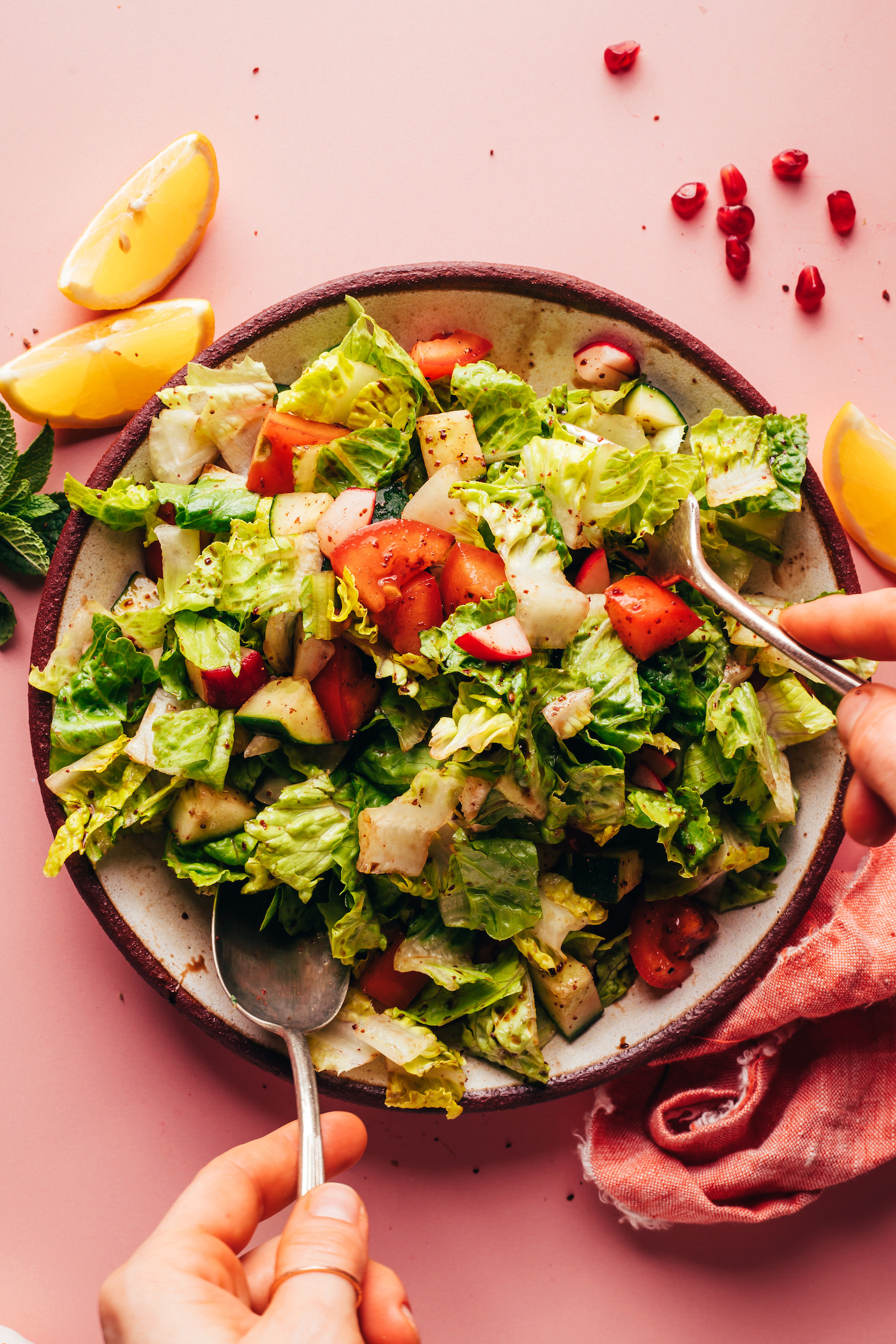
Pomegranate molasses, a thick syrup produced by reducing pomegranate juice, adds a complex layer of tartness and a subtle, dark sweetness. In the modernized version of the recipe, these ingredients are tossed directly into the bowl with lemon juice and olive oil, bypassing the need for a separate emulsification vessel. This reflects a broader trend in culinary arts toward "rustic" assembly, where the interaction of ingredients occurs organically during the tossing process.
Chronology of Preparation and Assembly
The evolution of the "20-minute" Fattoush highlights a streamlined timeline that favors the use of high-quality pre-made components, such as store-bought pita chips, while offering a path for traditionalists to create their own.
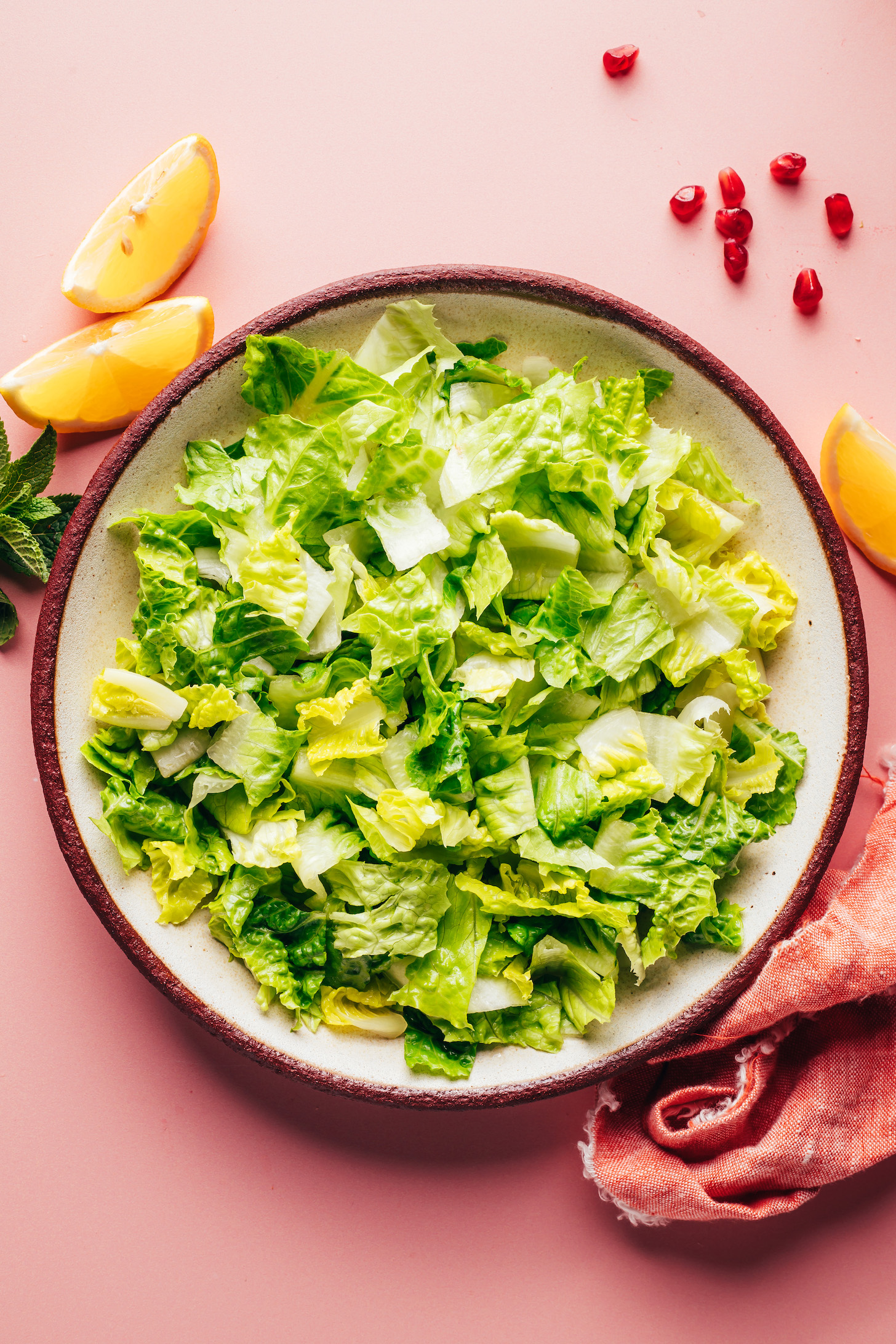
- Base Preparation (0-5 Minutes): The chopping of romaine lettuce and the dicing of primary vegetables (cucumber, tomato, radish).
- Dressing Integration (5-10 Minutes): The direct application of lemon juice, pomegranate molasses, sumac, salt, and pepper. The addition of olive oil and optional maple syrup serves to balance the high acidity levels.
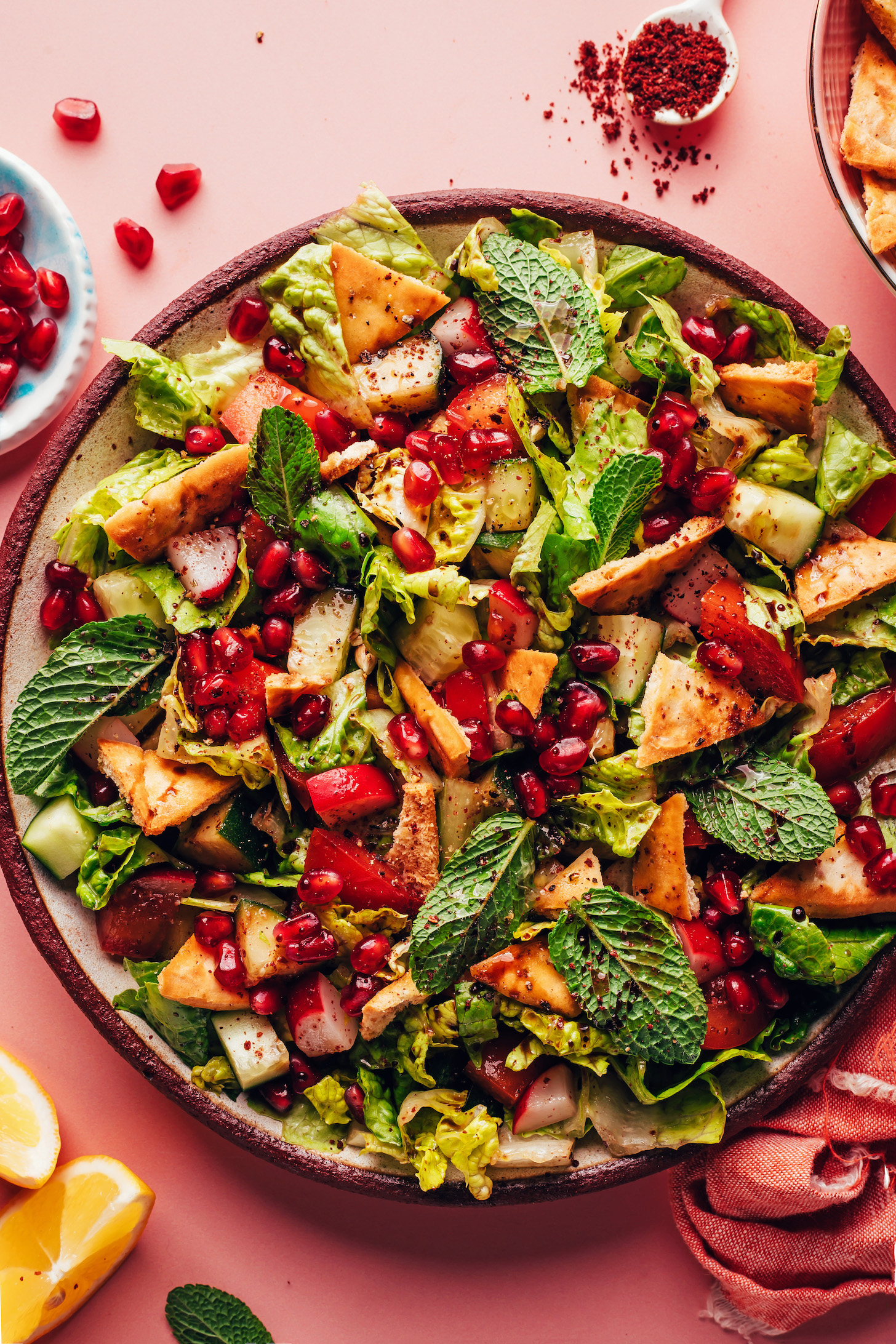
- Herbal and Textural Accents (10-15 Minutes): The introduction of fresh mint leaves. In professional culinary applications, keeping the mint leaves whole is often preferred to prevent bruising and to provide "bursts" of cooling flavor.
- Final Assembly (15-20 Minutes): The addition of pita chips and pomegranate arils. The arils (seeds) provide a visual "jeweled" effect and a textural "pop" that elevates the dish from a simple salad to a complex culinary experience.
Nutritional Analysis and Health Implications
The Fattoush salad is a hallmark of the Mediterranean diet, which is consistently ranked by health organizations as one of the most beneficial eating patterns for longevity and cardiovascular health.
Macronutrient Profile
Based on a standard serving size, the salad is relatively low in calories (approximately 127 calories per side serving) while being rich in dietary fiber. The use of olive oil provides monounsaturated fats, which are essential for heart health and the absorption of fat-soluble vitamins found in the vegetables.
Antioxidant Properties
The inclusion of sumac and pomegranate arils significantly boosts the antioxidant capacity of the dish. Sumac is known for its high concentration of vitamin C and polyphenols. Research suggests that these compounds may aid in reducing inflammation and managing blood sugar levels. Similarly, pomegranates are rich in punicalagins and punicic acid, which have been studied for their potential roles in reducing oxidative stress.
Market Trends and the Rise of "One-Bowl" Culinary Culture
The popularity of the "Easy Fattoush" recipe mirrors a larger shift in the global food market. According to recent consumer insight reports, the "Middle Eastern-inspired" food category has seen a 15-20% growth in retail interest over the past five years. This is driven by a consumer base that is increasingly looking for plant-based, vegan-friendly options that do not sacrifice flavor.
The "one-bowl" movement is a logistical response to the busy lifestyles of urban populations. By reducing the number of tools required (traditionally a whisk, a dressing jar, and multiple prep bowls), the recipe lowers the barrier to entry for healthy eating. Furthermore, the inclusion of gluten-free options—such as using grain-free pita chips or crackers—reflects the food industry’s adaptation to dietary sensitivities, making traditional Levantine flavors accessible to a wider demographic.
Institutional and Expert Reactions
Culinary experts and nutritionists have generally lauded the simplification of traditional recipes, provided the "soul" of the dish remains intact. "The key to a successful Fattoush isn’t the complexity of the technique, but the freshness of the produce and the specific balance of the acid," notes a culinary analyst specializing in Mediterranean cuisines. "By focusing on sumac and pomegranate molasses, this 20-minute version respects the heritage of the Levant while acknowledging the realities of the modern kitchen."
Furthermore, the "Minimalist Baker" philosophy, which emphasizes ten ingredients or fewer, one bowl, or thirty minutes or less of preparation, has become a benchmark for digital-age recipe development. This approach has been credited with democratizing international cuisines, allowing home cooks who may be intimidated by complex ethnic recipes to experiment with global flavors.
Broader Implications for Global Gastronomy
The proliferation of easy-to-make Fattoush recipes suggests a permanent place for Levantine cuisine in the global "quick-meal" rotation. As climate change and economic factors influence agricultural yields, the "bread salad" philosophy—using what is available and repurposing leftovers—remains a sustainable model for food consumption.
The versatility of the dish also allows for regional customization. While the "Easy Fattoush" suggests the addition of chickpeas for protein, other variations globally have seen the inclusion of feta cheese, grilled halloumi, or even roasted peppers. This adaptability ensures that the Fattoush salad will continue to evolve, bridging the gap between ancient tradition and modern convenience.
In conclusion, the 20-minute, one-bowl Fattoush salad represents a successful intersection of historical culinary wisdom and contemporary lifestyle needs. It serves as a reminder that healthy, flavorful, and culturally rich food does not necessarily require hours of labor, but rather an understanding of key ingredients and a commitment to fresh, seasonal produce. As consumers continue to prioritize health and efficiency, the Fattoush salad stands as a premier example of how traditional dishes can be reimagined for a new generation.