
The landscape of the American beverage industry is undergoing a seismic shift as health consciousness converges with a demand for indulgent, customizable experiences. Heartland Food Products Group, the parent company of Splenda, has officially launched a comprehensive zero-sugar "dirty soda" solution tailored specifically for foodservice operators. This strategic move comes at a time when consumer data indicates a massive pivot away from traditional sugar consumption, paired with an explosive interest in the "dirty soda" beverage category. By leveraging its position as the market leader in the zero-sugar sweetener space, Splenda is providing restaurant owners and beverage directors with the tools necessary to capitalize on these dual trends through its specialized line of creamers and syrups.
The Rise of the Dirty Soda Phenomenon
To understand the significance of Splenda’s latest initiative, one must examine the rapid ascent of the "dirty soda." Originating in Utah in the early 2010s—largely driven by a demographic that avoids alcohol and hot caffeinated beverages but enjoys social drinking experiences—the dirty soda typically consists of a carbonated base mixed with cream, flavored syrups, and fresh lime. While the trend remained a regional specialty for years, it gained national momentum in 2022 and 2023, fueled by viral social media trends on platforms like TikTok and Instagram.
According to recent industry data from Datassential, mentions of dirty sodas on restaurant menus have increased by a staggering 98 percent in just the past year. This growth is not limited to specialized soda shops; major national chains and independent cafes are increasingly incorporating these customizable drinks to drive afternoon traffic and increase average check sizes. However, the traditional dirty soda is often criticized for its high caloric and sugar content, frequently exceeding the daily recommended intake in a single serving. Splenda’s introduction of a zero-sugar alternative addresses this specific barrier to entry for health-conscious consumers.
Analyzing Consumer Behavior: The Shift Toward Sugar Avoidance
The impetus for Splenda’s new foodservice solution is rooted in a fundamental change in how the public views sugar. A 2024 IFEC Consumer Study reveals that 77 percent of consumers are now actively avoiding sugar in their diets. This trend is driven by a variety of factors, including the rising prevalence of metabolic health concerns, the popularity of ketogenic and low-carb lifestyles, and the increasing use of GLP-1 weight-loss medications, which often lead to a decreased preference for overly sweet or high-calorie foods.
Despite this avoidance of sugar, the demand for "permissible indulgence" remains high. Consumers are not looking to give up treats entirely; rather, they are seeking "better-for-you" versions of their favorite indulgences. By combining Splenda Creamers and Syrups with diet soft drinks, foodservice operators can offer a product that replicates the mouthfeel and flavor profile of a traditional dirty soda without the associated sugar and calories. This allows restaurants to cater to the 77 percent of the population that is monitoring sugar intake while still participating in one of the fastest-growing beverage trends in the industry.
Technical Specifications and Product Integration
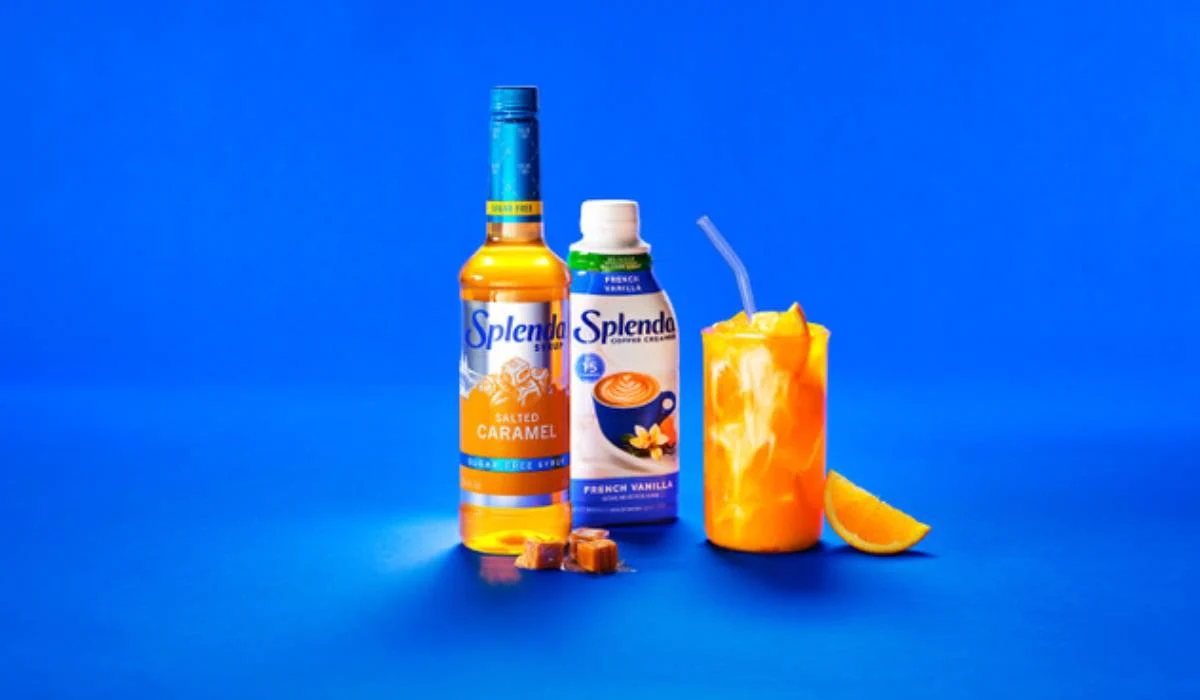
The Splenda zero-sugar dirty soda solution is built around three core components: diet carbonated bases, Splenda Syrups, and Splenda Creamers. Unlike traditional dairy or high-sugar creamers, Splenda’s offerings are formulated to blend seamlessly with carbonated liquids without curdling or losing their flavor integrity.
- Splenda Syrups: These are designed to provide high-intensity flavor without the glycemic impact of corn syrup or cane sugar. Available in various profiles—from fruit-forward to classic vanilla and caramel—they allow for endless customization.
- Splenda Creamers: These shelf-stable creamers provide the essential richness that defines a "dirty" soda. They are formulated to be low-calorie and zero-sugar, filling a gap in the market for foodservice-grade, sugar-free dairy alternatives.
- Operational Ease: For foodservice operators, the solution is designed for high-volume environments. The products are packaged for ease of use in back-of-house operations, ensuring consistency in every pour.
By providing these components, Heartland Away From Home (the professional division of Heartland Food Products Group) is simplifying the supply chain for operators who want to enter the specialty beverage market without investing in complex new equipment or extensive staff training.
A Chronology of Innovation: Splenda’s Market Evolution
The launch of the zero-sugar dirty soda solution is the latest chapter in a long history of market leadership for the Splenda brand.
- 1976: Sucralose, the primary sweetening ingredient in Splenda, is discovered.
- 1998: The FDA approves sucralose for use in various food and beverage categories.
- Early 2000s: Splenda becomes a household name, quickly rising to become the top-selling sugar substitute in the United States.
- 2015: Heartland Food Products Group acquires the Splenda brand from McNeil Nutritionals, a subsidiary of Johnson & Johnson, with the goal of expanding the brand into new categories beyond yellow packets.
- 2020–2023: Splenda expands its portfolio to include liquid water enhancers, diabetes-specific shakes, and a wide array of coffee creamers.
- 2024: Recognizing the 98 percent growth in dirty soda menu mentions, Heartland pivots to provide a dedicated B2B solution for the foodservice industry.
- 2025–2026 Projections: A 2025 Brand Power Study identifies Splenda as the undisputed market leader in zero-sugar sweeteners, positioning the company to dominate the sugar-free beverage additive market through 2026 and beyond.
Economic Implications for Foodservice Operators
For restaurant owners, the introduction of zero-sugar dirty sodas represents a significant opportunity for margin expansion. Soft drinks have historically been one of the most profitable items on a restaurant menu. By offering a "dirty" upgrade—charging a premium for the addition of Splenda Syrups and Creamers—operators can significantly increase the profit margin on a standard fountain drink.
Furthermore, the "dirty soda" serves as an ideal "snack-period" item. Many restaurants struggle with low traffic between the lunch and dinner rushes. Because dirty sodas are often viewed as a treat or a mid-afternoon pick-me-up, they encourage off-peak visits. When these drinks are marketed as zero-sugar, they appeal to a wider demographic, including those who might otherwise skip a sugary snack due to dietary restrictions.
Industry analysts suggest that the "customization" aspect of the dirty soda trend is also a key driver of Gen Z and Millennial loyalty. These demographics value the ability to tailor their food and drink to their specific tastes and health goals. A menu that offers "Build Your Own Zero-Sugar Dirty Soda" provides the interactive experience these consumers crave.
Expert Analysis and Industry Reaction
Market experts view Heartland’s move as a calculated response to the "de-sugaring" of the American palate. "The beverage category is currently the primary engine of innovation in foodservice," says one industry consultant. "We are seeing a move away from alcohol in younger demographics, but a move toward complex, layered non-alcoholic drinks. Splenda is effectively bridging the gap between the health-conscious consumer and the consumer who wants a social, Instagrammable beverage."
While Heartland has not released specific sales targets, the 2025 Brand Power Study suggests that Splenda’s brand equity is a powerful tool for operators. Consumers are more likely to try a sugar-free option if it features a brand they recognize and trust. By prominently featuring Splenda branding on menus, operators can alleviate "flavor anxiety"—the fear that a sugar-free product will have a chemical aftertaste.
Implementation and Availability
To facilitate the adoption of this new beverage program, Heartland Away From Home has launched a sampling initiative. Foodservice operators are encouraged to request free samples via the company’s dedicated portal to test the compatibility of Splenda Creamers and Syrups with their existing beverage programs. This "low-risk" entry point is expected to lead to widespread adoption across various segments, from quick-service restaurants (QSR) to full-service dining and hospitality.
The initiative also includes marketing support, helping operators understand how to describe these beverages on menus to maximize appeal. Suggestions include focusing on the "zero sugar" and "creamy" attributes, which are currently high-performing keywords in digital ordering apps.
Future Outlook: The 2026 Horizon
Looking ahead to 2026, the trend of beverage customization shows no signs of slowing down. As more consumers adopt long-term health strategies that exclude processed sugars, the demand for high-quality alternatives will only intensify. Splenda’s early move into the dirty soda space positions it as a foundational partner for the next generation of beverage menus.
The intersection of the 98 percent growth in dirty soda popularity and the 77 percent consumer avoidance of sugar creates a unique market "sweet spot." Heartland Food Products Group appears ready to occupy this space, transforming the way the foodservice industry approaches soda. By turning a high-sugar "guilty pleasure" into a zero-sugar daily ritual, Splenda is not just following a trend; it is reshaping the beverage landscape for a healthier, yet still flavorful, future.