
The Evolution and Context of the Corn Fritter
The corn fritter has deep historical roots, evolving from Native American traditions of using maize as a dietary staple. In the United States, particularly within Southern and Midwestern culinary circles, the fritter became a household favorite, traditionally prepared with eggs, cream, and wheat flour. However, as dietary science has advanced and ethical considerations regarding animal products have permeated mainstream culture, the traditional recipe has undergone significant transformations.
The rise of plant-based eating is not merely a passing trend but a structural change in global food systems. Market analysis indicates that the plant-based food sector is projected to reach a valuation of over $160 billion by 2030. Within this growth, the "30-minute meal" category remains the most sought-after by urban professionals and families alike. The Easy Jalapeño Corn Fritter enters this market as a solution that balances seasonal freshness with the convenience of year-round ingredients, such as frozen corn, ensuring its relevance regardless of the agricultural cycle.
Chronology of Preparation and Technical Execution
The production of high-quality vegan corn fritters requires a specific sequence of chemical and mechanical steps to ensure structural integrity in the absence of traditional binders like eggs.
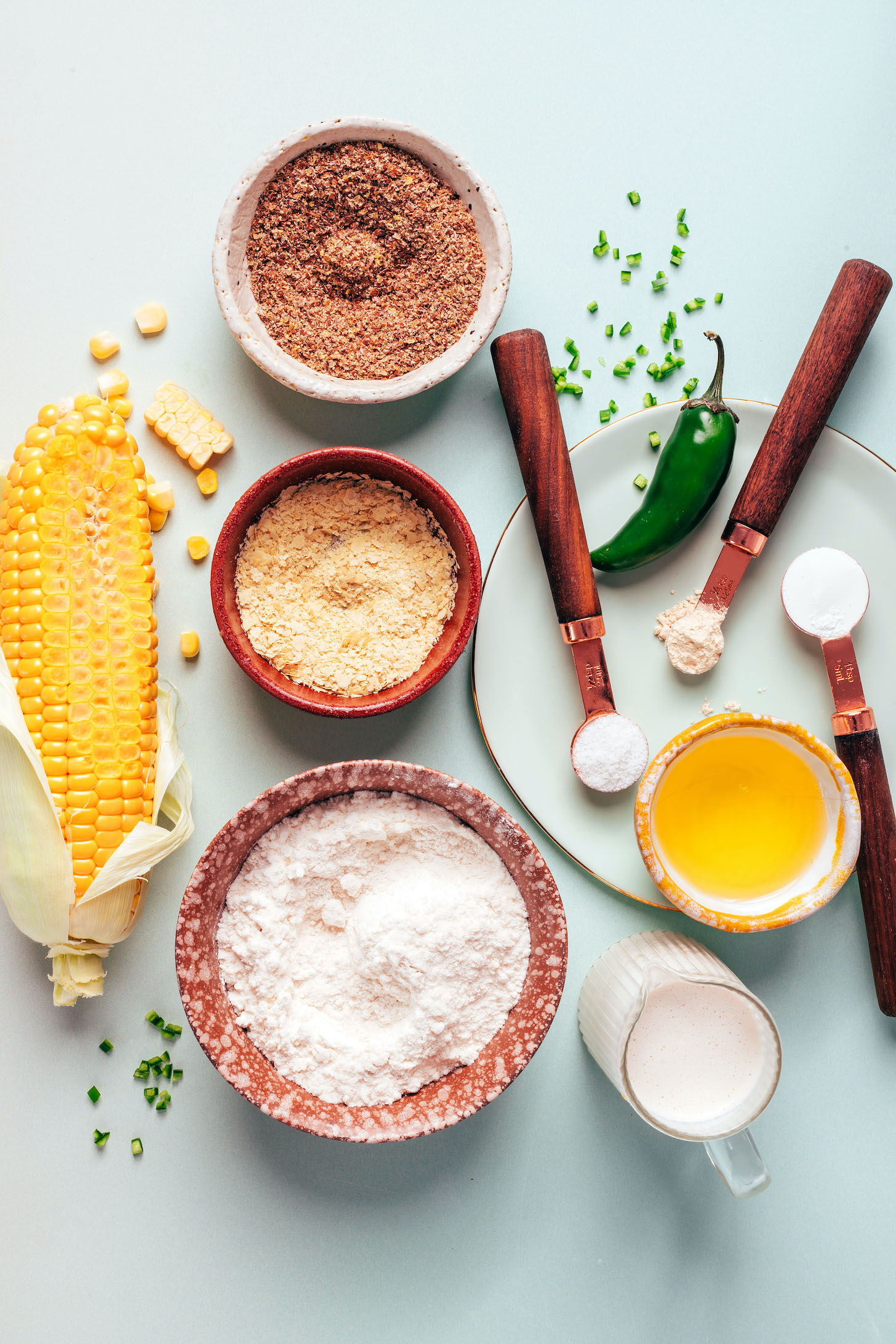
Phase I: The Binding Agent and Base Construction
The process begins with the creation of a "flax egg," a common vegan substitute where ground flaxseed meal is combined with liquid to create a mucilaginous texture similar to egg whites. In this recipe, the flaxseed meal is integrated directly into the dry mix, reacting with dairy-free milk to provide the necessary tension. The base utilizes either all-purpose flour or a 1:1 gluten-free blend, specifically chosen for its ability to absorb moisture and provide a neutral flavor profile.
Phase II: Flavor Profiling and Aeration
Once the binder is established, nutritional yeast—a deactivated yeast high in B vitamins—is added to provide a savory, "cheesy" undertone without the use of dairy. Garlic powder and sea salt serve as the primary seasonings, while baking powder is introduced as the leavening agent. The inclusion of baking powder is critical; it reacts with the moisture in the batter to create carbon dioxide bubbles, ensuring that the fritters remain light and "fluffy" rather than dense and doughy.
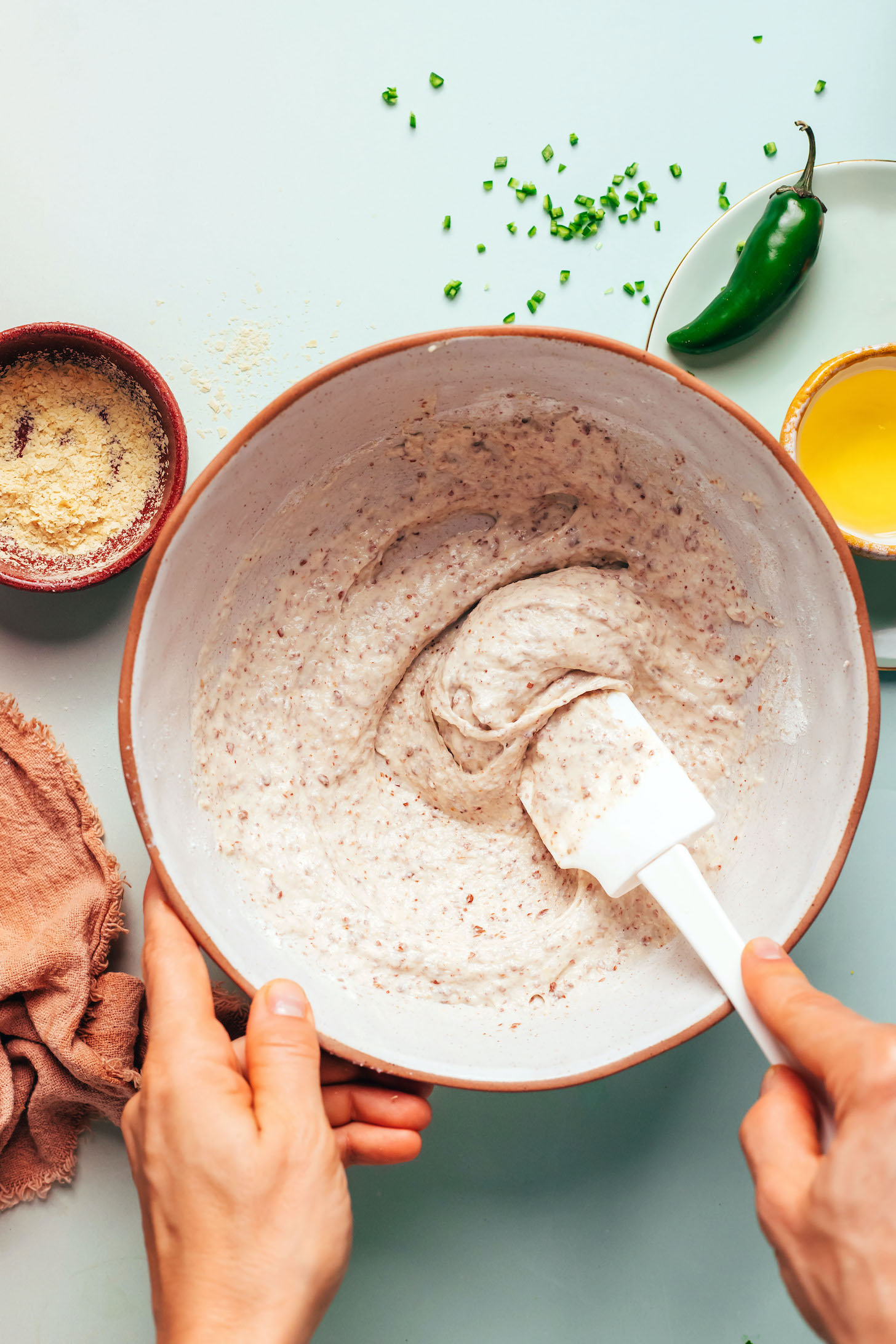
Phase III: Integration of Fresh Elements
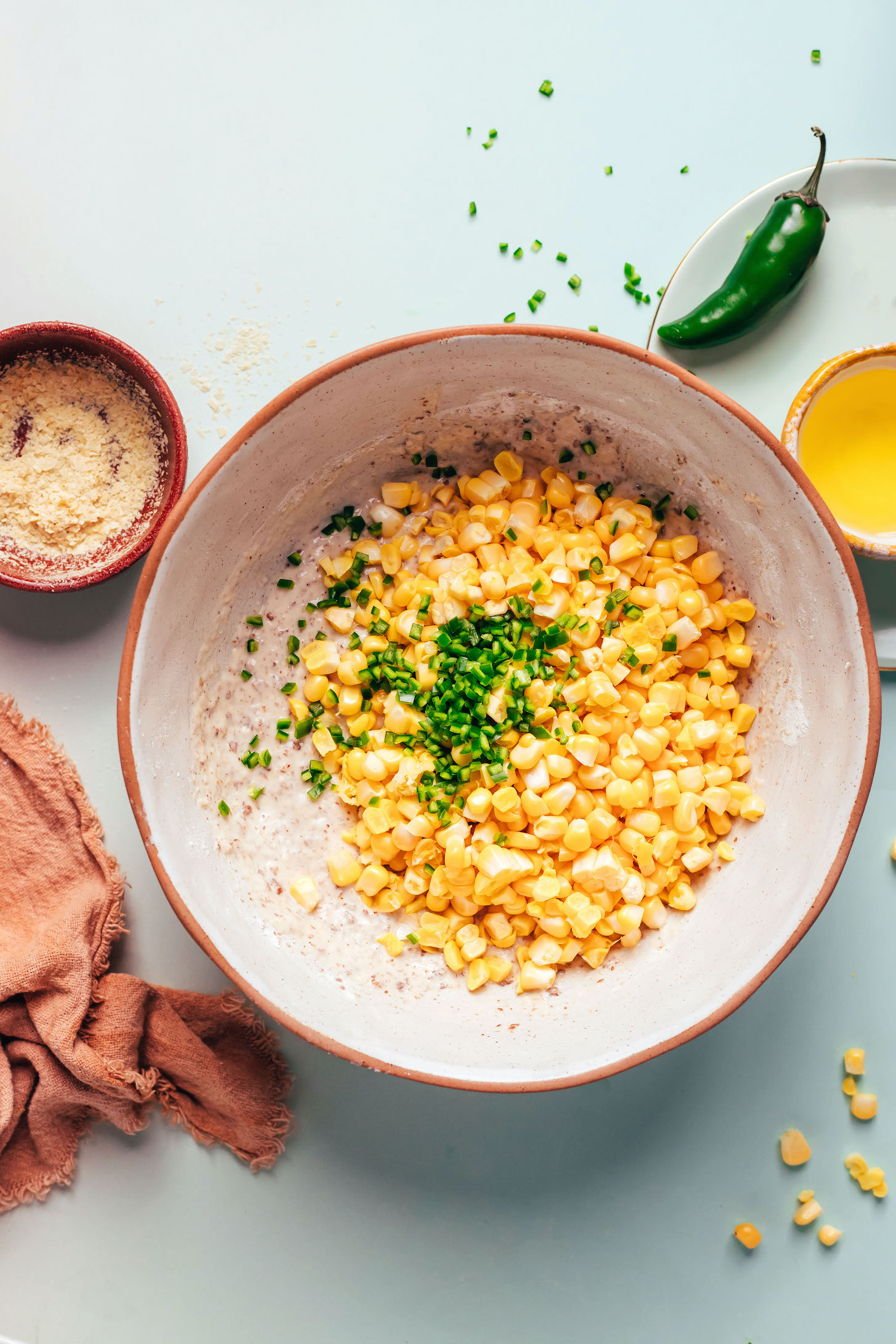
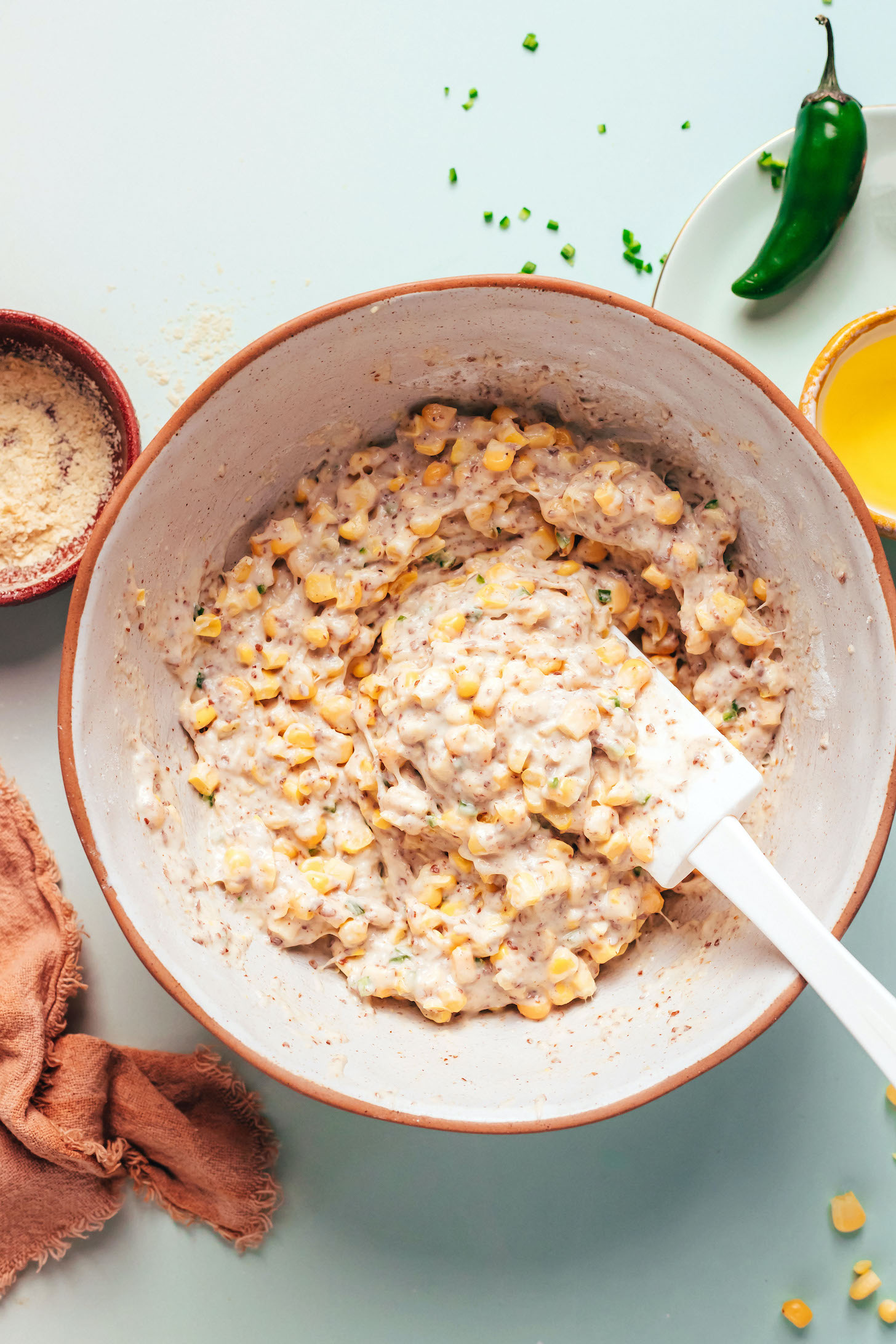
The final stage of the batter preparation involves the folding in of corn kernels and finely chopped jalapeños. While fresh summer corn is preferred for its natural sweetness and "pop," the recipe is engineered to accommodate frozen corn that has been thawed and dried. The jalapeño provides a controlled level of capsaicin, offering a subtle heat that offsets the sweetness of the maize.
Phase IV: Thermal Application
The cooking process utilizes the "shallow fry" method. Unlike deep frying, which submerges the food entirely in oil, shallow frying uses approximately 1-2 tablespoons of high-smoke-point oil (such as avocado oil) in a cast-iron skillet. This method is preferred for its ability to create a Maillard reaction—the chemical reaction between amino acids and reducing sugars that gives browned food its distinctive flavor—while minimizing total fat content.
Nutritional Composition and Supporting Data
From a nutritional standpoint, the Easy Jalapeño Corn Fritter offers a complex profile of macronutrients and micronutrients. A single serving (one fritter) contains approximately 103 calories, 16.2 grams of carbohydrates, and 2.4 grams of protein.
The use of avocado oil is a strategic choice supported by health data. Avocado oil is rich in oleic acid, a monounsaturated omega-9 fatty acid that is stable at high temperatures, with a smoke point of approximately 520°F (271°C). This stability prevents the oil from breaking down into harmful free radicals during the frying process. Furthermore, the inclusion of flaxseed meal adds a source of alpha-linolenic acid (ALA), an essential omega-3 fatty acid that contributes to cardiovascular health.
The dietary fiber content, approximately 1.9 grams per fritter, is derived primarily from the corn and flaxseed. Fiber is essential for digestive health and helps to moderate the glycemic response of the carbohydrates found in the flour and corn.
Market Response and Consumer Implications
The popularity of this recipe format—one bowl, ten ingredients, 30 minutes—reflects a significant data point in consumer behavior. According to recent surveys by the Specialty Food Association, "ease of preparation" is now a top-three priority for home cooks, alongside "healthfulness" and "taste."

Culinary experts suggest that the success of such recipes lies in their "optionality." By providing a gluten-free path and suggesting various dipping sauces—such as vegan ranch or cashew-based jalapeño cream—the recipe caters to a wide spectrum of dietary restrictions. This versatility makes it a staple for social gatherings where hosts must navigate the complex dietary needs of multiple guests.
Broader Impact and Gastronomic Implications
The Easy Jalapeño Corn Fritter is more than a simple appetizer; it is a microcosm of the current state of food innovation. It demonstrates that the removal of animal products does not necessitate a loss of culinary heritage. By reimagining the corn fritter through a vegan lens, chefs and home cooks are able to preserve the sensory experience of a classic dish while aligning with modern health and environmental standards.
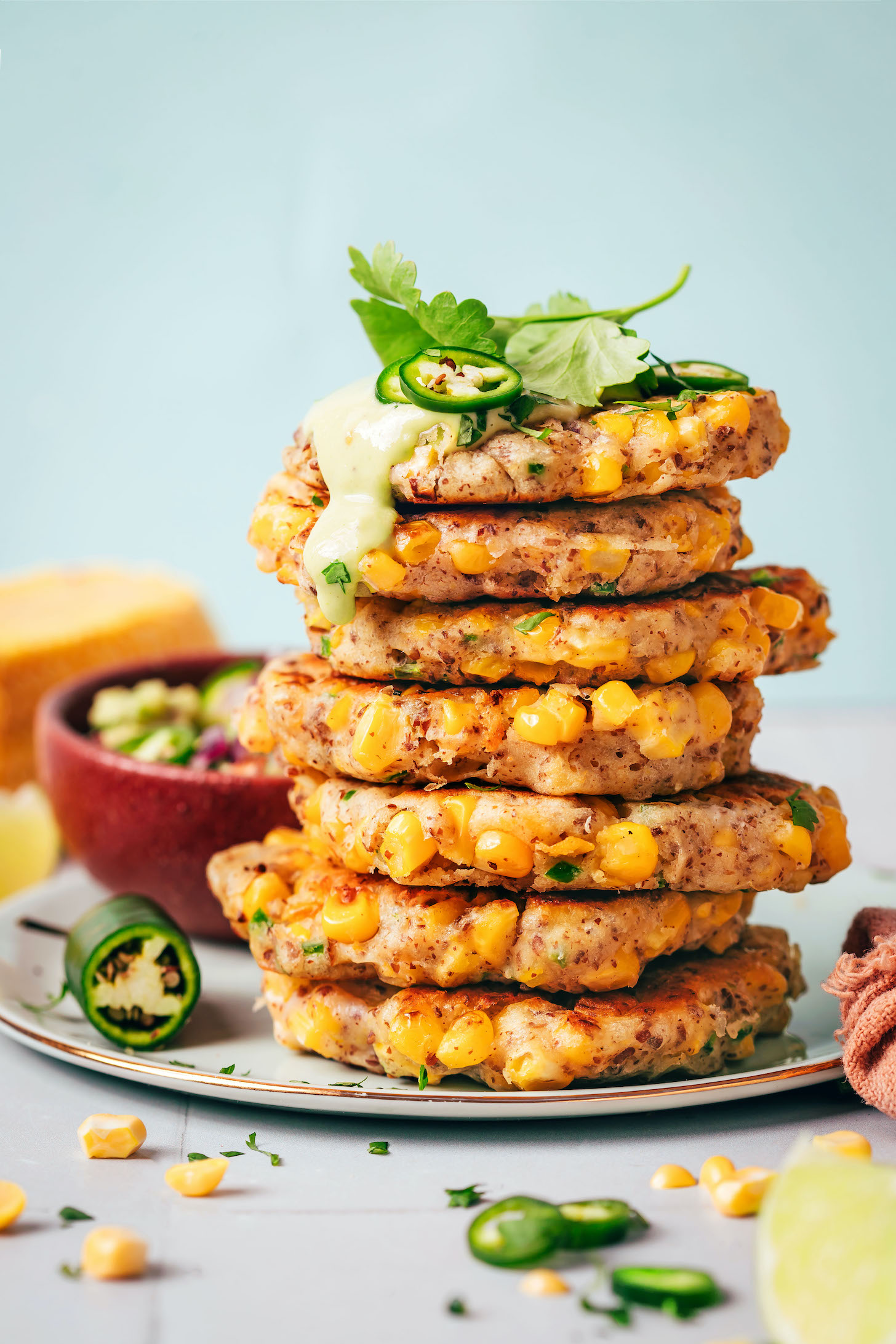
Furthermore, the emphasis on seasonal produce like fresh corn encourages a more sustainable connection to local agriculture. During peak summer months, the use of fresh corn reduces the carbon footprint associated with processed and packaged foods. Conversely, the adaptability of the recipe to frozen corn provides food security and variety during the winter months, highlighting the resilience of the plant-based diet.
Analysis of Serving Dynamics and Pairings
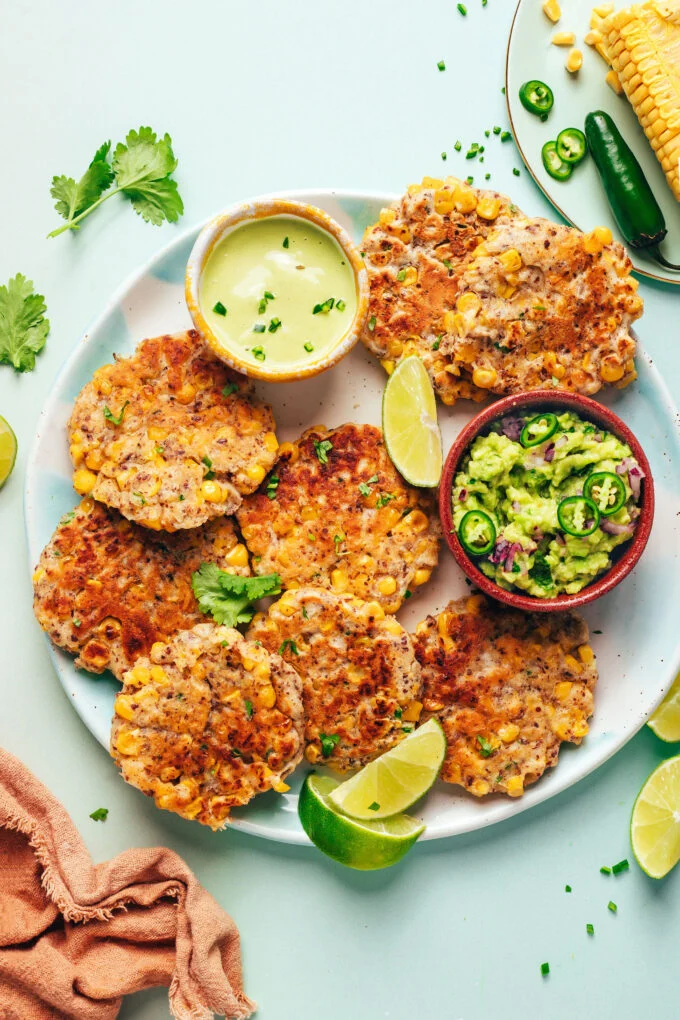
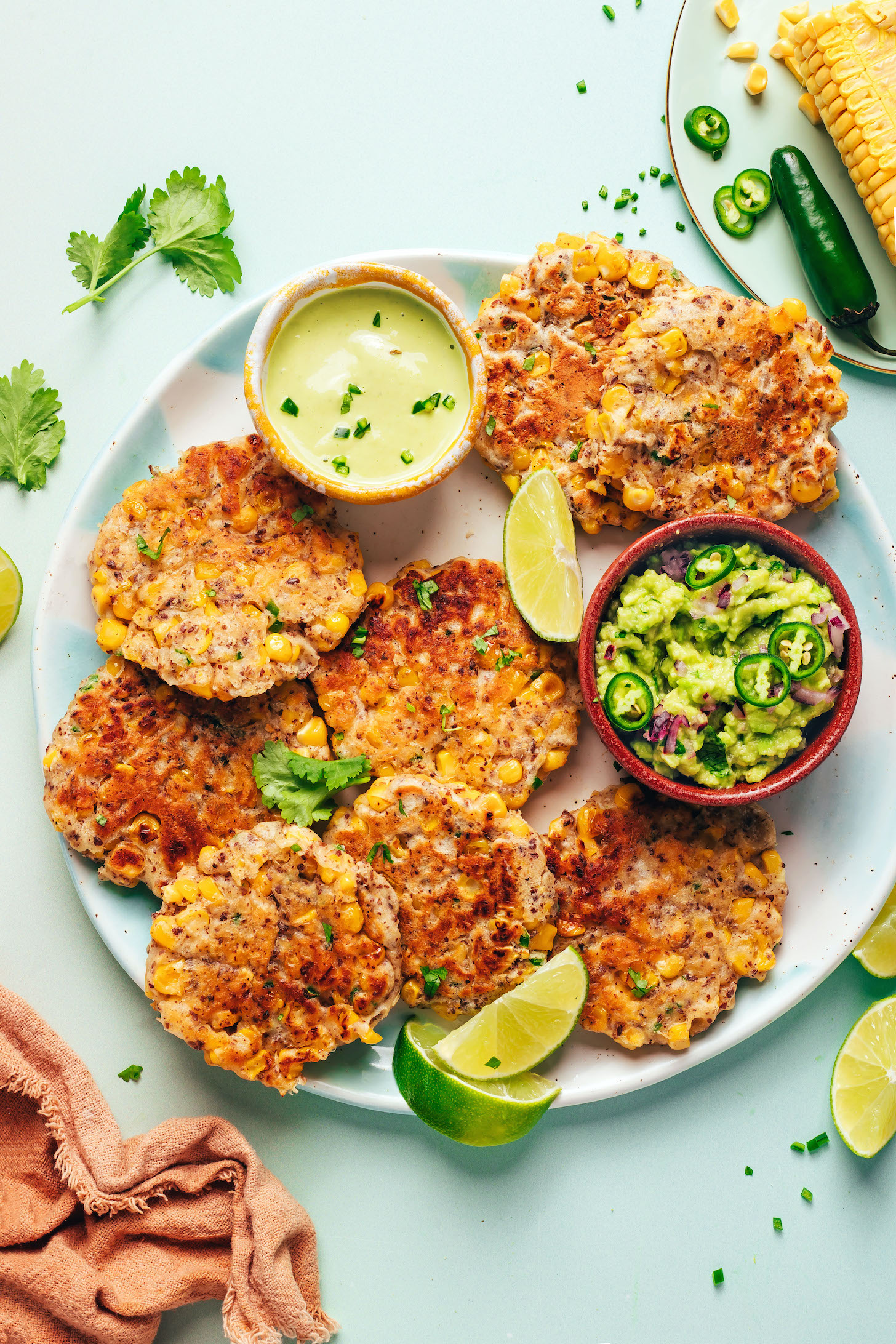
To maximize the gastronomic impact of the fritters, professional food stylists and chefs recommend a balance of acidity and creaminess in accompaniments. The inherent sweetness of the corn and the heat of the jalapeño are best complemented by:
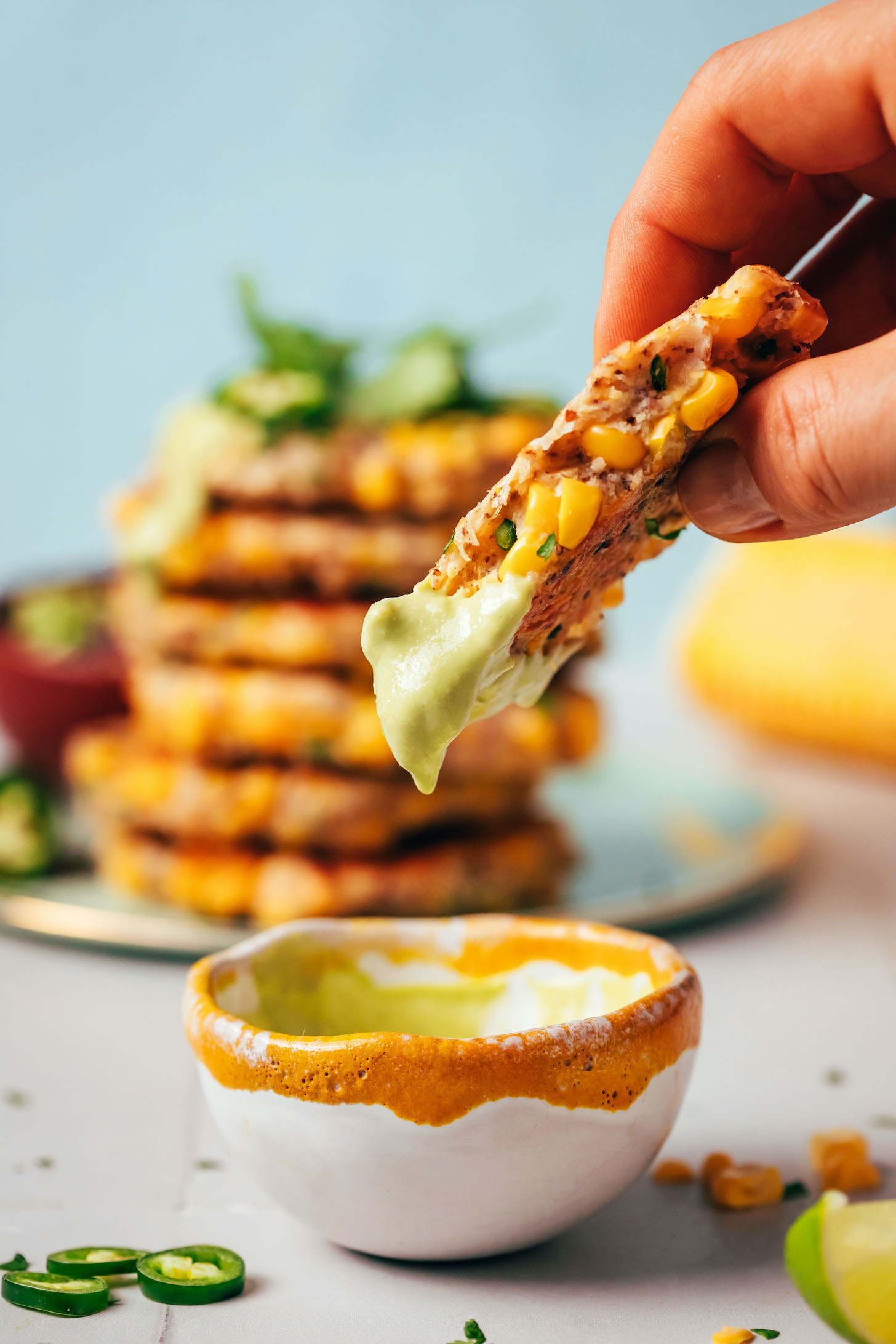
- Acidity: Lime wedges provide a citric acid hit that "cuts" through the oil used in frying.
- Creaminess: Cashew-based sauces or guacamole provide healthy fats that carry the spice of the jalapeño across the palate.
- Herbaceousness: Fresh cilantro or scallions add a volatile aromatic component that enhances the overall sensory experience.
In a professional setting, these fritters are often served as part of a "summertime BBQ" spread, pairing efficiently with grilled proteins (such as marinated tempeh or tofu) and acidic side salads. This placement positions the fritter not just as a snack, but as a versatile component of a structured meal.
Conclusion
The Easy Jalapeño Corn Fritter (Vegan) stands as a testament to the efficiency of modern plant-based cooking. Through the strategic use of 10 essential ingredients and a disciplined 30-minute preparation window, it achieves a balance of texture and flavor that rivals traditional versions. As consumers continue to move toward more sustainable and health-conscious eating habits, the reliance on accessible, allergen-friendly, and nutrient-dense recipes will only increase. This dish represents a successful fusion of culinary tradition and contemporary dietary requirements, proving that simplicity remains one of the most powerful tools in the modern kitchen.