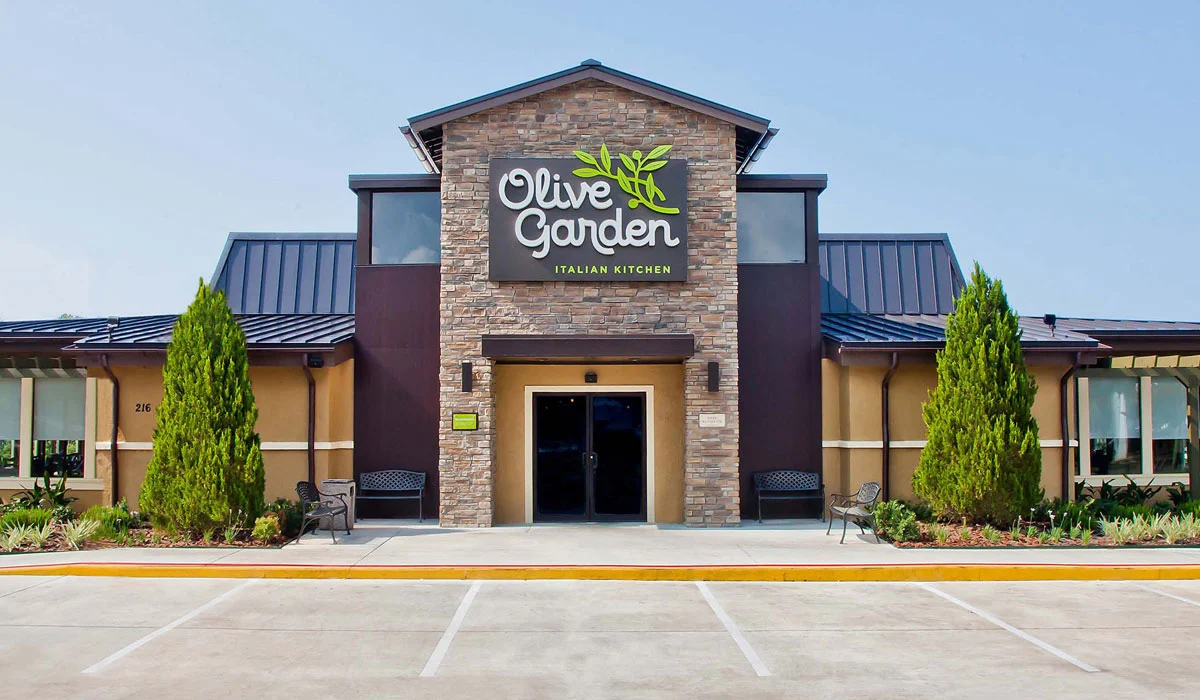

Olive Garden, the flagship brand of Darden Restaurants, has officially announced the return of its legendary Never-Ending Pasta Pass, marking the end of a six-year hiatus for the high-demand promotion. The announcement, made on Tuesday, signals a strategic return to the aggressive value-based marketing that helped define the chain’s identity in the mid-2010s. The revival comes at a pivotal moment for the brand, which continues to outperform the broader casual-dining sector despite a challenging economic environment characterized by fluctuating consumer spending and persistent inflationary pressures.
Starting this Friday at 2 p.m. ET, Olive Garden will release a limited batch of 10,000 Pasta Passes through its dedicated portal, PastaPass.com. For a flat fee of $100, pass holders will receive 13 weeks of unlimited access to the chain’s signature Never-Ending Pasta Bowl promotion. This includes an exhaustive array of unlimited pasta, homemade sauces, and protein toppings, alongside the brand’s staple offering of unlimited soup or salad and breadsticks. The promotion is designed to reward the brand’s most fervent supporters while generating the kind of digital engagement and foot traffic that has historically made the Pasta Pass a viral sensation.
The Evolution and Legacy of the Pasta Pass
The Never-Ending Pasta Pass first debuted in 2014, quickly ascending to the status of a cultural phenomenon within the food industry. At its inception, the promotion was designed to gamify the dining experience, offering a limited number of passes that routinely sold out within seconds of being made available online. In subsequent years, the program expanded, occasionally offering "Lifetime" passes, but it was eventually shelved after 2019 as the brand pivoted its strategy during the global pandemic and subsequent shifts in the labor and supply chain markets.
Despite its absence, the program remained a frequent topic of consumer inquiry. According to Jaime Bunker, Olive Garden’s senior vice president of marketing, the decision to bring back the pass was driven largely by persistent guest demand. "Even years later, guests still ask us about Never-Ending Pasta Pass, which speaks to the lasting enthusiasm and connection our fans have for it," Bunker said in an official statement. She noted that the revival is intended to celebrate the core tenets of the Olive Garden brand: abundance and incredible value.
The return of the pass is timed to coincide with the broader nationwide rollout of the Never-Ending Pasta Bowl promotion, which begins on August 31. This year’s iteration features a starting price of $14.99, allowing guests to choose from over 120 possible combinations of pastas, sauces, and toppings. To keep the menu fresh for returning patrons, Olive Garden has introduced new customization options, including a Spicy Alfredo sauce and Crispy Shrimp Fritta. Members of the brand’s "eClub" and those lucky enough to secure a Pasta Pass will receive early access to the promotion starting August 24.
Financial Strength and Market Outperformance
The timing of this promotion is significant, as it follows a period of robust financial performance for Olive Garden and its parent company, Darden Restaurants. While many competitors in the casual-dining space have struggled with declining traffic and thinning margins, Darden recently concluded its fiscal 2026 with record-breaking results. The group reported total annual sales exceeding $13.2 billion, with Olive Garden specifically delivering a 4 percent increase in same-restaurant sales growth over the fiscal year. This performance notably exceeded the high end of the brand’s own long-term growth targets.
Data from the fourth quarter of the fiscal year further underscores Olive Garden’s resilience. Same-store sales rose by 2.4 percent, a figure supported by positive guest traffic that outpaced the industry average by approximately 200 basis points. In an era where consumers are increasingly selective about discretionary spending, Olive Garden’s ability to grow traffic suggests that its "value-first" proposition is resonating with a broad demographic.
Industry analysts suggest that Olive Garden’s success is rooted in its refusal to engage in the "deep discounting" cycles that have plagued other chains. Instead, the brand has focused on "everyday value" and high-quality operations. CEO Rick Cardenas has consistently credited the brand’s momentum to fundamental improvements in the guest experience. By improving the pace of service and expanding menu options—such as the recently launched "Lighter Portions" menu and protein-forward dishes—the chain has managed to increase guest satisfaction scores even as it handles higher volumes.
Strategic Operational Shifts and Margin Management
A key component of Olive Garden’s current strategy is the careful management of restaurant-level margins. Despite the introduction of lower-priced value offerings like the $14.99 Never-Ending Pasta Bowl, the company saw margin expansion during the fourth quarter. This was achieved through a combination of supply chain efficiencies and a shift in consumer behavior. Executives noted that guests who opt for lighter portions or value-oriented promotions are visiting more frequently, particularly during the traditionally slower weekend lunch periods, thereby maximizing kitchen utilization and labor efficiency.
Furthermore, Olive Garden has maintained a disciplined approach to the delivery market. While many of its peers have fully integrated with third-party marketplaces like DoorDash and Grubhub—often at the expense of profit margins due to high commission fees—Darden has remained steadfast in its avoidance of these platforms. Instead, Olive Garden has leaned into its off-premises business, which now accounts for roughly 27 percent of total sales.
The brand’s partnership with Uber Direct for first-party delivery has proven to be a successful middle ground. This model allows Olive Garden to maintain control over the guest data and the delivery experience while leveraging Uber’s driver network. During the most recent quarter, this first-party delivery model represented 4.7 percent of total sales, providing a profitable avenue for growth without the margin erosion associated with third-party aggregators.
Chronology of Olive Garden’s Value Strategy
To understand the significance of the Pasta Pass return, one must look at the timeline of Olive Garden’s strategic pivots over the last decade:
- 2014: The first Pasta Pass is launched, offering 1,000 passes for $100. It sells out in 45 minutes.
- 2015–2018: The program scales significantly, with the number of passes increasing to 21,000 by 2016. In 2017, the brand introduces the "Annual Pasta Pass" for $300.
- 2019: Olive Garden introduces the "Lifetime Pasta Pass" for an additional $400 to select Annual Pass holders. This marks the peak of the program’s complexity before its hiatus.
- 2020–2022: Amid the COVID-19 pandemic, Olive Garden focuses on "off-premises" excellence and simplifying the menu to manage labor shortages and supply chain volatility. The Pasta Pass is suspended.
- 2023–2025: The brand focuses on "Everyday Value" (EDV) pricing, resisting the urge to bring back limited-time offers (LTOs) in favor of consistent pricing.
- 2026: Following record sales and a stabilized supply chain, Olive Garden brings back the Pasta Pass as a "thank you" to loyalists and a driver for Q1 traffic.
Broader Implications for the Restaurant Industry
The return of the Pasta Pass is likely to trigger a competitive response from other major casual-dining players. As inflation continues to impact grocery prices and dining-out budgets, the "unlimited" model offers a psychological sense of security and value that is highly attractive to middle-income households. By locking in 10,000 of its most frequent diners with a $100 upfront cost, Olive Garden is essentially guaranteeing consistent foot traffic for a 13-week period, during which these guests are likely to purchase high-margin add-ons such as alcoholic beverages, specialty desserts, and appetizers.
Moreover, the promotion serves as a powerful data-collection tool. The 10,000 individuals who secure the pass represent the brand’s "super-users." The data harvested from their dining habits—frequency of visits, preferred pasta combinations, and geographical distribution—will likely inform Olive Garden’s menu development and marketing strategies for years to come.
From a broader economic perspective, Olive Garden’s performance serves as a bellwether for the health of the American consumer. The fact that a $15 unlimited pasta promotion can drive industry-leading traffic suggests that while consumers are price-sensitive, they are not necessarily "trading down" to fast food. Instead, they are looking for "maximized value" within the full-service experience.
As the 10,000 passes go on sale this Friday, the industry will be watching closely. If the sale follows historical patterns, the passes will be gone within minutes, reaffirming Olive Garden’s position as a dominant force in American casual dining. For Darden Restaurants, the revival of the Pasta Pass is more than just a nostalgic nod to the past; it is a calculated move to reinforce a market-leading position through a proven blend of operational excellence and high-perceived value.