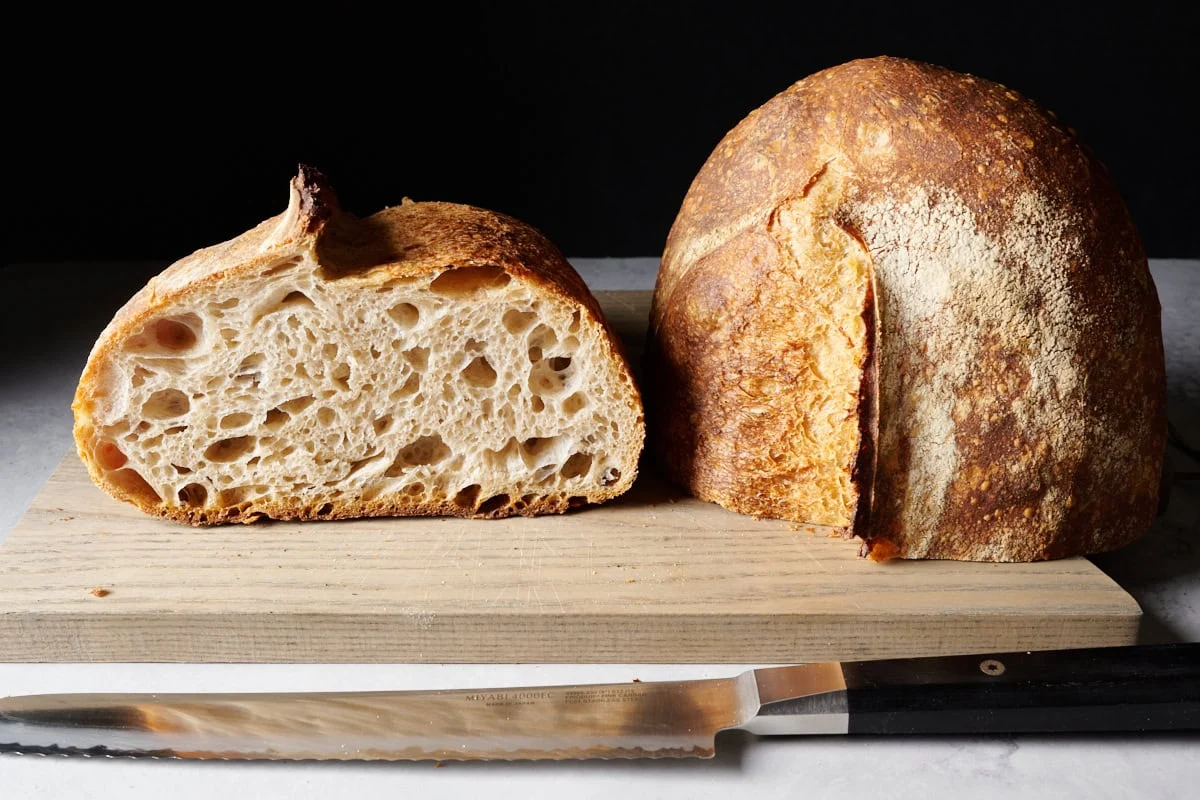

For bakers worldwide, the quest for the perfect sourdough loaf often hinges on achieving a delicate balance of flavors. Among the most frequently posed questions in the sourdough community is how to precisely control the characteristic tang, or sourness, that defines this beloved bread. Whether a baker desires a bold, mouth-puckering acidity or a subtle, nuanced background note, the journey to mastering sourdough sourness is achievable by understanding and manipulating several key factors throughout the breadmaking process. This comprehensive guide delves into the science behind sourdough tang and provides actionable strategies for bakers to dial in their desired flavor profile.
The "sour" in sourdough is not a singular entity but rather a complex interplay of time, temperature, and the diverse microorganisms—yeasts and bacteria—residing within a starter. For years, many bakers have relied on intuition, making subtle adjustments to achieve specific flavor outcomes. This guide aims to codify that knowledge, drawing from both scientific principles and practical baking experience to demystify the process of controlling sourdough sourness.
The Science Behind Sourdough’s Tang: Lactic and Acetic Acids
At the heart of sourdough’s distinctive flavor are two primary organic acids produced during fermentation: lactic acid and acetic acid. Understanding their origins and characteristics is fundamental to controlling the overall sourness.
Lactic Acid: This acid is responsible for a smooth, mild, and often creamy sourness, reminiscent of yogurt. It contributes a pleasant, rounded acidity to well-crafted sourdough.
Acetic Acid: In contrast, acetic acid is sharper and more pungent, possessing a vinegary bite. This is the acid that gives sourdough its assertive tang. Notably, acetic acid has a higher vapor pressure than lactic acid, meaning it’s the dominant acid contributing to the characteristic vinegary aroma often detected in sourdough starters and dough.
The balance between these two acids is dictated by the lactic acid bacteria (LAB) present in the starter, which produce them in varying ratios depending on environmental conditions. Bakers can influence these conditions through temperature, time, flour selection, and starter management, thereby controlling the total acid production and the dominance of one acid over the other.
A critical factor in bacterial activity is pH. As bacteria produce acid, the dough’s pH gradually lowers. Eventually, the pH drops to a level that significantly slows or halts bacterial activity. This self-limiting process means that any factor allowing bacteria to function for a longer duration before reaching this critical low pH will result in more total acid production and, consequently, a more sour loaf. This includes buffering provided by whole grains, extended fermentation times, and optimal temperatures that keep bacteria within their ideal growth range.
Strategies for Increasing Sourdough Sourness
For bakers seeking a more pronounced tang in their sourdough, several techniques can be employed at various stages of the breadmaking process.
Utilizing a Ripe Starter or Levain
One of the most direct methods to enhance sourness is by using a starter or levain that has passed its peak ripeness. A starter at this stage will exhibit a strong, pungent sour aroma, a loose and fluid consistency, and abundant bubbles, possibly even showing signs of collapse in the jar.
When a starter has consumed most of its available food, it has already accumulated a significant amount of acid. The aroma shifts from pleasantly yeasty to a more pronounced vinegary scent. Using such a starter, or building a levain from it, will carry this accumulated acidity into the final dough, contributing to a tangier loaf. In contrast, a "young" starter, used before it reaches peak ripeness, will result in a milder flavor profile.
Extending the Cold Proof (Retardation)
The cold proof, or retardation, is arguably the most reliable method for developing deeper sour flavors. While refrigeration significantly slows down yeast and bacterial activity, it does not halt it entirely. Acid production continues to accumulate over extended periods.
During a cold proof, yeast activity is slowed less drastically than bacterial activity. As yeasts continue to ferment sugars, they release substrates that bacteria preferentially utilize for acetic acid production. This creates a synergistic effect: more total acid is produced over time, and a higher proportion of it is acetic acid, leading to a sharper, more vinegar-like tang.
Experienced bakers often extend cold proofing times beyond the typical 12-16 hours. Experiments with 24, 48, and even 72-hour cold proofs have shown a direct correlation between the duration of refrigeration and the intensity of the sour flavor. Some specialized recipes even call for over two days of cold fermentation to achieve an "extra sour" profile.
However, it’s important to note a potential trade-off: extended cold proofing can lead to a reduction in oven spring. Over prolonged periods, natural enzymes within the dough can break down gluten structures, diminishing the dough’s strength and its ability to rise robustly in the oven.
Employing a Stiffer Levain
The hydration level of a levain plays a crucial role in the type of acid produced, similar to the effect of temperature. Lower hydration levels tend to slow bacterial activity more than yeast activity, which shifts the balance towards acetic acid production.
A stiff levain, typically with a hydration of 50-65%, when allowed to ripen for a sufficient duration, creates conditions conducive to producing more acetic acid. The key here is time. Stiffness alone does not guarantee more sourness; it’s the combination of low hydration and adequate ripening time that pushes towards a sharper tang. This contrasts with highly liquid levains (100% hydration or more), which tend to produce bread with a smoother, less aggressive sourness, primarily characterized by lactic acid.
Incorporating Whole Grain Flours (Especially Rye)
The inclusion of whole grain flours, particularly rye, significantly enhances sourdough sourness. This is primarily due to their higher ash content. Ash correlates with the mineral content of flour, and these minerals act as a natural buffering system in the dough.
A higher ash level means the dough can absorb more acid before its pH drops to a level that inhibits bacterial activity. Refined white flours, with their low ash content, have a lower capacity to buffer acid, limiting the total amount of acid that bacteria can produce. Whole grain flours, therefore, raise the threshold for acid accumulation. Rye, in particular, is highly effective, with even small percentages in the levain or dough noticeably increasing the tang. A 100% whole wheat loaf, for instance, will exhibit a more pronounced tang than a loaf made predominantly with white flour, and the addition of rye amplifies this effect further.
Fermenting at Warmer Temperatures
Temperature is a critical factor influencing both the quantity and type of acid produced during fermentation.
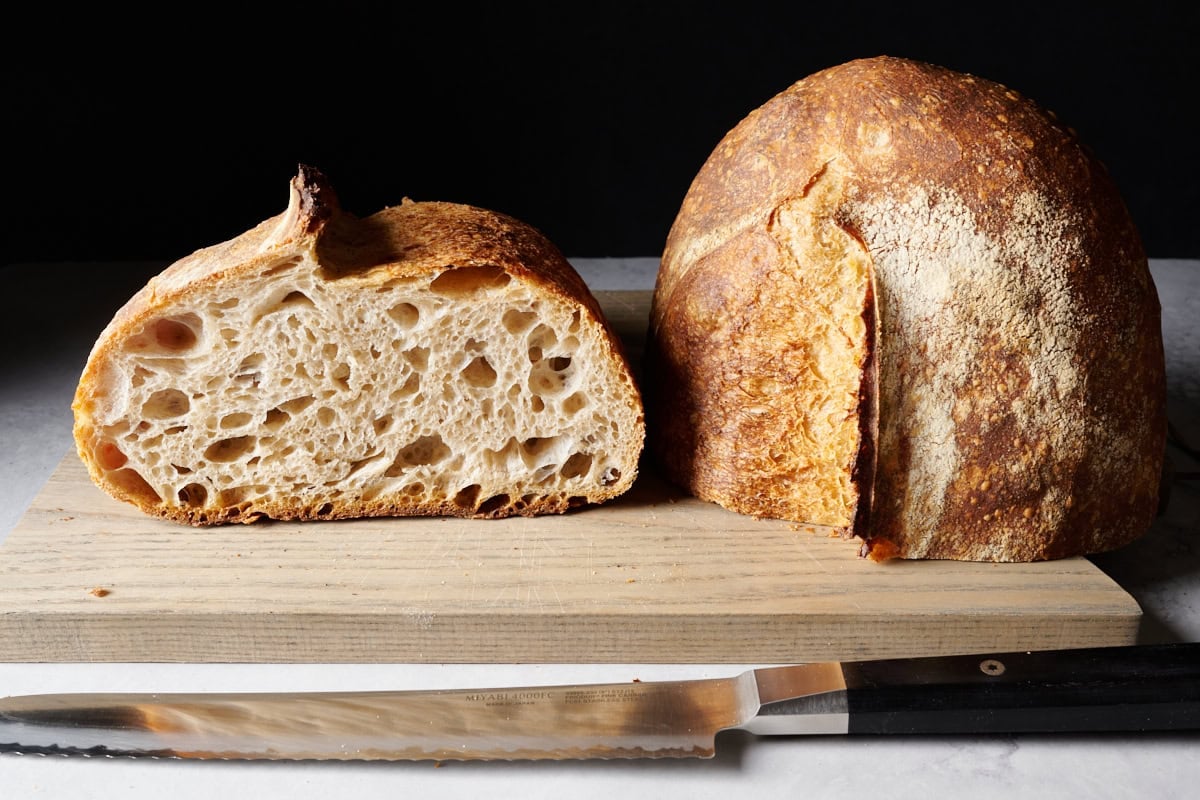
Warmer dough temperatures (78-82°F / 25-28°C) stimulate greater overall bacterial activity. Since most sourdough bacteria thrive optimally around 89-91°F (32-33°C), warmer dough temperatures keep them in their comfort zone, allowing them to produce more total acid.
Interestingly, cooler temperatures can shift the type of acid produced towards acetic acid, contributing to a sharper tang, even though the total acid output might be lower. This occurs because cooler conditions slow bacteria more than yeast, creating an imbalance that favors acetic acid production.
For bakers seeking more overall sourness with a rounded, lactic character, fermenting at warmer temperatures is beneficial. For a sharp, assertive tang, cooler temperatures combined with longer fermentation times are more effective. A common approach to achieve a balanced sourness is a moderately warm bulk fermentation (around 78°F / 25°C) followed by an extended cold proof. It’s crucial to remember that temperature significantly impacts fermentation speed, and adjustments to levain percentage or fermentation times may be necessary to prevent under- or overproofing when manipulating temperature for flavor control.
Using a Smaller Levain Percentage
Contrary to common assumptions, a larger levain percentage does not automatically equate to more sour bread. The relationship is more nuanced. A large, well-ripened levain rapidly lowers the dough’s pH from the outset. Since bacteria are sensitive to low pH (high acidity), their growth slows considerably as acidity rises. Consequently, a dough that starts at a lower pH offers bacteria less opportunity to produce additional acid.
Conversely, a smaller levain initiates the dough at a higher pH, allowing bacteria to function for a longer period and accumulate acid more gradually. This approach necessitates extending fermentation times to compensate but can lead to greater total acid production. While a smaller levain percentage can contribute to sourness, it’s essential to balance this with other variables like flour choice, temperature, and total fermentation duration for predictable results.
Strategies for Decreasing Sourdough Sourness
Not all sourdough enthusiasts desire a pronounced tang. Many prefer a bread where sourness is a subtle complement rather than the dominant flavor. Here are techniques to dial back the acidity.
Maintaining a Well-Fed Starter
The most effective way to reduce sourness is through diligent starter maintenance. Regular feeding of the starter dilutes accumulated acid and provides fresh food for yeast and bacteria. A healthy starter at its peak ripeness—visibly risen, bubbly, and domed—has consumed its food but has not yet produced excessive acid. Using the levain at this stage, rather than when it’s past peak and developing a strong sour aroma, will yield a milder-flavored bread. This consistent feeding routine is key to achieving a subtle, nuanced sourness.
Utilizing a Young Levain
Timing is critical when using a levain. A "young" levain, one that has risen but has not yet reached its absolute peak ripeness, contributes less acid to the final dough. This type of levain, sometimes referred to as a "booster levain," prioritizes high yeast activity and minimal sourness.
A young levain can be prepared with equal parts flour, starter, and water (a 1:1:1 ratio) and kept in a warm environment (78-80°F / 25-27°C) for 3 to 4 hours. It is ready when it has doubled in volume, exhibits bubbles, possesses a gentle sweet-sour aroma, and maintains a cohesive consistency. This type of levain is ideal for applications like sourdough pizza, where a milder tang is preferred.
Shortening the Cold Proof
If sourdough bread is coming out more sour than desired, reducing the cold proof duration is a direct solution. Instead of the typical 16-18 hours in the refrigerator, try a shorter period of 10-12 hours. Alternatively, the cold proof can be omitted entirely, with shaped loaves proofed at room temperature for 2-4 hours until they pass the "poke test" and are ready for baking. Skipping the overnight cold proof typically results in bread with a milder flavor, emphasizing the grain’s natural sweetness over tanginess.
Employing a Liquid Levain
Higher hydration levains favor the production of lactic acid—the smoother, yogurt-like sourness—over acetic acid. A liquid levain (100% hydration, with equal parts flour and water by weight) produces a gentler, less sharp flavor compared to a stiff levain. Many bakers find that using a 100% hydration levain, in conjunction with other parameters, helps achieve a balanced sourdough character without an overpowering tang.
Fermenting Cooler (For Less Total Acid)
While cooler temperatures can shift acid production towards acetic acid (sharper tang), they also significantly slow bacterial activity, resulting in less total acid overall. For a milder loaf, a cooler, shorter bulk fermentation followed by a shorter proof is recommended. Care must be taken, however, to avoid underproofing.
Using a Larger Levain Percentage
A larger levain introduces more pre-fermented flour with a lower pH into the dough, initiating fermentation in a more acidic state. This sensitivity of bacteria to low pH means their growth slows down, limiting the production of additional acid during bulk fermentation. A larger levain also accelerates fermentation, typically requiring a shorter bulk period, thus further reducing the time available for sourness to develop.
Common Sourdough Sourness Questions Answered
Does a longer cold proof make bread more sour?
Yes. During a cold proof, yeast are less inhibited than bacteria. This imbalance favors acetic acid production, leading to a sharper tang. Extended cold proofing, from 12 hours to 48 hours or more, will progressively increase sourness. However, prolonged cold proofing can compromise gluten structure, potentially reducing oven spring.
Does using more starter or levain increase sourness?
The relationship is nuanced. While a larger amount of starter or levain introduces more acid initially, it also rapidly lowers the dough’s pH. Bacteria, being sensitive to low pH, slow down their activity. A smaller levain starts the dough at a higher pH, allowing bacteria to work for longer and accumulate more acid gradually. Therefore, increasing the pre-fermented flour percentage alone does not guarantee increased sourness without considering other factors.
Why does my bread have no tang at all?
Several factors can contribute to a lack of tang:
- Immature starter: New starters (under 2-3 weeks) may not have developed a robust enough bacterial population for significant acid production.
- Young levain: Using the levain before it has fully ripened limits acid accumulation.
- Short fermentation: Insufficient bulk fermentation or proofing time restricts flavor development.
- Very warm kitchen: Rapid fermentation in hot environments can lead to a well-leavened but bland loaf, as acid development is outpaced by leavening.
- Predominantly white flour: Low-ash refined flours have limited buffering capacity, restricting total acid production.
Conclusion: The Art of Flavor Control
The beauty of sourdough lies in its inherent adaptability. Unlike breads leavened with commercial yeast, sourdough offers bakers a remarkable degree of control over the final flavor profile. Sourness is but one dimension, yet it is one that home bakers can manipulate with precision.
The most effective approach is to experiment deliberately, changing one variable at a time—such as the duration of a cold proof or the ripeness of the levain used—and observing its impact on the bread’s flavor. Keeping detailed notes will foster an intuitive understanding of how to achieve the desired taste.
Ultimately, there is no single "correct" level of sourness. The ideal tang is subjective and depends on personal preference and the intended audience. Whether aiming for a subtle whisper of acidity or a bold declaration of tang, the baker holds the reins to craft sourdough that perfectly suits their palate.
The comprehensive understanding of the interplay between time, temperature, and microbial activity provides the foundation for mastering sourdough sourness. By applying these principles, bakers can transform their loaves from simple sustenance to nuanced culinary creations, each with a flavor profile uniquely tailored to their vision.