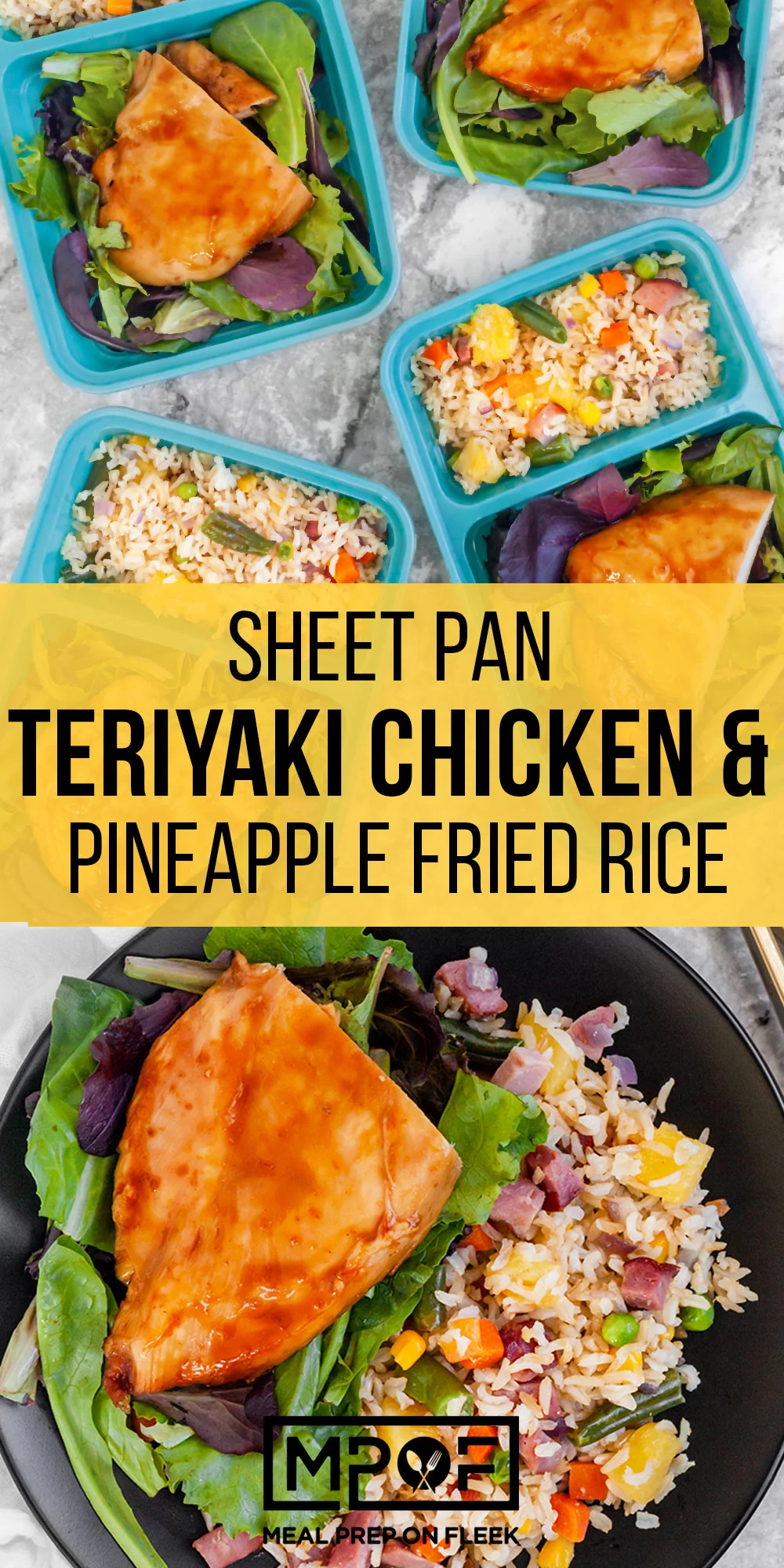

The culinary landscape of efficient meal preparation has been significantly enhanced by the introduction of innovative recipes designed to simplify weeknight cooking and provide nutritious options for busy individuals. Among these, the Sheet Pan Teriyaki Chicken and Pineapple Fried Rice has emerged as a standout, offering a harmonious blend of sweet and savory flavors with unparalleled ease of preparation. This recipe, capable of yielding four balanced meals in under an hour, addresses the common challenges of limited time and decision fatigue often associated with meal planning and execution.
The core appeal of this dish lies in its ingenious one-sheet pan approach. By consolidating the cooking of both the teriyaki chicken and the pineapple fried rice onto a single baking sheet, the recipe dramatically reduces post-meal cleanup. This streamlined process not only saves valuable time but also minimizes the mental load of coordinating multiple pots and pans, a significant benefit for those juggling demanding schedules. This efficiency makes it an ideal candidate for integration into broader weekly meal prep routines, complementing other one-pan wonders and lunch-focused meal preparation strategies.
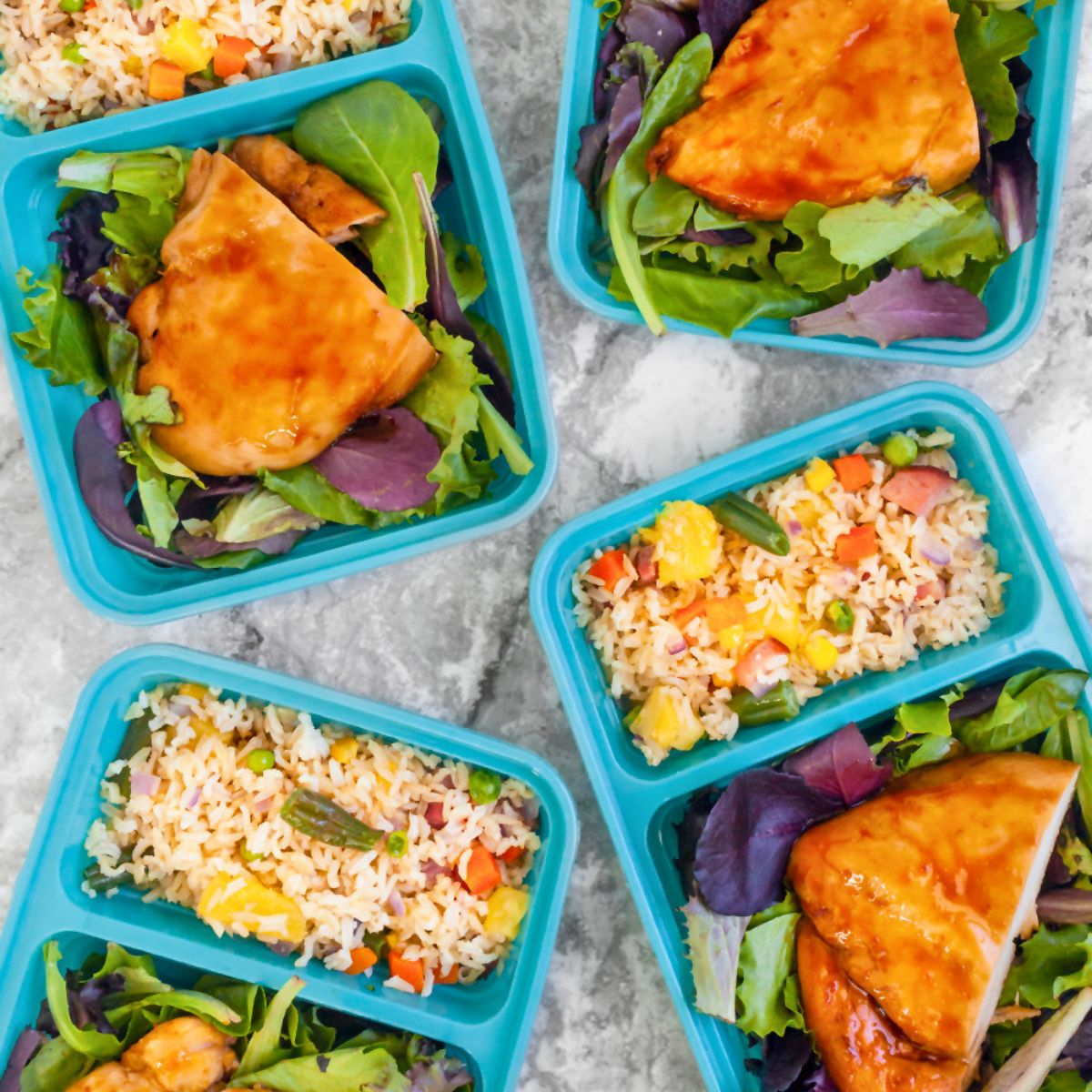
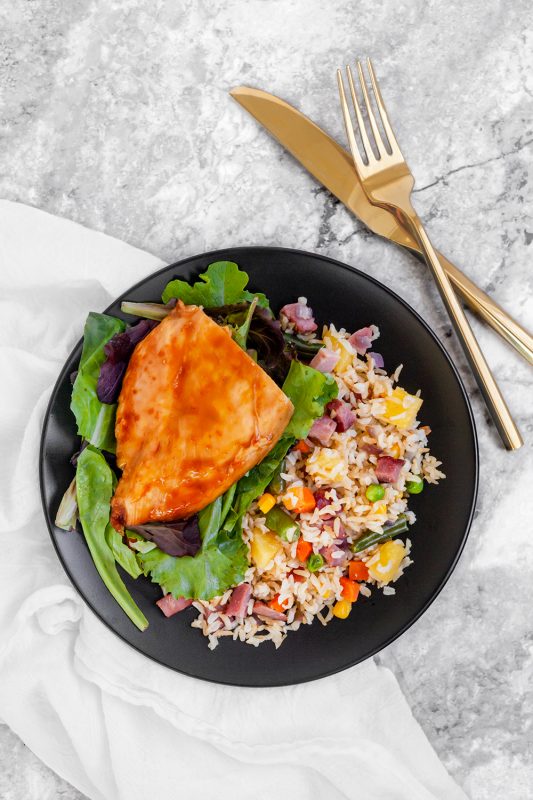
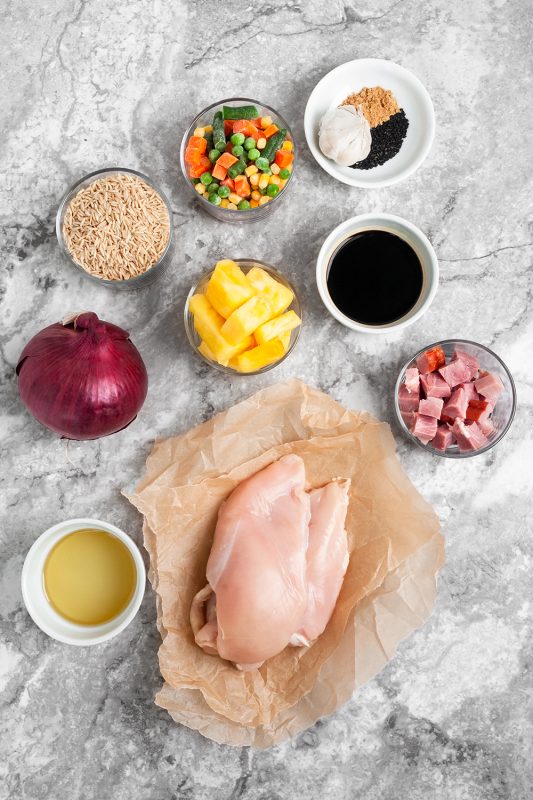
At its heart, the Sheet Pan Teriyaki Chicken and Pineapple Fried Rice delivers a culinary experience that rivals takeout while remaining firmly within the realm of realistic home cooking. Each serving is a carefully curated ensemble, featuring tender teriyaki-marinated chicken, a vibrant pineapple fried rice base, a medley of vegetables, savory ham, aromatic ginger and garlic, and the subtle richness of sesame oil. This comprehensive flavor profile ensures a satisfying and well-rounded meal that caters to a desire for both comfort and health.
The Science Behind One-Pan Efficiency
The effectiveness of the sheet pan method in modern cooking is rooted in principles of heat transfer and controlled cooking environments. By utilizing a hot oven and a single, conductive surface, ingredients are exposed to consistent heat, promoting even cooking and desirable textural outcomes. In the case of this recipe, the distinct components are strategically introduced to the pan to ensure optimal doneness for each. The initial baking of the chicken allows it to cook through and begin to caramelize, while the subsequent addition of the fried rice mixture allows it to heat through and develop a slightly crisp texture without overcooking the chicken.
The choice of ingredients also plays a crucial role in the recipe’s success. The use of day-old cooked rice is particularly advantageous for fried rice, as its slightly drier texture prevents the dish from becoming mushy when baked. The combination of fresh ginger and garlic provides an aromatic foundation, while the sweetness of pineapple offers a counterpoint to the savory teriyaki sauce and ham. These elements, when brought together under the intense heat of the oven, create a complex flavor profile that is both comforting and exciting.
A Timeline of Culinary Innovation in Meal Prep
The concept of meal preparation, or "meal prep," has evolved significantly over the past few decades. Initially, it was often associated with highly structured, sometimes bland, diet-centric meals. However, contemporary meal prep emphasizes deliciousness, variety, and sustainability. The development of recipes like the Sheet Pan Teriyaki Chicken and Pineapple Fried Rice reflects this shift, demonstrating that convenient, healthy eating can also be incredibly flavorful and enjoyable.
The timeline of this particular recipe’s popularity can be linked to the broader trend of simplified cooking techniques gaining traction in home kitchens. As more individuals seek ways to eat healthier without dedicating excessive time to cooking, recipes that minimize steps and cleanup naturally rise to prominence. The digital age, with its proliferation of food blogs and social media, has played a pivotal role in disseminating such innovative recipes, allowing home cooks to discover and adapt them with ease.
Key Components and Their Contributions
Teriyaki Chicken: The foundation of the protein component, chicken breasts are typically pounded to an even thickness to ensure uniform cooking. Marinated in teriyaki sauce, they absorb a delightful balance of sweet, salty, and umami flavors. The sauce, often a blend of soy sauce, mirin, sake, and sugar, creates a glossy, caramelized coating during baking.
Pineapple Fried Rice: This element provides the carbohydrate base and a burst of tropical sweetness. Cooked brown rice, chosen for its fiber content and slightly firmer texture, is mixed with a flavorful medley. The inclusion of pineapple chunks introduces a juicy, tangy counterpoint that cuts through the richness of the other ingredients. Frozen mixed vegetables offer convenience and a spectrum of vitamins and minerals, while diced ham adds a savory, smoky depth. Freshly minced ginger and garlic provide essential aromatic complexity, and a drizzle of sesame oil imparts its characteristic nutty aroma and flavor.
Sheet Pan Technique: The overarching methodology that makes this recipe so efficient. By utilizing a foil-lined baking sheet, the cooking process is contained, and cleanup is further simplified. The foil acts as a barrier, preventing food from sticking and making it easy to discard drippings and residue.
Strategic Preparation and Cooking Process
The preparation of this dish is designed for maximum efficiency. The initial step involves preheating the oven to 400°F (200°C). This high temperature is crucial for achieving the desired caramelization on the chicken and a slight crispness on the edges of the fried rice.
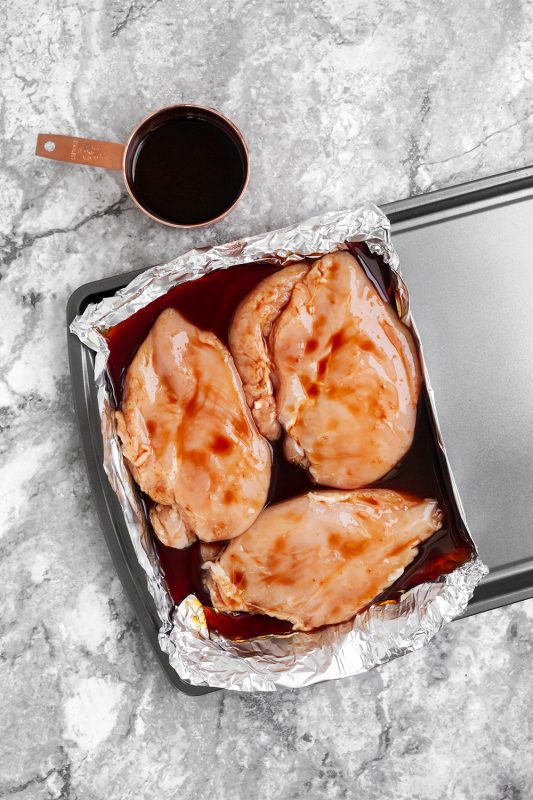
A foil-lined baking sheet is then prepared, often with a makeshift foil "dish" to contain the chicken and its juices. The chicken breasts are placed in this foil dish, coated with half of the teriyaki sauce, and baked for approximately 15 minutes. This initial bake allows the chicken to begin cooking through.
While the chicken is in the oven, the fried rice components are combined in a separate bowl. This includes cooked brown rice, sesame oil, frozen vegetables, diced red onion, pineapple chunks, diced ham, minced ginger, and minced garlic. Thorough mixing ensures that all ingredients are evenly distributed and ready for the oven.
Following the initial chicken bake, the sheet pan is carefully removed from the oven. The prepared fried rice mixture is then spread across the remaining half of the baking sheet. The pan is returned to the oven for an additional 10 to 15 minutes, or until the chicken reaches an internal temperature of 165°F (74°C). This second bake ensures the fried rice heats through and develops a pleasant texture, while the chicken finishes cooking to a safe and tender state.
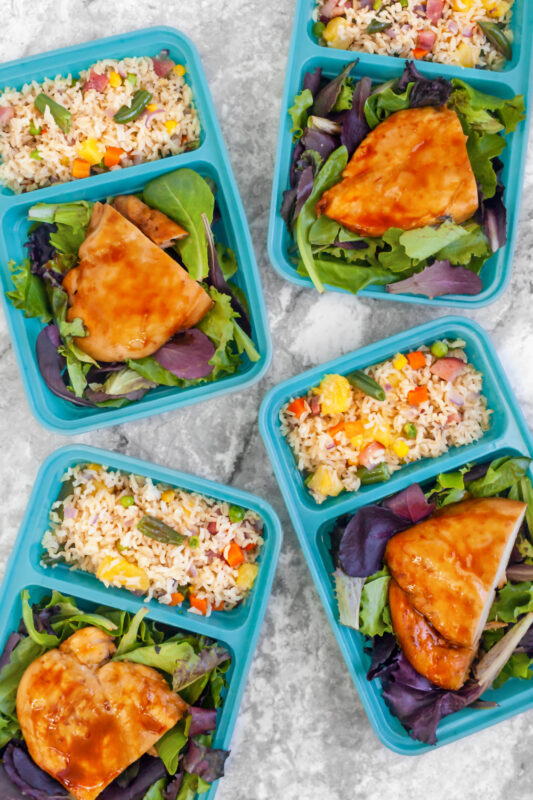
Upon removal from the oven, the remaining teriyaki sauce is poured over the chicken, adding a final layer of glaze and flavor. The dish is then ready to be portioned into meal prep containers. For an added touch of freshness and crunch, serving over mixed greens and garnishing with sesame seeds is often recommended.
Storage and Longevity
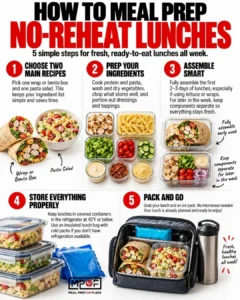
Proper storage is essential for maximizing the enjoyment of meal-prepped dishes. Sheet Pan Teriyaki Chicken and Pineapple Fried Rice is best stored in airtight containers. Utilizing containers with separate compartments can be particularly beneficial, as it helps prevent the teriyaki chicken from making the fried rice soggy over time. Refrigerated, the meal prep is generally considered safe for consumption for up to four days.
For optimal results, it is advised to allow the meal prep to cool completely before sealing the containers and refrigerating. When reheating, a microwave is a convenient option, though gentle stovetop reheating can also be employed to maintain texture.
Nutritional Considerations and Adaptations
The nutritional profile of this recipe is designed to be balanced, offering a good source of protein, carbohydrates, and essential nutrients. The estimated nutritional information per serving typically includes a significant amount of protein from the chicken, complex carbohydrates from the brown rice, and vitamins and minerals from the vegetables and pineapple.
However, nutritional content can vary based on specific ingredient choices, such as the brand of teriyaki sauce used, the leanness of the ham, and the portion sizes. For individuals seeking precise nutritional tracking, utilizing a macro calculator can provide personalized insights.
The recipe also offers considerable flexibility for dietary adaptations. For those requiring gluten-free options, a gluten-free teriyaki sauce or homemade tamari-based sauce can be substituted. Individuals looking to omit or replace the ham can opt for turkey bacon, chicken sausage, or simply increase the quantity of vegetables. White rice can also be used as an alternative to brown rice, offering a softer texture, though brown rice provides a higher fiber content.
Addressing Common Queries: FAQs
Can white rice be used instead of brown rice?
Yes, white rice, particularly jasmine or long-grain varieties, is a suitable substitute. While brown rice offers more fiber, white rice contributes to a softer, more traditional takeout-style texture.
Is it possible to make this recipe without ham?
Absolutely. The ham can be omitted entirely or replaced with alternatives like turkey bacon, diced chicken sausage, or an increased volume of vegetables. The ham adds a savory note, but its absence does not compromise the overall flavor profile significantly.
What is the recommended teriyaki sauce?
The best teriyaki sauce is one that you personally enjoy, as it is a dominant flavor component. For those needing a gluten-free version, a specifically labeled gluten-free teriyaki sauce or a homemade version using tamari is recommended.

How can I ensure the chicken is cooked properly?
The most reliable method is to use a meat thermometer. The chicken is done when it reaches an internal temperature of 165°F (74°C). This prevents guesswork and ensures both safety and optimal texture.
Can this recipe be doubled?
Yes, the recipe can be doubled. However, it is advisable to use two separate baking sheets rather than overcrowding a single pan. Overcrowding can lead to steaming rather than the desired oven-fried texture for the rice.
Broader Implications for Modern Lifestyles
The Sheet Pan Teriyaki Chicken and Pineapple Fried Rice exemplifies a culinary approach that aligns with the demands of contemporary lifestyles. Its efficiency, flavor, and nutritional balance make it more than just a recipe; it’s a tool for simplifying mealtime and promoting healthier eating habits. In an era where time is a precious commodity, such well-designed, accessible recipes empower individuals to take control of their diets without sacrificing taste or convenience.
Furthermore, the recipe’s inherent adaptability underscores the trend towards personalized nutrition and flexible eating. The ability to easily swap ingredients or cater to specific dietary needs ensures its broad appeal. As meal preparation continues to evolve, recipes that prioritize both ease and enjoyment will remain at the forefront, shaping how we approach cooking and eating in our busy modern lives. This dish stands as a testament to the fact that delicious, healthy meals can indeed be achieved with minimal effort and maximum flavor.