
The Mediterranean Diet, a celebrated eating pattern, is fundamentally rooted in the use of simple, whole foods. Its cornerstone ingredients include an abundance of vegetables, fruits, whole grains, beans, legumes, nuts, seeds, fish, herbs, and high-quality extra-virgin olive oil. This dietary approach is widely recognized for its holistic health benefits, focusing on nutrient-dense foods rather than restrictive calorie counting or elimination. Its inherent flexibility, vibrant flavors, and practical application for meal preparation make it an appealing choice for many seeking a sustainable and healthy lifestyle. The core philosophy of the Mediterranean Diet emphasizes plant-based meals, incorporates heart-healthy fats, prioritizes fish and seafood, and suggests moderate consumption of poultry, eggs, and dairy, while limiting red meat and sweets.
This eating style, more accurately described as a lifestyle, has garnered significant attention from the scientific and medical communities due to its profound impact on long-term health. Numerous studies have indicated that adherence to the Mediterranean Diet can substantially reduce the risk of developing chronic diseases such as type 2 diabetes, high cholesterol, dementia, memory loss, depression, and certain types of cancer, including breast cancer. Beyond disease prevention, research also links this dietary pattern to improved bone density, enhanced cardiovascular health, and potentially a longer lifespan. The appeal of the Mediterranean Diet lies in its emphasis on fresh, unprocessed ingredients that are readily available and lend themselves well to a variety of culinary preparations.
Key Pillars of the Mediterranean Diet
The Mediterranean Diet, as outlined by leading health institutions like the Mayo Clinic, generally prioritizes the following components:
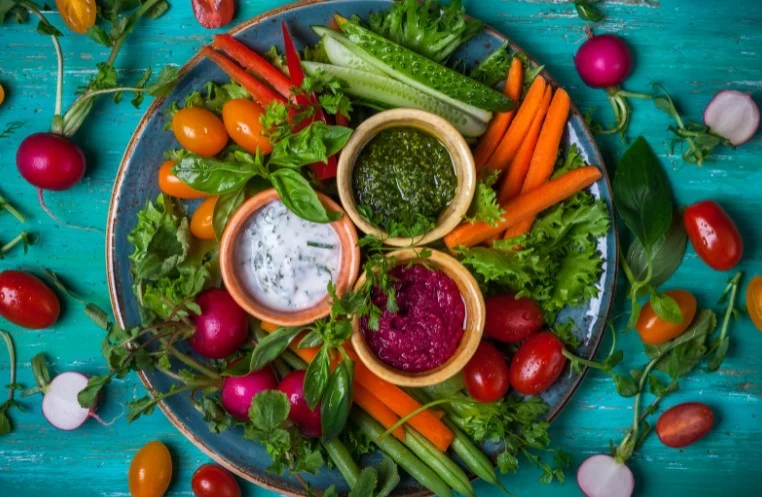
- Abundant Vegetables and Fruits: These form the foundation of most meals, providing essential vitamins, minerals, fiber, and antioxidants. Think leafy greens, bell peppers, tomatoes, cucumbers, berries, citrus fruits, and more.
- Whole Grains: Opting for whole grains like quinoa, farro, barley, brown rice, and whole wheat bread ensures a steady release of energy and provides dietary fiber, which is crucial for digestive health and satiety.
- Legumes and Beans: Lentils, chickpeas, black beans, and other legumes are excellent sources of plant-based protein, fiber, and complex carbohydrates, making them a vital component of vegetarian and vegan meals within this diet.
- Nuts and Seeds: Almonds, walnuts, pistachios, chia seeds, flax seeds, and sunflower seeds offer healthy fats, protein, fiber, and a range of micronutrients. They are ideal for snacking or as additions to salads and other dishes.
- Fish and Seafood: Consuming fish, particularly fatty fish rich in omega-3 fatty acids like salmon, mackerel, and sardines, at least twice a week is a hallmark of the Mediterranean Diet. These healthy fats are beneficial for heart and brain health.
- Healthy Fats (Primarily Olive Oil): Extra-virgin olive oil is the principal source of added fat, valued for its monounsaturated fatty acids and antioxidants. It is used for cooking, dressing salads, and as a flavor enhancer.
- Herbs and Spices: Fresh and dried herbs and spices are used liberally to add flavor, reducing the need for excessive salt and offering their own health benefits.
- Moderate Poultry and Dairy: Chicken, turkey, eggs, yogurt, and cheese are consumed in moderation, providing protein and calcium.
- Limited Red Meat and Sweets: Red meat and desserts are typically reserved for special occasions, aligning with the diet’s emphasis on nutrient-dense, less processed foods.
This diverse array of ingredients makes Mediterranean-style meal prep exceptionally enjoyable and effective. Meals are inherently colorful, satisfying, and can be conveniently assembled using staple ingredients such as quinoa, couscous, farro, roasted vegetables, chickpeas, salmon, chicken, and flavorful sauces and dressings based on olive oil and Greek yogurt.
The Crucial Role of Extra-Virgin Olive Oil
Within the framework of Mediterranean cuisine, extra-virgin olive oil (EVOO) holds a distinguished position. It is not merely a cooking medium but a signature ingredient that defines the flavor profile and contributes significantly to the health benefits of this dietary pattern. EVOO is prized for its rich content of monounsaturated fatty acids, which are linked to improved cholesterol levels and reduced risk of heart disease. Furthermore, it is packed with antioxidants, including polyphenols, which possess anti-inflammatory properties. While other neutral oils may be suitable for high-heat cooking, for Mediterranean recipes, EVOO is the most traditional and flavor-appropriate choice, imparting a distinct fruity and peppery note that is characteristic of the cuisine.
Embarking on a Mediterranean Meal Prep Journey
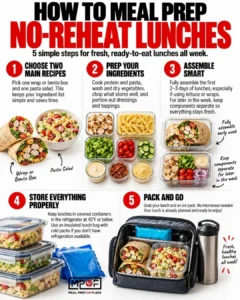
The prospect of incorporating the Mediterranean Diet into a busy weekly routine can be made significantly more manageable through effective meal preparation. The inherent simplicity and adaptability of Mediterranean-inspired dishes lend themselves perfectly to a "cook once, eat multiple times" approach. By dedicating a few hours to preparing key components, individuals can enjoy delicious, healthy, and varied meals throughout the week, without the daily stress of cooking from scratch. This strategy not only saves time but also helps in maintaining dietary consistency and avoiding less healthy impulse food choices.
The following compilation offers a curated selection of 15 easy Mediterranean Diet meal prep recipes designed to inspire and simplify your weekly culinary endeavors. These recipes highlight the versatility of the diet, showcasing how readily available ingredients can be transformed into satisfying and health-promoting meals.
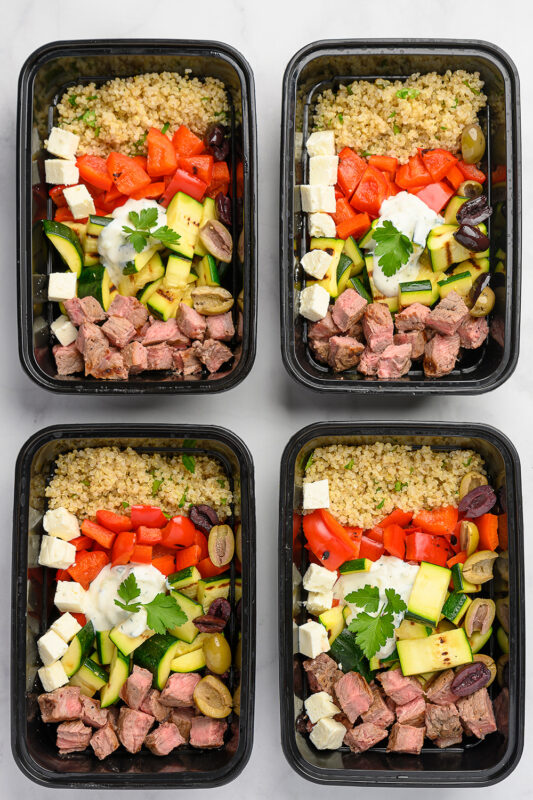
Mediterranean Style Meal Prep Bowls
These versatile bowls are a cornerstone of Mediterranean meal prep. They typically feature a base of whole grains like quinoa or farro, topped with a protein source such as grilled chicken or chickpeas, a medley of roasted or fresh vegetables (think bell peppers, zucchini, cherry tomatoes), and a flavorful dressing, often tahini-based or a lemon-herb vinaigrette. The beauty of these bowls lies in their customizability, allowing for endless variations based on seasonal produce and personal preference. Pre-cooking the grains and roasting the vegetables in advance ensures that assembly each day is a quick and effortless process.
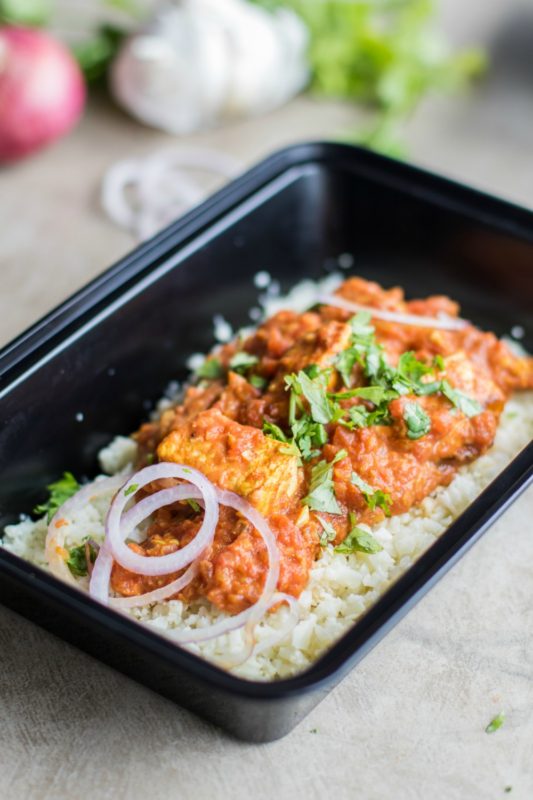
Tofu Tikka Masala
While Tikka Masala is often associated with Indian cuisine, a Mediterranean adaptation can be achieved by incorporating ingredients like tomatoes, onions, garlic, ginger, and a blend of aromatic spices, all simmered in a rich coconut milk or cashew cream base. Tofu, a plant-based protein, readily absorbs the flavors of the sauce. This dish can be paired with brown rice or quinoa for a complete meal. Meal prepping this allows for the flavors to meld further, often improving the taste over time.
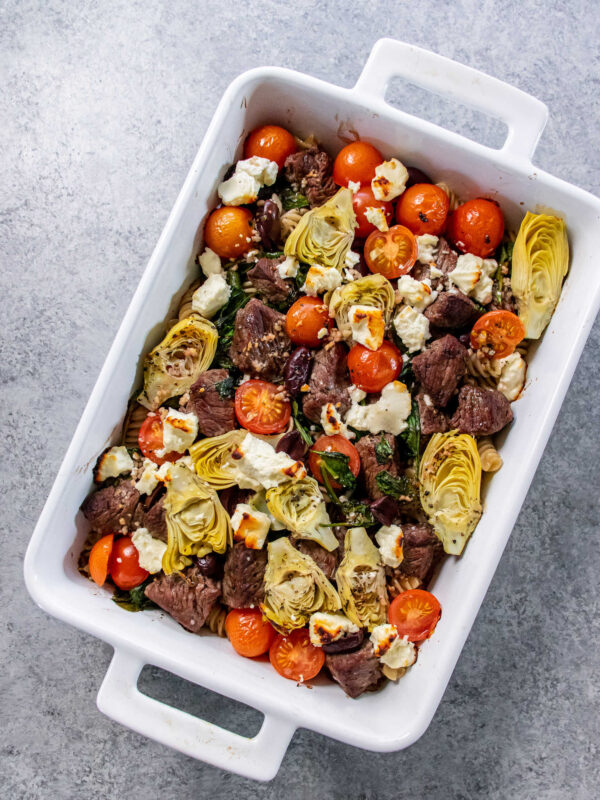
Mediterranean Pasta Bake
A hearty and satisfying option, a Mediterranean pasta bake can be prepared in advance and reheated. The base typically involves whole wheat pasta, combined with a robust tomato sauce, vegetables such as spinach, artichoke hearts, and sun-dried tomatoes, and often feta cheese or a plant-based alternative. Baked until golden and bubbly, this dish offers a comforting yet healthy meal. Preparing it in individual oven-safe containers makes portioning and reheating straightforward.
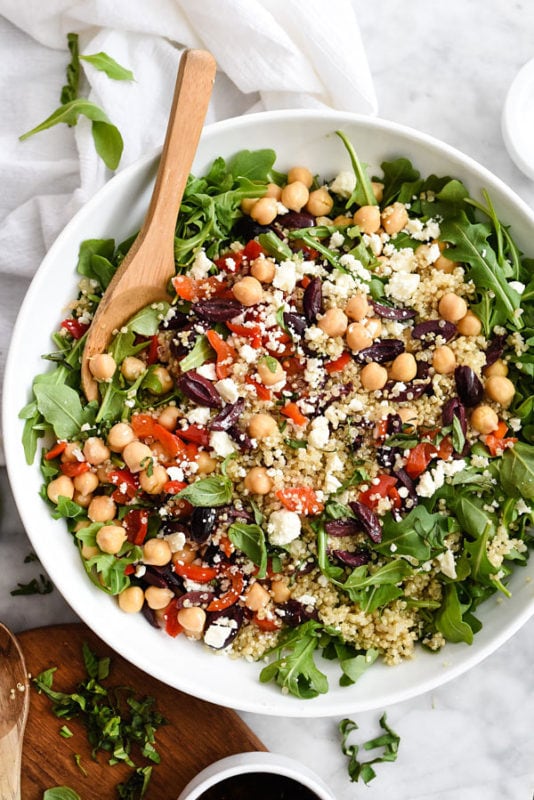
Mediterranean Quinoa Salad
This vibrant salad is a powerhouse of nutrients. Quinoa serves as the protein-rich grain base, complemented by chopped cucumbers, bell peppers, red onions, Kalamata olives, cherry tomatoes, and fresh parsley. A lemon-oregano vinaigrette, made with extra-virgin olive oil, ties all the flavors together. This salad can be made several days in advance, making it an ideal grab-and-go lunch option. Adding grilled chicken, shrimp, or chickpeas can further enhance its protein content.
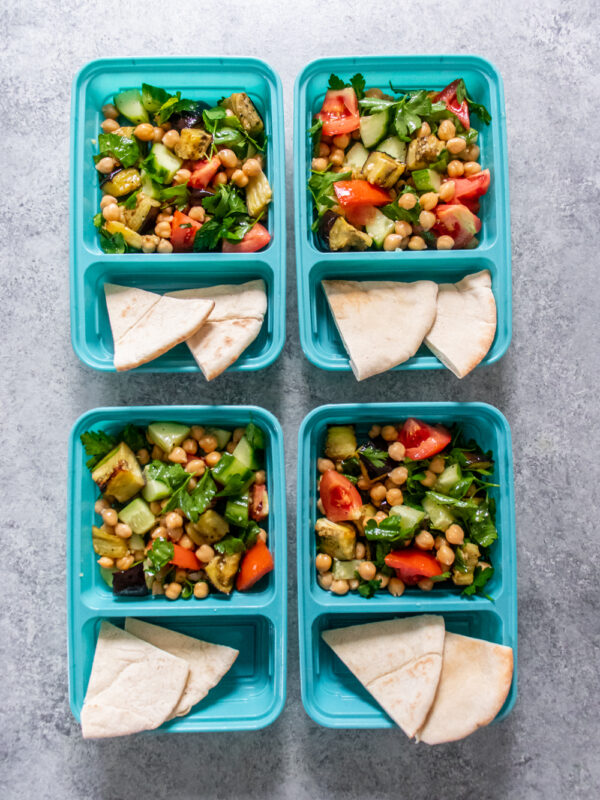
Mediterranean Roasted Eggplant Salad
Roasted eggplant, with its creamy texture and smoky flavor, is a star ingredient in this salad. Cubed eggplant is roasted until tender, then tossed with ingredients like chickpeas, red onion, bell peppers, fresh mint, and a lemon-tahini dressing. This salad is not only flavorful but also rich in fiber and healthy fats, making it a satisfying and nutritious choice. It holds up well in the refrigerator, making it perfect for meal prep.
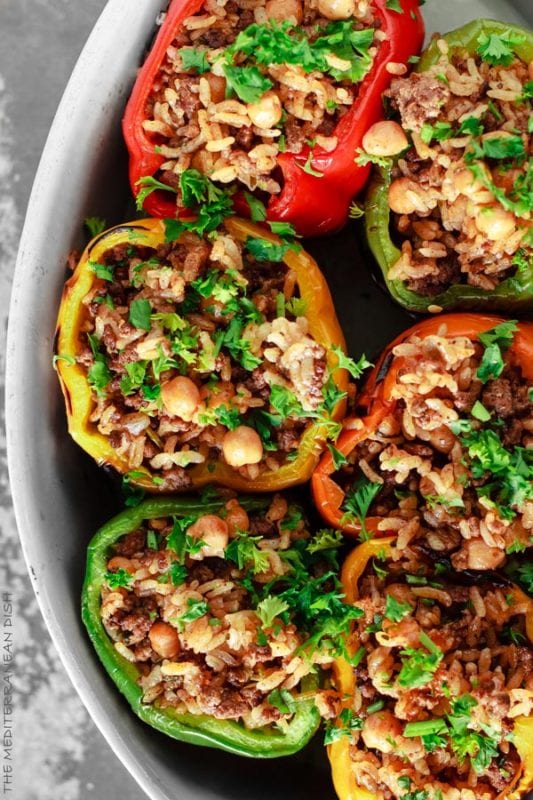
Mediterranean Stuffed Bell Peppers
Bell peppers provide a natural, edible vessel for a flavorful filling. For a Mediterranean twist, the stuffing can include a mixture of ground turkey or lean beef (or lentils for a vegetarian option), cooked quinoa or brown rice, diced tomatoes, onions, garlic, herbs like oregano and parsley, and a hint of cinnamon. Baked until tender, these stuffed peppers are a complete and visually appealing meal that can be easily portioned and reheated.
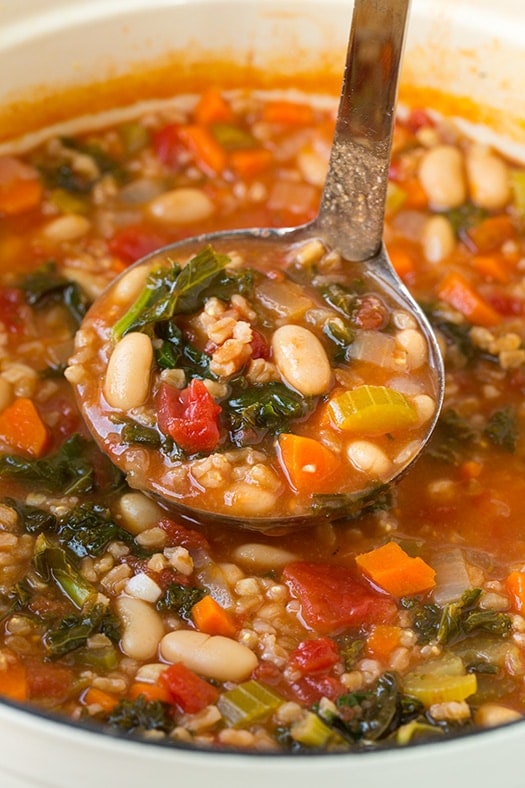
Mediterranean Kale, Cannellini & Farro Stew
This hearty and nourishing stew is perfect for cooler weather or when a more substantial meal is desired. It features nutrient-dense kale, creamy cannellini beans, and chewy farro, simmered in a vegetable broth with aromatic vegetables like carrots, celery, and onions, seasoned with herbs such as rosemary and thyme. This stew is an excellent candidate for meal prep, as its flavors deepen and improve with time.
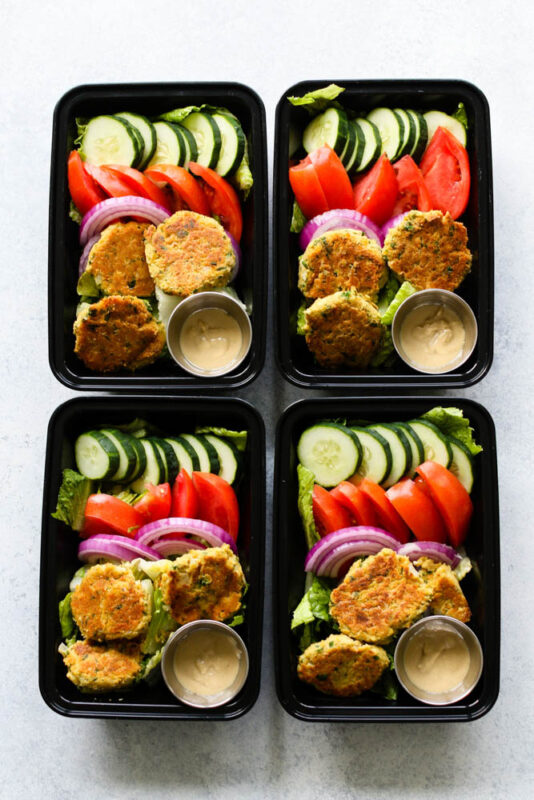
Super Easy Falafel Meal Prep
Falafel, the traditional Middle Eastern fritters made from ground chickpeas or fava beans, are a flavorful and versatile vegetarian protein source. Pre-making falafel balls and storing them can simplify meal prep considerably. They can be enjoyed in wraps, salads, or bowls, typically served with tahini sauce, hummus, and a side of fresh vegetables. The key to successful falafel meal prep is ensuring they are cooked through and stored properly to maintain their texture.
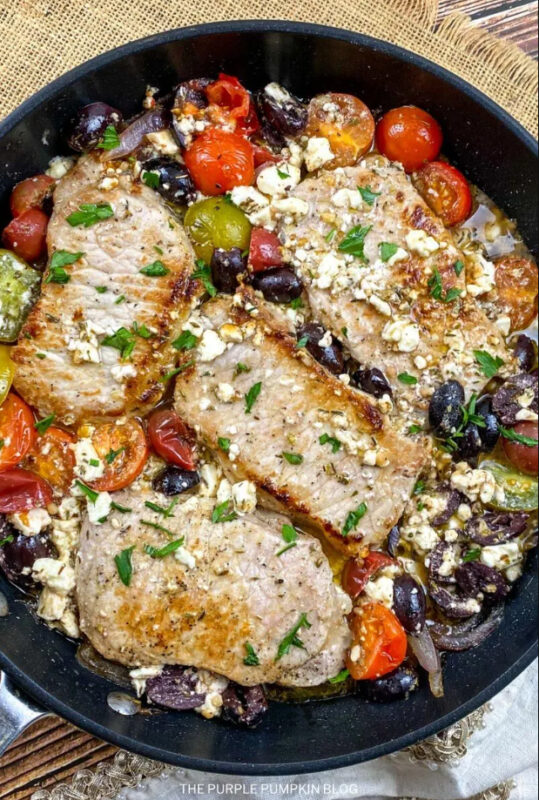
Flavorful One-Pan Mediterranean Pork Chops for Busy Weeknights
This recipe streamlines the cooking process by utilizing a single pan. Pork chops are seasoned with Mediterranean herbs and spices, then baked alongside a colorful assortment of vegetables like bell peppers, zucchini, cherry tomatoes, and red onions. The result is a complete, flavorful meal with minimal cleanup. Preparing the ingredients ahead of time, such as chopping the vegetables, can further expedite the cooking process on busy weeknights.
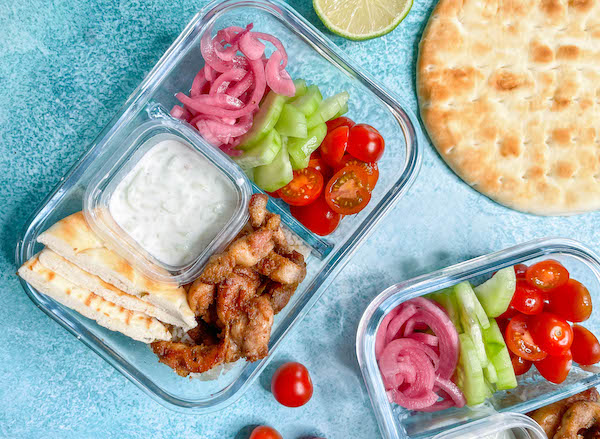
Mediterranean Chicken Shawarma Bowl
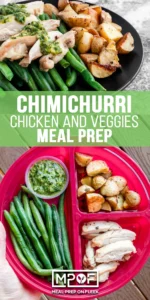
Inspired by the popular Middle Eastern street food, these bowls feature marinated chicken, typically seasoned with a blend of spices like cumin, coriander, paprika, and garlic. The chicken is often grilled or roasted, then served over a bed of rice or couscous, accompanied by chopped cucumbers, tomatoes, red onions, and a dollop of garlic yogurt sauce or tahini. Pre-marinating the chicken and preparing the base grains and vegetables makes for a quick daily assembly.
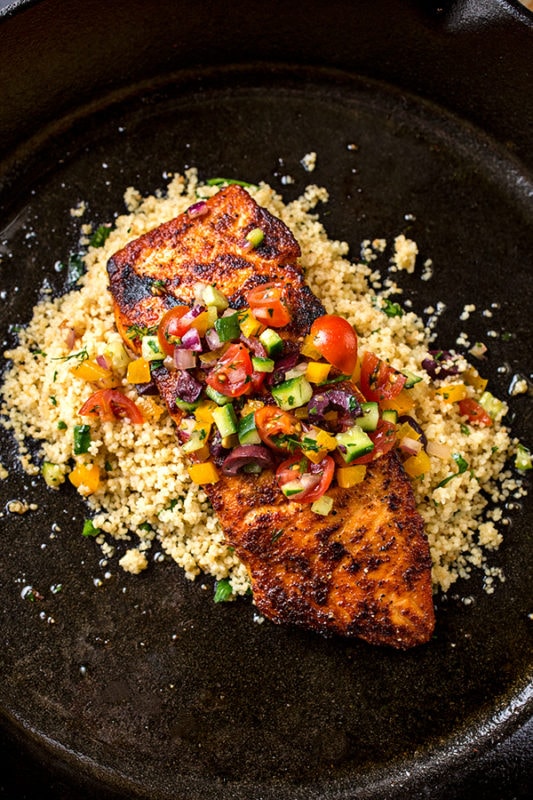
Pan Seared Salmon
Salmon, rich in omega-3 fatty acids, is a nutritional powerhouse and a staple in the Mediterranean Diet. Pan-searing salmon fillets creates a delightful crispy skin and moist interior. This can be prepared ahead and enjoyed cold or reheated gently. It pairs exceptionally well with roasted vegetables, a side of quinoa, or a fresh green salad. The quick cooking time makes it an efficient meal prep component.
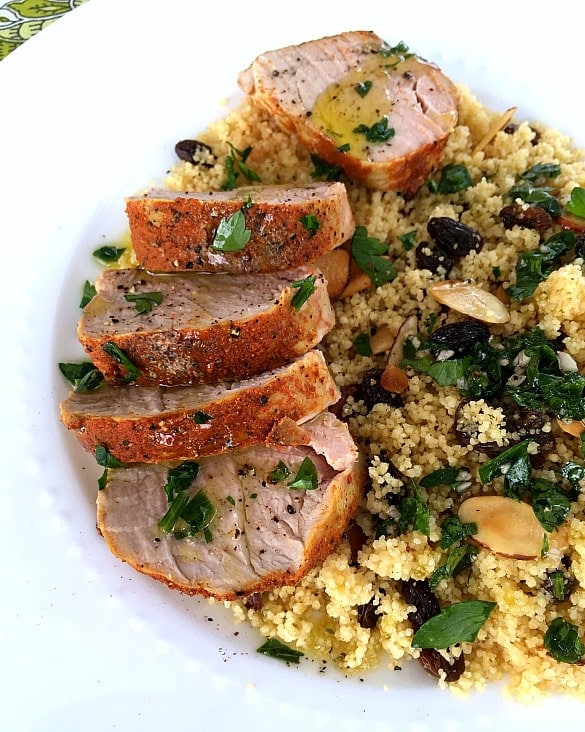
Mediterranean Pork Tenderloin & Couscous in the Slow Cooker
For hands-off meal preparation, a slow cooker is an invaluable tool. Pork tenderloin, marinated in Mediterranean flavors (lemon juice, garlic, oregano, olive oil), can be slow-cooked until tender and then shredded or sliced. This can be served with pre-cooked couscous and a side of roasted vegetables for a complete, effortless meal. The slow cooking process ensures the pork is incredibly moist and flavorful.
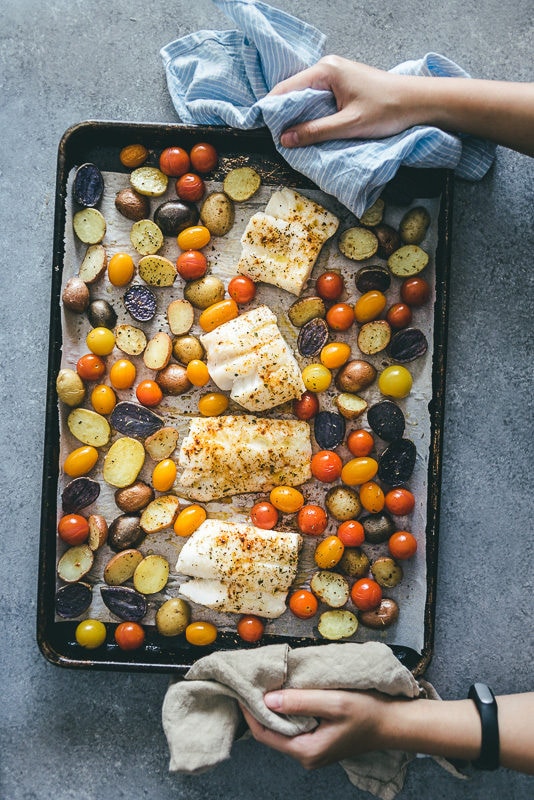
One Pan Baked Cod & Veggies
Similar to the pork chop recipe, this approach uses a single pan for minimal cleanup. Cod fillets, known for their mild flavor and flaky texture, are baked with a medley of Mediterranean vegetables such as zucchini, bell peppers, cherry tomatoes, and red onions, often seasoned with lemon, garlic, and herbs. This dish is not only healthy but also cooks relatively quickly, making it ideal for weeknight meal prep.
Mediterranean Quinoa Bowls With Roasted Red Pepper Sauce
These visually appealing bowls offer a delightful combination of textures and flavors. A base of fluffy quinoa is topped with ingredients like roasted chickpeas, chopped cucumber, bell peppers, and a vibrant roasted red pepper sauce. The sauce, made from roasted red peppers, garlic, olive oil, and lemon juice, adds a sweet and tangy dimension. Preparing the sauce and quinoa ahead of time simplifies daily meal assembly.
Sweet Potato Wedges with Tahini
Sweet potatoes, a nutrient-dense root vegetable, are a fantastic carbohydrate source. Roasted into wedges and drizzled with a creamy tahini sauce, they make for a delicious and satisfying side dish or a component of a larger meal. The tahini sauce, made from tahini paste, lemon juice, garlic, and water, provides a nutty and slightly tangy counterpoint to the sweet potato’s natural sweetness. These wedges can be enjoyed warm or cold.
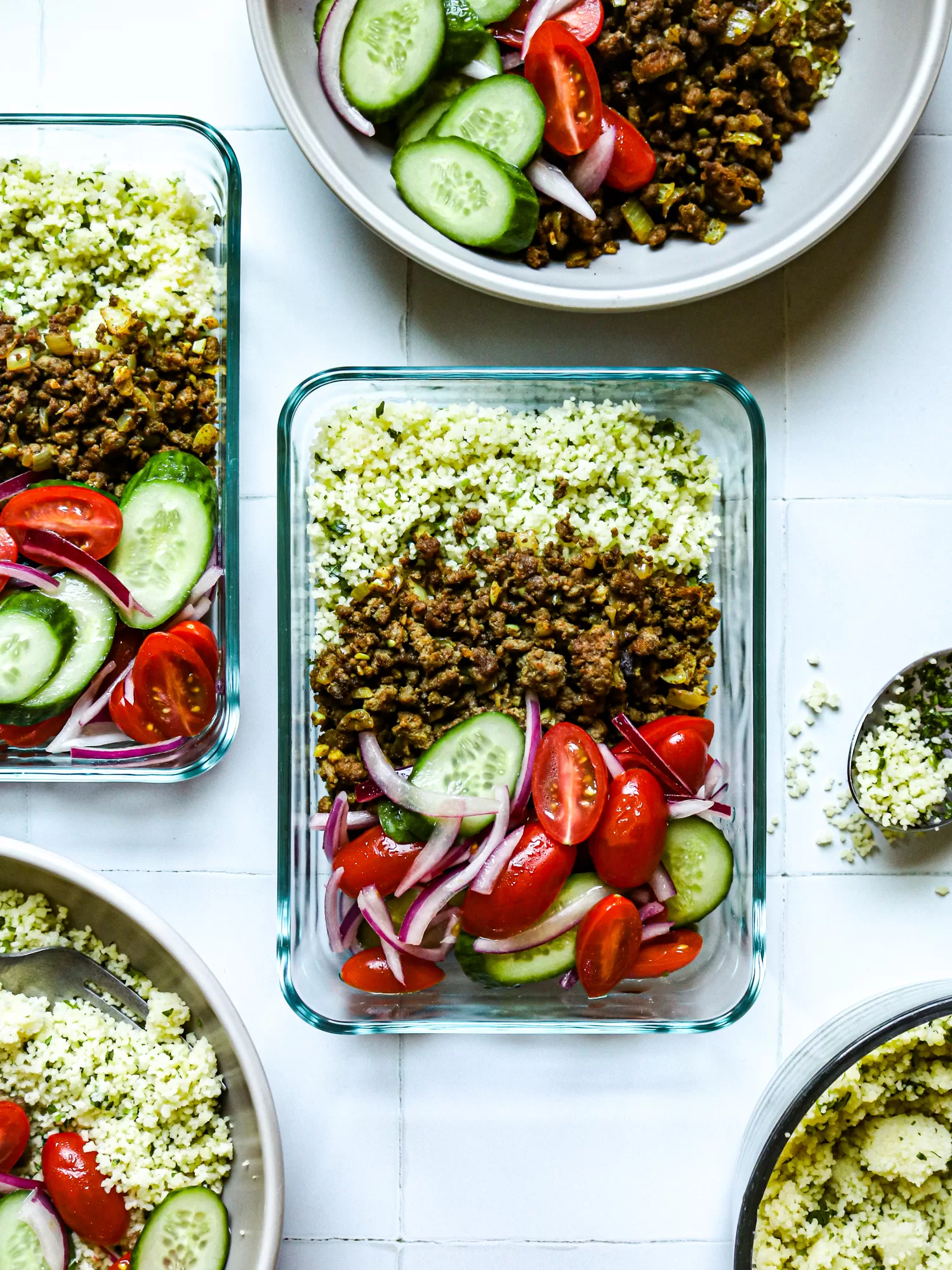
Shawarma-Spiced Beef and Couscous
This dish offers a flavorful and protein-rich meal prep option. Ground beef is seasoned with a robust shawarma spice blend, then cooked and served alongside fluffy couscous. Accompaniments could include chopped tomatoes, cucumbers, fresh parsley, and a drizzle of tahini or a simple lemon vinaigrette. The intense flavors of the shawarma spices make this dish particularly satisfying and enjoyable as leftovers.
The Broader Impact and Future of Mediterranean Meal Prep
The increasing popularity of the Mediterranean Diet is not merely a fleeting trend but a testament to its scientifically validated health benefits and its inherent appeal as a sustainable lifestyle choice. As more individuals seek to integrate healthier eating habits into their busy lives, the strategies employed in Mediterranean meal prep offer a practical and accessible solution. The emphasis on whole, unprocessed foods, combined with the flexibility and flavor profiles of Mediterranean cuisine, ensures that healthy eating remains enjoyable and achievable.
The widespread availability of fresh produce, grains, and legumes, coupled with the growing interest in plant-based and pescatarian diets, further supports the continued growth of Mediterranean-style meal preparation. As culinary innovation continues, we can anticipate even more creative and diverse recipes emerging, making it easier than ever to embrace the principles of the Mediterranean Diet and reap its numerous health rewards. The shift towards mindful eating and preventative health measures underscores the enduring relevance of this time-tested dietary approach.