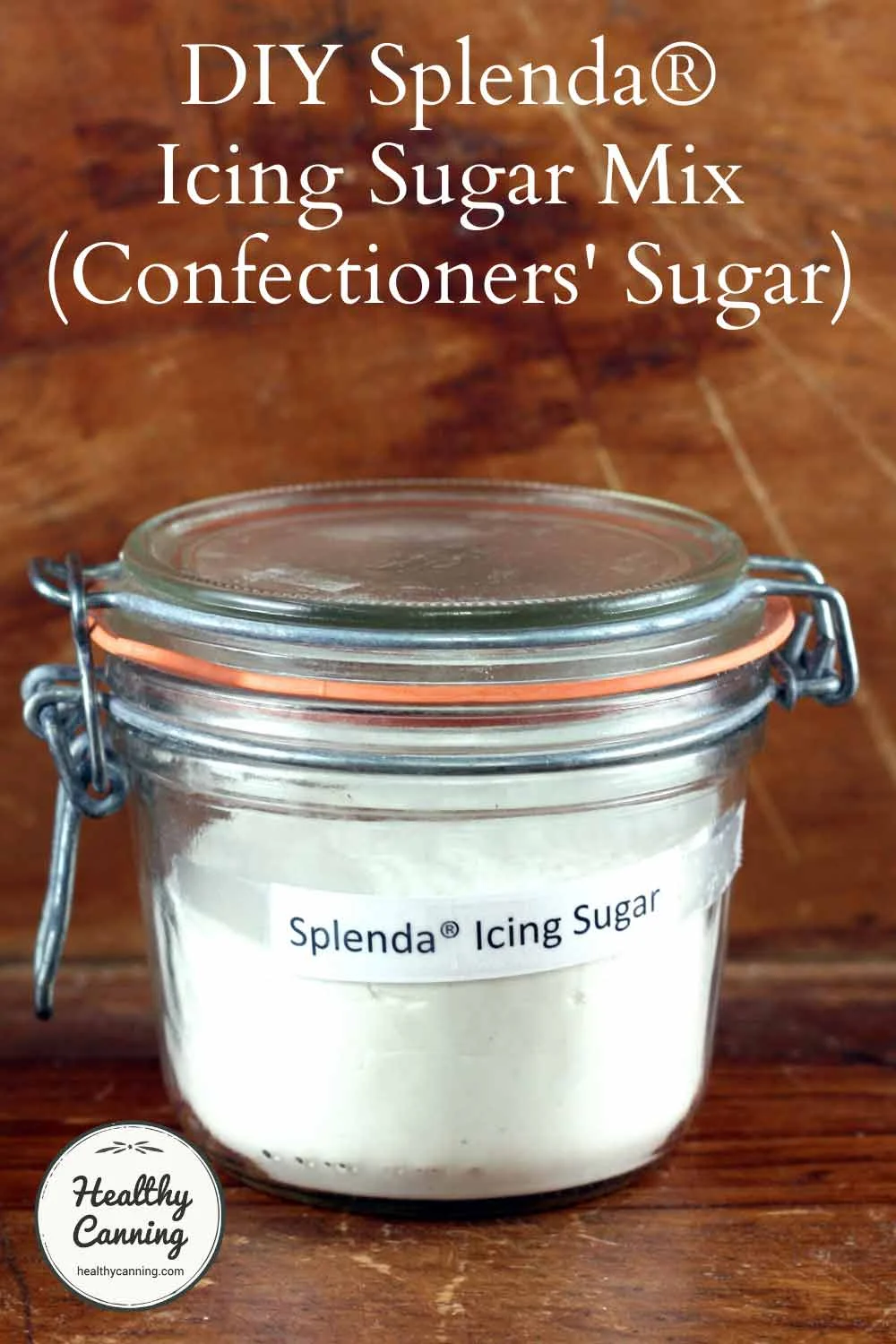

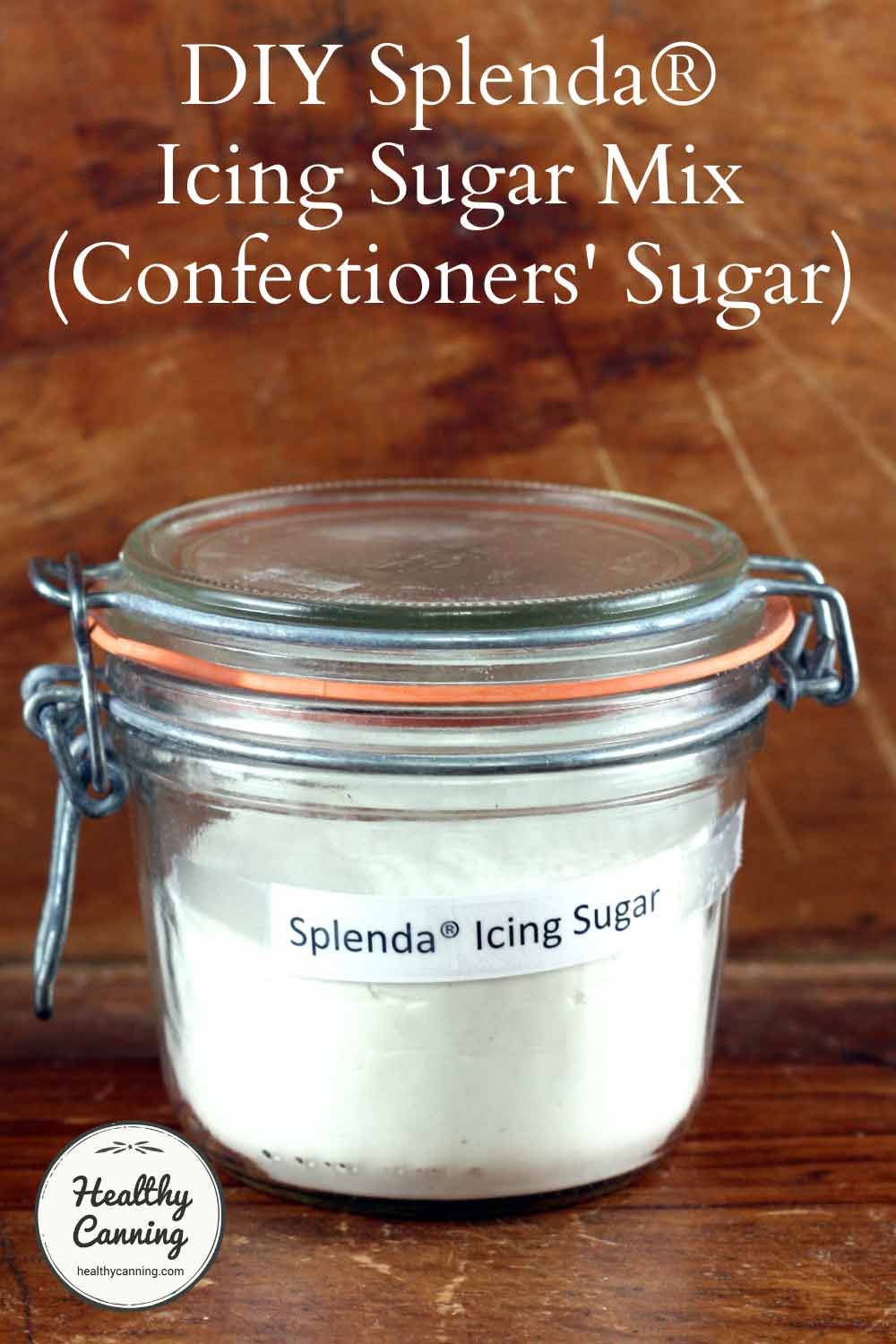
The landscape of modern home baking is undergoing a significant transformation as health-conscious consumers and those managing metabolic conditions like diabetes seek alternatives to traditional refined sugars. Among the most versatile of these alternatives is the creation of a do-it-yourself (DIY) Splenda-based icing sugar, also known as confectioner’s sugar. This innovation allows for the preparation of low-calorie glazes and decorative finishes that were previously high in glycemic impact. By utilizing sucralose—the active sweetening agent in Splenda—home cooks can replicate the fine, powdery texture of commercial icing sugar while drastically reducing the caloric density of their desserts.
The Evolution of Sugar Substitutes in the Culinary Arts
The transition from sucrose to artificial sweeteners has been a decades-long journey driven by public health initiatives and a growing body of research regarding the link between sugar consumption and chronic illnesses. Sucralose, discovered in 1976 and approved for use by the U.S. Food and Drug Administration (FDA) in 1998, has become a staple in this movement. Unlike other sweeteners that break down under heat or lack the bulk required for baking, sucralose remains stable and provides a flavor profile that closely mimics cane sugar without the bitter aftertaste often associated with saccharin or aspartame.
The DIY approach to icing sugar is particularly significant because commercial sugar-free "powdered sugars" are often difficult to find in local supermarkets and can be prohibitively expensive. By converting standard granulated sucralose into a fine powder at home, consumers gain autonomy over their pantry staples and their nutritional intake.
The Science of Texture: Why Powdering Matters
Traditional icing sugar is not merely pulverized sugar; it typically contains a small percentage of anti-caking agents, such as cornstarch, to ensure a smooth flow and prevent clumping. When creating a DIY version using sucralose, the goal is to achieve a micronized particle size that can dissolve instantly into fats or liquids to create a smooth, non-gritty glaze.

Culinary experts note that the texture of icing sugar is essential for "mouthfeel." In a standard glaze, the fine particles create a high surface area that reflects light, giving cakes and pastries their characteristic sheen. When using a blender to create this at home, the high-speed blades break down the granules of sucralose into a dust-like consistency. This physical transformation is what allows a zero-calorie sweetener to behave like a traditional confectioner’s product.
Chronology of the DIY Sweetener Movement
The trend of "hacking" pantry staples reached a fever pitch in the early 2020s, driven by supply chain disruptions and an increased interest in home-based food preservation and healthy canning.
- 2018–2019: Rise of the "Keto" and "Low-Carb" lifestyle movements leads to a surge in demand for powdered sugar alternatives.
- 2020: Global lockdowns encourage home baking; specialty ingredients become scarce, leading to an increase in DIY recipe searches.
- June 2021: Major health and canning platforms, including Healthy Canning, formalize recipes for Splenda-based icing sugar to assist diabetic populations in creating accessible desserts.
- Present: DIY sugar-free mixes are now considered a standard practice for budget-conscious, health-oriented households.
Technical Specifications: The DIY Mix Recipe
To produce a reliable batch of Splenda icing sugar, precision in the blending process is required. The following methodology has been developed to ensure the best results for home use.
The Batch Mix
The standard yield for this recipe is approximately 2 cups (150 grams) of plain icing sugar mix, which is sufficient for four batches of icing or glaze.
- Selection of Base: While brand-name Splenda is the most common choice, generic sucralose or volume-for-volume stevia products can be substituted.
- The Blending Process: It is recommended to blend 1 to 2 cups (25 to 50 grams) at a time. High-speed blending generates friction and heat; processing smaller quantities prevents the sweetener from clumping or melting due to the heat of the blades.
- Storage: Once pulverized, the mix should be stored in an airtight container in a cool, dry place. Because DIY mixes may lack the heavy-duty anti-caking agents of commercial products, a quick shake or sift before use is advised.
Creating the Icing Glaze
To transform the powder into a functional dessert topping, the following proportions are utilized for a single batch:
- Dry Base: A portion of the DIY Splenda powder.
- Fat Source: Margarine or butter.
- Flavoring: Vanilla extract (or alternatives like lemon, almond, or butterscotch).
- Liquid: Water or milk to achieve the desired consistency.
The result is a glaze-style icing. Unlike buttercream, which relies on the structural bulk of actual sugar to hold air, sucralose-based icing is better suited for drizzling over brownies, bundt cakes, or cupcakes.
Nutritional Comparative Analysis
The primary motivation for utilizing a DIY Splenda mix is the significant reduction in caloric intake and the management of blood glucose levels. Traditional icing sugar contains approximately 389 calories per 100 grams, almost all of which come from simple carbohydrates.
According to data provided by Healthy Canning, the caloric footprint of the finished icing depends heavily on the choice of fat:
- Low-Fat Margarine Option: Using a product such as "I Can’t Believe It’s Not Butter, Light" results in approximately 35 calories for an entire batch of icing.
- Butter Option: Using traditional dairy butter increases the caloric count to 102 calories per batch.
For a diabetic patient, the replacement of 15 grams of sugar (which is roughly one tablespoon) with a sucralose alternative can prevent a spike in insulin levels. When scaled up to a full cake or a tray of brownies, the cumulative health benefits are substantial.
Official Responses and Expert Perspectives
Nutritionists and dietitians have generally responded positively to these DIY alternatives, provided they are used as part of a balanced diet. "Empowering patients to create their own sugar-free versions of comfort foods is a key strategy in long-term dietary compliance," says a spokesperson for a leading diabetic advocacy group. "When a person doesn’t feel deprived of sweets, they are less likely to experience the ‘yo-yo’ effect of restrictive dieting."

However, some culinary professionals remind users that sucralose does not behave exactly like sugar in all chemical reactions. For instance, sugar aids in browning (the Maillard reaction) and provides structural stability in meringues. While the DIY Splenda mix is excellent for icing and glazes, it cannot always be substituted 1:1 in recipes where sugar’s physical properties are required for the bake itself.
Broader Impact and Implications for Food Accessibility
The ability to create specialized dietary products at home has broader implications for food security and economic accessibility. Specialty "diabetic-friendly" foods are often priced at a premium, sometimes costing 200% to 300% more than their standard counterparts. By providing a pathway for consumers to manufacture these items using basic ingredients and a standard blender, the "wellness gap" between different socioeconomic groups can be narrowed.
Furthermore, this DIY approach aligns with the "clean label" trend. By making icing sugar at home, consumers can avoid the preservatives and artificial flow agents found in some commercial shelf-stable frostings. They can also control the quality of the fats used, opting for heart-healthy unsaturated fats over trans fats.
Conclusion: A Staple for the Modern Kitchen
The DIY Splenda icing sugar mix represents more than just a recipe; it is a tool for health management and culinary creativity. As the prevalence of Type 2 diabetes continues to rise globally, the demand for such innovations will only increase. By understanding the science of the ingredients and the techniques required to manipulate them, home cooks can continue to enjoy the traditions of baking without compromising their long-term health objectives. Whether it is a simple chocolate glaze made with unsweetened cocoa powder or a bright lemon drizzle for a summer loaf, the versatility of this mix ensures that "healthy" and "delicious" are no longer mutually exclusive terms in the world of confectionery.