
The Evolution of Weeknight Dining: A Socioeconomic Perspective
The concept of the "30-minute meal" is not merely a convenience but a direct response to profound societal shifts observed over the past few decades. Historically, traditional meal preparation often involved extended periods in the kitchen, a luxury fewer households can afford today. Data from organizations like the U.S. Bureau of Labor Statistics indicate a consistent decline in the average time Americans spend on food preparation and cleanup, dropping from approximately 60 minutes per day in the 1960s to around 30 minutes in recent years. This trend correlates with the rise of dual-income households, increased participation in extracurricular activities for children, and the pervasive nature of digital connectivity that blurs the lines between work and personal time. The scramble described by many individuals between after-school activities, professional deadlines, and the general exigencies of daily life is a widely shared experience, transforming the dinner table into a potential source of stress rather than a haven of nourishment and connection. Consequently, solutions that promise swift, yet satisfying, meals have moved from niche interest to mainstream necessity, influencing grocery store offerings, food media content, and kitchen appliance innovations.
Nutritional Imperatives and Health Implications of Rapid Home Cooking
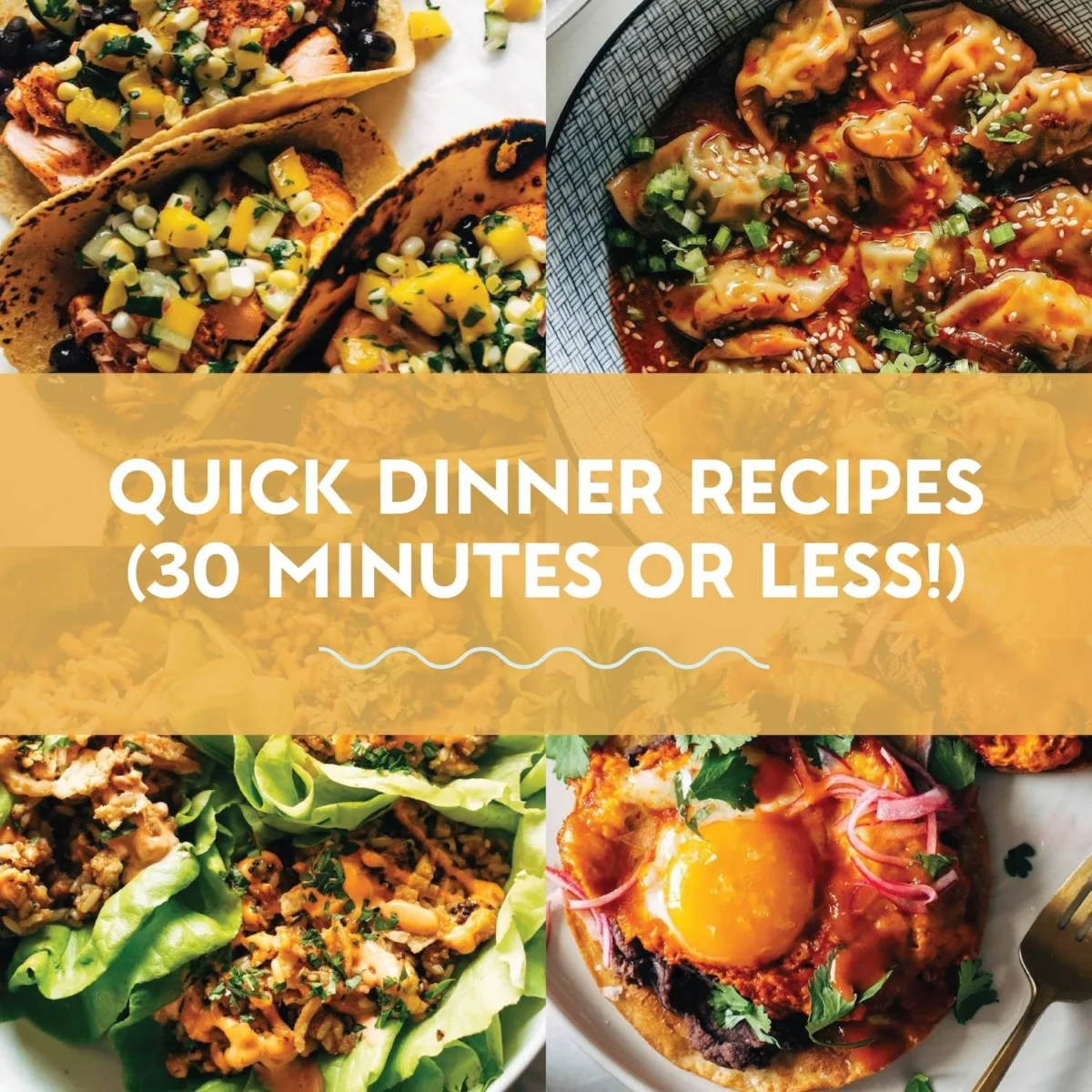
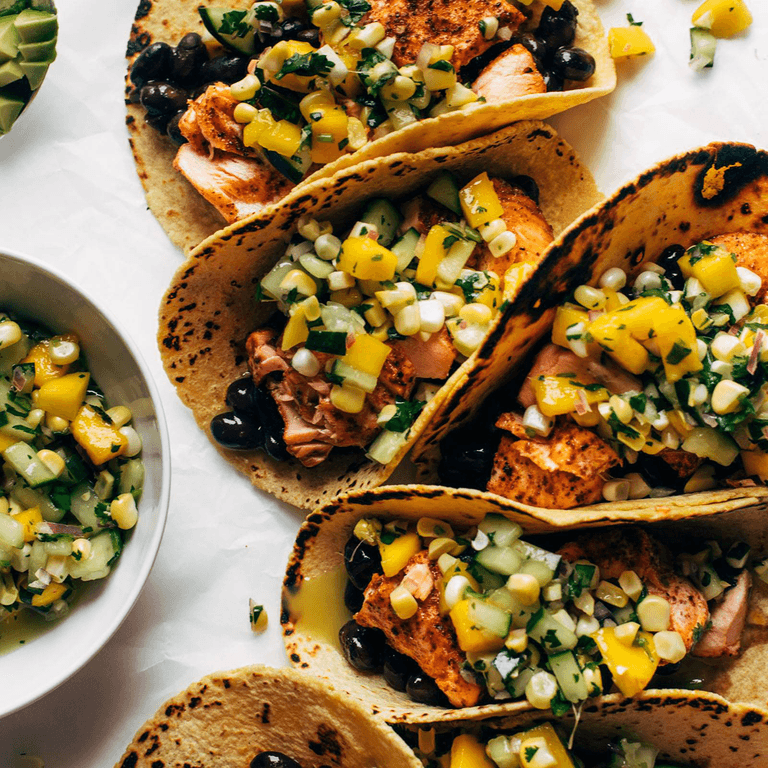
Beyond the undeniable convenience, the emphasis on quick home-cooked meals carries significant nutritional and health benefits. A persistent challenge for busy individuals and families is the temptation to resort to takeout, fast food, or highly processed convenience meals, which often come with elevated levels of sodium, unhealthy fats, and added sugars. Studies published in journals such as Public Health Nutrition have consistently linked frequent consumption of away-from-home meals with higher caloric intake and poorer dietary quality. Conversely, home cooking, even when executed rapidly, empowers individuals to control ingredients, portions, and cooking methods, leading to healthier outcomes. Incorporating fresh vegetables, lean proteins, and whole grains becomes more manageable when recipes are streamlined for speed. For instance, dishes like ‘Salmon Tacos with Mango Corn Salsa’ or ‘Steph’s Chickpea Curry with Spinach and Rice’ demonstrate how vibrant, nutrient-dense ingredients can be assembled quickly, providing essential vitamins, minerals, and fiber that might be lacking in commercially prepared alternatives. This approach allows families to enjoy diverse, balanced diets without the time commitment typically associated with elaborate culinary endeavors, contributing to better long-term health management and chronic disease prevention.
Strategic Kitchen Management: Tools and Techniques for Efficiency
Achieving consistently quick dinner preparation relies heavily on strategic kitchen management. The original article briefly touches upon "essential kitchen tools," and expanding on this concept is crucial for maximizing efficiency. A well-stocked pantry featuring staples like canned beans, various pasta types, rice, a selection of spices, and high-quality oils forms the bedrock of rapid meal creation. Similarly, a freezer stocked with quick-thawing proteins (shrimp, pre-cut chicken), frozen vegetables, and prepared sauces can drastically cut down on prep time.
Key kitchen tools that facilitate speed include:
- High-quality knives: Essential for rapid and safe chopping, dicing, and slicing.
- Cutting boards: Multiple boards prevent cross-contamination and allow parallel prep.
- Large skillets and sheet pans: Ideal for one-pan meals and minimizing cleanup, such as for ‘Sheet Pan Shrimp and Cauli Rice’.
- Instant Pot or Slow Cooker: While some recipes are inherently quick, these appliances can dramatically reduce hands-on time for specific components (e.g., cooking grains or tenderizing meats), as seen with ‘Instant Pot Creole Chicken and Sausage’.
- Food processor: For quick chopping of vegetables or making sauces like the Aji Verde for ‘Smoky Beans & Greens Tacos’.
- Blender: Useful for whipping up quick sauces or pureeing ingredients.
Furthermore, adopting techniques such as "mise en place" (everything in its place) by pre-chopping vegetables or measuring spices before cooking begins, and practicing intelligent batch cooking for components like grains or roasted vegetables, can significantly reduce the perceived and actual cooking time during peak weeknight hours. The integration of ready-made components, like pre-made pizza crusts for ‘The Absolute Easiest Spinach and Artichoke Pizza’ or focaccia from specialty stores for sandwiches, further exemplifies smart time-saving strategies.
A Curated Selection of High-Speed Culinary Solutions
The compilation of 40 recipes highlights a broad spectrum of culinary options designed for speed and flavor. These dishes cater to diverse palates and dietary preferences, ensuring that "quick" does not equate to "monotonous."
Seafood in Minutes: Fresh and Flavorful
Seafood is inherently fast-cooking, making it an excellent choice for 30-minute meals. The recipes demonstrate how to transform simple fish and shellfish into vibrant, complex dishes.
- Salmon Tacos with Mango Corn Salsa: Features quickly seared salmon paired with a refreshing, vibrant salsa.
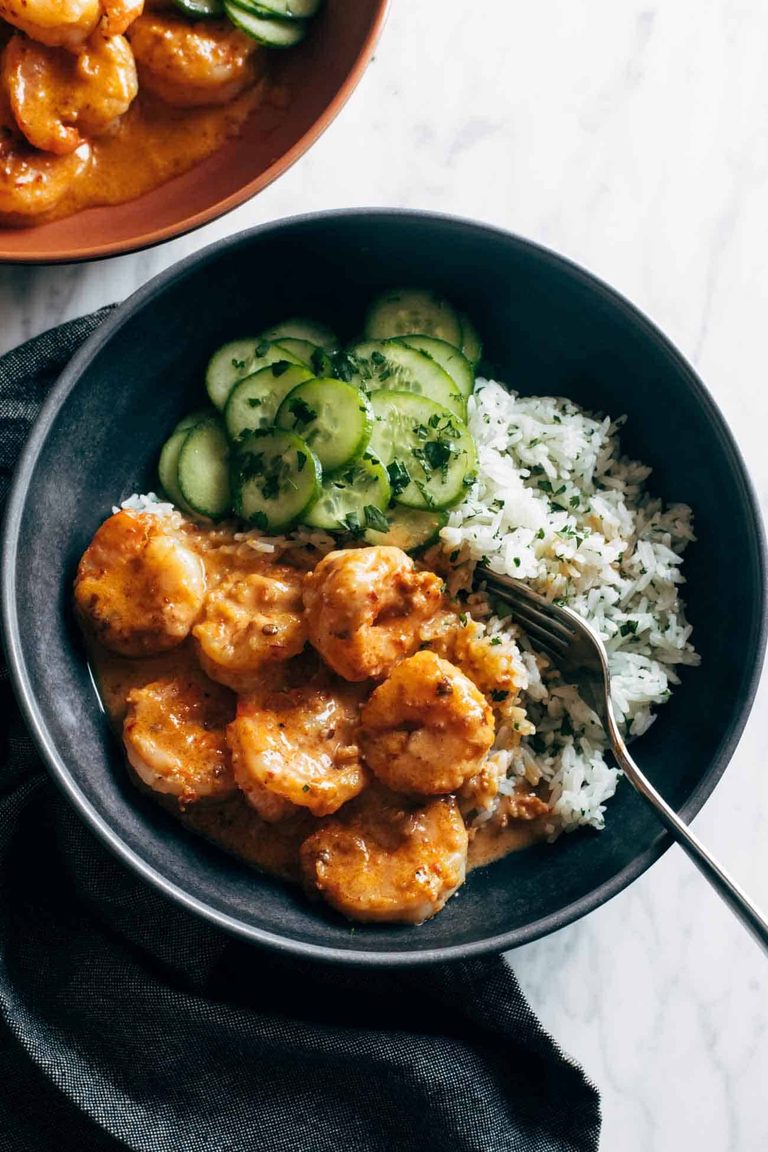
- Chipotle Orange Shrimp with Cilantro Rice: Tender shrimp coated in a sweet-smoky cream sauce, served with aromatic rice and tangy cucumbers.
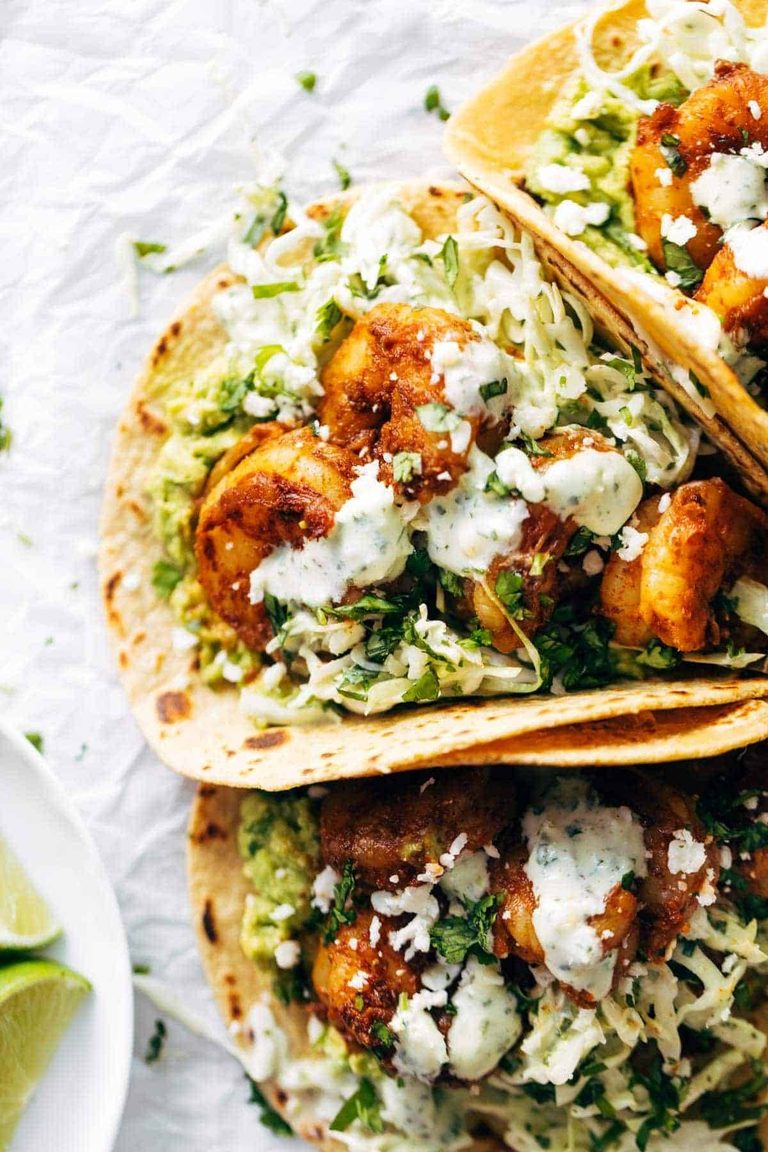
- Spicy Shrimp Tacos with Garlic Cilantro Lime Slaw: Combines spicy shrimp with creamy, zesty slaw for a satisfying texture and flavor profile.
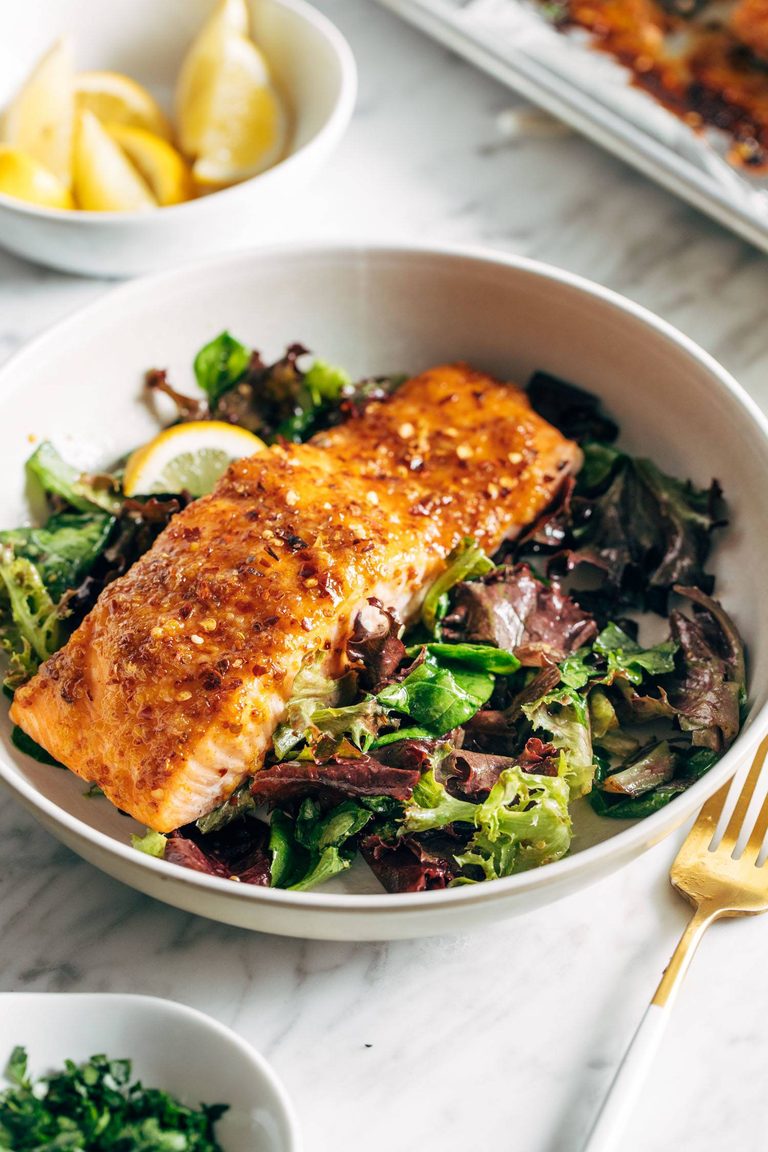
- Hot Honey Salmon: A spicy-sweet salmon dish enhanced with garlic, mustard, honey, and red pepper flakes.
- Best Easy Fish Tacos: Showcases tender, flaky fish with a spicy kick, complemented by garlic cilantro lime slaw.
- BBQ Salmon Bowls with Mango Avocado Salsa: Smoky-sweet salmon served in a bowl with a zesty, fresh salsa, ideal for a balanced meal.
Plant-Based Powerhouses: Vibrant Vegetarian & Vegan Options
Vegetarian and vegan meals are often naturally quick to prepare, relying on pulses, tofu, and fresh produce.
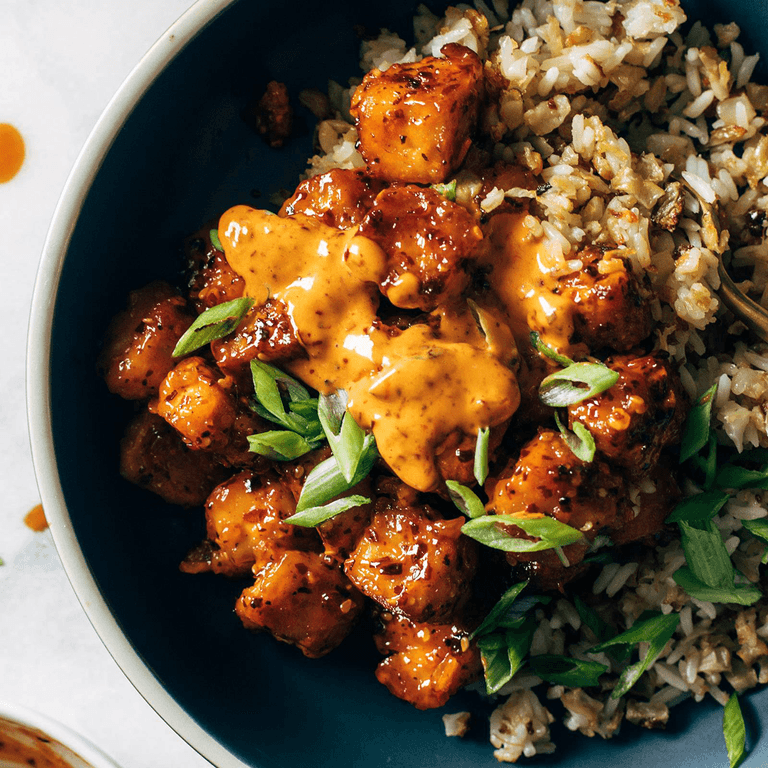
- Chili Crunch Tofu: Crispy baked tofu tossed in a sweet, sticky, and spicy chili sauce.
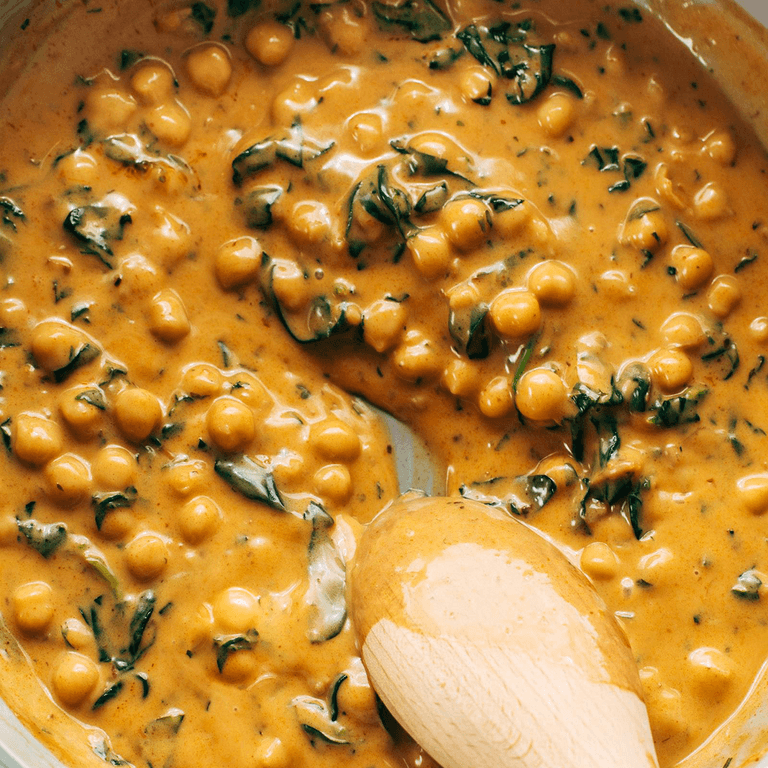
- Steph’s Chickpea Curry with Spinach and Rice: A creamy, saucy chickpea curry, ready in 20 minutes, served with rice and chili crisp.
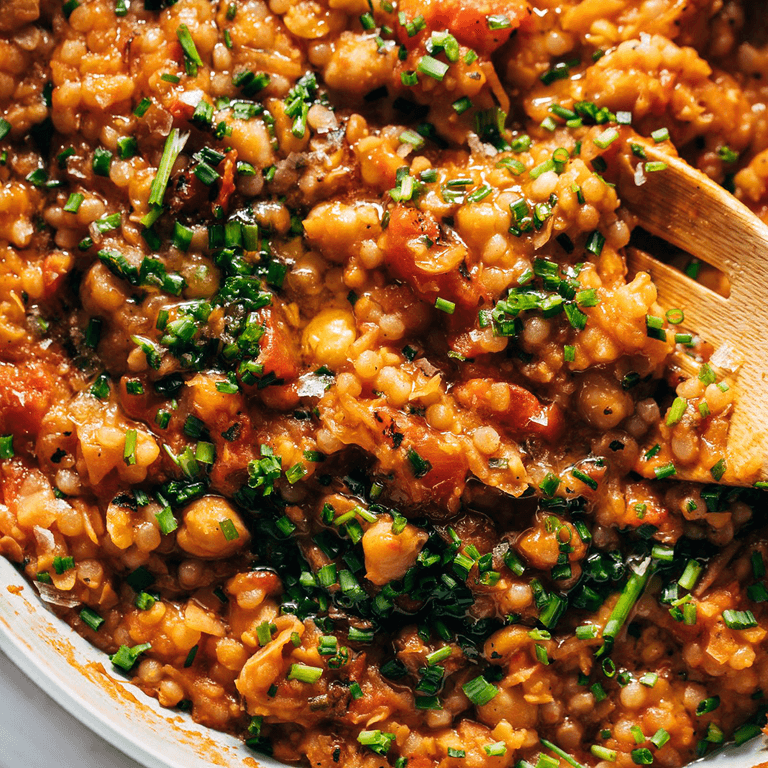
- Pearl Couscous Skillet with Tomatoes, Chickpeas, and Feta: A steamy, flavorful skillet dish packed with vibrant ingredients and fresh herbs.
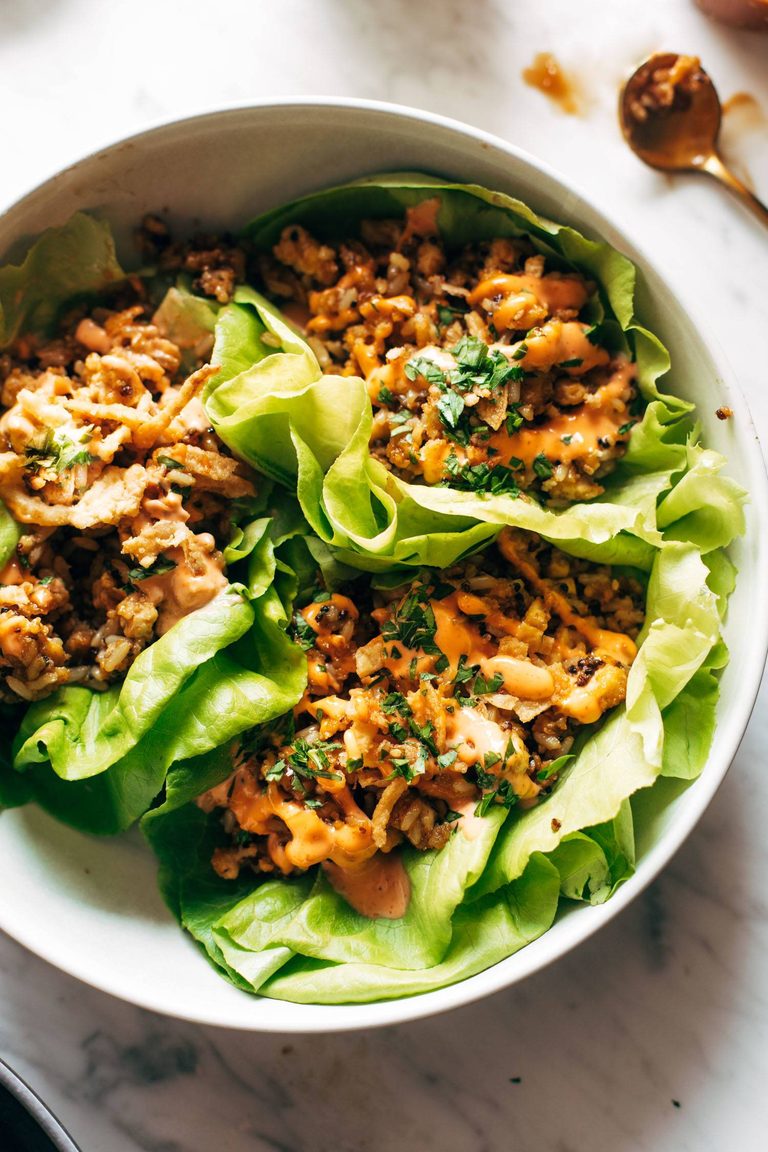
- Tofu and Brown Rice Lettuce Wraps with Peanut Sauce: Crunchy, fresh wraps filled with tofu, brown rice, and a delectable peanut sauce.
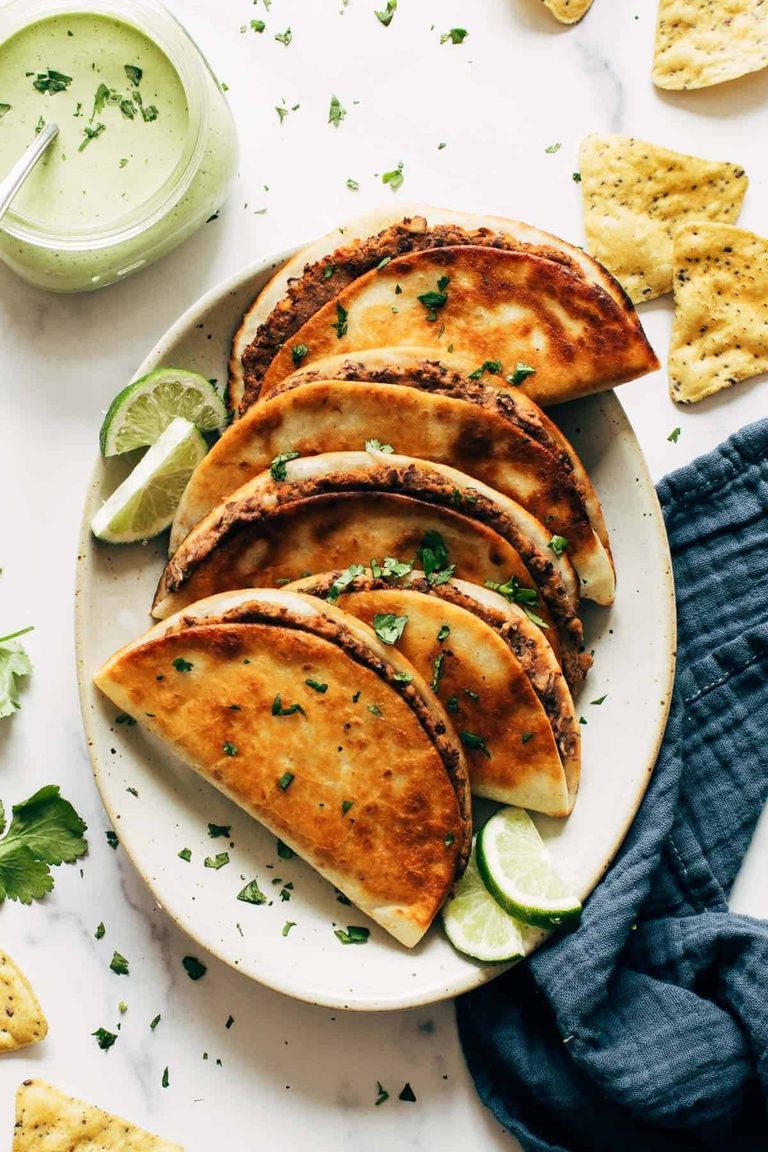
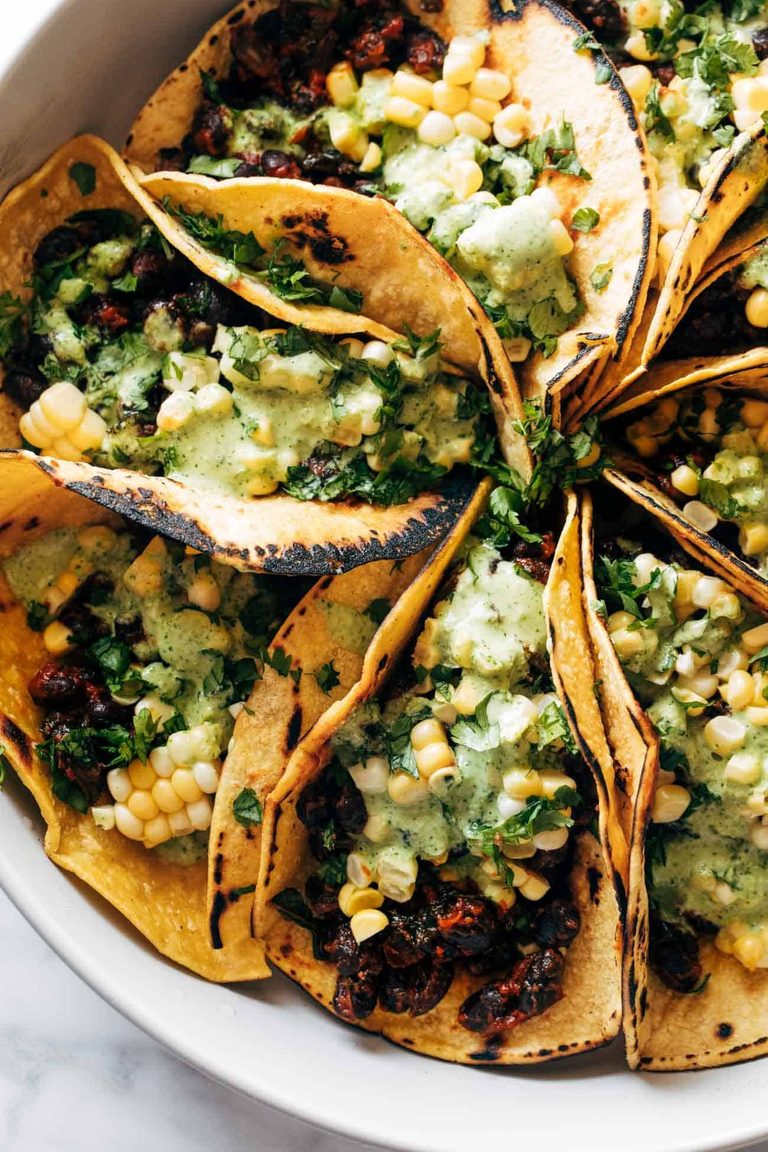
- Crispy Black Bean Tacos with Cilantro Lime Sauce: Vegetarian tacos featuring a satisfying black bean filling, fresh salsa, and a creamy cilantro lime sauce.
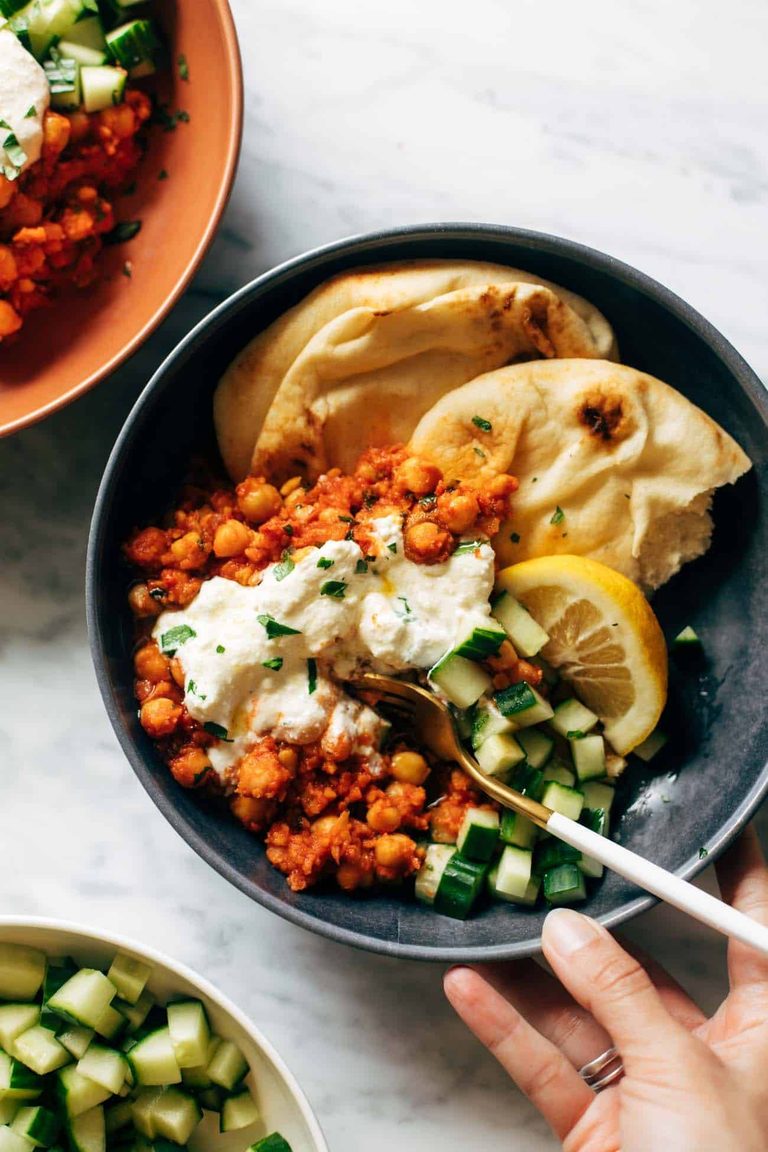
- Harissa Chickpeas with Whipped Feta: Spicy, saucy chickpeas served with creamy whipped feta, naan, and fresh vegetables.
- Smoky Beans & Greens Tacos with Aji Verde: Black beans sautéed with kale and garlic, served in charred tortillas with a punchy green sauce.
- Creamy Thai Sweet Potato Curry: A nutritious and comforting curry, ideal for cooler evenings.
- Spiced Chickpea and Couscous Bowls: Healthy and flavorful bowls, perfect for busy weeknights and meal prepping.
- Cauliflower Fried Rice with Crispy Tofu: A healthier take on fried rice, featuring cauliflower, vegetables, eggs, and crispy baked tofu.
Poultry & Pork Perfection: Versatile and Satisfying
Chicken and pork are adaptable proteins that can be quickly transformed into diverse and delicious meals.
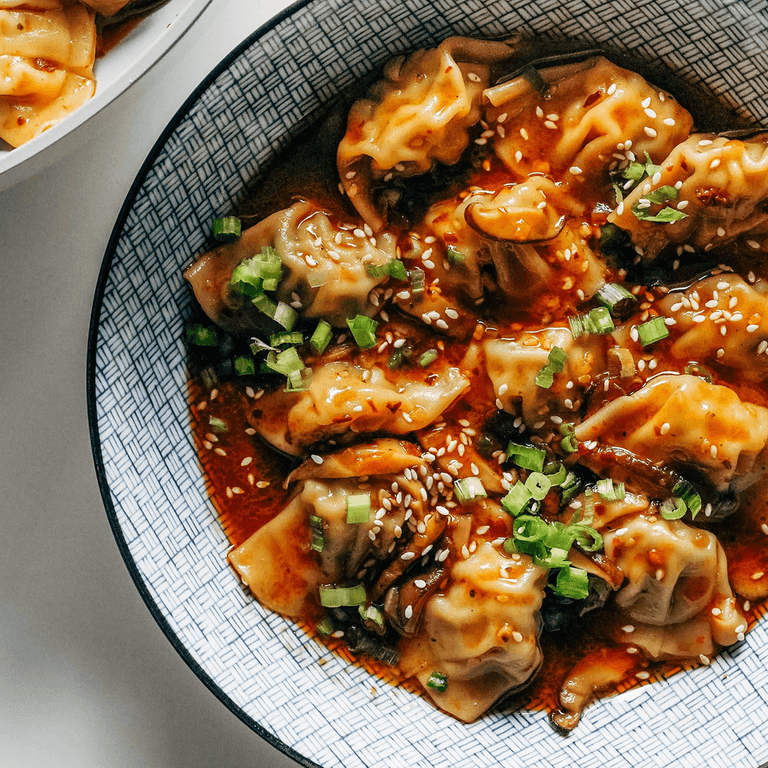
- Chicken Wontons in Spicy Chili Sauce: Flavorful chicken and shiitake mushroom wontons in a brothy, spicy sauce.
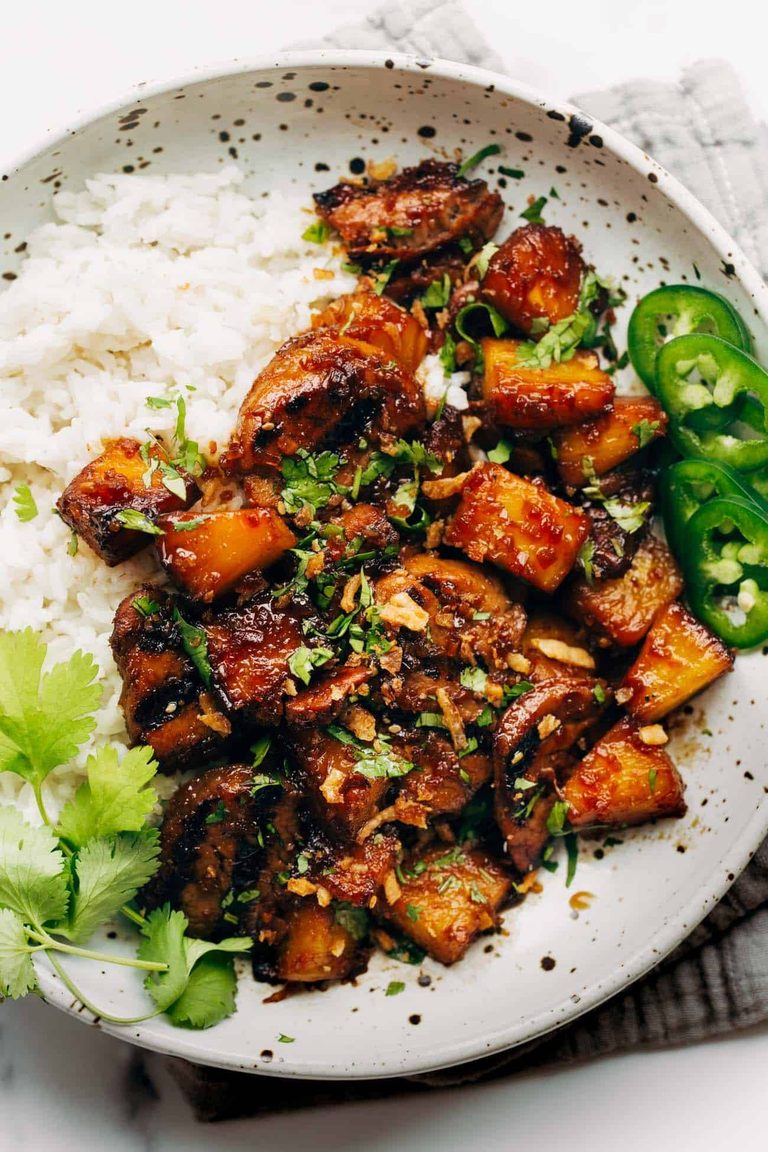
- Pineapple Pork with Coconut Rice: Sticky-sweet pork with juicy pineapple, herbs, and crispy onions over fluffy coconut rice.
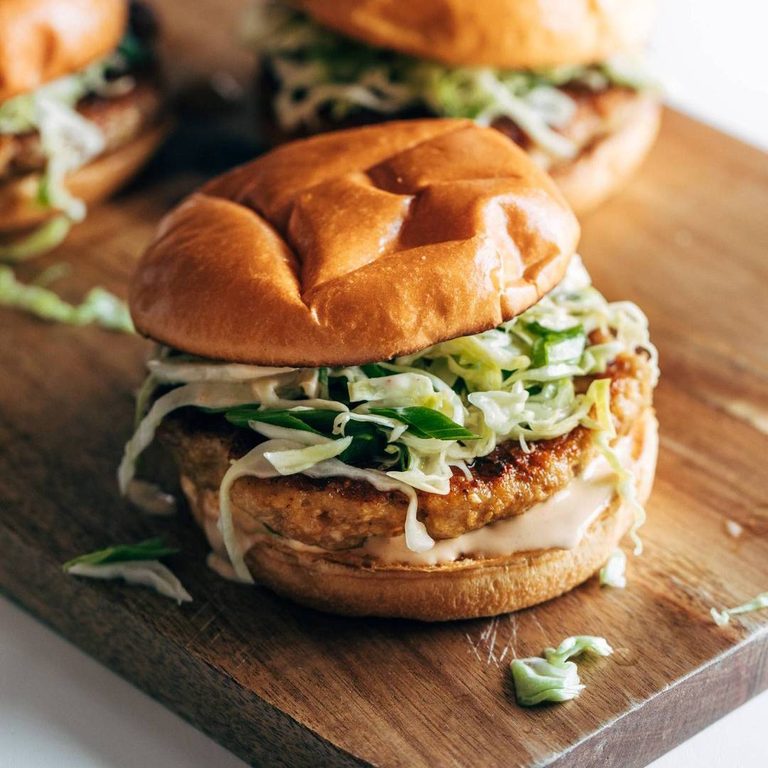
- Chicken Teriyaki Burgers with Sesame Slaw: Caramelized chicken burgers with a savory sesame slaw on toasted buns.
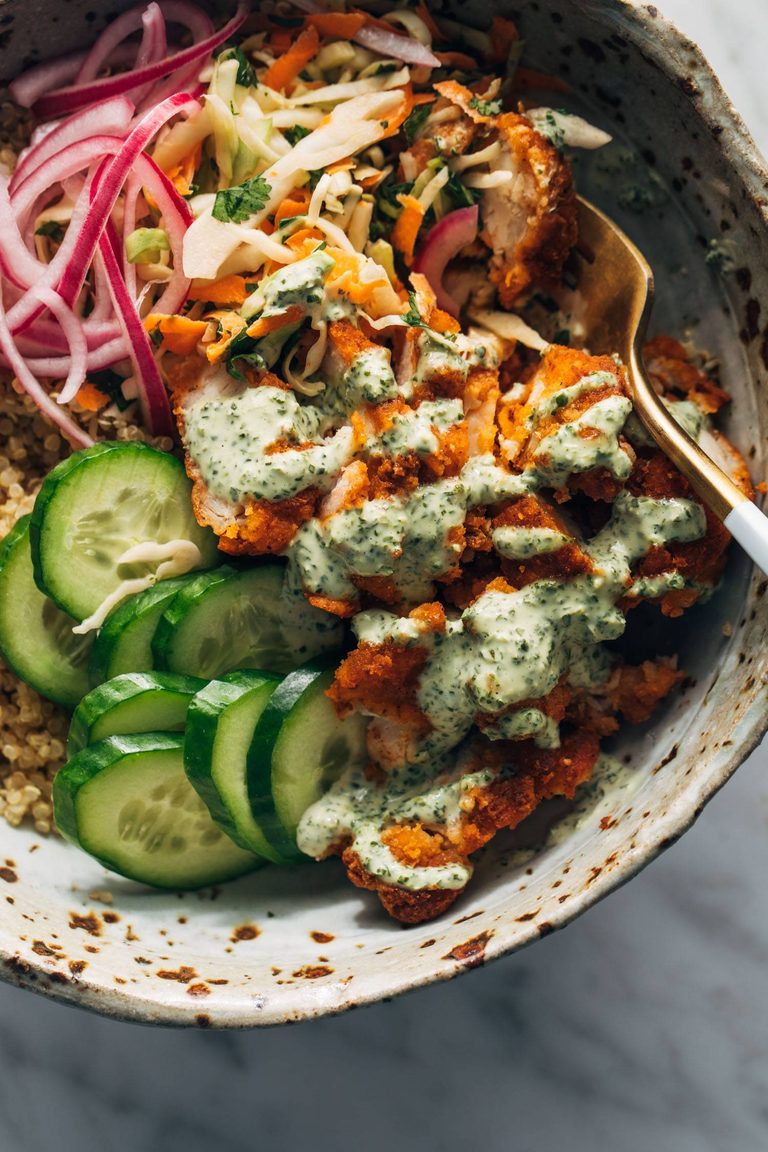
- Crispy Chicken Tikka Bowls with Mint Sauce: Addictive bowls featuring crispy chicken tenders, cucumbers, pickled onions, quinoa, and a cool mint sauce.
- Caramelized Pork Tacos with Pineapple Salsa: Quick and easy caramelized pork tacos elevated with a fresh pineapple salsa and sriracha mayo.
- Instant Pot Creole Chicken and Sausage: A meal-prep friendly dish with shredded chicken, andouille sausage, and a rich tomato sauce, adaptable for quick cooking.
- Instant Pot Coconut Tandoori-Inspired Chicken: A flavorful chicken dish with rich spices and creamy coconut milk, requiring minimal hands-on time.
- Best Anytime Baked Chicken Meatballs: Versatile meatballs, excellent on their own or as part of a larger meal, also suitable for meal prep.
- The Best Chicken Tinga Tacos: Saucy, spicy, and satisfying chicken tinga tacos.
- Sesame Noodle Bowls: Fork-twirly noodles with a creamy sesame sauce, browned chicken, and fresh vegetables, perfect for meal prep.
- 15-Minute Egg Roll in a Bowl: A deconstructed egg roll with ground pork, garlic, ginger, sautéed vegetables, and a flavorful sauce, served with rice.
Pasta & Noodle Express: Comfort in a Flash
Pasta and noodle dishes are classic quick meals, easily customized and often ready in under 30 minutes.
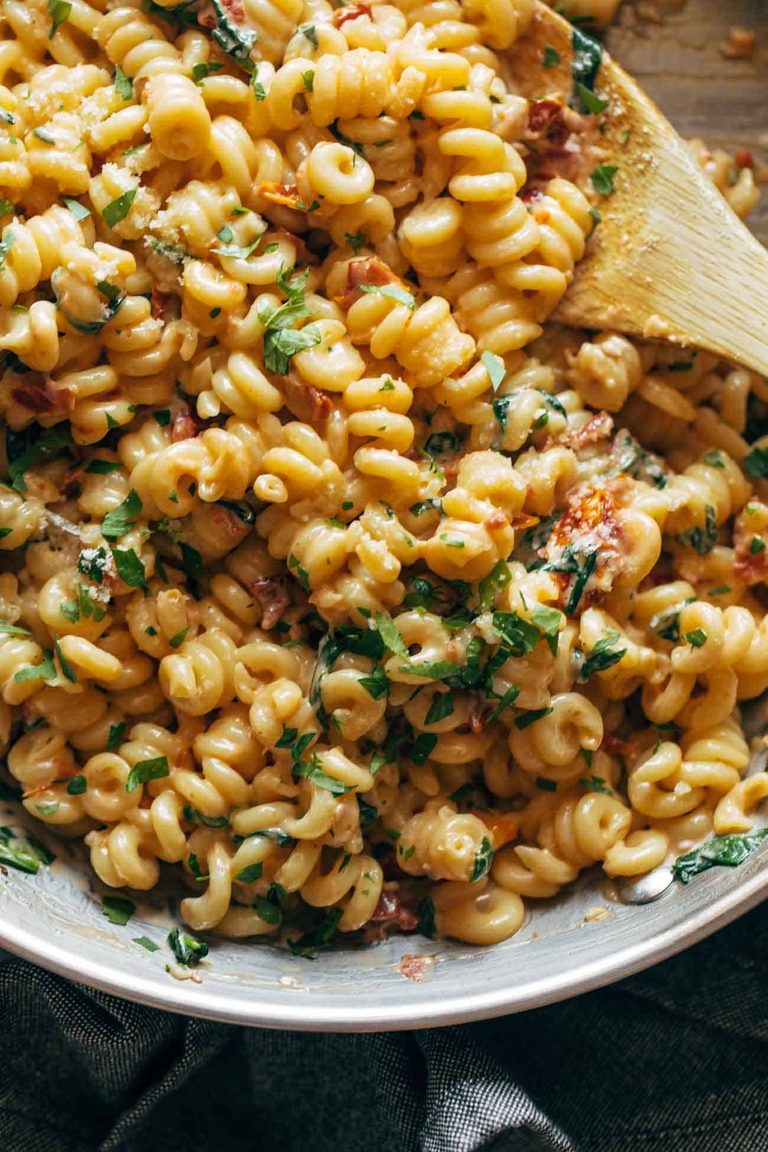
- Creamy Garlic Sun-Dried Tomato Pasta: Garlicky spirali noodles and tender sun-dried tomatoes in a luscious, creamy sauce with Parmesan.
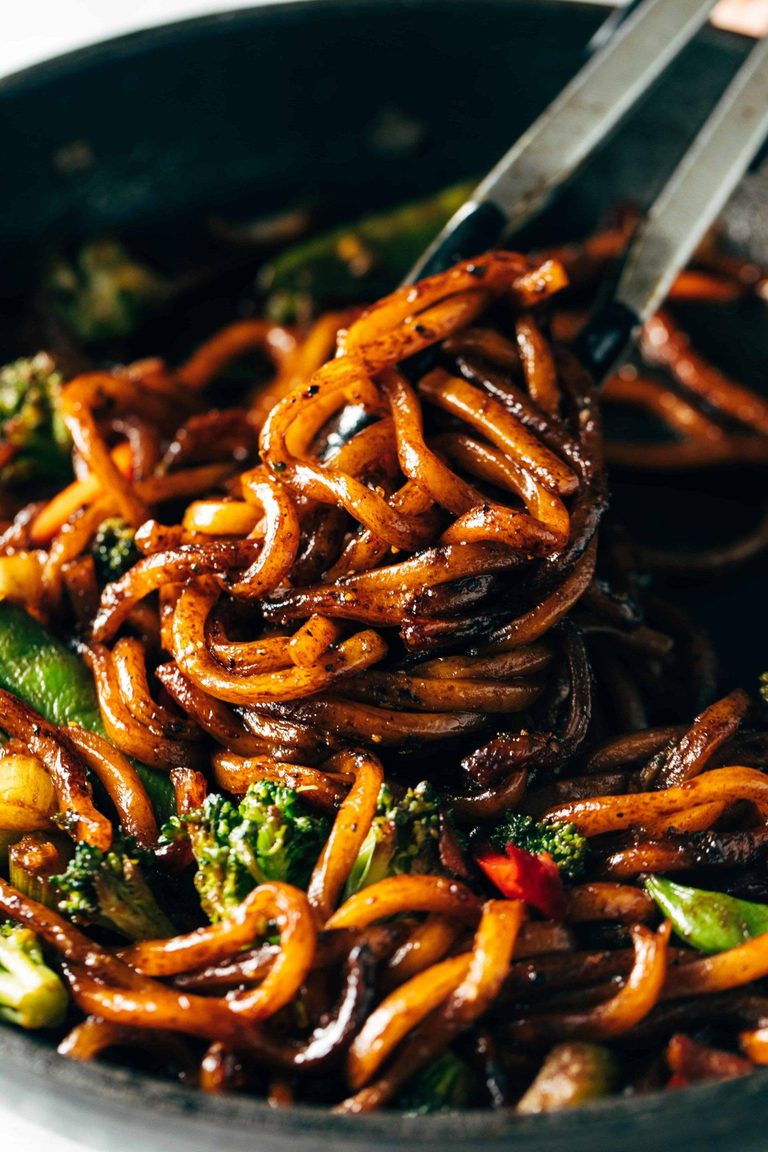
- Black Pepper Stir Fried Udon: A quick SOS dinner featuring saucy udon noodles, stir-fry vegetables, garlic, and black pepper.
- Creamy Shrimp Pasta with Corn and Tomatoes: A fresh summer pasta with creamy noodles, garlicky shrimp, corn, cherry tomatoes, and basil.
- Date Night Mushroom Fettuccine: An elegant yet simple five-ingredient mushroom fettuccine, ideal for a quick special meal.
Global Flavors & Innovative Combos: Expanding the Palate
These recipes showcase diverse culinary inspirations and creative combinations, all within the 30-minute timeframe.
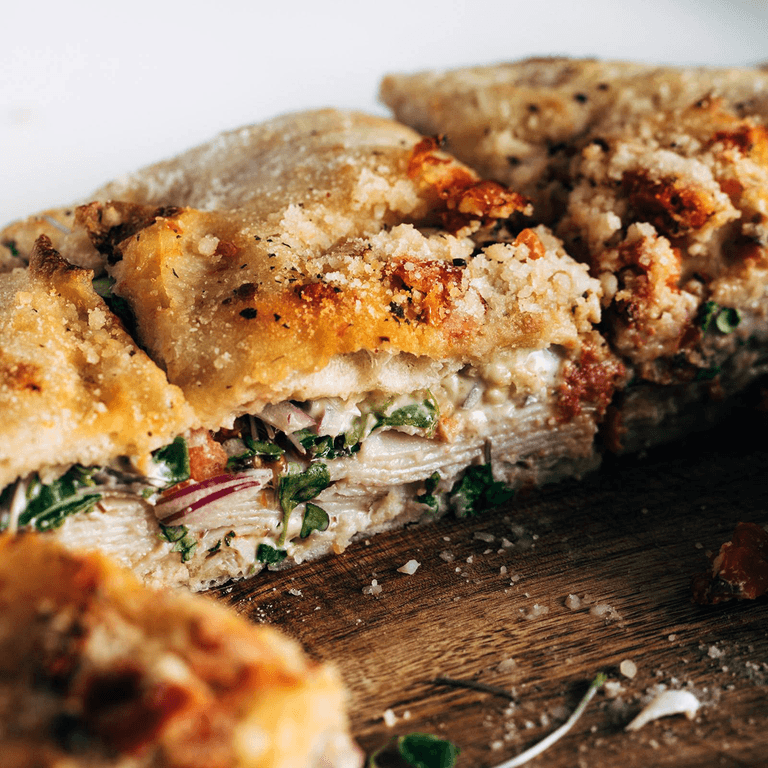
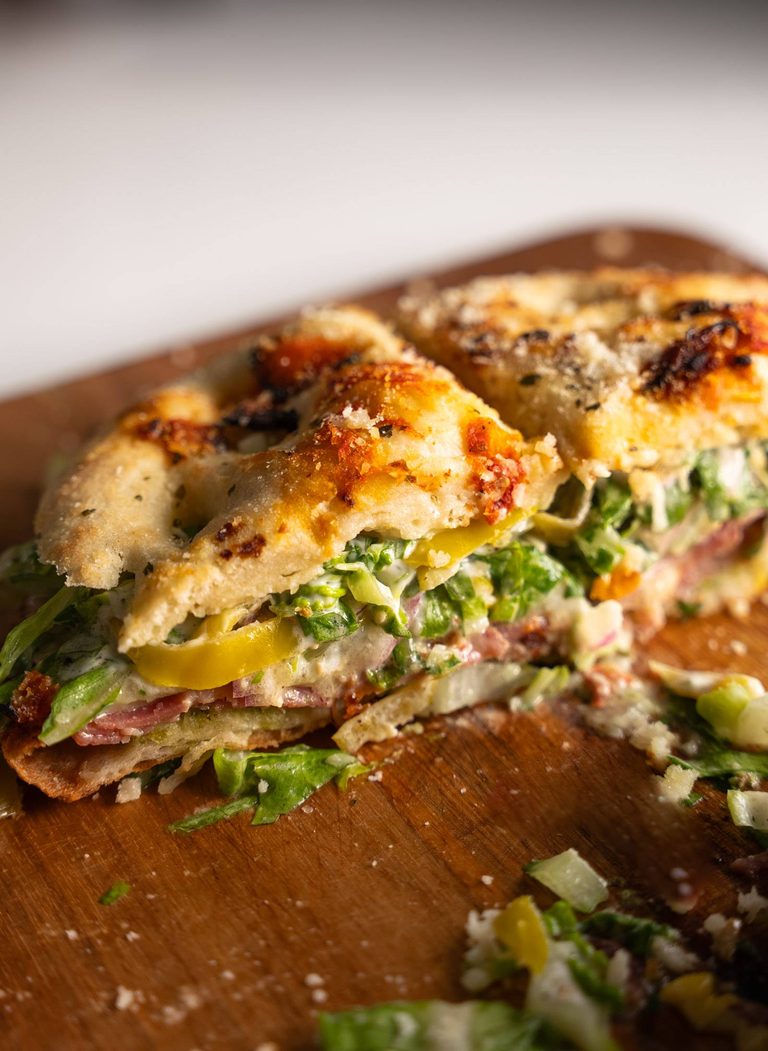
- Trader Joe’s Sun-Dried Tomato Focaccia Turkey Sandwich: A gourmet sandwich featuring focaccia, pesto mayo, turkey, tomatoes, and greens.
- Focaccia Grinder Sandwich: A savory, juicy, and crispy sandwich built on focaccia bread, highlighting convenience store ingredients.
- Grilled Sausage and Peppers with Garlic Aioli: Juicy grilled sausages, onions, and peppers tucked into a brioche bun with a punchy aioli.
- Quick Homemade Ramen: An elevated ramen experience with fresh vegetables, herbs, and a savory broth.
- Spicy Peanut Soba Noodle Salad: A refreshing salad with red peppers, cabbage, chicken, soba noodles, and a homemade spicy peanut sauce.
- Sheet Pan Shrimp and Cauli Rice: An incredibly easy one-pan dinner with shrimp, peas, cauliflower rice, and pesto sauce.
- The Absolute Easiest Spinach and Artichoke Pizza: A quick pizza made with garlicky spreadable cheese, canned artichokes, spinach, sun-dried tomatoes, and mozzarella on a pre-made crust.
Expert Insights on Time-Efficient Nutrition
Nutritionists and culinary educators frequently emphasize that the goal of quick cooking is not merely speed but also the preservation of nutritional integrity and enjoyment. Dr. Elena Rodriguez, a prominent dietitian, notes, "The modern dilemma isn’t a lack of desire to eat well, but a lack of time. Recipes that enable home cooking in under 30 minutes are game-changers. They allow for controlled portions, fresh ingredients, and the opportunity to introduce diverse flavors, all critical components of a healthy diet." She further suggests that such recipes foster "culinary confidence," encouraging individuals to experiment more in the kitchen rather than relying on external food sources. The development of robust, flavorful sauces and smart use of spices, as exemplified in many of these recipes, ensures that quick meals are far from bland, providing sensory satisfaction alongside nutritional benefits.
Economic Advantages and Reduced Food Waste
The economic implications of prioritizing 30-minute home-cooked meals are substantial. Regularly purchasing takeout or dining out can significantly inflate household food budgets. A report from the USDA Economic Research Service highlights that food prepared away from home typically costs more than comparable home-cooked meals. By leveraging quick recipes, families can drastically reduce these expenses. Furthermore, efficient meal planning, often a companion to quick cooking, inherently leads to less food waste. When ingredients are purchased with specific, time-sensitive recipes in mind, there is less likelihood of spoilage. For example, a recipe calling for a portion of bell peppers can be followed by another using the remainder, ensuring full utilization of produce. This dual benefit of cost savings and waste reduction aligns with growing consumer awareness regarding financial prudence and environmental sustainability.
Overcoming Culinary Hurdles: Accessibility for All
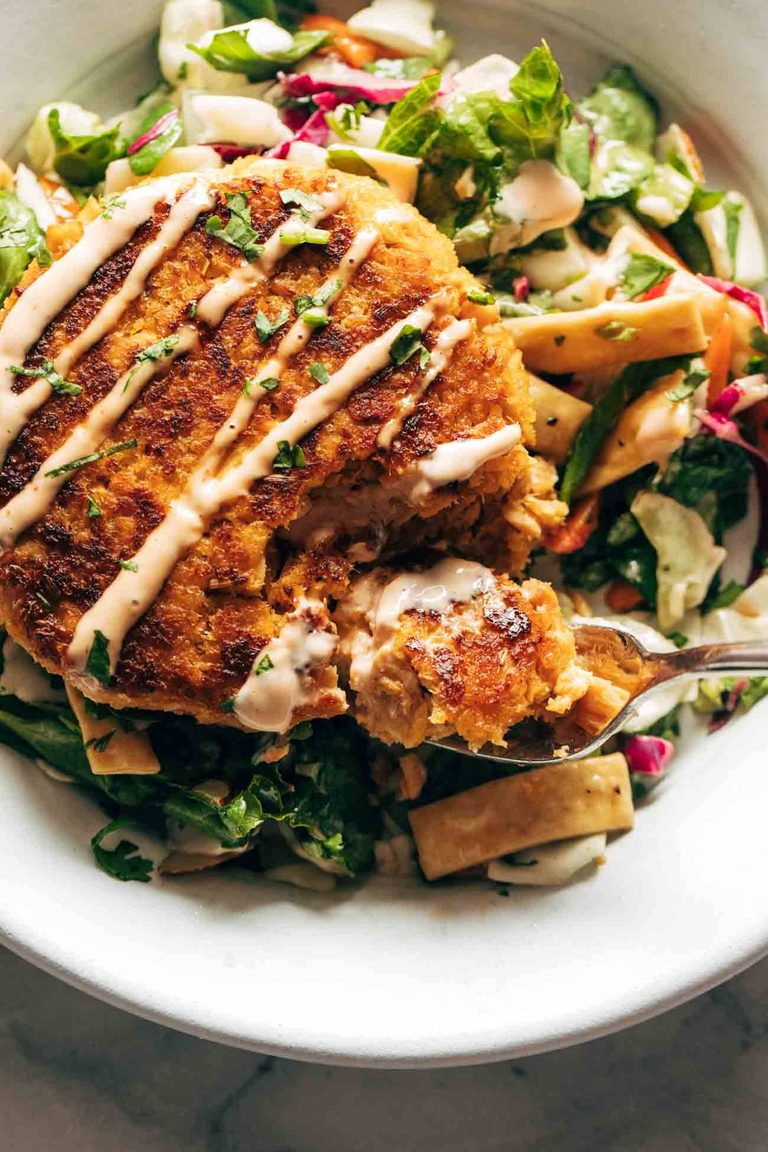
A common barrier to consistent home cooking is a perceived lack of culinary skill or inspiration. The structured simplicity of 30-minute recipes directly addresses these concerns. Many quick recipes focus on straightforward techniques—sautéing, quick searing, assembling—that do not require advanced culinary expertise. The clear, concise instructions often accompanying such recipes act as a guide, building confidence in novice cooks. Moreover, the sheer variety available, from ‘Spicy Salmon Burgers’ to ‘Chickpea Curry’, ensures that there is a palatable option for virtually every taste, combating meal fatigue and keeping dinner exciting. This accessibility democratizes healthy eating, making it attainable for individuals across all skill levels and lifestyles.
Conclusion: Redefining the Dinner Table

The proliferation of quick, delicious, and nutritious 30-minute dinner recipes marks a significant advancement in modern culinary practices. It represents a pragmatic and effective strategy for navigating the complexities of contemporary life, ensuring that the dinner table remains a cornerstone of family health, connection, and enjoyment. By embracing efficient kitchen techniques, leveraging smart ingredient choices, and exploring a diverse repertoire of rapid-preparation dishes, individuals and families can transform weeknight mealtime from a source of stress into an opportunity for creative expression and sustained well-being. This ongoing culinary evolution underscores a broader societal commitment to balancing the demands of modern living with the enduring importance of wholesome, home-cooked food.