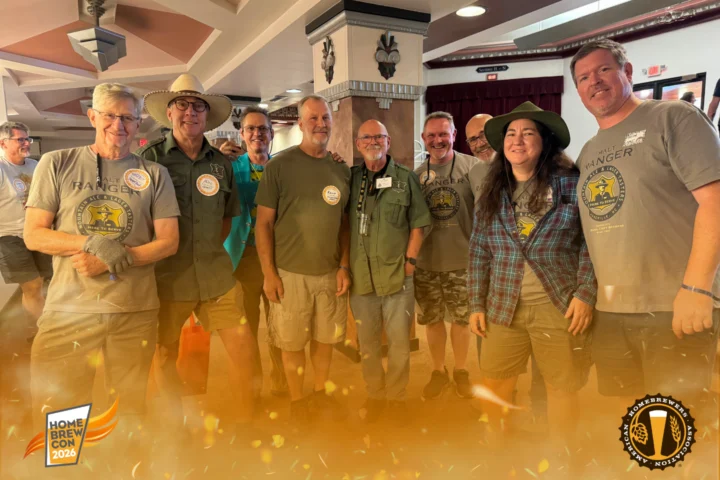

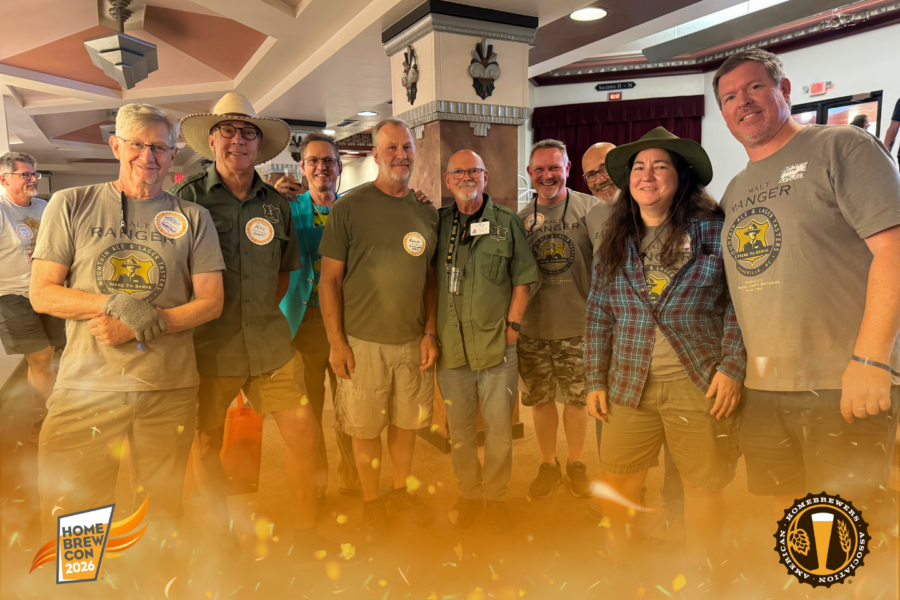
The American Homebrewers Association (AHA) marked a historic milestone during its 46th annual Homebrew Con in Asheville, North Carolina, on June 20, 2026. Addressing a capacity crowd of more than 1,000 dedicated members at the AHA Member Gathering, leadership provided a comprehensive status report on the organization’s inaugural year as a fully independent nonprofit entity. This transition, which began in mid-2025, represents the most significant structural change in the association’s nearly 50-year history. The message delivered to the assembly was one of cautious optimism and strategic renewal, emphasizing that while the first year of independence was defined by transition and stabilization, the coming years will be focused on aggressive growth, modernized resources, and a refined mission to serve the global homebrewing community.
A New Era of Governance and Financial Autonomy
For decades, the American Homebrewers Association operated under the umbrella of the Brewers Association (BA), a trade group primarily focused on commercial craft breweries. While this partnership provided stability and shared resources, the decision to pivot to an independent nonprofit model was driven by a desire for specialized focus. On June 20, leadership confirmed that the AHA now operates with its own dedicated board of directors, independent financial accounts, and specialized committees.
The first 12 months of independence have been characterized by the establishment of a "member-first" governance model. Unlike previous iterations where homebrewing interests occasionally competed with commercial brewing priorities, the new AHA board is composed entirely of hobbyists, industry experts, and community leaders whose sole mandate is the advancement of the homebrewing craft. This autonomy allows the association to reinvest 100% of membership dues and event revenue directly into programs like the National Homebrew Competition, legislative advocacy for homebrewers’ rights, and the maintenance of the world’s largest database of validated recipes.
Chronology of the Independence Transition
The path to the 2026 Asheville gathering began several years prior, following a period of industry-wide reflection on the future of hobbyist brewing.
- Early 2024: Internal discussions began regarding the feasibility of the AHA operating as a standalone 501(c)(6) or 501(c)(3) organization to better serve its niche audience.
- Late 2024: The Brewers Association and the AHA leadership announced a formal "separation of operations" plan to ensure a smooth handoff of assets, including the Zymurgy magazine archives and the National Homebrew Competition infrastructure.
- June 2025: The AHA officially launched as an independent entity, appointing an interim board and beginning the process of auditing its financial health.
- January 2026: The first fully elected independent board took office, tasked with creating the "Building for the Future" strategic roadmap.
- June 20, 2026: The 46th Homebrew Con served as the first major public reporting session for the new organization, where the results of the "Year One" initiatives were presented to the membership.
Strategic Priorities: The "Building for the Future" Roadmap
The 2026 update highlighted three core strategic priorities that will guide the association through the end of the decade: education, advocacy, and community diversification.
1. Modernizing Educational Resources
The AHA has committed to a digital-first strategy for its educational content. This includes a complete overhaul of the association’s mobile application and a new "Learning Management System" (LMS) designed to take brewers from their first extract batch to advanced all-grain brewing and fermentation science. During the Asheville gathering, it was revealed that the association’s recipe database now includes over 1,500 "Medal-Winning" recipes, all of which have been reformatted for modern brewing software compatibility.
2. Legislative and Regulatory Advocacy
Despite homebrewing being legal in all 50 U.S. states since 2013, the AHA continues to face regulatory hurdles. The independent association has established a "Legislative Action Fund" to address local-level restrictions, such as limits on transporting homebrew to competitions and outdated zoning laws that affect home-based fermentation. The 2026 report noted that the AHA is currently consulting on three state-level bills aimed at clarifying the legality of serving homebrew at non-commercial charitable events.
3. Diversity and Community Inclusion
Recognizing that the demographics of homebrewing are shifting, the AHA has introduced new committees focused on outreach to underrepresented groups in the craft beverage space. This includes scholarship programs for the BJCP (Beer Judge Certification Program) and partnerships with local homebrew clubs to lower the barrier to entry for equipment and ingredients.
Data and Economic Context: The State of Homebrewing in 2026
The shift to independence comes at a critical time for the hobby. According to data shared at the conference, there are approximately 1.1 million homebrewers in the United States. While the surge in homebrewing seen during the 2020-2022 period has stabilized, the "quality over quantity" trend remains dominant. Modern homebrewers are spending more per batch on premium ingredients and sophisticated electric brewing systems.
The economic impact of the hobby remains substantial. Homebrewers contribute an estimated $700 million annually to the U.S. economy through the purchase of malt, hops, yeast, and hardware. By operating independently, the AHA aims to capture more of this value to fund its operations. The 2026 financial report indicated that membership retention has increased by 12% since the independence announcement, suggesting that members feel a stronger sense of ownership over the organization.
Official Responses and Member Sentiment
While the meeting was primarily a report from leadership, the reaction from the floor in Asheville was overwhelmingly positive. Long-time members noted that the association’s communication has become more transparent since the split from the Brewers Association.
"The transition wasn’t just about moving bank accounts; it was about reclaiming the identity of the homebrewer," stated one long-term member and BJCP judge during the post-gathering Q&A. "Seeing the AHA stand on its own two feet gives us confidence that the resources we pay for are actually going back into the hobby."
Board members acknowledged that the transition brought challenges, particularly in terms of administrative overhead and the loss of some shared services previously provided by the BA. However, they emphasized that the "growing pains" of 2025 have led to a leaner, more agile organization in 2026. The association’s new executive leadership team emphasized that they are "learning from and refining" current operations to ensure the association survives another 50 years.
Broader Implications for the Craft Beverage Industry
The independence of the AHA is a bellwether for the broader craft beverage industry. As the commercial craft beer market matures and faces headwinds from changing consumer preferences (such as the rise of RTDs and non-alcoholic options), the homebrewing community remains the R&D lab for the entire industry. Most professional brewers started as AHA members, and the association’s independence ensures that this pipeline of talent and innovation remains robust.
Furthermore, the AHA’s move toward independence reflects a larger trend in the nonprofit sector where specialized "micro-associations" are finding more success than large, broad-interest conglomerates. By focusing exclusively on the needs of the home fermentation enthusiast—ranging from beer and cider to mead and kombucha—the AHA is positioning itself as a vital lifestyle organization rather than just a trade affiliate.
Looking Ahead: The Road to the 50th Anniversary
As the 46th Homebrew Con concludes, the AHA is already looking toward its golden jubilee. Plans are underway to expand the National Homebrew Competition to include more international hubs, reflecting the global growth of the hobby. The "Building for the Future" initiative is expected to reach full implementation by 2028, coinciding with the association’s 50th anniversary.
In the immediate future, members can expect a series of "Town Hall" webinars throughout the remainder of 2026 to further discuss the strategic priorities outlined in Asheville. The association also plans to launch a new "Club Grant" program in late 2026, providing direct financial support to local homebrew clubs for community-building events and educational seminars.
The message from Asheville was clear: The American Homebrewers Association is no longer an adjunct to the commercial industry. It is a self-sustaining, member-driven powerhouse dedicated to the art of fermentation. With a clear vision, a dedicated board, and a passionate membership base, the AHA is well-equipped to navigate the complexities of the modern hobbyist landscape and continue its legacy of "building the future" of homebrewing.