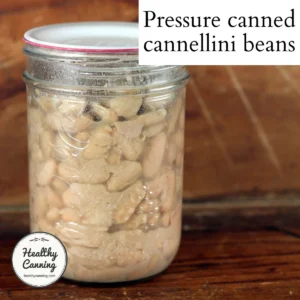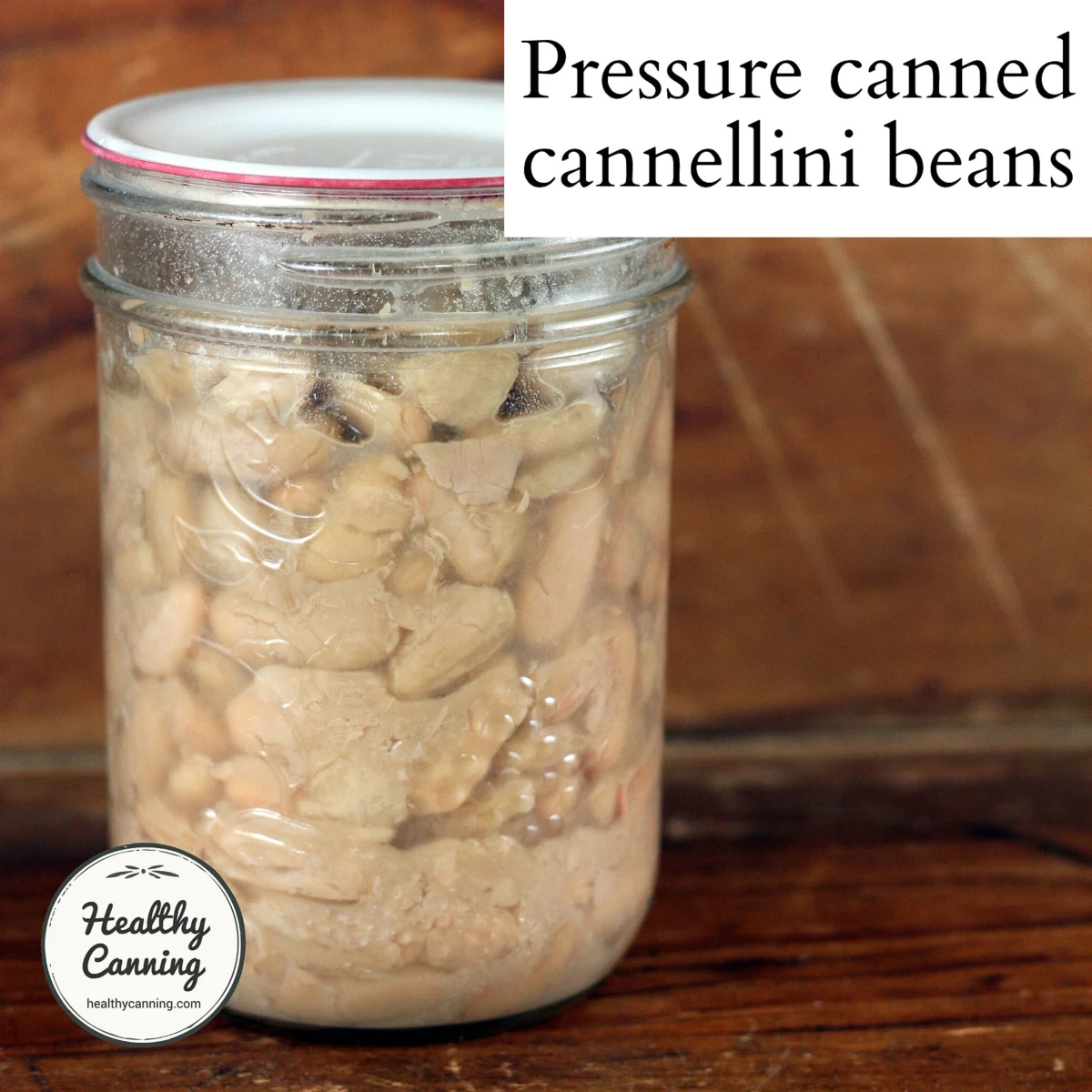

Home preservation of cannellini beans, a variety of white kidney bean known scientifically as Phaseolus vulgaris, requires adherence to rigorous safety protocols to ensure a shelf-stable product that is free from foodborne pathogens. While the process of canning legumes at home has seen a resurgence in popularity due to shifting economic conditions and a desire for ingredient transparency, it remains a technical operation that necessitates the use of a pressure canner. Unlike high-acid foods such as most fruits or pickled vegetables, cannellini beans are low-acid foods, meaning they do not possess the natural acidity required to inhibit the growth of Clostridium botulinum spores when processed in a traditional boiling water bath. Consequently, the application of temperatures exceeding 240°F (115°C)—achievable only through pressurized steam—is the industry and regulatory standard for ensuring consumer safety.
The Technical Necessity of Pressure Canning
The fundamental principle underlying the home canning of cannellini beans is the destruction of heat-resistant bacteria. In a low-acid environment, the risk of botulism, a rare but potentially fatal form of food poisoning, is a primary concern for food scientists and home preservationists alike. The United States Department of Agriculture (USDA) and the National Center for Home Food Preservation (NCHFP) emphasize that pressure canning is the only research-based method for processing dried beans.
Cannellini beans, characterized by their creamy texture and nutty flavor, undergo significant structural changes during the canning process. When subjected to the high heat and pressure required for safety, the starch granules within the beans gelatinize, resulting in a finished product that is notably softer than commercially canned counterparts. While this texture is suboptimal for cold bean salads where structural integrity is paramount, it is highly regarded for applications such as soups, stews, purées, and spreads. The softening of the bean allows for a more integrated flavor profile in cooked dishes, making home-canned cannellini beans a preferred choice for traditional Italian recipes like Ribollita or Pasta e Fagioli.
Chronology of the Preservation Process
The successful preservation of cannellini beans involves a multi-stage chronological workflow, beginning with the selection of high-quality dried legumes and concluding with the monitored cooling of processed jars.
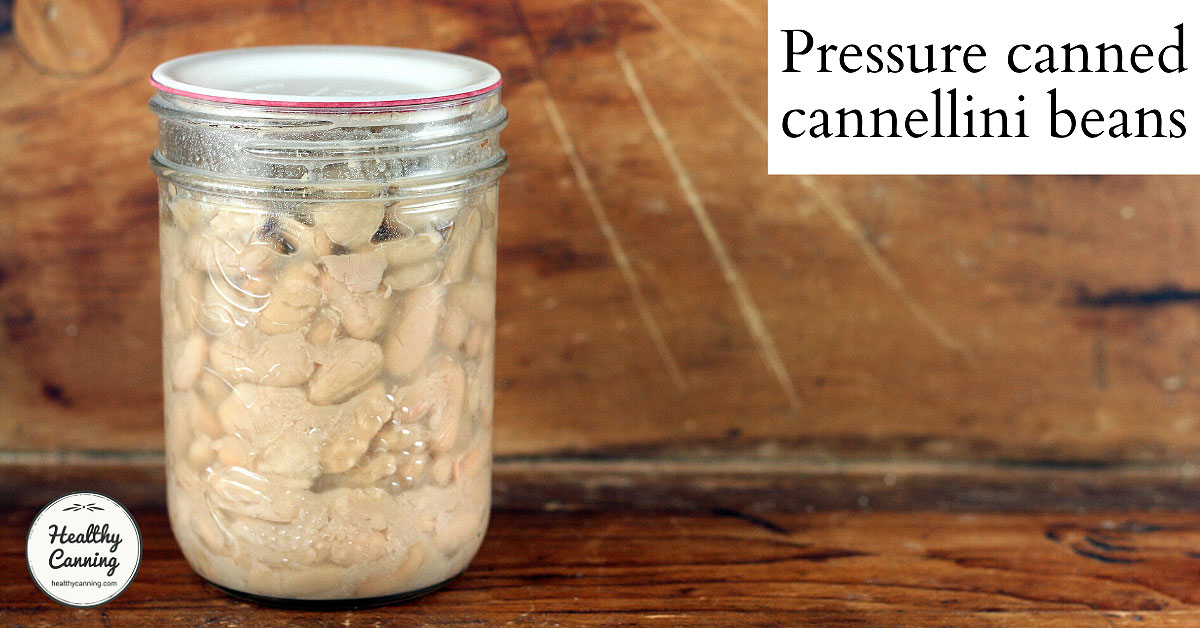
1. Rehydration and Preparation
Dried beans must be rehydrated before they are placed in canning jars. This is not merely for texture but to ensure that the beans do not absorb all the liquid in the jar during processing, which would lead to under-processed, dry, and potentially unsafe food. Home canners typically utilize one of two methods: the overnight soak or the "quick soak." The overnight soak involves submerging the beans in water for 12 to 18 hours in a cool environment. The quick soak method involves bringing the beans to a boil for two minutes, removing them from heat, and allowing them to soak for one hour. Following either method, the beans are drained and rinsed.
2. The Hot Pack Method
Current safety guidelines recommend the "hot pack" method for cannellini beans. After rehydration, the beans are placed in a large pot, covered with fresh water, and brought to a boil. They are then simmered for 30 minutes. This pre-cooking ensures the beans are heated through and have expanded to their near-maximum size before being placed in the jars.
3. Jar Filling and Headspace Management
Clean, hot jars are filled with the hot beans and their cooking liquid (or fresh boiling water). A critical technical requirement is the maintenance of a one-inch (3 cm) headspace—the gap between the top of the food and the lid. This space allows for the expansion of the food and the creation of a vacuum seal during the cooling process. Failure to maintain proper headspace can lead to seal failure or siphoning of the liquid.
4. Pressurization and Timing
Once the jars are sealed with two-piece lids, they are placed in the pressure canner. The processing time is strictly dictated by jar size: 75 minutes for half-pints and pints, and 90 minutes for quarts. The pressure required depends on the type of gauge used and the altitude of the canning location.
Supporting Data and Technical Specifications
The precision of pressure canning is reflected in the specific poundage requirements adjusted for atmospheric pressure. Standard sea-level processing requires 10 pounds (69 kPa) for a weighted-gauge canner or 11 pounds (76 kPa) for a dial-gauge canner.
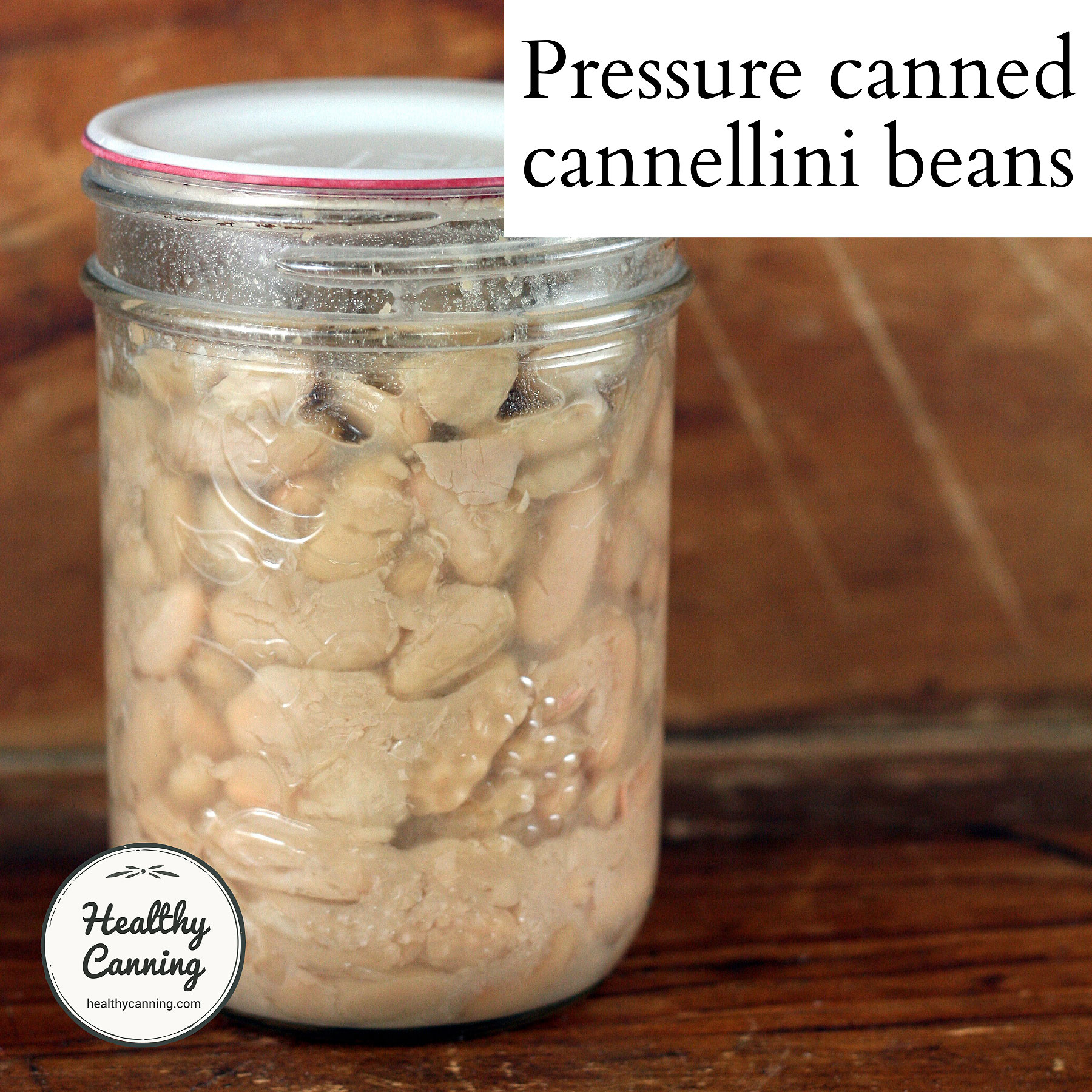
As altitude increases, the boiling point of water decreases, necessitating an increase in pressure to maintain the internal temperature required for sterilization. For locations above 1,000 feet (300 meters), the pressure must be adjusted to 15 pounds for weighted gauges. For dial gauges, the adjustments are more incremental, typically increasing by 0.5 to 1 pound for every 2,000 feet of elevation.
Nutritional Profile of Home-Canned Cannellini Beans
Data derived from nutritional analysis of salt-free canned cannellini beans indicates a robust macro and micronutrient profile. A standard 130g serving (approximately half a cup) provides:
- Calories: 100 kcal
- Protein: 6g
- Fiber: 5g (significant for digestive health)
- Carbohydrates: 17g
- Sodium: 30mg (naturally occurring, with no added salt)
- Potassium: 250mg
- Iron: 1.8mg
The ability to control sodium content is one of the primary drivers for home canning. Commercial canned beans often contain high levels of sodium used as a preservative and flavor enhancer. Home canning allows the processor to eliminate added salts entirely, making the product suitable for heart-healthy and low-sodium diets.
Official Guidelines and Safety Standards
The protocols for canning cannellini beans are based on the "USDA Complete Guide to Home Canning," specifically Agriculture Information Bulletin No. 539. This document represents the culmination of decades of thermal death time (TDT) studies conducted by food scientists. These studies determine the exact amount of time and heat required to reduce the population of the most heat-resistant pathogens to a statistically safe level.
Food safety experts from the National Center for Home Food Preservation emphasize that deviations from these tested recipes—such as shortening the processing time, using larger jars than quart size, or failing to adjust for altitude—can result in an unsafe product. There are no "safe" shortcuts in pressure canning. Even if a jar appears to have sealed, it does not guarantee that the contents are sterile if the internal temperature did not reach the required threshold for the necessary duration.
Broader Impact and Economic Implications
The resurgence of home canning for staples like cannellini beans reflects broader socio-economic trends. In an era of supply chain volatility and rising food costs, home preservation serves as a hedge against inflation and a means of ensuring household food security. By purchasing dried beans in bulk—which are significantly cheaper and more shelf-stable in their dry state than canned goods—and processing them at home, consumers can achieve significant long-term savings.
Furthermore, there is a growing consumer movement toward "clean labels." By canning cannellini beans at home, individuals eliminate exposure to bisphenol A (BPA) often found in the linings of commercial cans, as well as firming agents like calcium chloride or EDTA (Ethylenediaminetetraacetic acid), which are frequently added to commercial beans to maintain their shape during industrial-scale processing.
Culinary Applications and Final Analysis
From a culinary perspective, the soft texture of home-canned cannellini beans is an asset in Mediterranean and plant-based cuisines. Their high starch content makes them an excellent natural thickener for vegan soups and a smooth base for "white bean hummus" or pâtés.
In summary, the home pressure canning of cannellini beans is a sophisticated intersection of microbiology, physics, and culinary art. While the requirement for specialized equipment like a pressure canner presents a barrier to entry, the rewards—increased food security, superior nutritional control, and the creation of a versatile pantry staple—are substantial. As long as the rigorous standards established by the USDA are followed, home canning remains a safe and effective method for preserving the bounty of the harvest and managing a modern kitchen. The transition from dried legume to shelf-stable jar is a 2-hour and 15-minute process that yields dividends in flavor and health for months to come.