
This seemingly innocuous remark, shared by a friend, a highly accomplished legal professional known for her sharp intellect and discerning skepticism, served as a stark illustration of a pervasive modern dilemma in health and wellness. Despite her critical thinking prowess, Anna found herself ensnared in common traps that often bypass even the most astute minds, particularly when pursuing personal goals like weight management. Her aspiration to lose approximately 15 pounds had led her down a path of exploring niche solutions, exemplified by the purchase of specialized food containers, rather than addressing more fundamental lifestyle patterns.
When questioned about the impetus behind this particular focus, Anna cited recent readings on microplastics in food containers and their purported link to hormonal disruption and weight gain. This revelation came shortly after she had confessed to struggles with gym consistency, over-reliance on takeout, and sacrificing restorative sleep for late-night "doom scrolling." Her immediate dismissal of suggestions to increase workout regularity or prepare more homemade meals – "If it were that simple, it would have worked already" – underscored a widespread tendency to seek complex, novel solutions over the enduring efficacy of basic, consistent effort.
This phenomenon is not unique to Anna. It reflects a societal inclination to bypass challenging, yet fundamental, habit changes in favor of "magic bullet" solutions. Individuals often dedicate extensive hours to researching optimal workout routines or cutting-edge supplements, deferring the implementation of basic, readily available practices. The appeal of purchasing new gear, consuming endless health content, or waiting for the "perfect" moment provides a temporary illusion of progress, yet true transformation remains elusive without consistent, tangible action. Humans, with their remarkable ingenuity, have developed numerous subtle mechanisms to avoid the unglamorous, often difficult actions that genuinely drive change. This article delves into the psychological underpinnings of this distraction and outlines actionable strategies for fostering impactful, realistic health behaviors.
The Enduring Power of the Basics: A Neglected Foundation
The core tenets of good health are remarkably simple and widely understood, yet consistently underperformed. These foundational habits, often referred to as "the basics," include:
- Regular Physical Activity: Aiming for at least 30 minutes of moderate-to-vigorous exercise daily, incorporating a balanced mix of aerobic and resistance training. This commitment significantly enhances cardiovascular health, muscle strength, metabolic function, and mental well-being.
- Nutrient-Dense Diet: Prioritizing minimally processed, whole foods for at least 80 percent of dietary intake. This approach emphasizes fruits, vegetables, lean proteins, and healthy fats, allowing for flexibility and occasional indulgences without derailing overall health goals.
- Adequate Protein Intake: Consuming sufficient protein (typically 1.2 to 2.2 grams per kilogram of body weight) to support muscle maintenance and growth, facilitate satiety, and aid in body recomposition efforts. This often translates to 4-6 palm-sized portions of lean protein daily for most individuals.
- Quality Sleep: Prioritizing seven to eight hours of restorative sleep each night. Establishing consistent sleep-wake cycles and a calming wind-down routine can significantly improve physical recovery, cognitive function, mood regulation, and hormonal balance.
- Moderation or Avoidance of Harmful Substances: Reducing or eliminating excessive consumption of alcohol, recreational drugs, and tobacco products. While challenging, this step is crucial for mitigating long-term health risks associated with chronic disease.
Beyond these five pillars, other vital components of well-being, such as nurturing social connections and effective stress management, also play critical roles. However, even the consistent adoption of the primary five remains an uncommon achievement. Public health data consistently highlight this gap: a landmark study indicated that only a minuscule 6 percent of Americans consistently adhere to all five of these basic health behaviors. This staggering statistic implies that close to 94 percent of the population struggles to maintain even the most fundamental aspects of a healthy lifestyle.
These foundational behaviors are not merely theoretical ideals; they are powerful drivers for achieving a broad spectrum of common health objectives, from sustainable weight management and enhanced athletic performance to increased longevity and improved quality of life. The persistent struggle to implement them, despite widespread knowledge of their benefits, points to deeper psychological and environmental barriers that warrant exploration.
The Psychology of Avoidance: Why We Resist the Simple Path
The journey toward health often involves a complex interplay of desires and resistances, a state formally known as ambivalence. This inherent push-and-pull sensation, where one simultaneously desires a positive change (e.g., eating healthier) and resists the associated constraints (e.g., giving up favorite treats), is a normal and fundamental aspect of the change process. Similarly, resistance to change can manifest as an aversion to discomfort or the anxiety of confronting one’s thoughts when distractions are removed. These contradictory emotions, though seemingly illogical, often signal that the contemplated change holds significant personal meaning, transforming them from obstacles into indicators of genuine care.
Several common barriers contribute to this phenomenon, diverting individuals from effective, foundational actions:
1. Ambition Overload: The Trap of Grand Plans
Many individuals, when motivated to improve their health, embark on overly ambitious plans. A common scenario involves declaring a complete lifestyle overhaul starting "next Monday"—an hour of daily exercise, "clean eating" at every meal, and eight hours of sleep every night. This is often initiated from a baseline of irregular exercise, a dislike for vegetables, and consistent late nights. Such comprehensive plans, while offering temporary relief and a sense of control, often fail to integrate into existing, complex lives.
Cognitive biases contribute significantly to this trap. Humans tend to overestimate their future time, energy, attention, and motivation. The immediate comfort derived from offloading ambitious goals onto a "future self" is powerful. However, these elaborate blueprints frequently underestimate the myriad smaller tasks and adjustments required for successful implementation. When these grand plans inevitably falter, individuals often internalize blame, attributing failure to a lack of willpower or discipline, thereby reinforcing a self-defeating narrative of inconsistency. This cycle of overly ambitious goal-setting followed by perceived failure can be deeply demoralizing and counterproductive.
2. The Allure of the Cutting-Edge: Disbelieving the Basics
A prevalent belief, often perpetuated by the marketing of the health and fitness industry, is that simple, fundamental behaviors are insufficient. The reasoning often goes: "If getting healthy just required moderate eating, sleeping, and exercising, everyone would be healthy." This perspective overlooks the critical insight from the 6 percent statistic: the consistency and simultaneous application of these basics are what truly make them effective, not their inherent complexity.
The appeal of "hardcore," "industry-secret," or "cutting-edge" strategies is undeniable. They promise novelty, excitement, and the possibility of a "new you" and a "new outcome." This attraction is amplified when individuals have previously attempted basic changes, like "eating more vegetables," and perceived them as unsuccessful, perhaps due to a lack of consistency or unrealistic expectations. However, most of these trendy, often expensive, approaches prove unsustainable, inaccessible, or lack scientific validation. They drain resources—time, effort, and money—while distracting from the proven efficacy of consistent, foundational practices. The constant influx of new diets, supplements, and exercise fads creates a "noise" that drowns out the quiet, consistent whispers of what truly works.
3. The Perfectionist’s Paradox: The Illusion of Flawless Health
Another pervasive myth in the health and fitness landscape is the necessity of "perfection" to achieve and maintain optimal health. This often conjures images of an individual subsisting solely on organic salads, running marathons, and adhering to a rigid 5 AM meditation and journaling routine. The reality, however, is that perfection is not merely unnecessary; it is an unattainable illusion.
Acknowledging this truth can be both liberating and disquieting. While it offers relief from the pressure of an impossible standard, it can also dismantle the comforting belief that a perfect self, immune to life’s vicissitudes, is within reach through the right plan. Humans, even the healthiest among us, experience illness, digestive issues, fatigue, and periods of reduced motivation. Accepting this vulnerability is crucial for sustainable health.

Ironically, embracing a "realistic best self" often requires accommodating the "worst self"—the part that prefers passive entertainment over exercise or indulges in comfort food. Life is inherently unpredictable: demanding work schedules, family challenges, seasonal festivities, or unexpected obstacles can disrupt even the most well-intentioned routines. The pursuit of perfection in such a dynamic environment inevitably leads to frustration and failure. Therefore, shifting from an "on/off" mentality to a more flexible, adaptable approach is paramount for long-term success.
Charting a Course: Four Steps to Effective and Realistic Action
Overcoming these ingrained barriers requires a deliberate and compassionate approach. Here are four practical steps to facilitate consistent, impactful action:
1. Explore the "Why" Before the "How"
Before embarking on any change, it is crucial to delve into deeper motivations. Understanding why a particular change is desired provides a sustaining internal drive, particularly when challenges arise. Investigative questions can include:
- What truly matters to you about achieving this goal?
- What are the potential long-term benefits of this change?
- What are the consequences of not taking action?
- How does this change align with your core values?
Techniques like "The 5 Whys" can help uncover these fundamental motivations, linking surface-level goals to deeper personal values and aspirations. This intrinsic motivation is far more powerful and enduring than external pressures or fleeting desires.
2. Prioritize the Most Effective Actions
Effective change is not about doing everything at once, but about strategically selecting and consistently executing the most impactful actions. This involves:
- Identifying the truly essential behaviors related to your goal.
- Focusing on one or two key habits at a time to build momentum and competence.
- Recognizing that core practices typically revolve around movement, nutrition, and recovery.
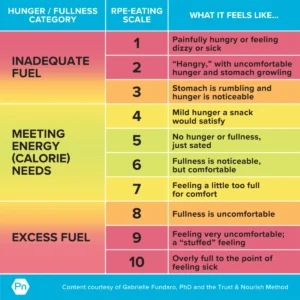
Tools like a "Skills, Practices, and Daily Actions Cheat Sheet" can guide this prioritization. By selecting a specific domain (e.g., Nutrition), then a skill (e.g., Eat well intuitively), a practice (e.g., Eat to satisfied), and finally a manageable daily action (e.g., Record hunger and fullness levels at the start and end of meals), individuals can break down large goals into actionable, measurable steps. This targeted approach prevents overwhelm and increases the likelihood of consistent engagement.
3. Define Your "Floor" and "Ceiling": Action on Your Worst Day
To combat the perfectionist’s paradox and the "all or nothing" mentality, it’s essential to define a flexible range of action. This involves establishing a "pathetic goal" or a minimum acceptable effort that can be achieved even on the most challenging days.
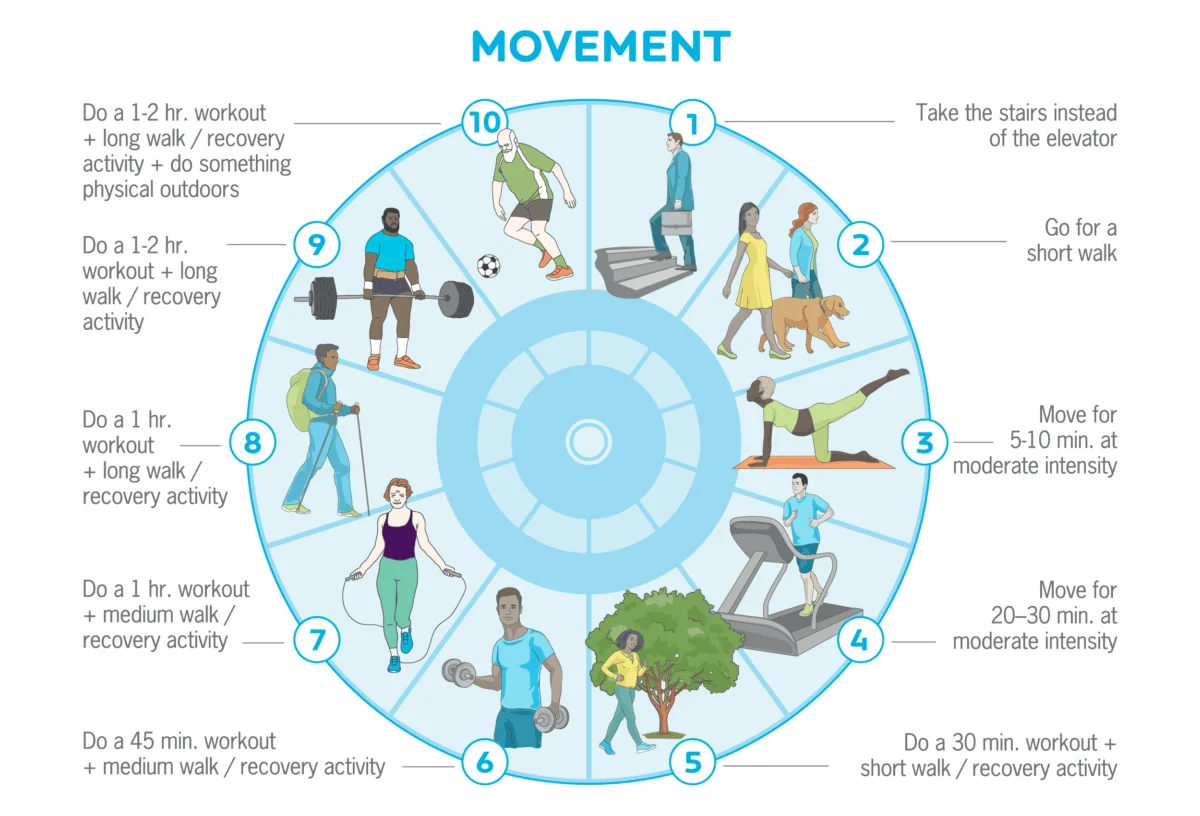
- The Floor: What is the absolute minimum you can commit to when life is at its most chaotic? This could be five minutes of walking, ten push-ups, one extra serving of vegetables, or three conscious deep breaths before a meal. Nothing is too small; the key is doing something.
- The Ceiling: What does your optimal effort look like when conditions are ideal? This might be an hour of intense gym work, two hours of meal prep for the week, or a 45-minute guided meditation.
This "floor-to-ceiling" approach necessitates a paradigm shift: health habits are not an "on" or "off" switch but rather a "dial." When life is smooth, the dial can be turned up, allowing for peak performance. When life becomes demanding, the dial can be turned down to the minimum "floor" without disengaging entirely. This ensures continuity and reinforces the belief that even minimal effort "counts" as success within the context of a real, imperfect life. Consistently hitting the floor, even for extended periods, is not a failure; it is a successful adaptation.
4. Create an Ecosystem that Supports You
Willpower and good intentions alone are often insufficient for sustained behavioral change. As health professionals often note, successful habit formation is significantly influenced by one’s environment. Individuals who consistently maintain healthy habits often do so because their lives are structured to make those habits seamless. The concept is to "build an ecosystem that makes failing nearly impossible."
Research, such as a review in Nature Reviews Psychology, highlights access as a primary driver of behavior. For instance, proximity to affordable, healthy food options correlates with better dietary choices, just as distant gyms correlate with lower exercise rates. While not everyone can change their neighborhood, most individuals possess a degree of control over their immediate surroundings.
- Strategic Environmental Design: Consider a "kitchen makeover" where healthy foods are washed, prepped, and prominently displayed, while less supportive options are removed or made difficult to access.
- Social Reinforcement: Surround yourself with individuals who share and support your health goals.
- Systematized Routines: Integrate desired behaviors into existing daily routines to reduce decision fatigue.
By consciously modifying the environment, individuals can create powerful nudges that make desired actions the obvious and easiest choice. This front-loaded effort in designing a supportive ecosystem yields significant long-term returns, reducing the reliance on finite willpower.
Embracing the C+ Effort: Consistency Over Perfection
For those with perfectionist tendencies, the concept of a "C+ effort" might initially grate. However, this philosophy is central to working with inherent human imperfection rather than constantly fighting against it. It promotes an attitude of compassion and acceptance, recognizing that everyone, regardless of their aspirations, will experience vulnerabilities, setbacks, and "bad days."
The aim is not to target C+ performance but to acknowledge that there will be periods of "A" grade effort and times when dialing down to a "C+" (or even a "D") is necessary for continuity. The critical insight is that consistently doing "good enough" is infinitely more effective in the long run than striving for unattainable perfection that leads to burnout and abandonment.
Living a healthy, meaningful life is a continuous journey of striving, adapting, and allowing for flexibility, mistakes, and challenging periods. By embracing realistic expectations, prioritizing foundational habits, and building supportive systems, individuals can move beyond the allure of quick fixes and cultivate sustainable, impactful health behaviors that genuinely enhance well-being over a lifetime. The power lies not in the pursuit of an elusive perfect state, but in the unwavering commitment to consistent, imperfect action.