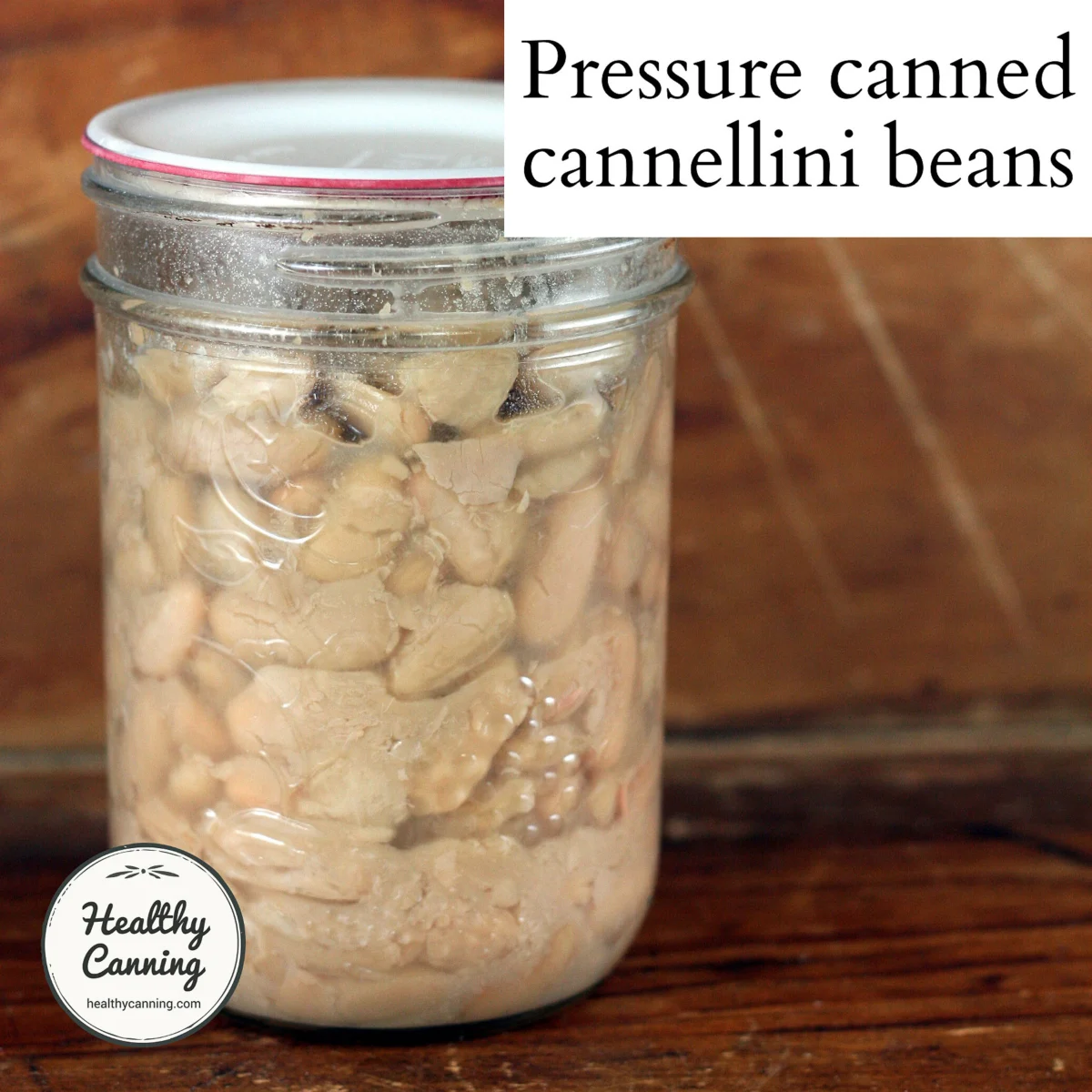

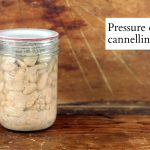
The landscape of modern food preservation has seen a significant shift as more households return to artisanal and self-sufficient practices, with pressure canning emerging as a cornerstone of the domestic pantry. Among the various legumes prized by home preservers, the cannellini bean—also known as the white kidney bean—stands out for its creamy texture and nutritional density. While the process of home-canning these beans is straightforward, it requires strict adherence to safety protocols established by federal agricultural authorities to ensure a shelf-stable and pathogen-free product. Utilizing a pressure canner is the only scientifically validated method for processing low-acid foods like beans, as it reaches the internal temperatures necessary to neutralize heat-resistant bacteria.
The Technical Necessity of Pressure Canning
Cannellini beans, like all pulses, are classified as low-acid foods, typically possessing a pH level well above 4.6. This chemical profile makes them susceptible to Clostridium botulinum, the bacterium responsible for botulism. Unlike high-acid fruits or pickled vegetables, which can be safely processed in a boiling water bath, low-acid foods require temperatures of at least 240°F (116°C) to destroy bacterial spores. These temperatures can only be achieved under the atmospheric pressure generated within a specialized pressure canner.
The United States Department of Agriculture (USDA) provides rigorous guidelines for this process, specifically detailed in the "Complete Guide to Home Canning" (Agriculture Information Bulletin No. 539). According to the 2015 standards, the processing time for cannellini beans depends heavily on the volume of the container used. For quarter-litre (half-pint) and half-litre (pint) jars, the required processing time is 75 minutes. For larger one-litre (quart) jars, the time increases to 90 minutes. These durations are calculated to ensure that the cold spot at the center of the jar reaches the necessary temperature for the required duration to guarantee sterilization.
Procedural Chronology: From Dried Legume to Shelf-Stable Jar
The transition of dried cannellini beans into a preserved state involves several critical phases, each contributing to the safety and quality of the final product.
1. Rehydration and Preparation
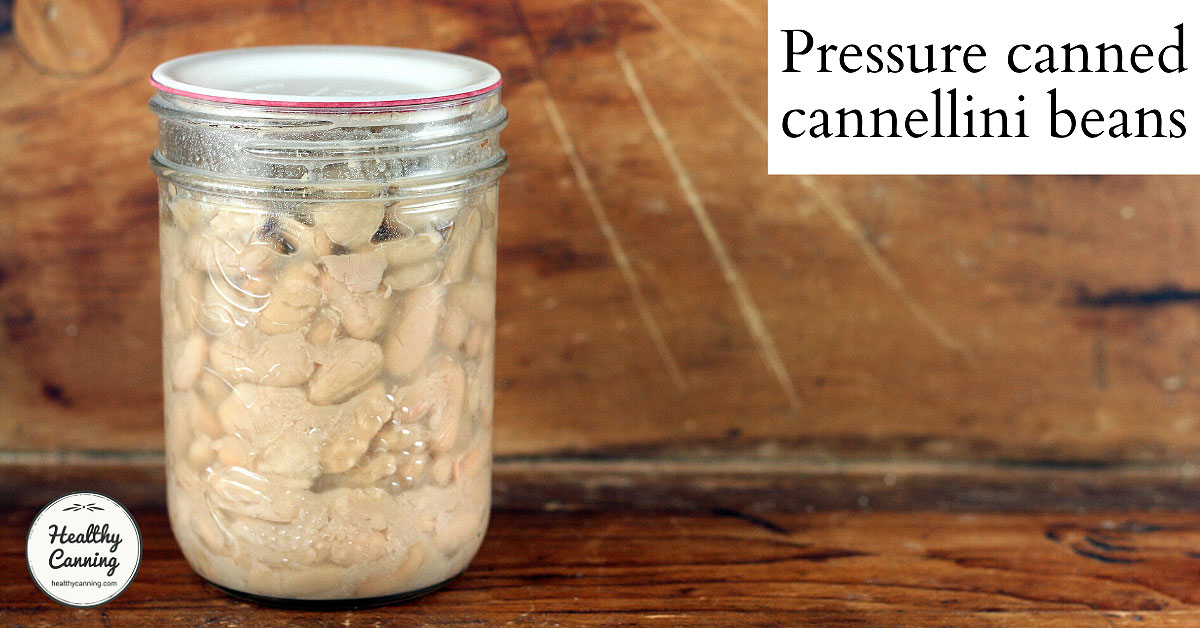
The process begins with the selection of high-quality dried beans. Home canners must first sort and rinse the beans to remove any debris or shriveled units. Rehydration is mandatory; beans cannot be canned "dry" because they expand significantly during processing, which could lead to under-processed food or jar breakage. There are two primary methods for rehydration: the "long soak," where beans are submerged in water for 12 to 18 hours in a cool environment, and the "quick soak," which involves bringing the beans to a boil for two minutes and then letting them stand for one hour.
2. The Pre-Cooking Phase
Once rehydrated, the beans are drained and rinsed again. They are then placed in a large pot, covered with fresh water, and brought to a boil. They should be simmered for approximately 30 minutes. This step is vital because it ensures the beans are fully heated through before they enter the jars, maintaining the "hot pack" standard required for consistent heat penetration.
3. Jarring and Headspace Management
The hot beans are funneled into sterilized jars, leaving exactly 3 cm (1 inch) of headspace. This gap is crucial; it allows for the expansion of the food and the boiling of the liquid during the vacuum-sealing process. If the headspace is too small, food may be forced out of the jar, preventing a proper seal. If it is too large, the processing time may not be sufficient to exhaust all the air.
4. Pressurization and Cooling
The jars are placed in the pressure canner, which contains a few inches of simmering water. After the lid is locked, the canner must vent steam for 10 minutes before the weight or gauge is applied. The processing pressure is determined by the type of gauge used and the altitude of the kitchen. At sea level (up to 300 meters or 1,000 feet), a weighted gauge requires 10 lbs of pressure, while a dial gauge requires 11 lbs. Following the 75 or 90-minute timer, the heat is turned off, and the canner must be allowed to depressurize naturally. Forcing the cooling process can lead to liquid loss from the jars (siphoning) or seal failure.
Nutritional Profile and Culinary Considerations
Home-canned cannellini beans offer a superior nutritional profile compared to many commercially processed alternatives, primarily because the home cook can control the sodium content. A standard 130g (half-cup) serving of home-processed cannellini beans contains approximately 100 calories, 6 grams of protein, and 5 grams of dietary fiber. They are also an excellent source of minerals, providing roughly 250mg of potassium and 1.8mg of iron per serving.
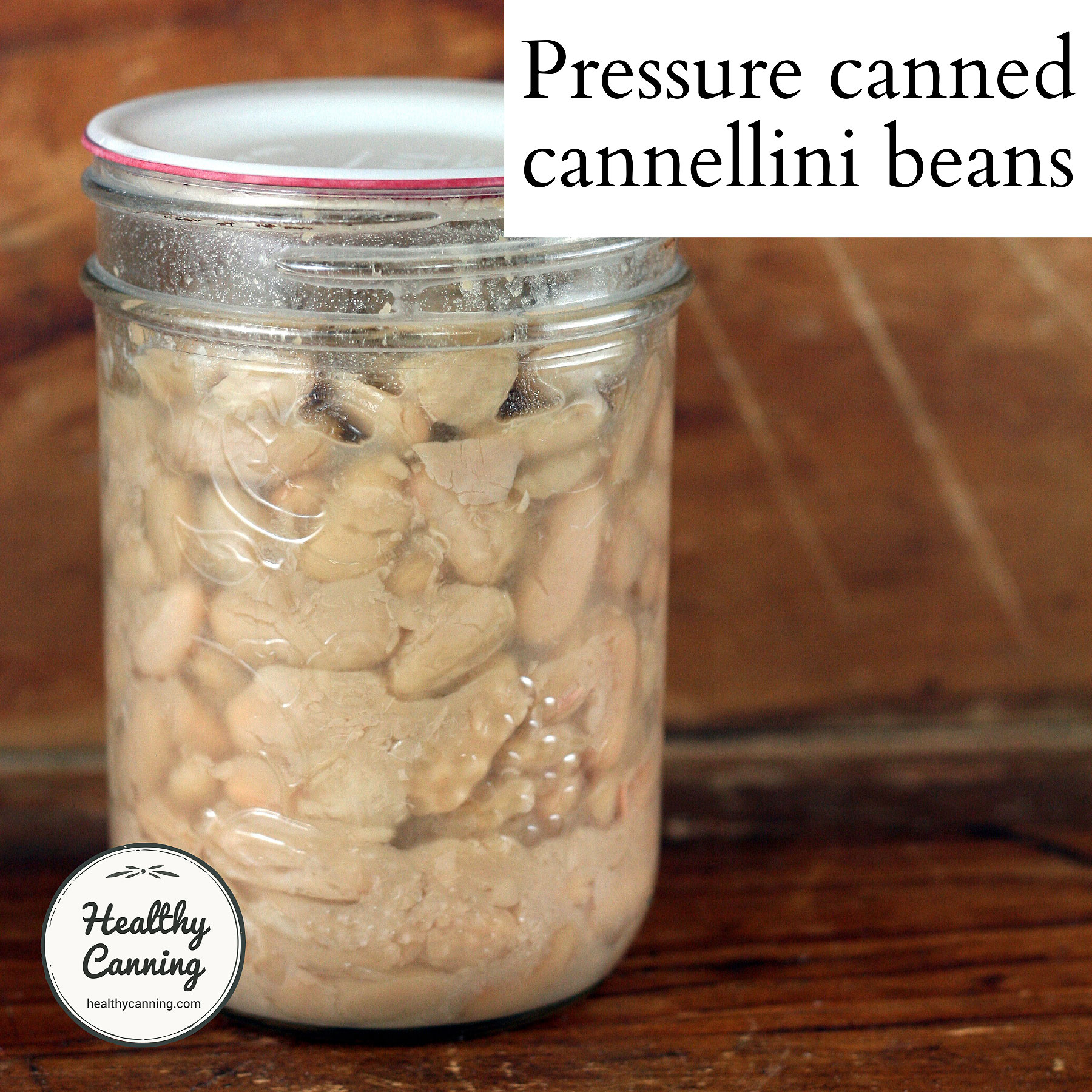
From a culinary perspective, it is important to note that home-canned beans tend to be softer than their commercial counterparts. Commercial canneries often use firming agents like calcium chloride to maintain the structural integrity of the bean. Without these additives, home-canned cannellini beans are exceptionally tender. This makes them less ideal for cold bean salads where a "bite" is desired, but makes them an elite choice for soups, stews, purées, and bean spreads. They integrate seamlessly into Mediterranean-style dishes, such as pasta e fagioli or white bean dip with rosemary and garlic.
Supporting Data: Altitude and Pressure Adjustments
One of the most frequent errors in home food preservation is the failure to adjust for altitude. As altitude increases, the boiling point of water decreases, and atmospheric pressure changes. To compensate and ensure the internal temperature of the jar reaches the safety threshold, the pressure within the canner must be increased.
- Weighted Gauge Adjustments: At altitudes above 1,000 feet (300 meters), the pressure must be increased from 10 lbs to 15 lbs.
- Dial Gauge Adjustments: These gauges allow for more incremental changes, usually requiring 12 lbs at 2,001–4,000 feet, 13 lbs at 4,001–6,000 feet, and 14 lbs at 6,001–8,000 feet.
Failure to make these adjustments results in under-processing, which poses a significant health risk. Preservers are encouraged to consult local extension services or Master Food Preserver groups to verify the exact altitude of their location.
Economic and Sustainability Impact
The enrichment of the home pantry through canning cannellini beans has broader implications for household economics and environmental sustainability. Dried beans are among the most cost-effective protein sources available. By purchasing in bulk and canning at home, consumers can reduce their per-serving cost by as much as 70% compared to buying individual cans at a retail outlet.
Furthermore, home canning reduces the carbon footprint associated with the transportation of heavy, liquid-filled cans. A single bag of dried beans is lightweight and compact; once processed at home, the reusable glass jars eliminate the waste generated by single-use tin or aluminum cans. This alignment with "zero-waste" principles has made pressure canning a popular subject among environmental advocates and those practicing "prepping" or long-term food security strategies.
Official Responses and Expert Guidance
The Master Food Preserver (MFP) program, a volunteer-led initiative often associated with university extension offices, remains the gold standard for public assistance in food preservation. Expert representatives from these groups emphasize that while the internet is full of "rebel canning" recipes, only those based on USDA or National Center for Home Food Preservation (NCHFP) research should be followed.
"The science of canning is not about cooking; it’s about microbiology," says one inferred consensus among MFP experts. "When you are dealing with cannellini beans, you are dealing with a dense, low-acid product. You cannot take shortcuts with processing times or pressure levels. The 90-minute quart time is not a suggestion; it is a requirement for safety."
Conclusion: The Strategic Value of the Home-Canned Bean
The home pressure canning of cannellini beans represents a bridge between traditional wisdom and modern scientific safety. By understanding the mechanics of pressure, the biology of the bean, and the nutritional benefits of salt-free preservation, individuals can create a high-quality food reserve that is both healthy and economical.
While the texture of these beans necessitates specific culinary applications—leaning toward the soft and savory—the convenience of having "ready-to-eat" pulses on the shelf cannot be overstated. As global food systems face ongoing volatility, the ability to transform shelf-stable dried goods into ready-to-use ingredients through safe home canning remains an invaluable skill for the modern domestic sphere. Through meticulous adherence to the 2015 USDA guidelines, the home preserver ensures that every jar of cannellini beans opened is as safe as it is delicious.