
The debate surrounding vegetable and seed oils has exploded across digital platforms and traditional media, transitioning from niche health forums to mainstream conversations on platforms like TikTok and commanding significant space on bestseller lists. Fuelled by a renewed focus on ancestral diets, such as the carnivore diet, these common cooking fats are frequently vilified with labels ranging from "toxic sludge" and "motor oil" to "the hateful eight" and "the biggest cause of chronic disease that nobody knows about." This intense scrutiny reflects a long-standing contention about their role in human health, a discussion that predates social media and traces back to their initial introduction into the marketplace.
The Historical Context and Rise of the Seed Oil Controversy
The historical narrative often presented by critics suggests a stark dichotomy: animal fats, consumed by humans for millennia, are deemed natural and safe, while vegetable fats are portrayed as a modern, industrially-driven invention designed for profit. This perspective posits that profit-seeking companies sought ways to monetize cheap-to-grow crops, introducing these novel fats to unsuspecting consumers over the last century. Early marketing efforts, drawing parallels with margarine’s promotion as a healthier alternative to butter, often positioned vegetable oils as superior, despite contemporary arguments claiming they are worse, contributing to conditions like obesity, anxiety, depression, and ulcerative colitis.
Conversely, a substantial body of scientific and medical opinion asserts that many vegetable oils are harmless, or even health-promoting, and demonstrably preferable to butter and other saturated fats in certain dietary contexts. This divergence of opinion underscores the complexity inherent in nutritional science, where definitive answers rarely fit neatly into a social media post or a catchy slogan. To navigate this intricate landscape, a fact-based analysis, separating scientific consensus from popular conjecture, is essential for consumers seeking to make informed dietary choices.
Understanding Vegetable and Seed Oils: A Classification
The terms "vegetable oils" and "seed oils" are often used interchangeably, generally referring to fats extracted from the seeds of plants. Common examples found readily in grocery aisles include canola, corn, soybean, sunflower, safflower, grapeseed, and rice bran oils. It is crucial to distinguish these from other plant-derived oils such as olive, avocado, palm, and coconut oils, which are extracted from the fruits of their respective plants and are thus not typically classified under the "vegetable" or "seed" oil umbrella in this specific debate. Globally, soybean, palm, and canola oils dominate production and consumption, reflecting their widespread use in food manufacturing and domestic cooking.
The Manufacturing Process: From Seed to Shelf
The journey of a seed oil from its raw botanical source to a kitchen staple is a complex industrial process. Unlike fruits such as olives or avocados, which are naturally rich in fat and can yield oil through simple mechanical pressing, seeds typically possess a much lower fat content. For instance, a cup of green olives contains approximately 20 grams of fat, whereas a cup of corn yields only about 2 grams. This low yield necessitates an extensive multi-step extraction and refining process to make seed oils commercially viable.
The standard industrial process, often referred to as Refining, Bleaching, and Deodorizing (RBD), involves several key stages:
- Crushing and Pressing: Seeds are first cleaned, dehulled (if necessary), and then crushed to break open their cells. They are often pre-pressed mechanically to extract a portion of the oil.
- Solvent Extraction: The remaining oil in the crushed seeds is typically extracted using chemical solvents, most commonly hexane. This maximizes oil recovery.
- Desolventizing: The solvent is then removed from both the oil and the remaining meal, usually through heating.
- Refining: The crude oil undergoes refining to remove impurities such as free fatty acids, phospholipids, and waxes, which can affect stability, flavor, and shelf life. This often involves treatment with an alkali solution.
- Bleaching: The oil is then treated with bleaching clays to remove pigments and other impurities, resulting in a lighter color.
- Deodorizing: Finally, the oil is subjected to high-temperature steam distillation under vacuum to remove volatile compounds that contribute to undesirable odors and flavors. This step also helps to achieve a high smoke point.
During this rigorous process, naturally occurring health-promoting compounds such as polyphenols, antioxidants, and certain vitamins are significantly reduced or lost. A critical concern arising from these high-heat and chemical treatments is the potential transformation of small amounts of unsaturated fats into trans fatty acids (also known as partially hydrogenated fat). While manufacturers have largely ceased intentionally adding trans fats to processed foods following a 2018 FDA ban, the incidental formation during processing or repeated high-temperature cooking (such as in deep fryers) remains a point of contention. Although calling these oils "toxic" might be an exaggeration, the scientific consensus supports minimizing trans fat intake due to its established links to cardiovascular disease.
Nutritional Science Under Scrutiny: Key Debates
The core of the seed oil controversy often revolves around two major nutritional debates: the role of omega-6 fatty acids in inflammation and the broader impact of saturated versus polyunsaturated fats.

Omega-6 Fatty Acids and Inflammation:
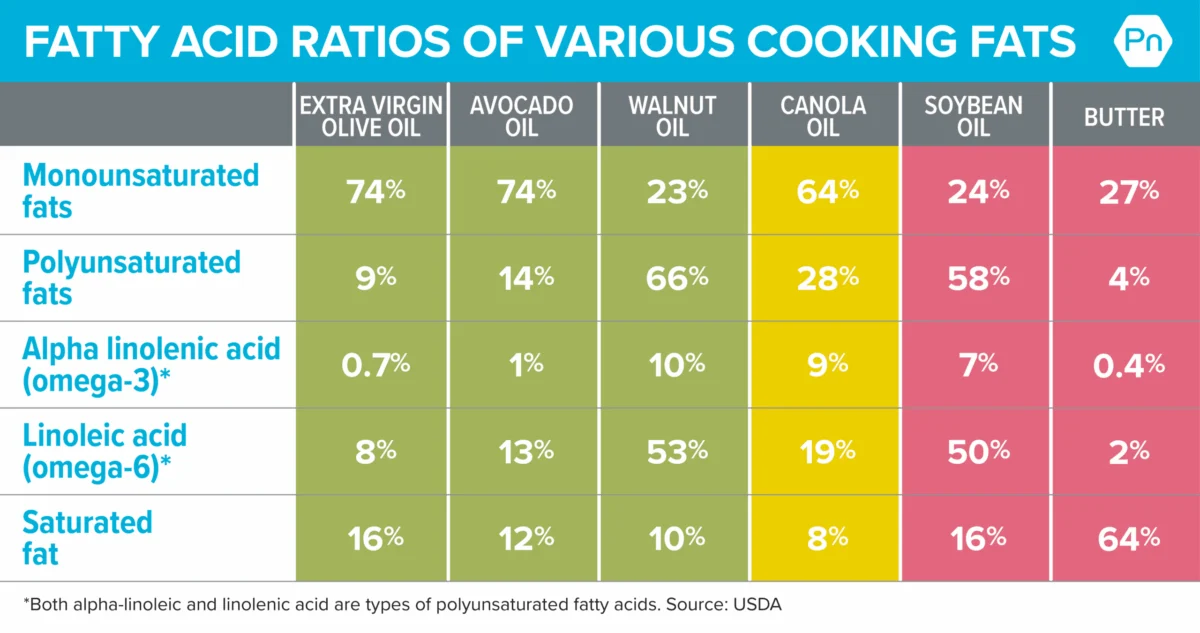
A prominent argument against seed oils highlights their high concentration of omega-6 polyunsaturated fatty acids (specifically linoleic acid) compared to omega-3 fatty acids. The typical Western diet, heavily reliant on refined vegetable oils and ultra-processed foods, often exhibits an omega-6 to omega-3 ratio of 16:1 to 20:1, far exceeding the theoretical "ideal" ratios (historically suggested between 1:1 and 4:1). Critics contend that this imbalance promotes a pro-inflammatory state in the body, potentially increasing the risk for chronic diseases like diabetes, obesity, and cardiovascular issues. This theory is based on the understanding that omega-6 and omega-3 fatty acids compete for the same metabolic enzymes, which produce eicosanoids – signaling molecules that can be either pro-inflammatory or anti-inflammatory. An excess of omega-6s, in this view, skews the balance towards pro-inflammatory eicosanoids.
However, the scientific community’s stance on this "omega-6 causes inflammation" hypothesis has become more nuanced. Recent comprehensive reviews and studies have challenged the simplistic inflammatory narrative. For example, the American Heart Association (AHA) and Harvard Health have published analyses suggesting that, in the context of a balanced diet, dietary omega-6 fats from sources like nuts, seeds, and even vegetable oils, do not increase inflammation and may even reduce the risk of cardiovascular disease. A 2019 study published in Circulation, an AHA journal, concluded that replacing saturated fats with omega-6 polyunsaturated fats significantly reduced the risk of stroke, heart disease, and early death.
The critical distinction often overlooked is the food matrix. While refined vegetable oils are essentially pure fat, whole foods rich in omega-6s, such as nuts and seeds, come bundled with fiber, polyphenols, protein, vitamins, and minerals. These additional compounds are known to exert anti-inflammatory and health-protective effects, suggesting that the overall dietary pattern and the form in which fats are consumed are more important than isolated fatty acid ratios. Minimally processed foods, even those high in omega-6s, provide a complex array of nutrients that can mitigate potential negative effects.
Saturated Fat vs. Polyunsaturated Fat:
The debate also reignites the long-standing controversy over saturated fats (found abundantly in butter, red meat, and coconut oil) versus polyunsaturated fats. For decades, particularly from the 1980s to the early 2000s, dietary guidelines heavily emphasized reducing saturated fat intake, often advocating for its replacement with polyunsaturated fats. This led to the unfortunate promotion of trans-fat-rich margarine as a "healthy" alternative, a public health misstep that fueled skepticism about official dietary advice.
While some proponents of high-saturated fat diets argue that the evidence against saturated fat is weak, the prevailing scientific consensus, supported by major health organizations, still recommends moderating saturated fat intake. Excessive consumption (beyond 10% of total daily calories) is consistently linked to elevated LDL ("bad") cholesterol levels and an increased risk of heart disease. Research indicates that replacing just 5% of dietary saturated fats with monounsaturated fats can reduce heart disease risk by 15%, and replacing them with polyunsaturated fats (including those from vegetable oils) can reduce risk by 10%.
However, not all saturated fats are created equal, and their effects can be modulated by the food matrix. For example, some dairy products contain a "milk fat globule membrane" (MFGM) that encases saturated fats, potentially limiting their cholesterol-raising effects. Butter, however, is relatively low in MFGM and tends to raise blood cholesterol more significantly than other high-fat dairy products like full-fat milk, yogurt, or cheese. A single tablespoon of butter contains approximately 7 grams of saturated fat, roughly one-third of the recommended daily limit for a 2000-calorie diet. Thus, moderation remains a key recommendation for butter consumption.
Refined vegetable oils, while generally lower in saturated fat, present their own challenges. Their polyunsaturated fatty acids are inherently less stable and more susceptible to oxidation than monounsaturated or saturated fats. The industrial refining process strips away many of the natural protective phytochemicals and antioxidants, making these oils even more prone to oxidative damage. The theory is that consuming oxidized fats can contribute to systemic inflammation and oxidative stress, potentially harming cells and tissues. Some studies have indeed found associations between diets high in polyunsaturated fats from refined vegetable oils and increased markers of oxidized blood lipids.
Expert Recommendations: Navigating the Oil Aisle
Major health organizations, including the World Health Organization (WHO), the American Heart Association (AHA), and the U.S. Dietary Guidelines, consistently recommend a dietary pattern that emphasizes unsaturated fats over saturated and trans fats. They generally advocate for the inclusion of oils rich in monounsaturated (MUFAs) and polyunsaturated (PUFAs) fatty acids as part of a balanced diet.
A nuanced approach to oil selection often categorizes cooking fats based on their processing, fatty acid profile, and established health benefits:
"Eat More" (Health-Promoting):
- Extra Virgin Olive Oil (EVOO): This remains the gold standard. Produced by mechanically pressing olives without heat or chemical solvents, EVOO retains a rich array of polyphenols and antioxidants, alongside its high concentration of heart-healthy monounsaturated fatty acids. Extensive research, including large cohort studies like the PREDIMED study, has consistently linked EVOO consumption to reduced risks of cardiovascular disease, stroke, certain cancers, type 2 diabetes, and even neurodegenerative diseases like Alzheimer’s. Its polyphenols also provide remarkable stability during cooking, even at temperatures previously thought to be problematic due to its moderate smoke point.
- Avocado Oil: Similar to EVOO, cold-pressed avocado oil is rich in MUFAs and contains beneficial plant compounds, making it another excellent choice for cooking and dressings.
- Walnut Oil: Predominantly polyunsaturated, walnut oil is best used for dressings rather than high-heat cooking due to its lower heat stability, but it offers a good source of omega-3 alpha-linolenic acid (ALA).
"Eat Some" (Health-Neutral to Moderately Beneficial in Context):
- Expeller-Pressed Canola Oil: Derived from a hybrid rapeseed plant, expeller-pressed canola oil is produced via mechanical pressing without chemical solvents or high heat, preserving more of its beneficial compounds. It is rich in MUFAs and also contains ALA (an omega-3 fatty acid) and phytosterols, which can positively influence blood cholesterol. While not as extensively researched as EVOO, it is a budget-friendly option with a neutral flavor, making it versatile for baking and moderate-heat cooking. When used in moderation, it is considered a healthy choice, particularly when replacing saturated fats.
- High-Oleic Sunflower and Safflower Oils: These varieties are specifically bred to be higher in monounsaturated fats (oleic acid) and lower in polyunsaturated fats compared to their traditional counterparts. This composition makes them more stable for cooking and offers similar cardiovascular benefits when used to replace saturated fats.
"Eat Less" (Limit Intake):

- Refined Vegetable Oils (e.g., standard corn, soybean, traditional sunflower/safflower, grapeseed oils): Due to their extensive processing (RBD), these oils lose many beneficial micronutrients and are more susceptible to oxidation. While they are high in polyunsaturated fats, the balance of omega-6 to omega-3 is often heavily skewed, and the absence of protective compounds raises concerns about their potential pro-inflammatory effects, particularly when repeatedly heated or consumed in large quantities within ultra-processed foods. They may also contain trace amounts of trans fats.
- Butter and other high-saturated fats: While butter is less processed than many refined seed oils, its high saturated fat content and lower amount of protective MFGM means it should be consumed in moderation as part of a heart-healthy diet.
The Broader Context: Ultra-Processed Foods
A critical aspect often missing from the isolated debate about seed oils is their primary context of consumption. For the vast majority of people, the largest source of refined vegetable oils is not home-cooked meals but ultra-processed foods (UPFs). These industrially formulated products—ranging from packaged snacks, sugary cereals, and frozen dinners to sauces, baked goods, and fast food—are characterized by multiple processing steps and the addition of cosmetic ingredients (flavors, colors, emulsifiers) not typically used in home cooking.
The oils within UPFs undergo further processing and often repeated heating, which exacerbates oxidation and the formation of undesirable compounds. Crucially, UPFs are not just about the oils they contain; they are typically high in added sugars, sodium, and unhealthy fats, while being low in beneficial nutrients like fiber, vitamins, minerals, and phytonutrients. Their hyper-palatable nature, engineered to be intensely rewarding and difficult to stop eating, contributes significantly to overconsumption and weight gain.
Extensive research has linked high consumption of UPFs to a wide array of adverse health outcomes, independent of individual nutrient content. A large review involving nearly 10 million people found a consistent association between UPF consumption and a higher risk of premature death. Other studies have connected UPFs to an increased risk of obesity, type 2 diabetes, cardiovascular diseases, certain cancers, depression, irritable bowel syndrome, and even frailty. Therefore, the health implications of refined vegetable oils are often intertwined with, and amplified by, the detrimental effects of the UPF matrix in which they are predominantly consumed.
Informed Choices for a Healthier Diet
Given the scientific nuance, the most impactful dietary strategy involves prioritizing overall eating patterns rather than fixating on single ingredients.
-
Prioritize Minimally Processed Whole Foods: The foundation of a healthy diet should be whole and minimally processed foods. These include fruits, vegetables, legumes, whole grains, nuts, seeds, lean proteins, and healthy fats from sources like avocados, olives, and fatty fish (e.g., salmon). These foods naturally provide health-promoting monounsaturated and omega-3 fats, along with fiber, protein, vitamins, minerals, and antioxidants that protect against oxidative stress and inflammation. When evaluating a packaged food, consider its ingredient list (length, recognizable ingredients), how much it has been altered from its natural state, and if you could reasonably make it at home. If the answers lean towards complex ingredients, significant alteration, and industrial production, it’s likely ultra-processed.
-
Choose Oils Wisely for Cooking and Dressings: When using cooking oils, opt for those with strong research backing and minimal processing. Extra virgin olive oil, cold-pressed avocado oil, and expeller-pressed canola oil are excellent choices for most culinary applications. For specific purposes like baking or where a neutral flavor is desired, high-oleic sunflower or safflower oils can be good alternatives.
-
Moderate Oil Intake and Emphasize Whole Food Fats: While certain oils offer health benefits, they are concentrated sources of calories and lack the fiber and micronutrients found in whole food fats. Aim to derive most of your dietary fats from whole foods like nuts, seeds, avocados, and olives. Limiting daily intake of added oils and butter to about one to three servings (e.g., teaspoons or tablespoons, depending on calorie needs) is a reasonable guideline.
-
Limit Deep-Fried and Ultra-Processed Foods: Regardless of the oil used, deep-fried foods should be consumed sparingly due to the potential for trans fat formation, oxidation, and high calorie density. Similarly, consciously reducing the intake of ultra-processed foods is perhaps the single most effective step to lower overall exposure to refined vegetable oils and simultaneously improve dietary quality across the board. Aiming for approximately 80% of your diet to consist of whole and minimally processed foods will naturally relegate refined vegetable oils to a safer, more incidental role in your diet, allowing the protective compounds from colorful plants and fiber to potentially offset any minor concerns.
In conclusion, the question of whether vegetable and seed oils are "toxic" is best answered with nuance. While highly refined oils, especially those consumed within ultra-processed foods, warrant caution due to their processing, potential for oxidation, and contribution to overall poor dietary patterns, other minimally processed vegetable oils, particularly extra virgin olive oil and expeller-pressed canola oil, have a place in a healthy diet. The overarching message from nutritional science remains consistent: focus on a diverse diet rich in whole, minimally processed foods, and choose cooking fats thoughtfully, recognizing that the complete dietary context dictates health outcomes more than any single ingredient.