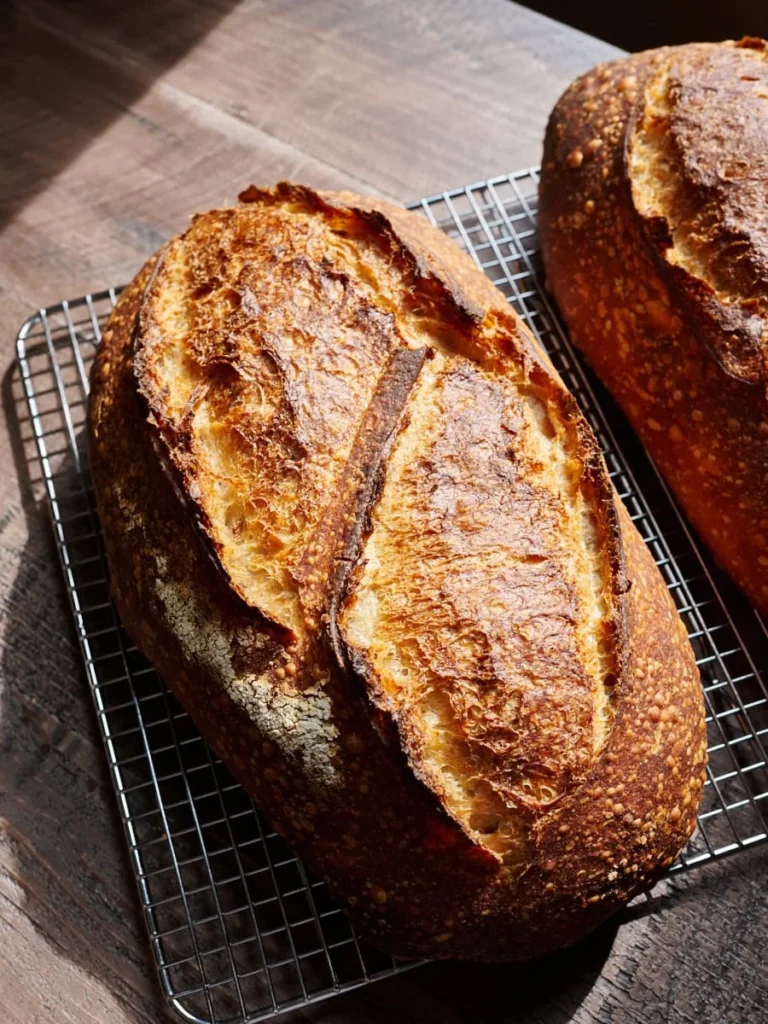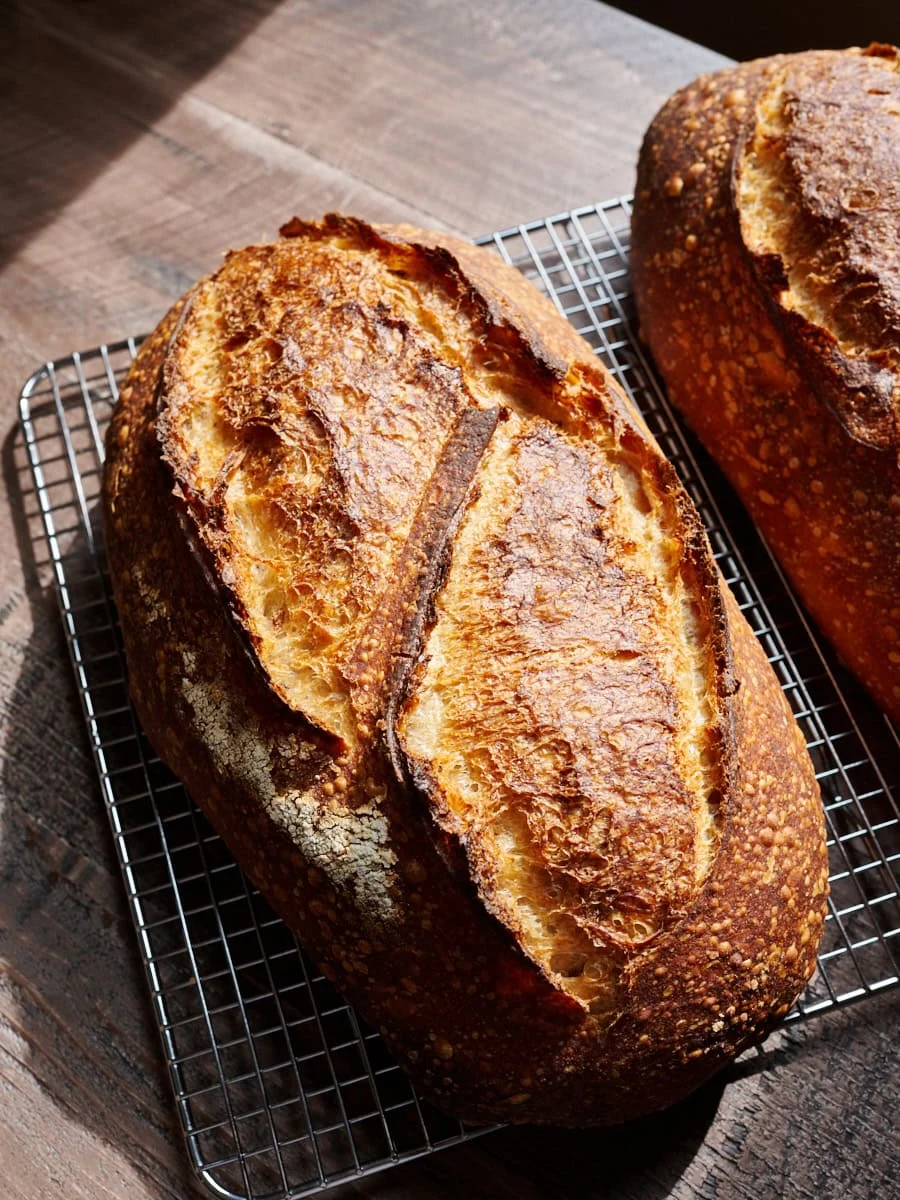

Dough hydration, a seemingly straightforward metric in sourdough baking, unfolds into one of the most intricate and rewarding aspects of the craft. It is not merely a number within a recipe but a dynamic dialogue between the baker and the dough, influenced by a constellation of factors including ambient temperature, humidity, and critically, the specific characteristics of the flour employed. For seasoned bakers and novices alike, a deep understanding of hydration is paramount to achieving consistently superior loaves, transforming a potentially dense and unyielding crumb into a tender, airy masterpiece. This comprehensive guide delves into the science and practical application of dough hydration, drawing from years of hands-on experience and offering actionable insights for bakers seeking to elevate their sourdough endeavors.
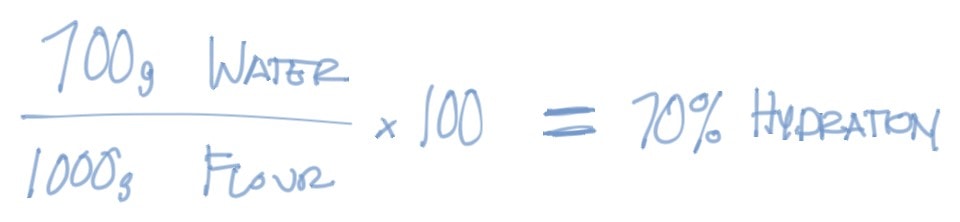
At its core, dough hydration is the measure of water content within a bread recipe, expressed as a percentage relative to the total weight of flour. The calculation is straightforward: (weight of water / total weight of flour) * 100. For instance, a recipe calling for 1,000 grams of flour and 700 grams of water yields a hydration level of 70%. This percentage serves as a crucial initial indicator for bakers, providing a predictive framework for the dough’s behavior even before the mixing process begins.
However, the true complexity of hydration lies in its variability. A critical realization for any baker is that a stated hydration percentage is a guideline, not an immutable law. Flour, far from being a static ingredient, exhibits significant variations. Differences in milling processes, protein content, and even the specific batch of flour from a particular mill can alter its water absorption capabilities. Beyond the flour itself, environmental conditions play a role. While significant shifts in weather patterns—such as a transition from an arid to a highly humid climate—can necessitate adjustments, even day-to-day fluctuations in kitchen humidity can subtly impact dough consistency. A dough that mixes beautifully and achieves a smooth, elastic texture on a dry day might require a different approach when humidity levels rise.
The Pivotal Role of Hydration in Bread Characteristics
The impact of dough hydration on the final loaf is profound, shaping its textural and structural attributes. Water is the transformative agent that breathes life into dry flour, creating a dough capable of capturing and expanding with the gases produced during fermentation. Insufficient water results in a dough that is tight, resistant, and difficult to work with, often leading to a dense, compact crumb. Conversely, an excess of water can render the dough a shapeless, sticky mass, challenging to manage and prone to collapse.
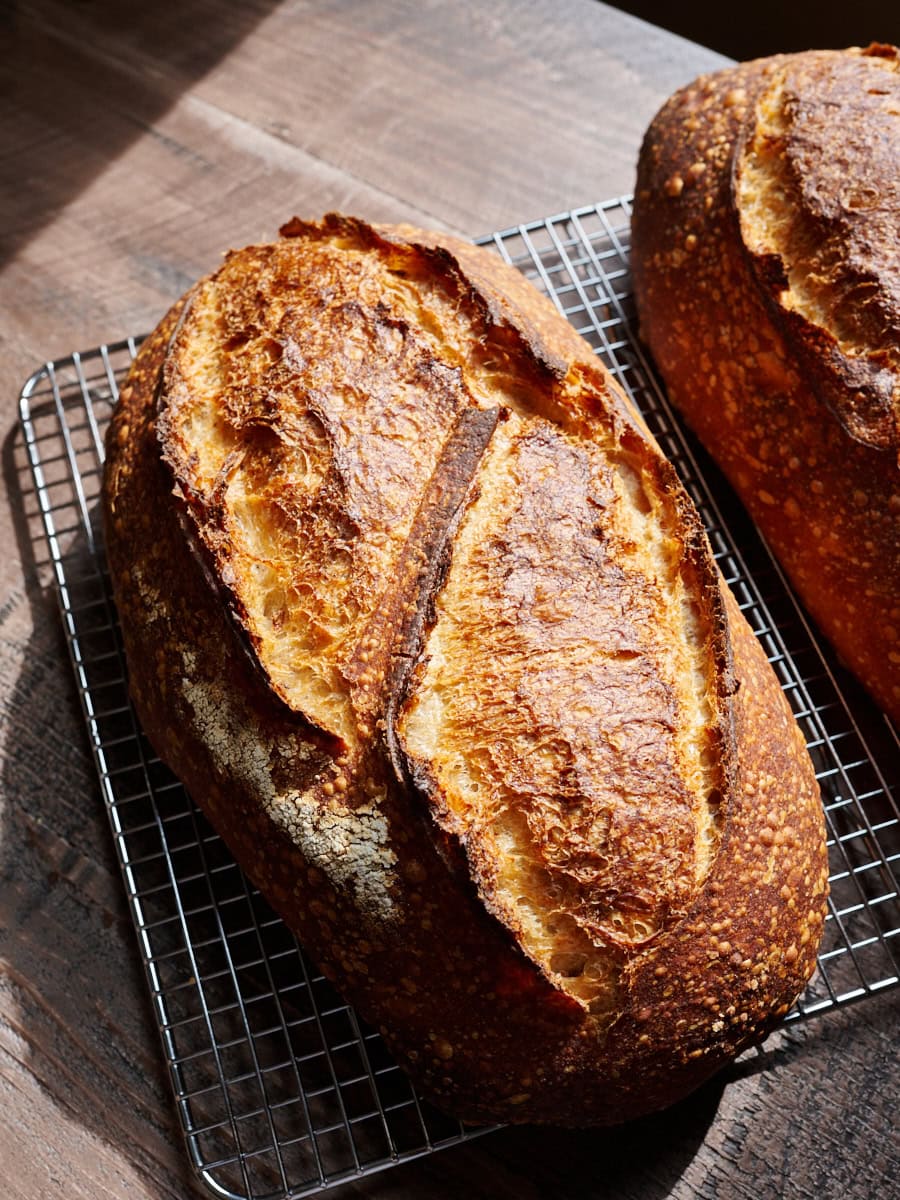
The spectrum between these extremes allows for the creation of a vast array of bread styles. Lower-hydration doughs (typically 60-68%) tend to produce loaves with a more substantial crust, a chewier texture, and a denser crumb. These characteristics are often desirable for certain types of bread, such as bagels, pretzels, or some pan loaves, where a more robust structure is sought. As hydration increases, so does the potential for a more open, airy crumb and a thinner, more delicate crust.
For example, loaves at the higher end of the hydration spectrum, often exceeding 75%, can develop a custardy interior and a brittle crust, offering a distinctly different eating experience. My own baking preferences often lean towards these higher-hydration loaves, seeking a thin crust, a tender crumb, and a melt-in-your-mouth quality. This preference, however, is subjective and underscores the personal nature of baking. It’s important to note that pushing hydration too high can lead to unintended consequences, such as an overly soft texture that compromises the loaf’s structure, accelerated staling, and reduced shelf life, especially if not stored properly. The goal, therefore, is to find a hydration level that achieves desired textural characteristics without sacrificing volume, crumb quality, or overall eating experience.
Understanding Hydration Ranges and Their Implications
To illustrate the impact of hydration, consider these general ranges:
-
Lower-Hydration Bread (60-68%):
- Texture: Typically results in a dough that is easier to handle, less sticky, and forms a stronger gluten network, leading to a more substantial crust and a chewier interior.
- Crumb: Denser and more closed, offering good structural integrity.
- Best Suited For: Bagels, pretzels, certain pizza crusts, and pan-baked loaves where a firm structure is essential.
-
Higher-Hydration Bread (75-85%+):
- Texture: Creates a dough that is much wetter, stickier, and more challenging to manipulate, requiring advanced handling techniques. The gluten network is more extensible and can hold more gas.
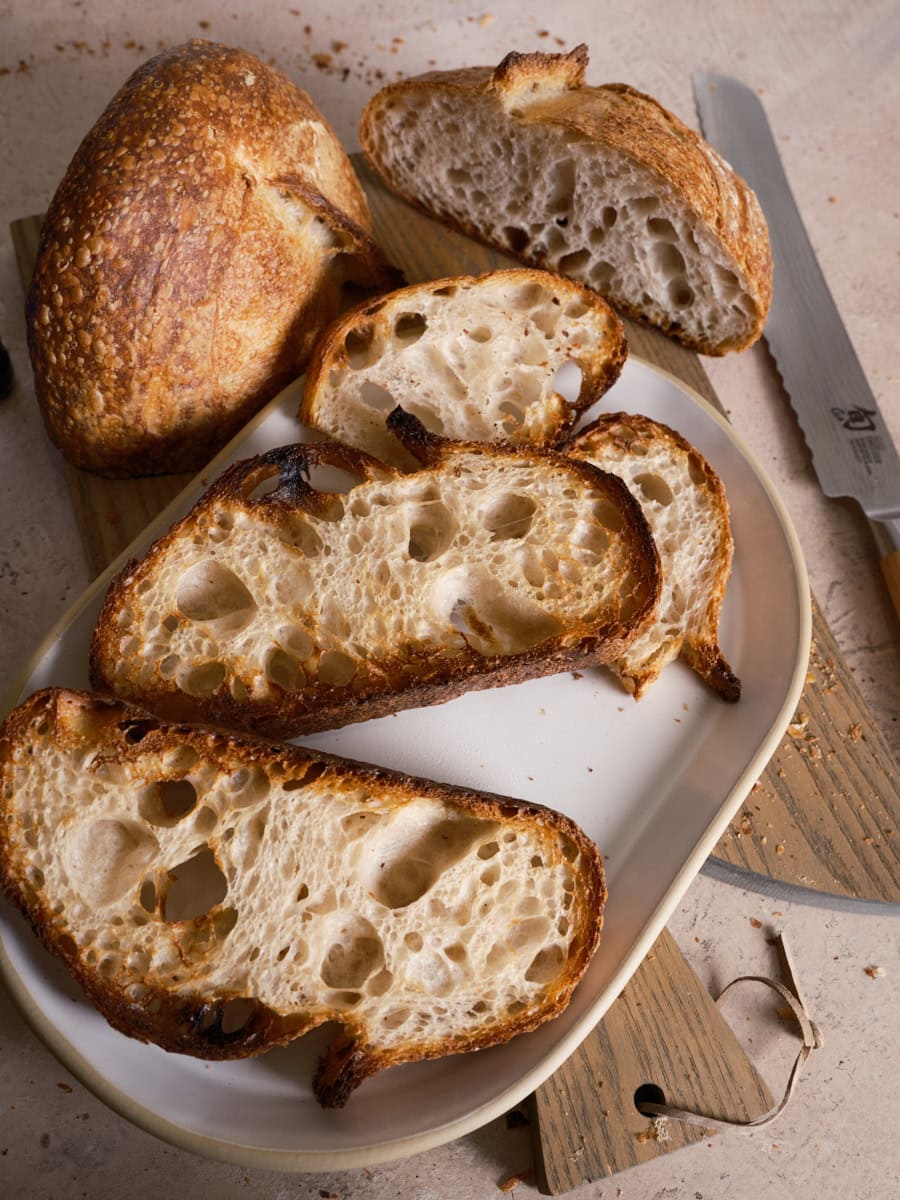
- Crumb: Tends to be more open, airy, and can possess a custardy, melt-in-your-mouth quality. The crust is often thinner and more delicate.
- Best Suited For: Ciabatta, focaccia, and artisan loaves designed for maximum openness and a light texture.
It is crucial to avoid pursuing excessively high hydration levels purely for the sake of achieving a numerically impressive figure. The ultimate objective is an edible, enjoyable loaf. A 100% hydration dough, while technically achievable, may result in a gummy crumb or a loaf that collapses shortly after baking, indicating that the water content has surpassed the dough’s structural capacity.
The Art of "Reading" Dough: Beyond the Numbers
One of the most valuable skills a baker can cultivate is the ability to interpret the dough’s visual and tactile cues, rather than adhering rigidly to recipe numbers. A dough described as 70% hydration with one type of flour might feel significantly different—either wetter or stiffer—than a 70% hydration dough made with another flour. This intuitive understanding is developed through practice and observation.
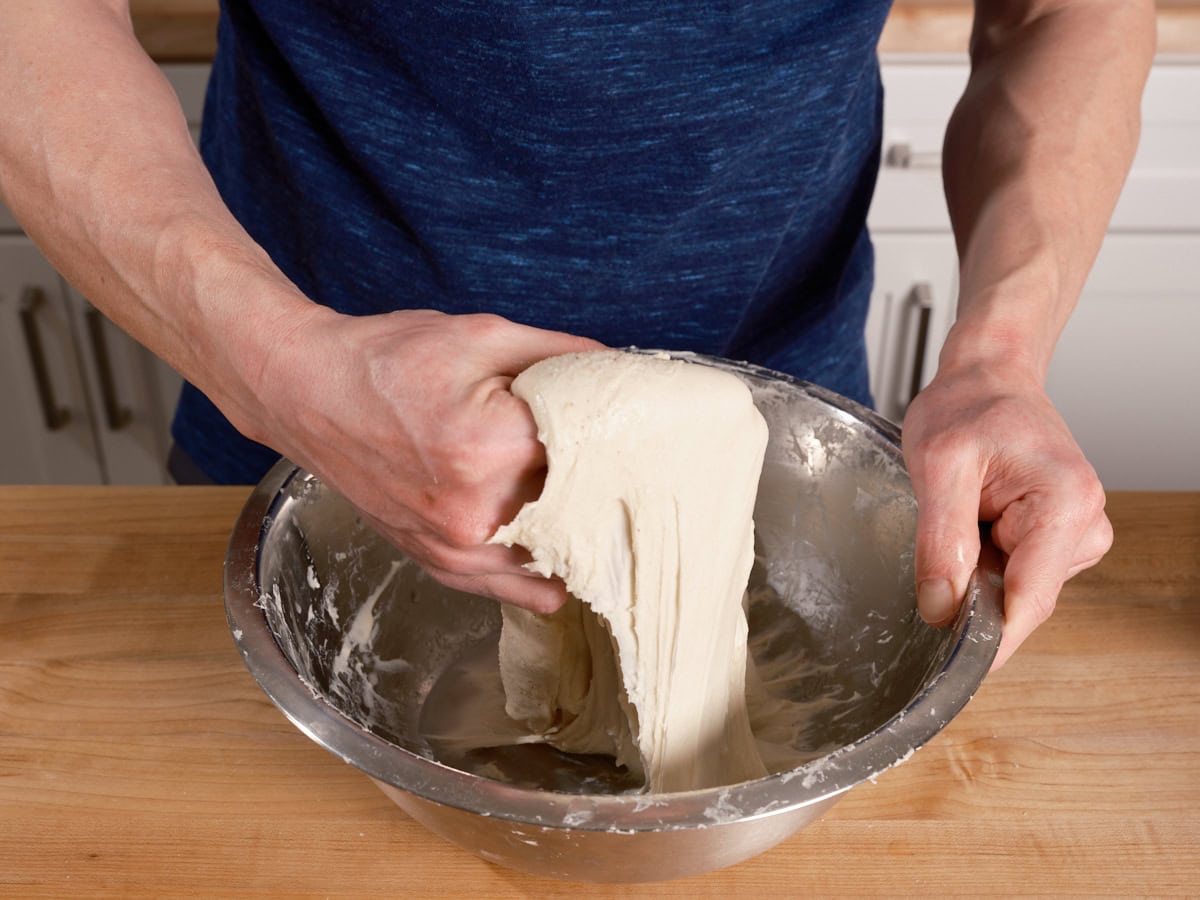
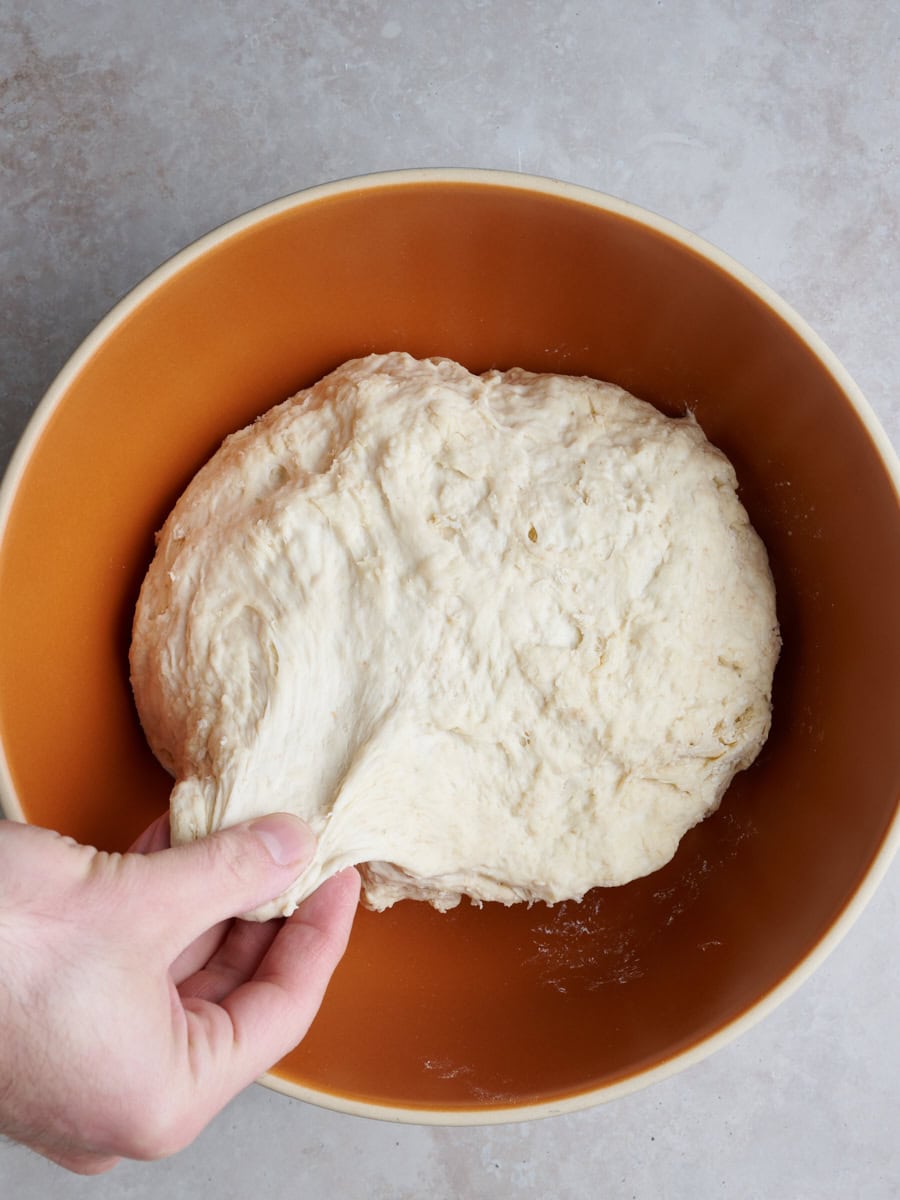
To further illustrate, let’s examine doughs at different hydration levels:
-
Under-Hydrated Dough (~62% or less):
- Appearance: Appears stiff, dry, and may exhibit a shaggy texture. It is resistant to stretching and shaping.
- Feel: Feels dense and difficult to knead. It may not form a smooth ball and could crack at the edges.
- Resulting Loaf Characteristics: A dense, tight crumb with a thick, potentially hard crust.
-
Properly Hydrated Dough (~68-75%):
- Appearance: Smooth, elastic, and develops a windowpane effect when stretched thin, indicating a well-formed gluten network. It holds its shape reasonably well.
- Feel: Manageable, slightly tacky but not overly sticky. It will feel supple and responsive to touch.
- Resulting Loaf Characteristics: A balanced crumb structure, with a good balance of openness and structure, and a crust that is neither too thick nor too thin.
-
Over-Hydrated Dough (~75%+):
- Appearance: Appears very wet, slack, and may spread considerably. It is difficult to shape and can be prone to tearing.
- Feel: Feels very sticky and difficult to handle without wet hands or dough scrapers. It may resist forming a cohesive ball.
- Resulting Loaf Characteristics: An extremely open and airy crumb, potentially custardy, but with a higher risk of collapse, a very thin crust, and challenges in achieving good oven spring.
Bassinage: A Technique for Enhanced Hydration Management
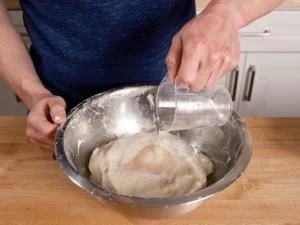
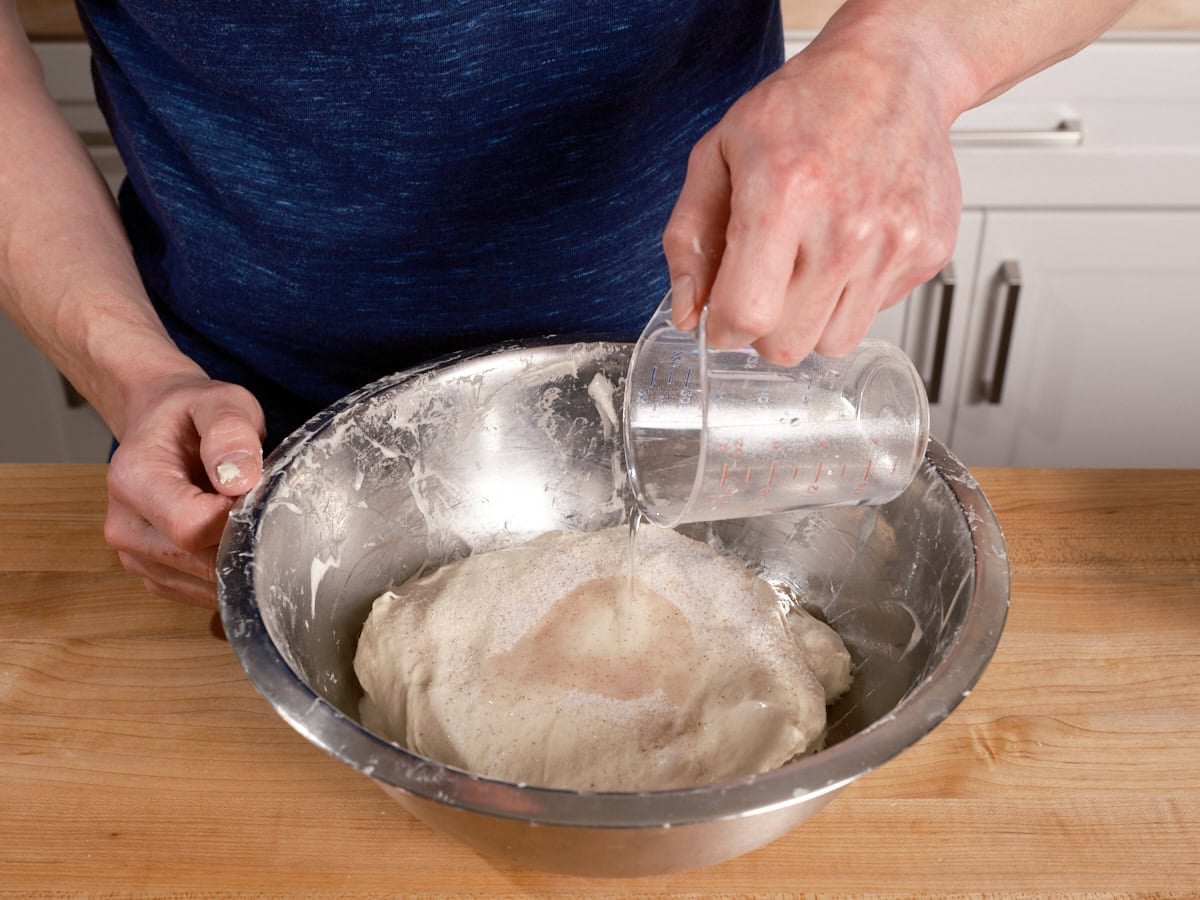
A technique that has significantly improved my sourdough baking is bassinage, also known as "double hydration." This method involves withholding a portion of the total water and adding it in stages during the mixing process. Instead of incorporating all the water at the outset, a significant amount (typically 80-90%) is added initially, allowing the flour’s starches to begin absorbing moisture and the gluten matrix to start developing. The remaining water is then incorporated gradually.
This phased approach offers several key advantages:

- Facilitated Gluten Development: Adding all the water at once, particularly in high-hydration recipes, can make it challenging to develop a strong gluten network. Insufficient friction can hinder gluten formation when the dough is excessively wet. By introducing water incrementally, bakers can achieve greater dough strength with less mixing time and a reduced risk of under-development.
- Assessment of Dough Strength: Holding back water provides an opportunity to evaluate the dough’s strength towards the end of the mixing phase. This allows the baker to make an informed decision about whether to incorporate the reserved water or omit it, based on the dough’s current consistency and resilience. Many recipes incorporate this by designating "Water 1" for the initial mix and "Water 2" as a reserve for fine-tuning dough consistency. A practical tip: if the dough feels excessively slack and uncontrollable after the initial water addition, it’s often advisable to omit the reserved water entirely.
Factors Influencing Water Absorption
Several key factors dictate how much water a dough can effectively absorb and utilize:
- Flour Type and Protein Content: Flours with higher protein content (generally 12-14% in North American bread flours) possess a greater capacity for water absorption and require it to achieve optimal texture. The protein forms gluten, a robust network capable of trapping moisture. Lower-protein flours, common in other global regions, may necessitate reduced hydration to prevent a sticky, unmanageable dough.
- Whole Grain Flours: Ingredients like whole wheat, rye, and other whole grains contain bran and germ, which are highly absorbent. Recipes with a significant proportion of whole grains will require more water to achieve a desirable dough consistency. For instance, a bread with 50% whole wheat might benefit from a hydration level around 82%, a level that would be challenging with 100% white flour.
- Freshly Milled Flour: Flour milled at home often requires a higher hydration level than commercially aged flour, even after sifting, to achieve the correct dough consistency.
- Climate and Environment: Altitude and humidity significantly influence flour’s moisture content. Bakers in arid, high-altitude regions like New Mexico may require higher hydration percentages than those in humid, low-lying areas. Even minor fluctuations in daily humidity can necessitate slight adjustments.
Addressing Sticky Dough Frustrations
A common source of frustration for bakers is excessively sticky dough. This issue is often linked to hydration levels, dough strength, or a combination of both. Common causes include:
- Over-hydration: Simply adding too much water relative to the flour’s absorption capacity.
- Under-development of Gluten: Insufficient mixing or kneading means the gluten network hasn’t formed sufficiently to structure the dough and bind the water.
- Flour Type: Some flours, particularly those with lower protein content or less gluten-forming potential, may be more prone to sticking even at moderate hydration levels.
- Environmental Factors: High ambient humidity can make the dough feel stickier as it absorbs moisture from the air.
- Insufficient Autolyse: A period of rest after mixing flour and water (autolyse) allows the flour to fully hydrate, improving extensibility and reducing stickiness during subsequent mixing.
Managing High-Hydration Doughs Effectively
As hydration levels increase, dough stability naturally decreases. Pushing the water content is akin to stressing the gluten matrix to its limits. Effective management of high-hydration doughs involves:
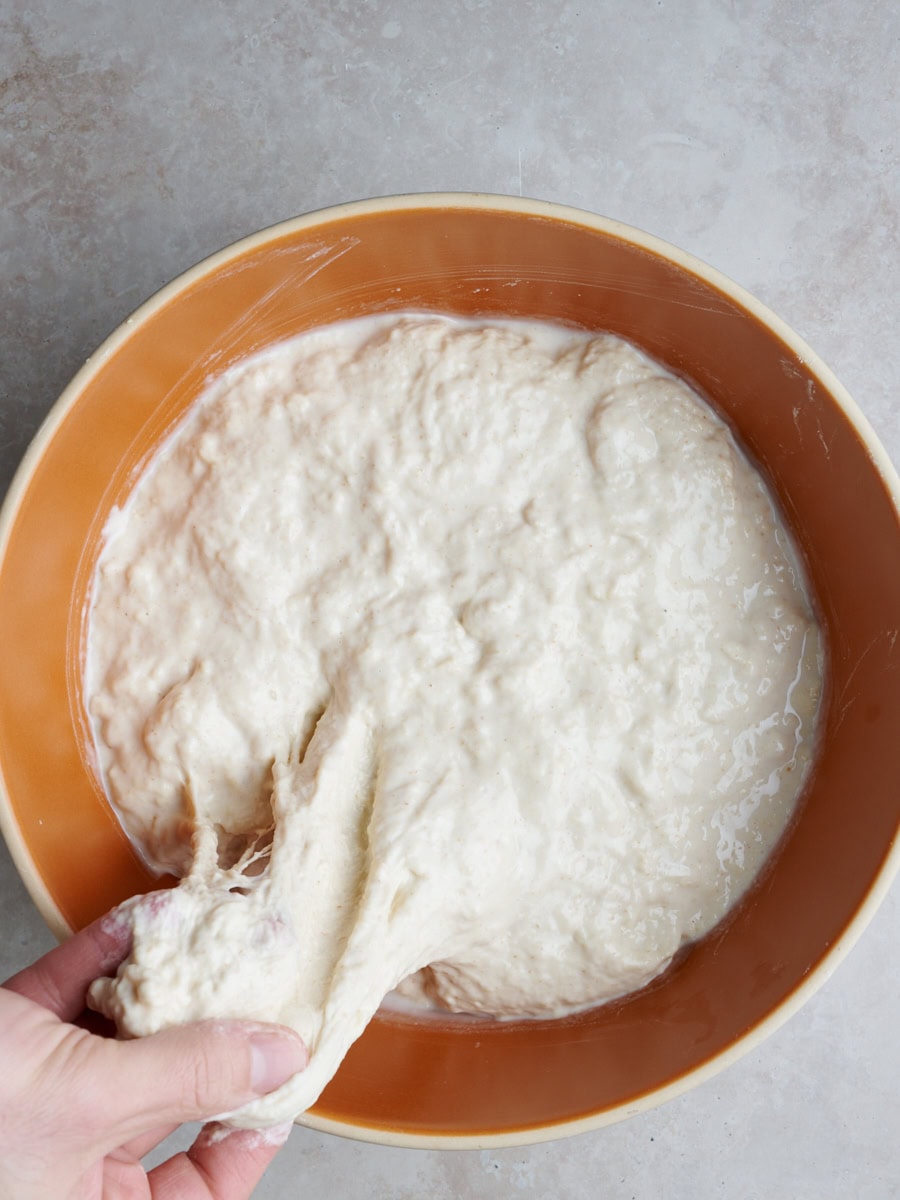
- Developing Gluten Strength: Employing techniques like stretch-and-folds, coil folds, or prolonged kneading to build a resilient gluten network capable of supporting the increased water content.
- Using Tools: Incorporating dough scrapers, wet hands, or a stand mixer with a dough hook can aid in handling very wet doughs.
- Strategic Shaping: Employing gentle but firm shaping techniques to create surface tension without degassing the dough excessively. This often involves multiple stages of shaping and resting.
- Controlled Fermentation: High-hydration doughs can ferment more rapidly. Careful monitoring of the dough’s rise and development is crucial to avoid over-fermentation, which can lead to a slack and unmanageable dough.
- Baking Environment: A hot oven with sufficient steam is vital for achieving good oven spring and a well-formed crust, particularly with high-hydration loaves.
Hydration Quick Reference Chart
| Hydration Level | Characteristics | Best For |
|---|---|---|
| 60-65% | Stiff, easy to handle, potentially thicker crust | Bagels, pretzels, pizza, some pan loaves |
| 65-70% | Balanced, manageable, good structure | Classic breads, beginner-friendly sourdough |
| 70-75% | Moderately open crumb, thin crust | Classic country loaves, baguettes |
| 75-80% | Requires longer mixing, tender crumb, skill needed | Ciabatta, focaccia, open-crumb loaves, sandwich loaves |
| 80%+ | Requires longer mixing, more open crumb, challenging | High-hydration loaves, custardy crumb, challenging to shape |
Addressing Common Hydration Queries
Why can’t I just add more flour if my dough is too wet?
Adjusting flour quantity disrupts the fundamental baker’s percentages, which dictate the precise ratios of all ingredients relative to the total flour weight (salt, levain, etc.). Modifying water content specifically impacts hydration without altering these essential ratios. While a last resort for completely unmanageable dough, adding flour should be noted for future recipe adjustments.
Does higher hydration guarantee a more open crumb?
Not exclusively. While higher hydration contributes to an open crumb, other factors such as fermentation, shaping technique, and baking method are equally critical. Achieving an open crumb involves mastering all aspects of the baking process, not just increasing water content.
What is the ideal starting hydration for beginners?
A hydration level of 68-70% with a quality bread flour is generally recommended for beginners. This range offers a forgiving dough that is manageable while still yielding excellent results. As confidence grows, bakers can gradually experiment with higher hydration levels.
What is the ideal hydration for bread dough?
There is no single "ideal" hydration. It is entirely dependent on the specific flour used and the desired characteristics of the final bread. Most bread doughs fall within the 60%-80% range, though variations outside this spectrum are also common.
Cultivating Baker’s Intuition
Ultimately, mastering dough hydration is about developing "baker’s intuition"—a refined sensitivity to the dough’s needs and responses. It involves transitioning from a rigid adherence to numerical recipes to a dynamic conversation with ingredients. Every bag of flour, every kitchen environment, and every day presents unique variables. The most accomplished bakers are those who view recipes as starting points for this ongoing dialogue.
Maintaining detailed baking notes is an invaluable practice. Recording hydration levels, dough consistency, environmental conditions, and final loaf outcomes over time builds an intuitive understanding that transcends any written guide. This journey of observation and adaptation is the essence of becoming a skilled and intuitive sourdough baker.