
The quest for the perfect sourdough loaf often centers on achieving a desirable level of tang, a signature characteristic that distinguishes it from its commercial yeast counterparts. While some bakers actively seek a pronounced, mouth-puckering sourness, others prefer a subtler, more nuanced acidity that complements the bread’s other flavors. Fortunately, controlling this "sourness," primarily a result of lactic and acetic acids produced by wild yeasts and bacteria in the sourdough starter, is achievable at various stages of the breadmaking process. This comprehensive guide delves into the scientific principles and practical techniques that allow bakers to precisely dial in their desired level of sourdough tang.
Understanding the Sourness Spectrum: Lactic vs. Acetic Acid
At its core, the sour flavor in sourdough is a complex interplay between time, temperature, and the unique microbial ecosystem within a baker’s starter. These microorganisms, predominantly lactic acid bacteria (LAB), produce two key organic acids that contribute to the bread’s characteristic tang: lactic acid and acetic acid.
Lactic acid offers a smooth, mild, and almost yogurt-like sourness, contributing to the creamy texture often found in well-crafted sourdough. In contrast, acetic acid, the same compound found in vinegar, provides a sharper, more pungent, and assertive tang. This acetic acid has a higher vapor pressure, meaning it is the primary contributor to the vinegary aroma often detected in active sourdough starters. The specific ratio and total amount of these acids produced are highly sensitive to environmental conditions, particularly pH. As bacteria ferment sugars and produce acid, the dough’s pH drops. This increase in acidity eventually slows down or halts bacterial activity, creating a self-limiting process that bakers can influence.
A Quick Reference: Manipulating Sourdough Sourness
For bakers seeking to fine-tune their sourdough, understanding the impact of various factors is crucial. The following table provides a concise overview of adjustments that can increase or decrease sourness:
| To Increase Sourness | To Decrease Sourness |
|---|---|
| Use starter past its peak ripeness (collapsed, strong sour aroma, loose consistency, frothy) | Use starter/levain at peak ripeness (risen, mild sour aroma, some small bubbles) |
| Extend cold proof (24-48+ hours) | Shorten cold proof (10-12 hours) or skip it |
| Use a stiff levain (50-65% hydration) | Use a liquid levain (100% hydration) |
| Ferment warmer for more total acid (78-82°F / 25-28°C) | Ferment cooler and shorter for less total acid |
| Increase whole grain percentage (especially rye) | Use more white flour |
| Let levain ripen longer | Use a young levain |
| Use a smaller levain (10-15% pre-fermented flour) | Use a larger levain (25-35% pre-fermented flour) |
Strategies for Amplifying Sourdough Sourness
For those who appreciate a pronounced tang, several techniques can be employed to enhance the sour notes in their sourdough. These methods leverage the scientific understanding of microbial activity and acid production.
Utilizing a Ripe Starter
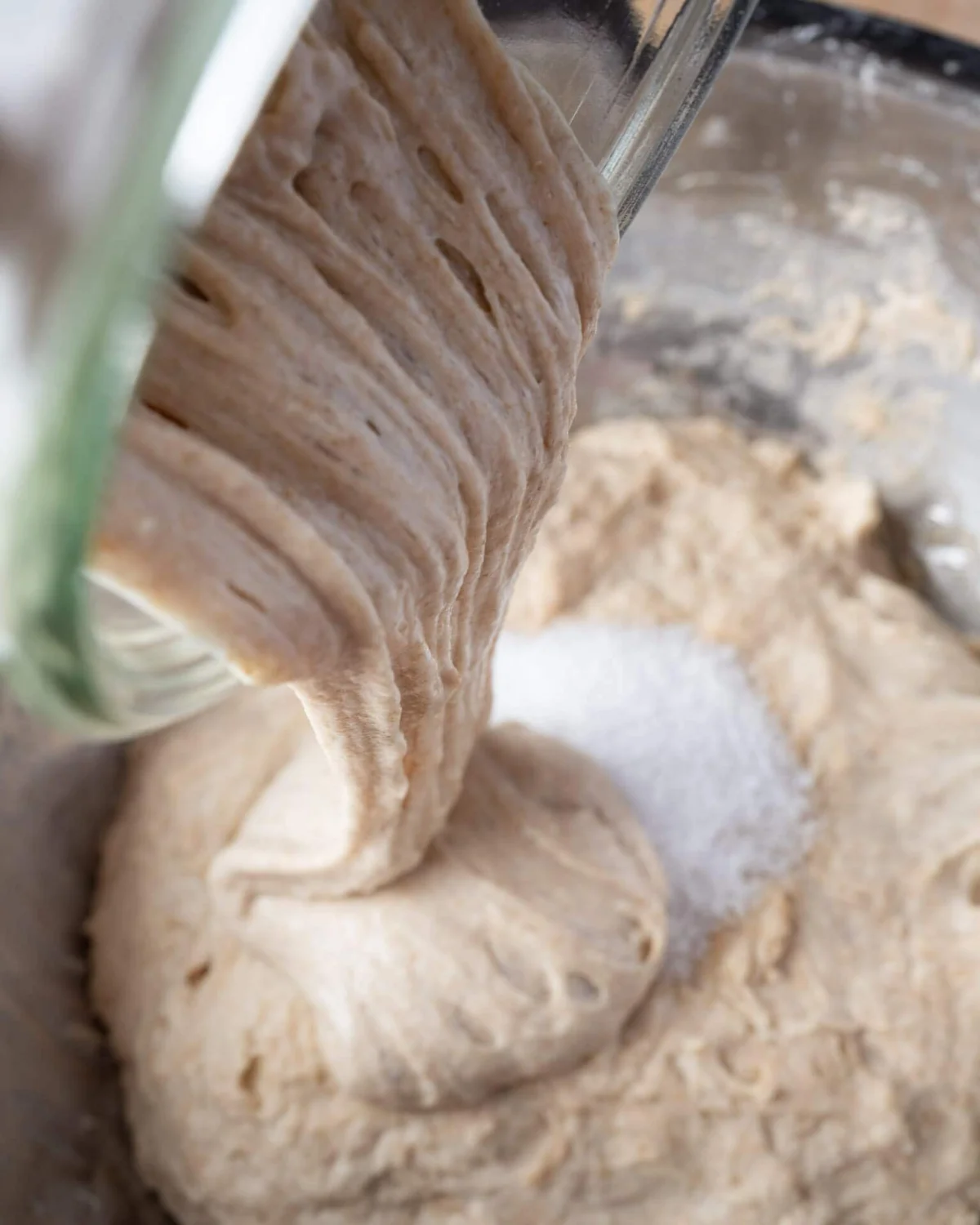
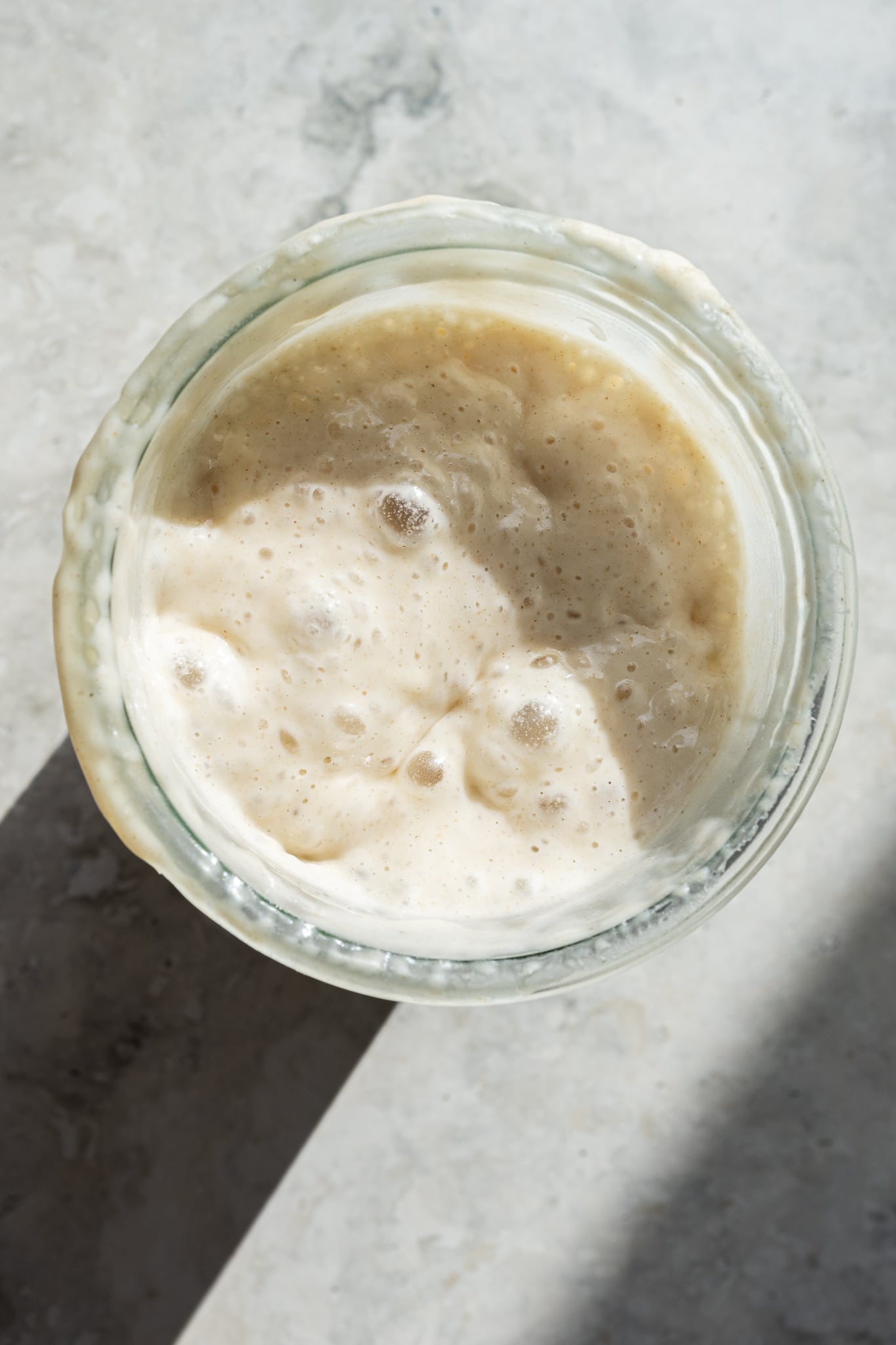
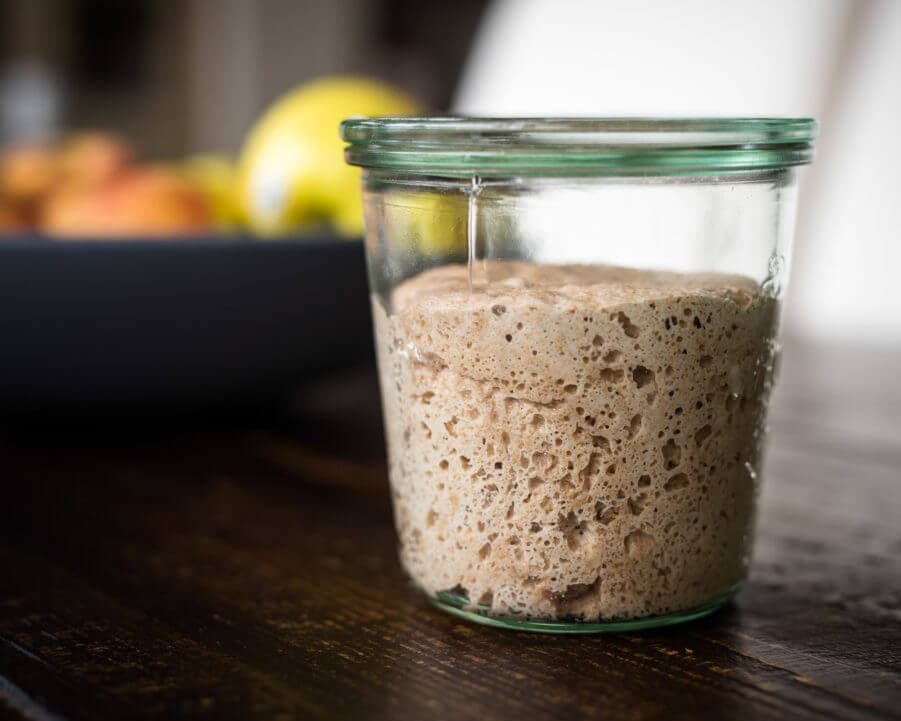
One of the most direct methods to increase sourness is to use a sourdough starter that has passed its peak ripeness. A starter at this stage will exhibit a pungent sour aroma, a loose consistency, abundant bubbles both on the surface and at the bottom of the jar, and may even show signs of collapse. When a starter has consumed most of its food, it has already produced a significant amount of acid. Using this highly acidic starter, or a levain built from it, will directly transfer that accumulated acidity to the final dough, resulting in a more sour loaf. This contrasts with using a starter at its peak or a "young" starter, which will yield a milder flavor profile.
Extending the Cold Proof (Retardation)
The extended cold proof, or retardation, is arguably the most reliable and frequently used method for developing deeper sour flavors. Refrigerating dough slows down microbial activity, but it does not halt it entirely. During this extended period, acid continues to accumulate. While both yeasts and bacteria are affected by the cold, yeasts are generally less inhibited than bacteria. This means that yeasts continue to release sugars, which are then preferentially utilized by bacteria for acetic acid production. This creates a dual effect: more total acid builds up over time, and a higher proportion of that acid is acetic, contributing to a sharper, more pronounced tang.
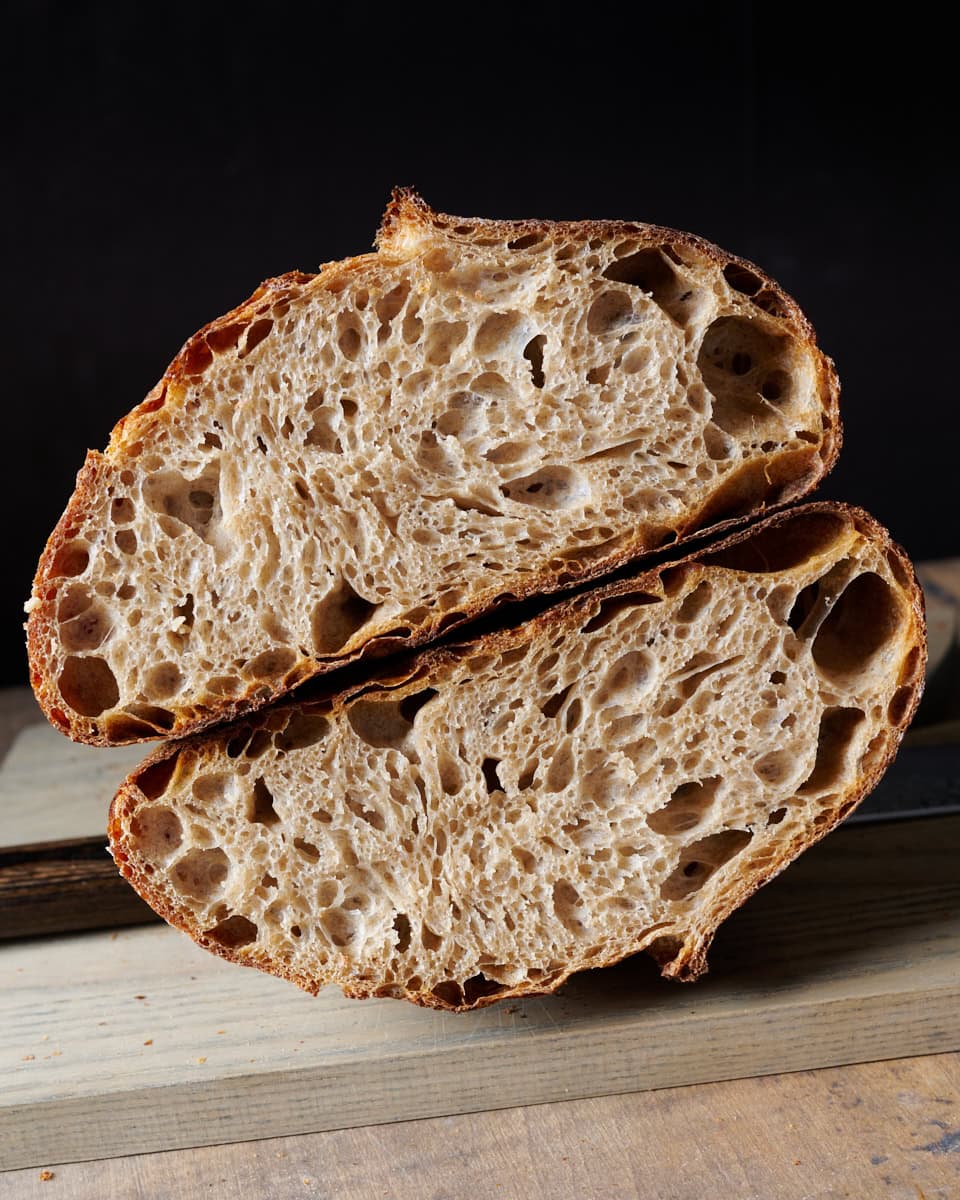
While a typical overnight cold proof of 12-16 hours yields a noticeable sourness, extending this period to 24, 48, or even 72 hours can significantly increase the sour flavor. Some bakers even employ multi-day cold fermentation processes for exceptionally sour loaves. However, it’s important to note that prolonged cold proofing can lead to a decrease in oven spring, as enzymatic activity over extended periods can break down gluten structure, reducing the dough’s ability to expand in the oven.
Employing a Stiffer Levain
The hydration level of a levain plays a crucial role in the type of acid produced, mirroring the effects of cold temperatures. Lower hydration levels in a levain tend to inhibit bacteria more than yeast, shifting the balance towards acetic acid production. A stiff levain, typically with 50-65% hydration, when allowed sufficient time to ripen, creates an environment conducive to increased acetic acid formation.
It is essential to understand that stiffness alone does not guarantee increased sourness; time is the critical factor. A frequently fed, stiff starter like a lievito madre, when maintained on a tight schedule, might produce very mild bread due to constant acid dilution. However, when a stiff levain is combined with a prolonged ripening period, the result is a sharper, more tangy flavor. In contrast, liquid levains (100% hydration or higher) tend to produce bread with a smoother, less aggressive sourness. For instance, a recipe using a stiffer levain and more whole grains will likely be noticeably more sour than one employing a liquid levain with primarily white flour.
Incorporating Whole Grain Flour (Especially Rye)
The inclusion of whole grain flours, particularly rye, significantly boosts sourness due to their higher ash content. Ash content directly correlates with mineral levels, which act as a natural buffering system in the dough. Higher mineral content allows the dough to absorb more acid before its pH drops to a level that inhibits bacterial activity.
Essentially, whole grains raise the threshold for how much acid can accumulate before fermentation slows. In contrast, low-ash refined white flour has a limited buffering capacity, resulting in less total acid production. Rye flour, in particular, is highly effective; even small percentages added to a levain or dough can noticeably increase the bread’s tang. A 100% whole wheat loaf, for example, will typically exhibit a more pronounced tang than a loaf made predominantly with white flour, with rye further amplifying this effect.
Fermenting at Warmer Temperatures
Temperature profoundly influences both the quantity and type of acid produced during fermentation. Warmer dough temperatures, generally between 78-82°F (25-28°C), encourage greater overall bacterial activity. Since most sourdough bacteria have optimal growth temperatures around 89-91°F (32-33°C), warmer dough keeps them in their preferred environment, allowing them to produce a larger volume of total acid.
Conversely, cooler temperatures can shift the balance of acid production towards acetic acid, contributing to a sharper tang. While overall acid production might be lower in cooler conditions, the higher proportion of acetic acid results in a more pronounced vinegar-like flavor. For a rounded, lactic sourness, warmer fermentation is ideal. For a sharp, assertive tang, cooler temperatures and longer fermentation times are more effective. A practical approach often involves a moderately warm bulk fermentation followed by an extended cold proof to achieve a balance of both lactic and acetic acid characteristics. It’s important to note that adjustments to temperature may necessitate changes in levain percentage or fermentation time to prevent under- or over-proofing.
Utilizing a Smaller Levain Percentage
Counterintuitively, using a smaller levain percentage can lead to a more sour loaf. A large, well-ripened levain introduces a significant amount of pre-fermented flour with a lower pH into the dough, causing the dough’s pH to drop rapidly from the outset. As previously mentioned, bacteria are sensitive to low pH; their growth slows as acidity increases. Consequently, a dough that begins at a lower pH has a shorter "runway" for bacteria to produce additional acid.
A smaller levain, conversely, starts the dough at a higher pH, allowing bacteria to function for a longer duration and accumulate acid more gradually. While this necessitates extending fermentation times, the potential for greater total acid production is increased. This nuanced relationship highlights that simply increasing the amount of starter does not automatically guarantee more sourness without considering other factors.
Techniques for Reducing Sourdough Sourness
For bakers who prefer a milder sourdough, several adjustments can be made to dial back the tang. These methods focus on minimizing acid accumulation and promoting a more balanced fermentation.
Maintaining a Well-Fed Starter
The most effective strategy for reducing sourness is to maintain a healthy, frequently fed starter. Regular feeding dilutes accumulated acids and provides fresh food for the yeast and bacteria. A starter that is fed consistently before it becomes overly acidic will remain milder.
A well-fed starter at its peak ripeness – characterized by being risen, bubbly, and having a domed top – has consumed its food but has not yet produced excessive acid. Using a levain at this stage, rather than one that has passed its peak and developed a strong sour aroma, will result in a bread with less pronounced sourness. For those who prefer a subtle, nuanced sourness, frequent starter feeding is a reliable method.
Employing a Young Levain
The timing of levain use is critical. A "young" levain, one that has risen but not yet reached its absolute peak ripeness, will contribute less acid to the final dough compared to a levain that has fermented for many hours past its prime. This approach, sometimes referred to as using a "booster levain," prioritizes high yeast activity and minimal sourness.
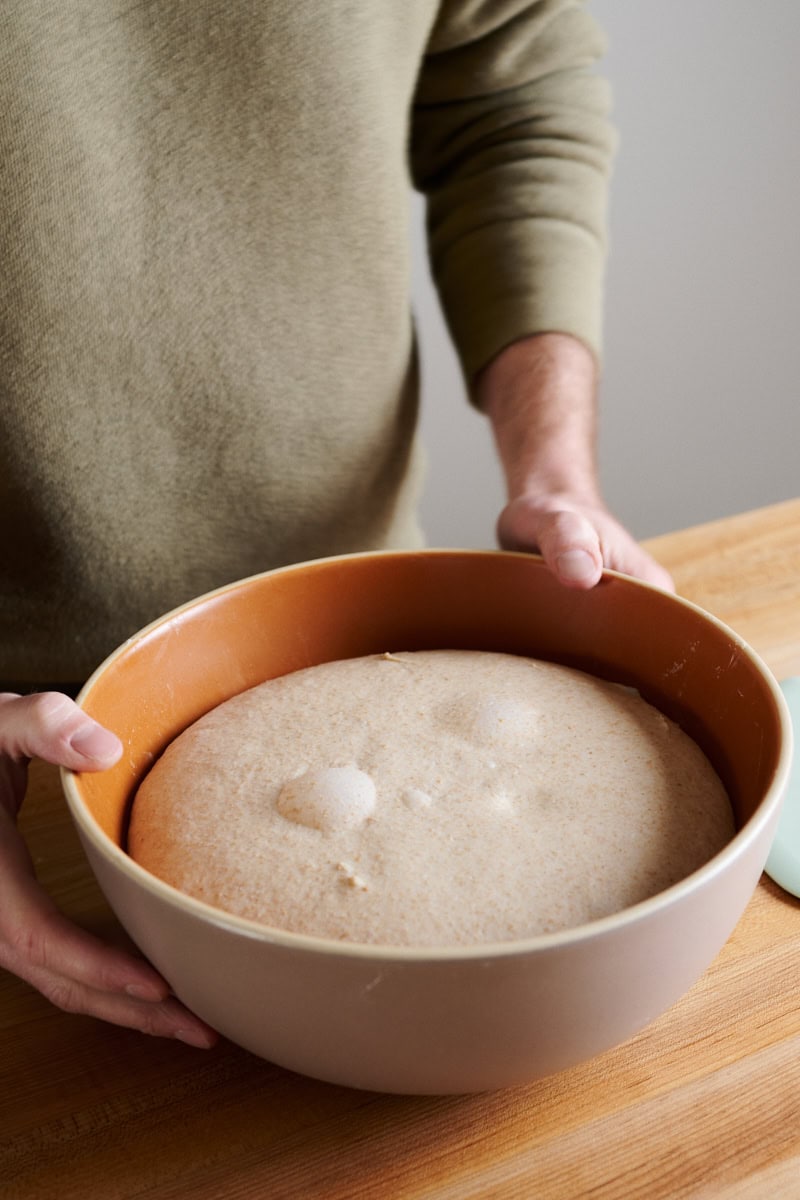
A young levain, often built with a 1:1:1 ratio of flour, starter, and water, kept warm (78-80°F / 25-27°C) for 3-4 hours, is ready when it has doubled in volume, shows good bubbling, has a sweet aroma with a hint of tang, and retains a cohesive consistency. This type of levain is particularly suitable for sourdough pizzas, where a less aggressive tang is often desired.
Shortening the Cold Proof
Reducing the duration of the cold proof is a straightforward way to decrease sourness. Instead of the typical 16-18 hours in the refrigerator, opting for a 10-12 hour cold proof can yield a milder flavor. Alternatively, skipping the cold proof entirely and proofing shaped loaves at room temperature for 2-4 hours, until they pass the poke test, will result in bread with a significantly milder, more grain-forward flavor profile.
Using a Liquid Levain
Higher hydration levains tend to favor the production of lactic acid, the smoother, yogurt-like sourness, over acetic acid. A liquid levain, typically at 100% hydration (equal parts flour and water by weight), contributes a gentler, less sharp flavor compared to a stiff levain. Many bakers find that using a 100% hydration levain, combined with other controlled variables, results in a desirable sourdough character without overwhelming tang.
Fermenting Cooler (For Less Total Acid)
While cooler temperatures can encourage acetic acid production, they also significantly slow down bacterial activity, resulting in less total acid accumulation. If a bread is too sour, a cooler and shorter bulk fermentation, followed by a shorter proof, can produce a milder loaf. However, careful attention must be paid to avoid under-proofing.
Utilizing a Larger Levain Percentage
A larger levain introduces more pre-fermented flour with a lower initial pH into the dough, meaning the dough begins in a more acidic state. This limits the bacteria’s capacity to produce additional acid during bulk fermentation due to their sensitivity to low pH. Furthermore, a larger levain accelerates fermentation, often leading to shorter bulk fermentation times, thus further reducing the opportunity for sourness to develop.
The Extended Cold Proof: A Double-Edged Sword
The question of whether a longer cold proof increases sourness is met with a resounding "yes," and the reasons are rooted in the differential impact of cold temperatures on yeast and bacteria. While both are slowed, yeast are less affected, allowing them to continue producing sugars that bacteria then convert into acetic acid. This means that even with slower overall fermentation, a higher proportion of the acid produced is the sharper acetic acid.
Extensive experimentation with cold proofing times reveals a progression of sourness. At 12 hours, the sourness is subtle. By 18-24 hours, it becomes more noticeable. Beyond 48 hours, the sourness is pronounced. Finding the ideal duration, often around 14-16 hours for many bakers, strikes a balance between flavor complexity and overwhelming tang. It is crucial to monitor the dough closely during extended cold proofs, as overfermentation can lead to a loss of dough structure and reduced oven spring.
The Nuance of Starter and Levain Ratios
The assumption that increasing starter or levain percentage directly correlates with increased sourness is a common misconception. The relationship is more intricate. A large, super-ripened levain carries a significant amount of acid, causing the dough’s pH to drop rapidly. This rapid drop in pH inhibits bacterial growth, limiting their ability to produce further acid. Conversely, a smaller levain initiates fermentation at a higher pH, allowing bacteria more time and opportunity to gradually accumulate acid. This principle is employed in some "sour sour" sourdough recipes that utilize a very small levain percentage to maximize acid development over a long fermentation. Maintaining a consistent levain percentage (typically 15-22%) and adjusting other variables like starter ripeness, total proof time, and final dough temperature often yields more predictable flavor outcomes.
Troubleshooting: The Absence of Tang
A common frustration for novice sourdough bakers is the lack of expected tang in their loaves. Several factors can contribute to this blandness:
Immature Starter
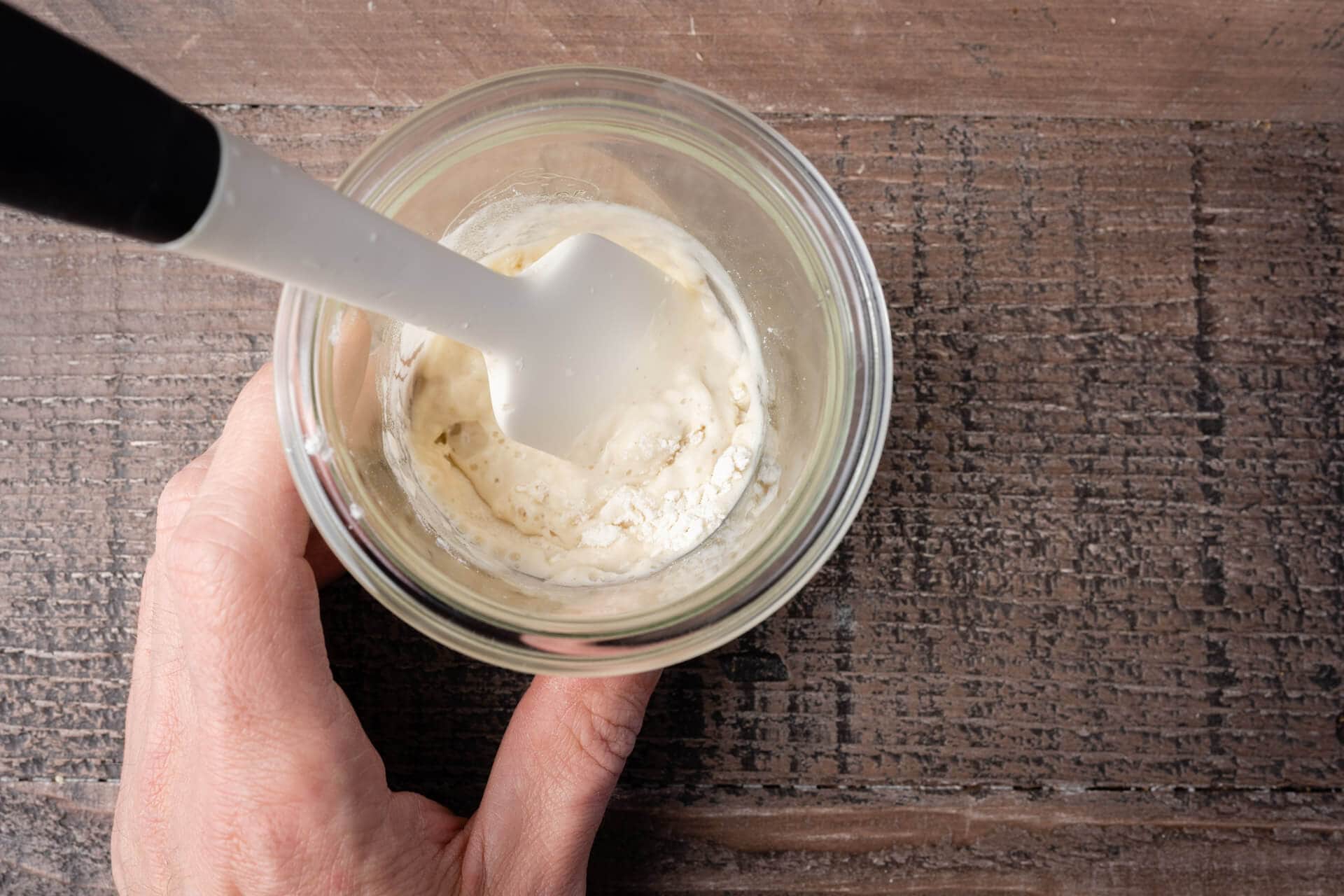
A starter less than 2-3 weeks old may not have an established enough bacterial population to produce significant acid. The flavor profile develops over time as the starter matures and acid-producing bacteria become dominant. Patience and consistent feeding are key to developing this crucial bacterial community.
Under-ripened Levain
Using a levain before it has fully ripened means insufficient fermentation time has occurred for acid accumulation. Ensuring the levain has at least doubled in volume, exhibits abundant bubbles, and possesses a sweet aroma with a hint of tang before being incorporated into the dough is vital.
Insufficient Fermentation Time
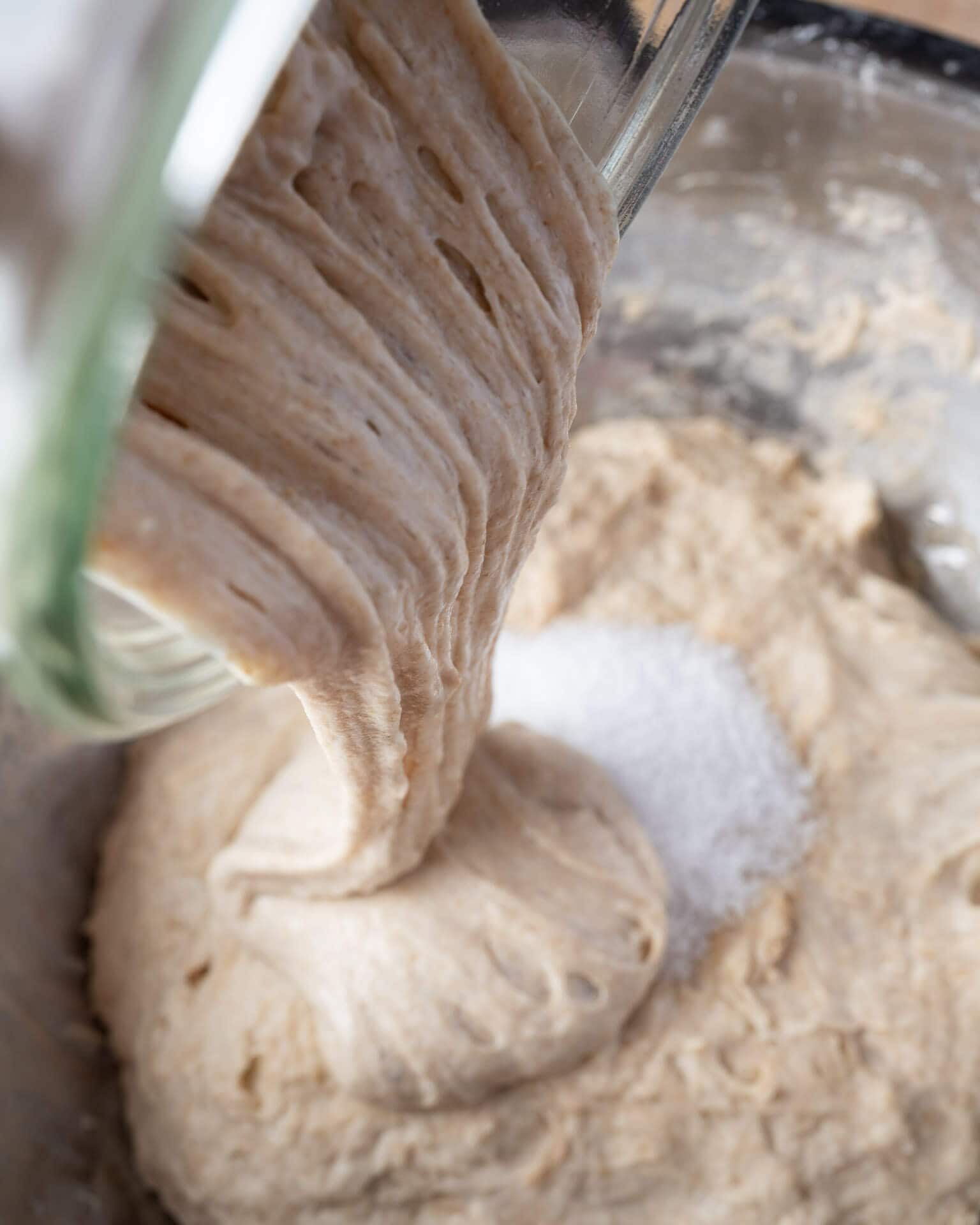
Both bulk fermentation and proofing are critical for flavor development. Rushing through these stages, or experiencing very rapid fermentation due to high ambient temperatures, can prevent adequate acid development. Extending bulk fermentation by 30-60 minutes or incorporating an overnight cold proof can help.
Very Warm Kitchen Environment
In kitchens exceeding 80°F (27°C), fermentation can proceed too quickly, leading to a fully proofed loaf with underdeveloped sourness. Using cooler mixing water to achieve a lower Dough Development Temperature (DDT) or shortening the bulk fermentation and moving to an extended cold proof can mitigate this.
Predominantly Refined White Flour
As discussed, low-ash refined flours have limited buffering capacity, hindering significant acid accumulation. Incorporating even a small percentage of whole wheat or rye flour can introduce the necessary minerals to support greater acid production.
Conclusion: The Art of Personalization
The beauty of sourdough lies in its inherent adaptability. Unlike breads leavened with commercial yeast, naturally leavened bread offers bakers a remarkable degree of control over the final flavor profile. Sourness is just one dimension of this complexity, and home bakers possess a wealth of techniques to shape it.
The most effective approach is to experiment deliberately, altering one variable at a time – a longer cold proof, a different levain ripeness, or a shift in flour composition – and observing the impact on the final loaf. Keeping detailed notes will foster an intuitive understanding of how to consistently achieve the desired flavor. Ultimately, there is no single "correct" level of sourness. The ideal tang is subjective, a personal preference that should be tailored to one’s own palate and the enjoyment of those who will share the bread.
For those seeking to deepen their understanding of sourdough science and master these techniques, further exploration of the principles detailed in specialized resources, such as comprehensive sourdough baking guides and cookbooks, is highly recommended.