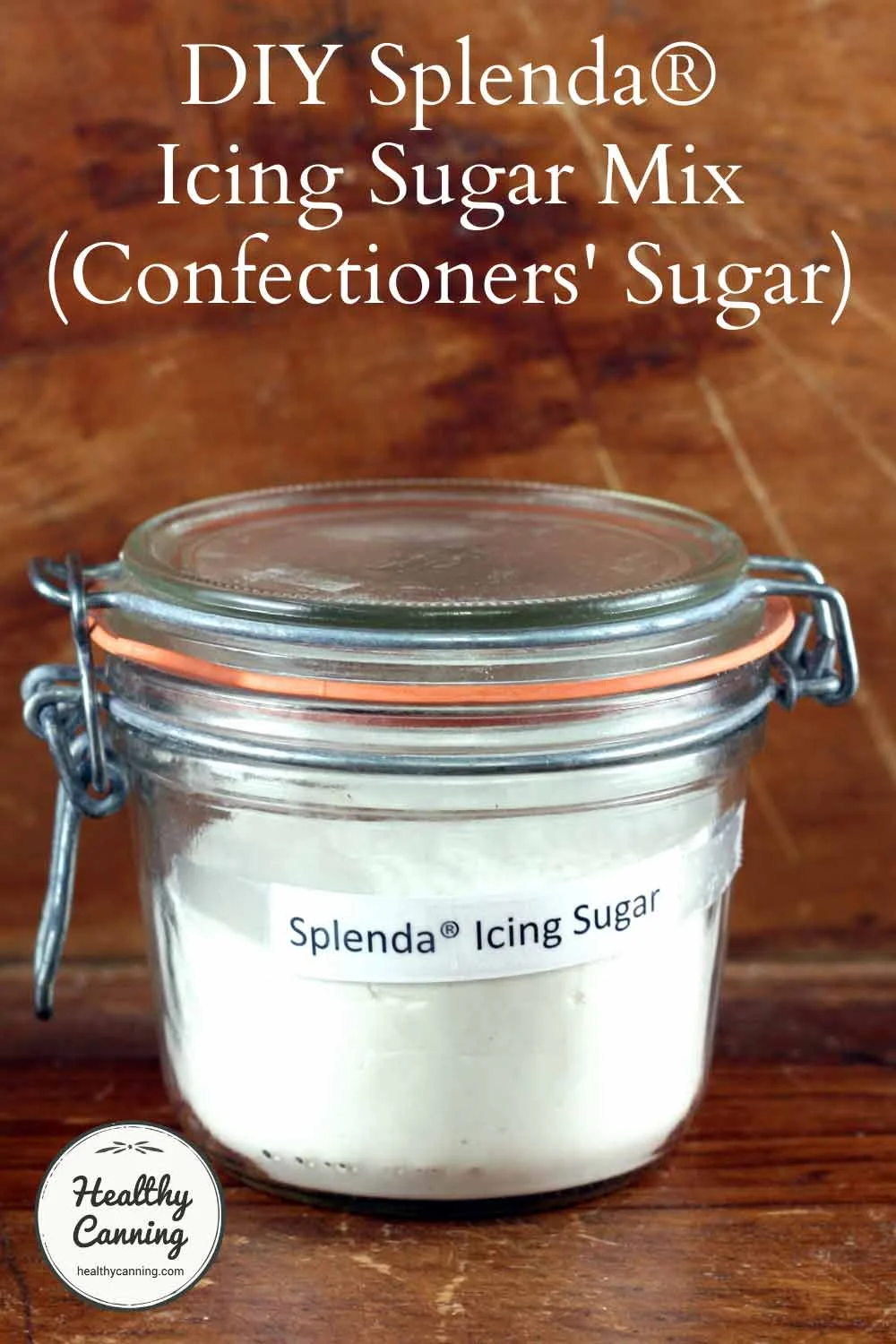

The global culinary landscape is currently undergoing a significant transformation as consumers increasingly prioritize metabolic health without sacrificing the traditional pleasures of confectionery. Central to this movement is the adaptation of classic pantry staples into low-glycemic, calorie-reduced alternatives. Among these innovations, the creation of a do-it-yourself (DIY) Splenda-based icing sugar—traditionally known as confectioner’s sugar—has emerged as a vital tool for home bakers catering to diabetic requirements and weight management goals. By utilizing sucralose-based sweeteners in conjunction with specific processing techniques, individuals can now replicate the fine, powdery texture required for glazes and decorative finishes, effectively bypassing the high caloric density of traditional sucrose.
The Technical Necessity of Powdered Sugar Alternatives
In traditional baking, icing sugar is prized for its ability to dissolve instantly into fats and liquids, creating a smooth, grit-free texture. This is achieved through industrial milling, which reduces granulated sugar to a particle size of approximately 0.050 mm. For those managing Type 1 or Type 2 diabetes, or those following ketogenic and low-calorie diets, the high glycemic index (GI) of standard powdered sugar presents a significant physiological challenge.
The DIY Splenda icing sugar mix addresses this by substituting sucrose with sucralose, an organochlorine sweetener that is approximately 600 times sweeter than table sugar but contributes negligible calories. However, because sucralose is so potent, commercial "cup-for-cup" versions like Splenda are bulked with maltodextrin or dextrose to match the volume of sugar. To transform this granulated substitute into a functional icing sugar, it must be mechanically processed to mimic the ultra-fine consistency of its high-calorie counterpart.
Chronology of Sugar Substitutes and the Shift to Home Processing
The development of sugar alternatives has a storied history, beginning with the accidental discovery of saccharin in 1879. However, it was the discovery of sucralose in 1976 by scientists at Queen Elizabeth College, University of London, that revolutionized the "sugar-free" movement. Following its FDA approval in 1998, sucralose (marketed as Splenda) became a household name due to its heat stability, which allowed for its use in baking—a feat previously difficult for aspartame.

Over the last two decades, the timeline of sugar substitute usage has shifted from pre-packaged diet foods to "from-scratch" home cooking.
- 1990s: Introduction of sucralose to the global market; primarily used in soft drinks and processed snacks.
- 2000s: Emergence of "baking blends" that combined real sugar with sweeteners to reduce calories by half.
- 2010s: Rise of the ketogenic diet and increased awareness of insulin resistance, leading to a demand for 100% sugar-free home baking solutions.
- 2021-Present: Post-pandemic culinary trends emphasize self-sufficiency and the "DIY" ethos, where consumers create their own specialized ingredients to control additives and costs.
Technical Specifications and Recipe Formulation
To create a functional DIY Splenda icing sugar mix, the process requires more than just a simple substitution. The inclusion of a stabilizing agent and high-speed mechanical reduction are essential.
The Base Mix Formulation
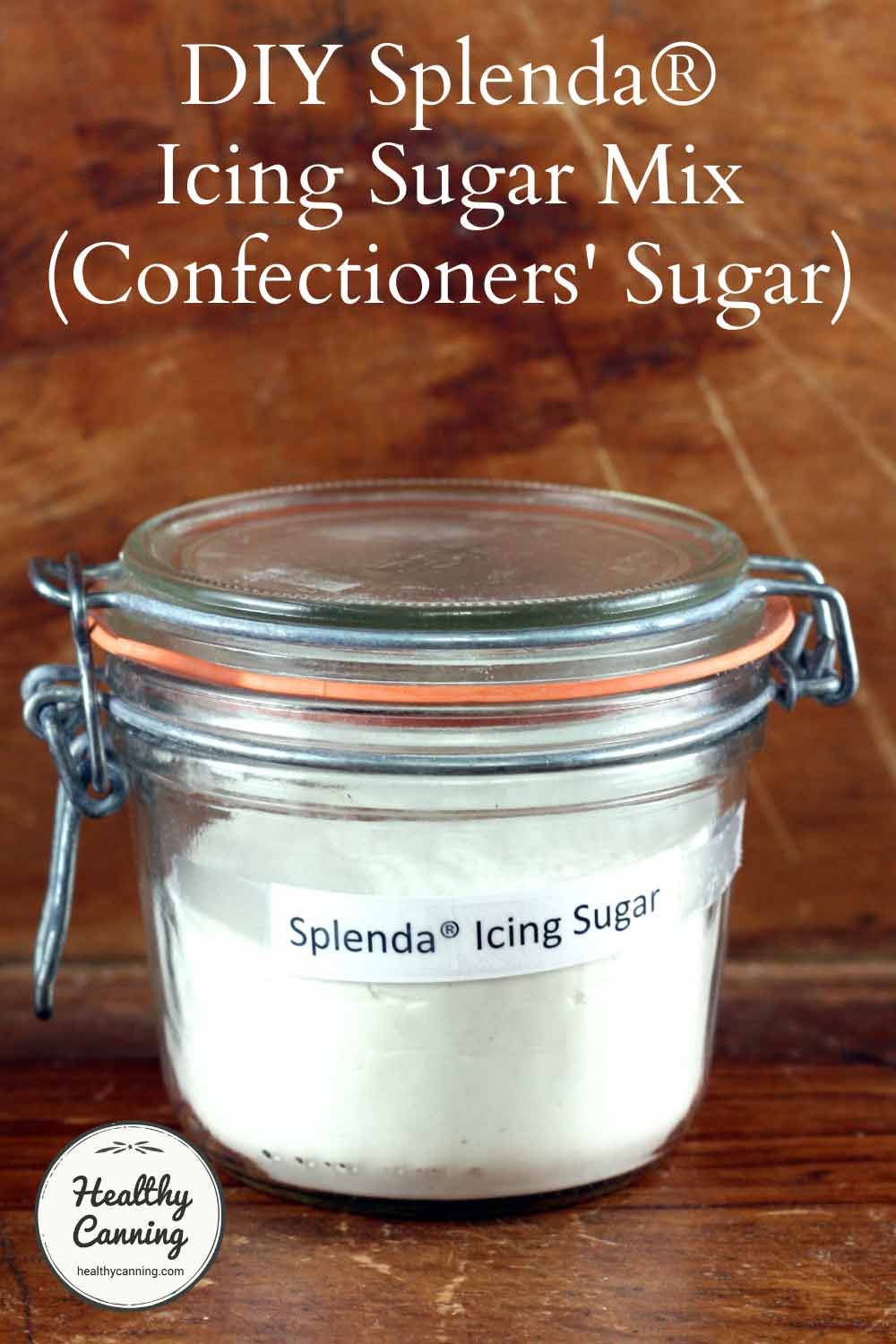
The standard yield for a primary batch is approximately 2 cups (150 grams) of plain icing sugar substitute. This quantity is sufficient for four separate batches of icing or glaze. The formulation is as follows:
- Primary Sweetener: 1 to 2 cups of granulated sucralose (Splenda or a generic equivalent).
- Stabilizing Agent: While not always required for immediate use, the addition of a small amount of cornstarch (roughly 1 tablespoon per cup) can prevent clumping and improve the "clinging" property of the powder.
The Milling Process
The conversion from granulated to powdered state must be handled with precision. It is recommended to blend only 1 to 2 cups at a time. High-speed blenders or clean coffee grinders are the preferred tools for this task. Processing in small batches ensures that the sweetener is pulverized uniformly without overheating the motor of the appliance or causing the powder to become gummy due to friction-induced heat.
Nutritional Profile and Comparative Data
The primary motivation for utilizing a DIY Splenda mix is the drastic reduction in caloric intake and glycemic load. Standard powdered sugar contains approximately 389 calories per 100 grams, consisting almost entirely of fast-acting carbohydrates.
In contrast, the nutritional data for the Splenda-based icing mix—when prepared as a finished glaze—demonstrates a significantly lower impact:
- Calories: A single batch of icing made with this mix and low-fat margarine contains approximately 35 calories.
- Fat Content: Using a light margarine (such as "I Can’t Believe It’s Not Butter, Light") keeps the fat at roughly 1 gram per serving.
- Comparison with Butter: If a baker chooses to use traditional butter for flavor, the calorie count per batch rises to 102. Even at this higher level, it remains a fraction of the calories found in traditional buttercream frostings, which can exceed 400 calories per serving.
Macronutrient Breakdown (Per Batch)
- Carbohydrates: 32g (largely from bulking agents in the sweetener and starch).
- Sugars: 15g (depending on the specific brand of bulking agent used in the sucralose blend).
- Sodium: 1mg.
- Protein: 1g.
Application: From Mix to Finished Icing
The DIY mix is designed to create a "glaze-style" icing rather than a high-volume, stiff frosting. This makes it ideal for drizzling over brownies, Bundt cakes, or lemon loaves.
Preparation Method
To transform the powder into a liquid icing, the following steps are generally observed:
- Combine the powdered mix with a small amount of fat (margarine or butter).
- Add a flavoring agent, such as vanilla, lemon, or almond extract.
- Incorporate a liquid (water or milk) one teaspoon at a time until the desired viscosity is reached.
- For chocolate variations, the addition of one teaspoon of unsweetened cocoa powder provides a rich flavor profile without adding significant calories.
A notable observation from culinary practitioners is that electric beaters are often unnecessary for this specific mix. A simple fork or whisk is sufficient to achieve a smooth consistency, as the DIY powder lacks the heavy crystal structure of traditional sugar.
Expert Perspectives and Health Implications
Medical professionals and dietitians have reacted with cautious optimism toward the DIY sugar substitute movement. Dr. Helena Richards, a clinical nutritionist, notes that "the ability for patients with diabetes to enjoy celebratory foods without triggering a massive insulin spike is a psychological and physiological win. However, it is vital to remember that ‘sugar-free’ does not mean ‘carbohydrate-free,’ as the bulking agents used in many sweeteners still contain maltodextrin."

From a public health perspective, the move toward home-made sugar-free alternatives aligns with the World Health Organization’s (WHO) recommendations to reduce free sugar intake to less than 10% of total energy intake. By providing accessible methods for creating these ingredients at home, the barrier to entry for a healthier lifestyle is lowered.
Broader Impact on the Food Industry and Consumer Behavior
The rise of DIY ingredient mixes like Splenda icing sugar is a microcosm of a larger shift in consumer behavior. There is a growing skepticism toward highly processed "diet" foods found on supermarket shelves, which often contain long lists of preservatives and artificial stabilizers. By making their own mixes, consumers are exercising greater autonomy over their dietary intake.
Furthermore, this trend has economic implications. Pre-packaged "sugar-free" powdered sugars are often sold at a significant premium—sometimes three to four times the price of regular sugar. The DIY method allows families to achieve the same culinary results using bulk-purchased granulated sweeteners, making health-conscious baking more financially sustainable.
Conclusion: The Future of Health-Conscious Confectionery
As the prevalence of metabolic disorders continues to rise globally, the demand for sophisticated sugar alternatives will only intensify. The DIY Splenda icing sugar mix represents a bridge between traditional culinary art and modern nutritional science. It allows for the preservation of food culture—the act of baking and sharing desserts—while mitigating the chronic health risks associated with excessive sucrose consumption.
The success of this mix lies in its simplicity and adaptability. Whether a baker is looking to create a simple vanilla glaze for a sugar-free brownie mix or a complex flavored drizzle for a festive cake, the ability to manufacture the primary ingredient at home is a powerful tool. As technology in home appliances improves, allowing for even finer milling of sugar substitutes, the line between traditional confectionery and health-optimized baking will continue to blur, leading to a more inclusive and health-aware food future.