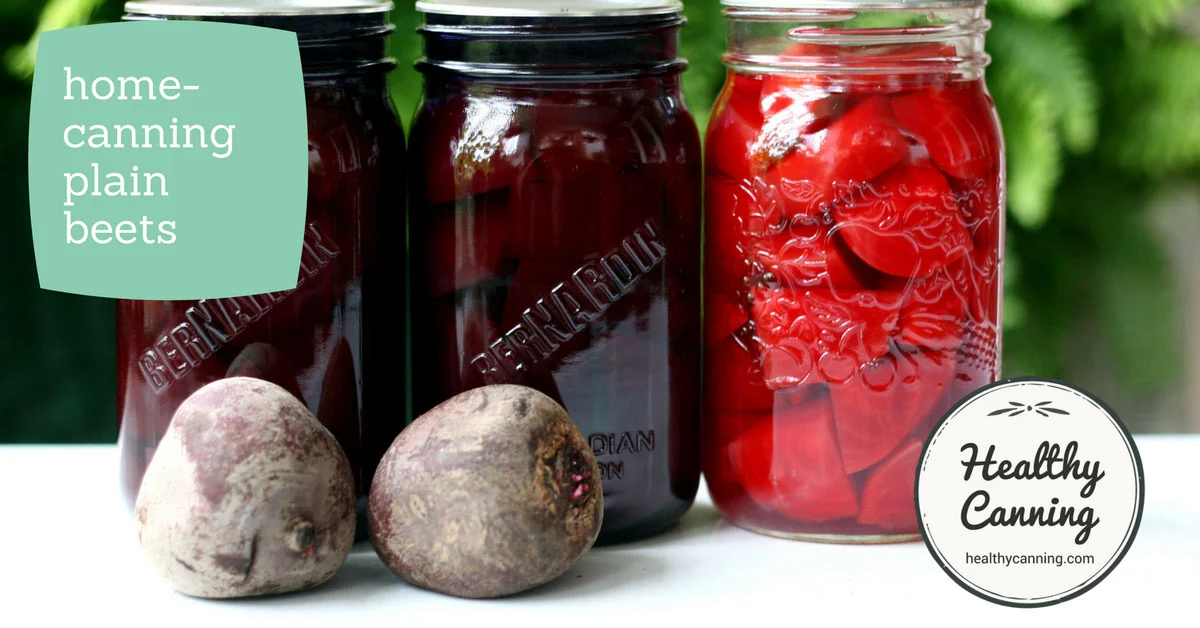

The home preservation of plain beets, known internationally as beetroot, represents a intersection of horticultural tradition and modern food science. While the process offers significant culinary convenience—allowing for the rapid preparation of side dishes, salads, and soups—it is governed by strict safety protocols established by the United States Department of Agriculture (USDA) and the National Center for Home Food Preservation (NCHFP). Unlike high-acid fruits or pickled vegetables, plain beets are classified as a low-acid food, a designation that necessitates the use of a pressure canner to eliminate the risk of foodborne illness, specifically botulism. Understanding the rigorous requirements for processing these root vegetables is essential for any home canner seeking to balance shelf-stable efficiency with absolute biological safety.
The Critical Imperative of Pressure Canning
The foundational rule of preserving plain beets is the absolute requirement for pressure canning. Agricultural extension services and food scientists emphasize that water bath canning is insufficient for low-acid vegetables. The primary concern is Clostridium botulinum, a soil-borne bacterium that thrives in anaerobic (oxygen-free), low-acid environments such as a sealed canning jar. While the bacteria themselves are destroyed at boiling temperatures (212°F or 100°C), their spores are highly heat-resistant and can only be neutralized at temperatures of 240°F (116°C) or higher.

Pressure canners are the only home appliances capable of reaching these critical temperatures. Historical data underscores the danger of ignoring this protocol; between 1990 and 2012, at least ten confirmed cases of botulism in the United States were directly linked to beets that had been improperly processed using a water bath instead of a pressure canner. Experts from "Putting Food By" categorize beets alongside green beans as primary carriers of the C. botulinum toxin if not handled with the appropriate technology. Consequently, the consensus among food safety authorities is monolithic: plain beets must be pressure canned, or they must be preserved through alternative methods such as freezing or pickling in a high-acid vinegar solution.
Preparation Chronology: From Field to Jar
The successful preservation of beets begins with selection and meticulous preparation. For optimal quality, the NCHFP recommends using young, tender beets. Larger specimens, particularly those exceeding three inches (seven centimeters) in diameter, often develop a fibrous, woody texture that persists even after the canning process.
- Harvesting and Sorting: On average, approximately 1.25 kilograms (three pounds) of raw beets are required to fill a one-liter (one-quart) jar. A standard batch of ten medium beets (roughly nine centimeters in diameter) weighs approximately two kilograms (4.5 pounds).
- Initial Cleaning and Trimming: Beets should be washed thoroughly to remove all soil. To prevent "bleeding"—the excessive loss of pigment—it is vital to leave at least one inch (2.5 centimeters) of the stem and the entire taproot intact during the initial pre-cooking phase.
- The Pre-Cooking Phase: Beets must be pre-cooked until the skins can be easily removed. This can be achieved by boiling them in water for 15 to 25 minutes, depending on size. Alternatively, modern energy-efficient methods include steam canning or using a pressure cooker. When using a pressure cooker for pre-cooking, 9 kilograms of medium beets can be processed at 15 pounds of pressure for approximately three minutes with 1.5 liters of water, followed by a natural pressure release.
- Peeling and Slicing: Once pre-cooked, the skins are slipped off. The USDA guidelines mandate that beets must be canned peeled. This is not merely an aesthetic choice; peeling significantly reduces the bacterial load entering the jar, a factor accounted for in the tested processing times. Beets smaller than two inches may be left whole, while larger beets should be sliced or cubed for uniform heat penetration.
- Hot Packing: It is imperative that beets are packed into jars while still hot. If the vegetables cool during the peeling process, they should be reheated (via microwave or boiling water) before being placed in the jars. This ensures that the internal temperature of the jar reaches the safety threshold more quickly once inside the canner.
The Science of Heat and Pressure: Technical Specifications
The processing of plain beets is a precision-based operation. The following parameters are derived from the USDA Complete Guide to Home Canning and must be adjusted based on the specific equipment used and the consumer’s geographic altitude.
For weighted-gauge pressure canners, the standard processing pressure is 10 pounds (69 kPa) for altitudes between sea level and 300 meters (1,000 feet). For those residing at higher elevations, the pressure must be increased to 15 pounds to compensate for the lower boiling point of water. Dial-gauge canners require 11 pounds (76 kPa) at lower altitudes, with incremental adjustments for higher elevations.
The processing times are strictly defined by jar size:
- Half-liter (US Pint) jars: 30 minutes
- One-liter (US Quart) jars: 35 minutes
A headspace of three centimeters (one inch) must be maintained at the top of the jar. This gap is essential for creating a proper vacuum seal and allowing for the expansion of the food during the high-pressure cycle. While salt may be added for seasoning—typically one teaspoon per quart—it is not a preservative in this context and may be omitted for low-sodium diets.
Nutritional and Chemical Analysis of Processed Beets
Canned beets remain a nutritionally dense food source. A 250-gram serving of cooked, sliced beets provides approximately 124 calories, 4 grams of protein, and 3.6 grams of dietary fiber. They are notable for being virtually fat-free and low in sodium (unless salt is added during canning).
A common concern among home canners is the loss of color during the processing cycle. The red pigments in beets, known as betalaines, are chemically sensitive to high temperatures. During the intense heat of pressure canning, these pigments can transform into colorless compounds, leading to a faded or pale appearance immediately after the jars are removed from the canner.
However, Penn State Extension notes that this reaction is often reversible. The betalaines frequently stabilize and regain their deep red hue after several days of storage at room temperature. To mitigate initial color loss, varieties such as "Detroit Dark Red" or the elongated "Formanova" are recommended, as they possess a more robust pigment structure. Furthermore, the practice of leaving the stems and roots on during pre-cooking serves as a physical barrier to pigment leaching.
A Historical Perspective on Canning Safety
The evolution of canning guidelines reflects a growing understanding of microbiology. As early as 1926, the USDA advocated for the pressure canning of "baby beets" to mitigate the risk of C. botulinum. The Farmers’ Bulletin No. 1471 from that era provided instructions remarkably similar to today’s, though processing times were slightly longer (40 minutes for quarts).
However, the mid-20th century saw a temporary regression in safety standards. During World War II, due to the rationing of metal and the scarcity of pressure canners, some university extension bulletins suggested an "Acid Method." This involved adding a small amount of vinegar to beets and processing them in a boiling water bath for 90 minutes. Modern science has thoroughly debunked this method, as the amount of vinegar used was insufficient to lower the pH to a safe level (below 4.6), yet it was enough to provide a false sense of security. Today’s experts warn against using "vintage" recipes, emphasizing that the risks of botulism remain unchanged regardless of the age of the advice.
Judging Standards and Quality Control
For those participating in agricultural fairs or seeking professional-grade results, the NCHFP provides specific judging criteria for canned beets. High-quality preserved beets should exhibit:

- Uniformity: Slices or cubes should be consistent in size and shape to ensure even heat distribution.
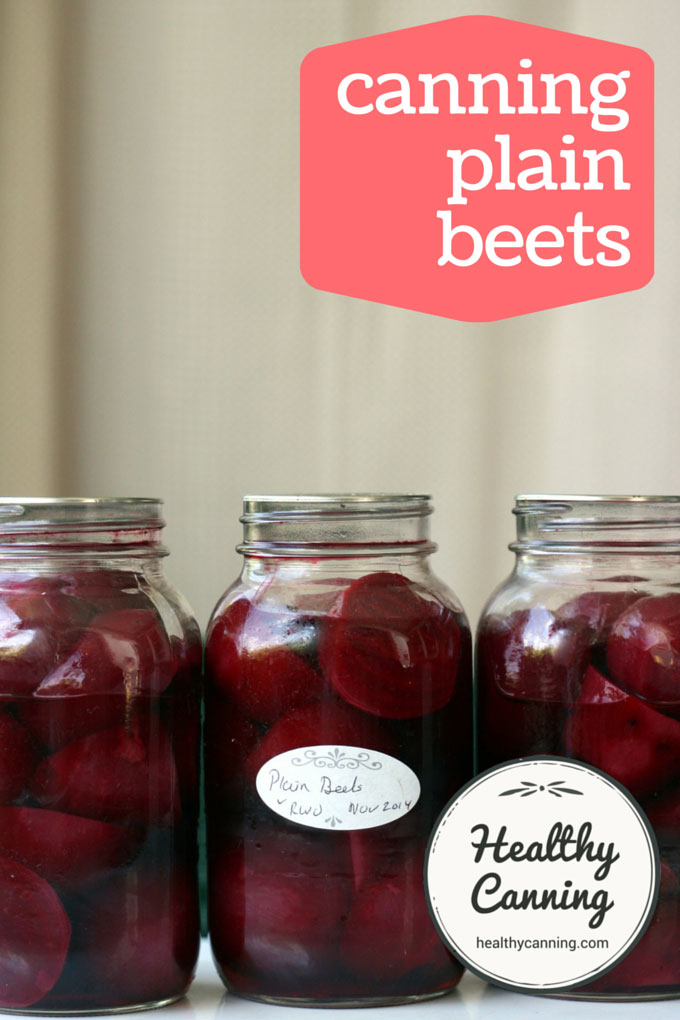
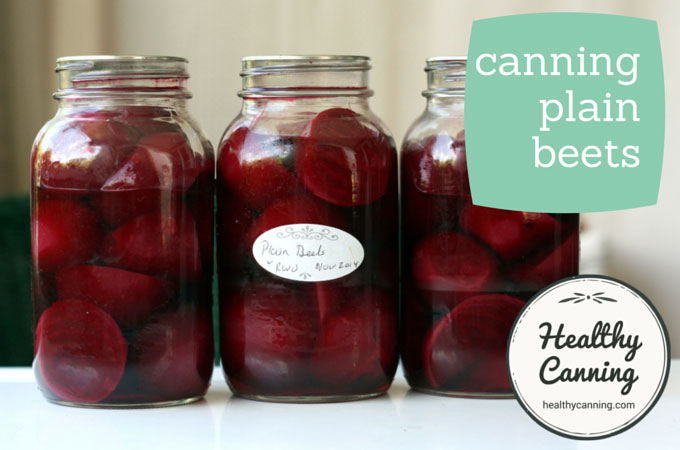
- Color: The liquid should be a sparkling, clear red without cloudiness or sediment. White rings within the beet or a brownish-red tint are considered defects.
- Purity: The product must be entirely free from traces of skin, stems, or roots.
- Texture: The beets should appear firm and not "ragged" or fibrous, which indicates over-maturity or poor trimming.
Economic and Culinary Implications of Home Food Preservation
The ability to shelf-stable plain beets has significant implications for household food security and culinary versatility. In a contemporary context where supply chains can be volatile and food waste is a global concern, home canning allows for the preservation of seasonal harvests or bulk purchases.
Canned beets are a "ready-to-use" ingredient that facilitates rapid meal preparation. They can be utilized in traditional dishes such as Borscht, roasted with maple syrup, or integrated into modern recipes like spicy beet and carrot curry with coconut milk. Because they are preserved in water rather than vinegar, they retain their natural earthy sweetness, making them more versatile than pickled varieties for hot applications.
In conclusion, while the process of canning plain beets requires a strict adherence to technical parameters and the use of specialized equipment, the result is a safe, nutritious, and highly convenient pantry staple. By respecting the science of pressure canning and following USDA-validated procedures, home cooks can enjoy the bounty of the harvest throughout the year without compromising on safety or quality.