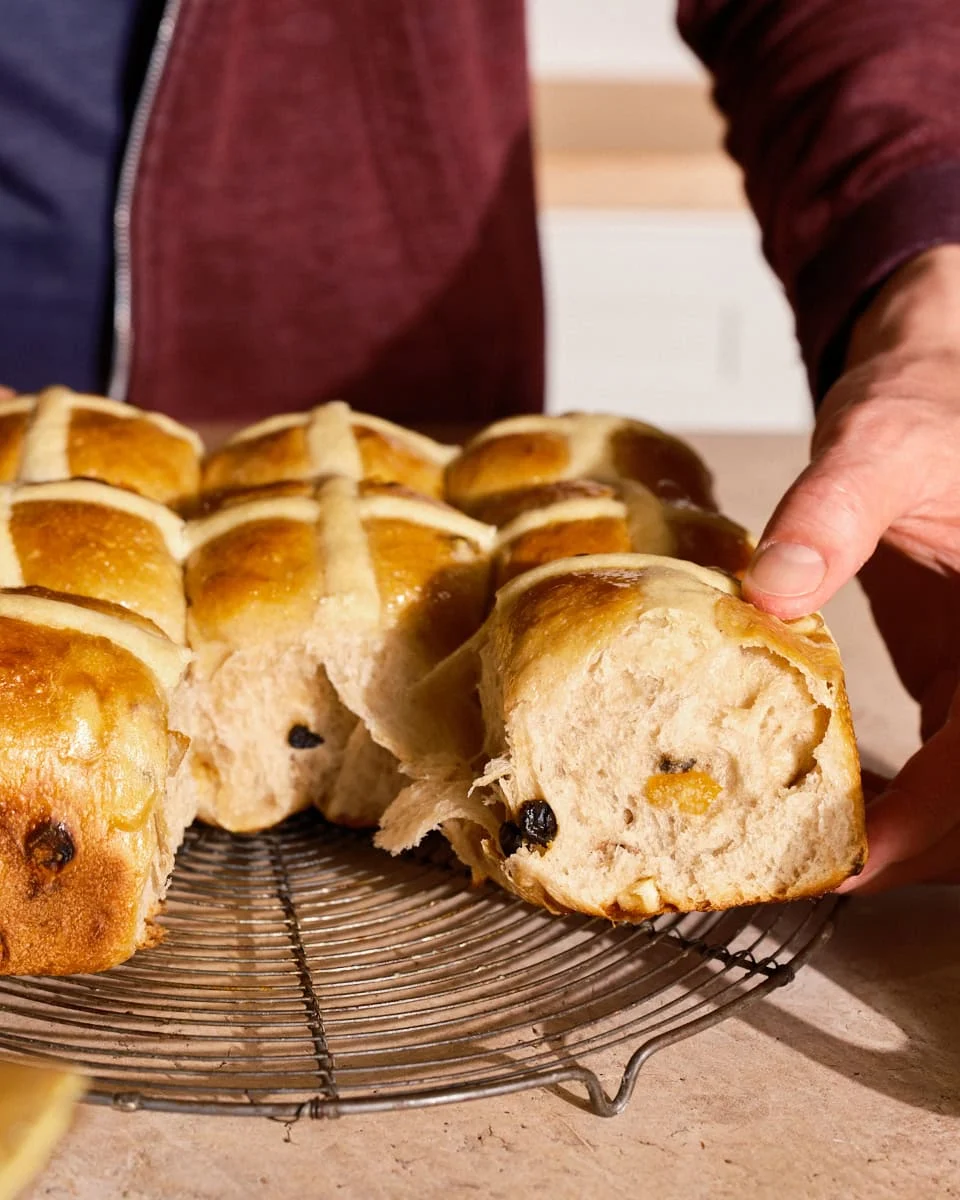

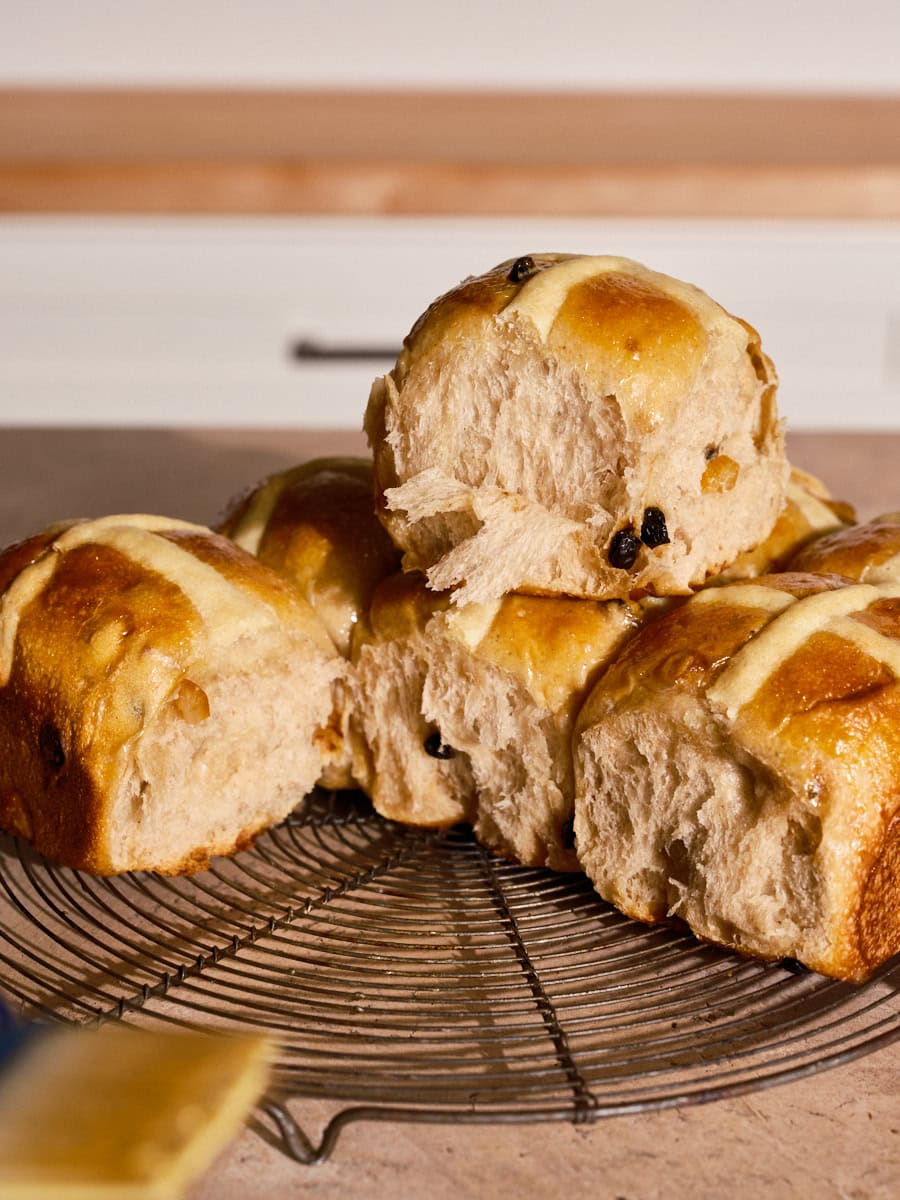
As the chill of winter recedes and the first signs of spring emerge, bakers often find themselves drawn to the comforting aromas of warm spices and sweet doughs. This year, the anticipation for Easter is amplified by the promise of an elevated take on a beloved classic: Sourdough Hot Cross Buns. This meticulously developed recipe, an evolution from the acclaimed "The Perfect Loaf" cookbook, introduces the transformative power of tangzhong, a cooked flour paste, to achieve an unprecedented level of softness and tenderness. The result is a deeply flavorful, pillowy bun that bridges the gap between hearty winter bakes and the lighter, brighter flavors of spring.
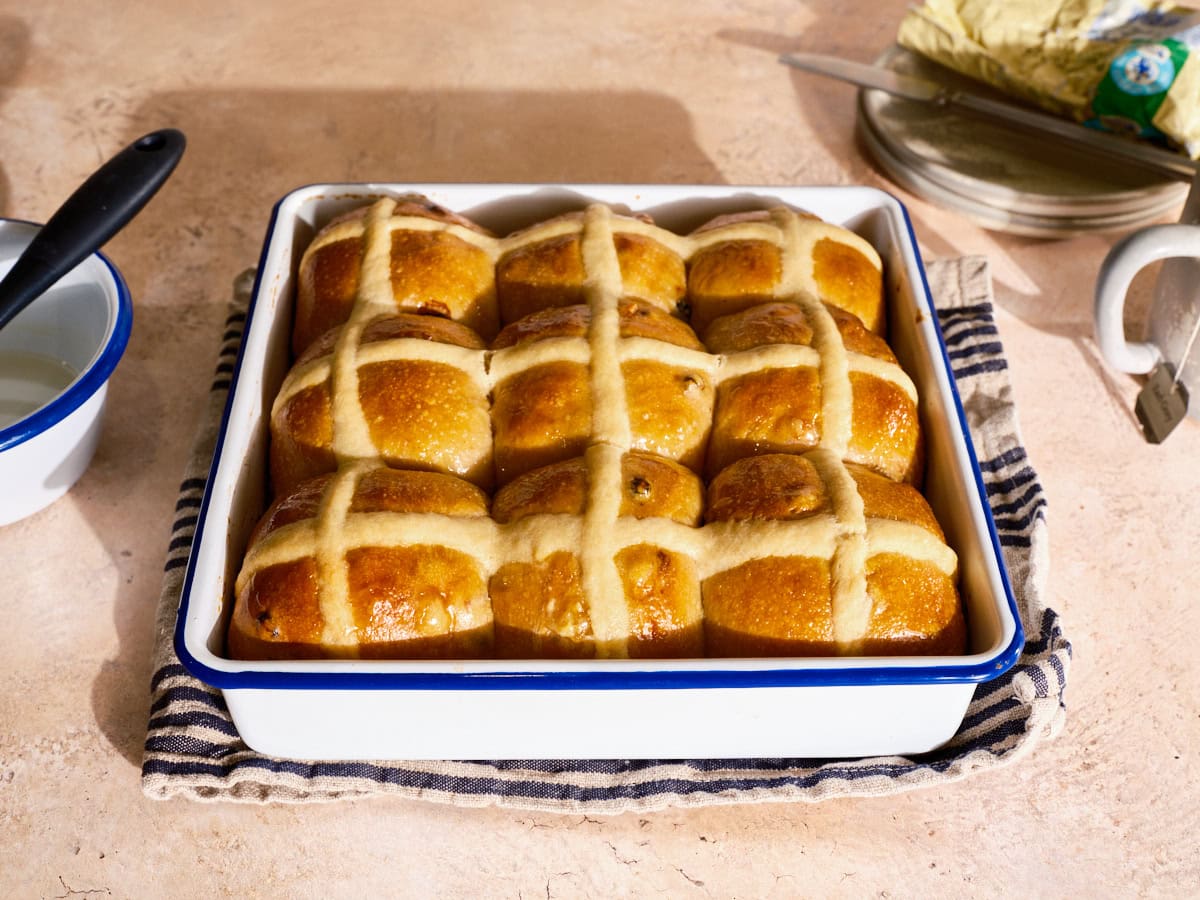
The traditional hot cross bun, often enjoyed on Good Friday, is a symbol of Easter celebrations worldwide. However, this sourdough rendition offers a nuanced depth of flavor that distinguishes it from its commercially yeasted counterparts. The use of a sourdough starter imparts a subtle tang that beautifully complements the rich tapestry of warm spices, citrus zest, and plump dried fruits, creating a complex yet harmonious taste profile.
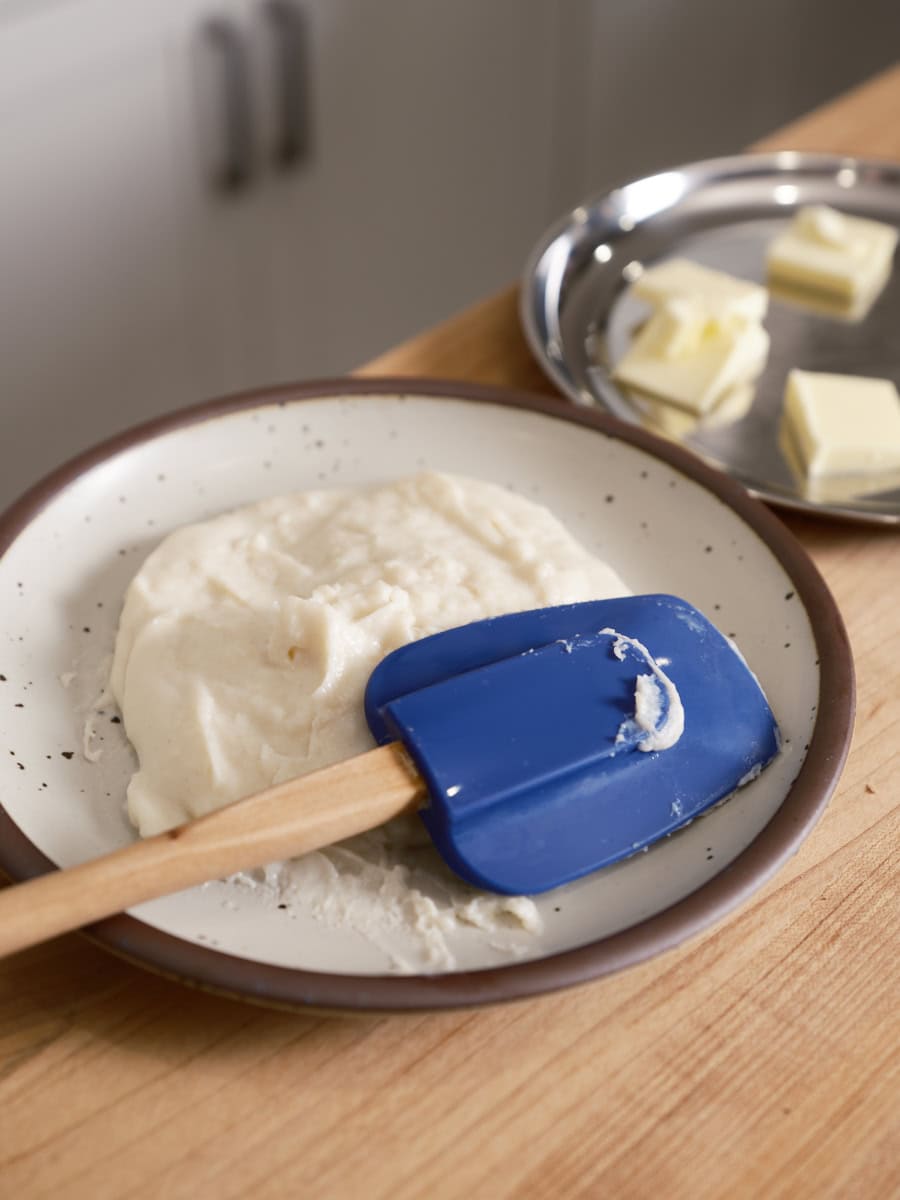
A significant innovation in this recipe is the incorporation of tangzhong. This technique, originating from East Asian baking, involves cooking a small portion of the flour and liquid from the recipe into a paste before adding it to the main dough. The cooked starch granules in the tangzhong are highly absorbent, trapping significant moisture within the dough. This translates directly to a more hydrated final product, resulting in buns that are exceptionally soft, moist, and retain their freshness for longer periods. This is a key differentiator, promising a pull-apart texture that is both delightful and enduring.
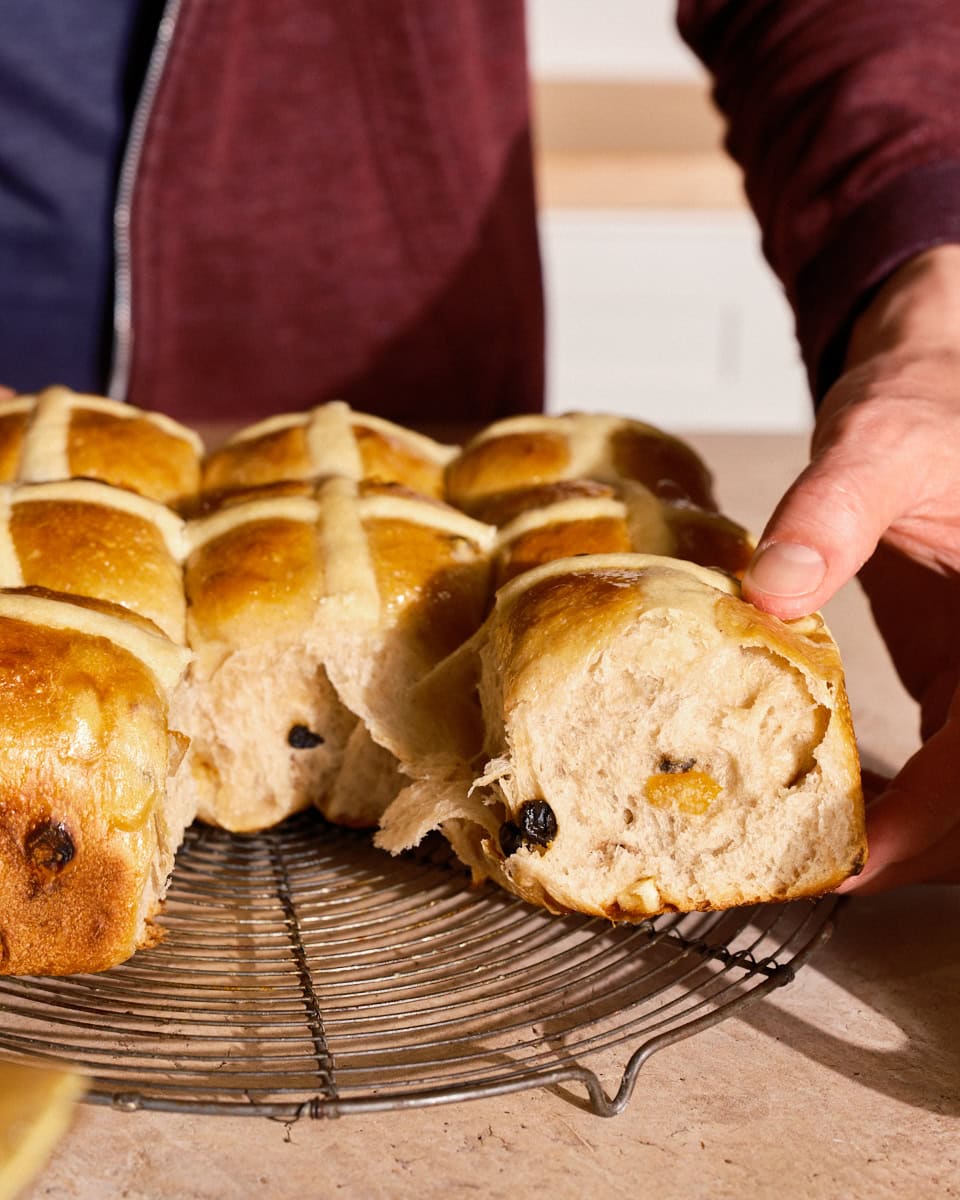
The foundation of this recipe lies in its carefully balanced ingredients. Milk, egg, and butter contribute to the richness and tenderness of the dough, while a blend of cinnamon, allspice, and nutmeg provides the characteristic warmth. Sugar, a crucial element in enriched doughs, also plays a role in slowing down fermentation, demanding a patient approach that ultimately rewards the baker with superior flavor development. The sourdough starter, a living culture of wild yeast and bacteria, introduces a subtle acidity that cuts through the sweetness, preventing the buns from becoming cloying and adding a sophisticated layer to the overall taste.
The Sourdough Advantage: Flavor and Texture
The decision to employ sourdough as the leavening agent is a deliberate one, moving beyond the expediency of commercial yeast. While commercial yeasts offer rapid rising times, they often fall short in contributing complex flavor profiles. Sourdough, on the other hand, undergoes a slower fermentation process, allowing for the development of a more intricate and rounded taste. The mild acidity produced by the sweet levain used in this recipe acts as a perfect counterpoint to the sweetness of the sugar, fruit, and glaze, creating a balanced and sophisticated flavor. This approach not only enhances the taste but also contributes to a superior crumb structure, characterized by its tenderness and slight chew.
A Strategic Baking Schedule for Optimal Results
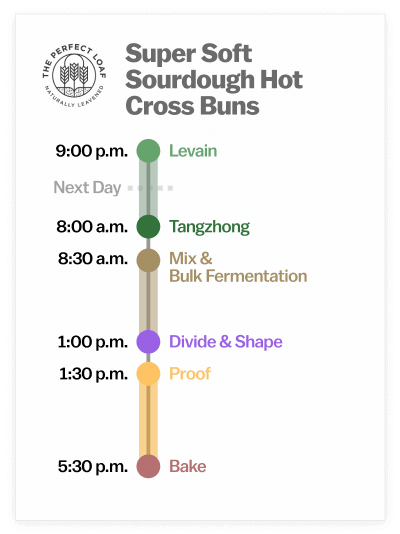
The recipe is designed for a same-day bake, with the exception of an overnight levain preparation. This allows for a streamlined baking process without compromising on flavor or texture.
Overnight Preparation (Friday Night for Easter Baking):
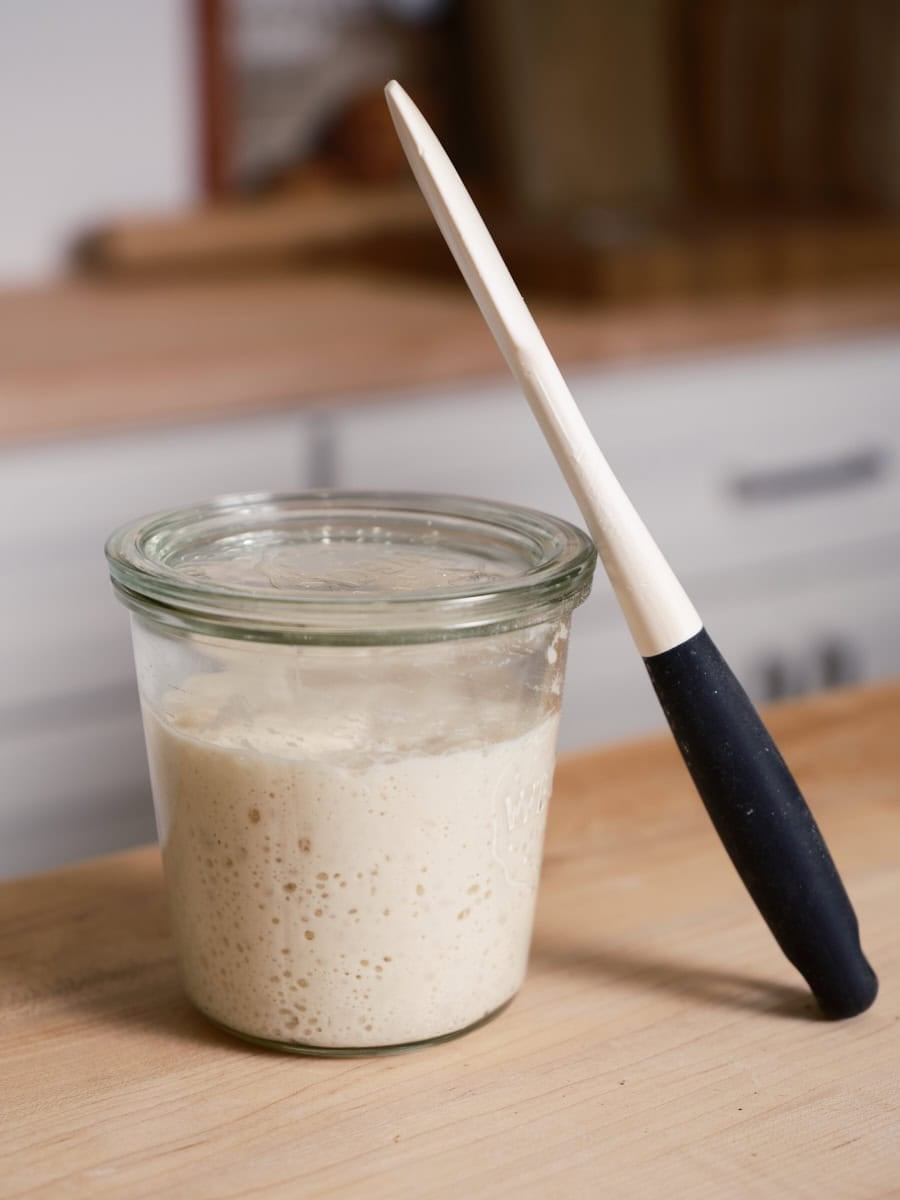
- Levain Cultivation: The sweet levain, a critical component for flavor and leavening, is prepared the night before. This allows ample time for it to ferment and reach its peak activity.
- Optional Fruit Soaker: If using particularly dry dried fruits or candied peel, a soaking step can be initiated to rehydrate them, ensuring they contribute moisture and chewiness to the final buns.
Baking Day (Saturday or Sunday):
- Tangzhong Preparation: The tangzhong paste is cooked, a process that thickens the flour and milk into a smooth, cohesive paste. This is then cooled and set aside.
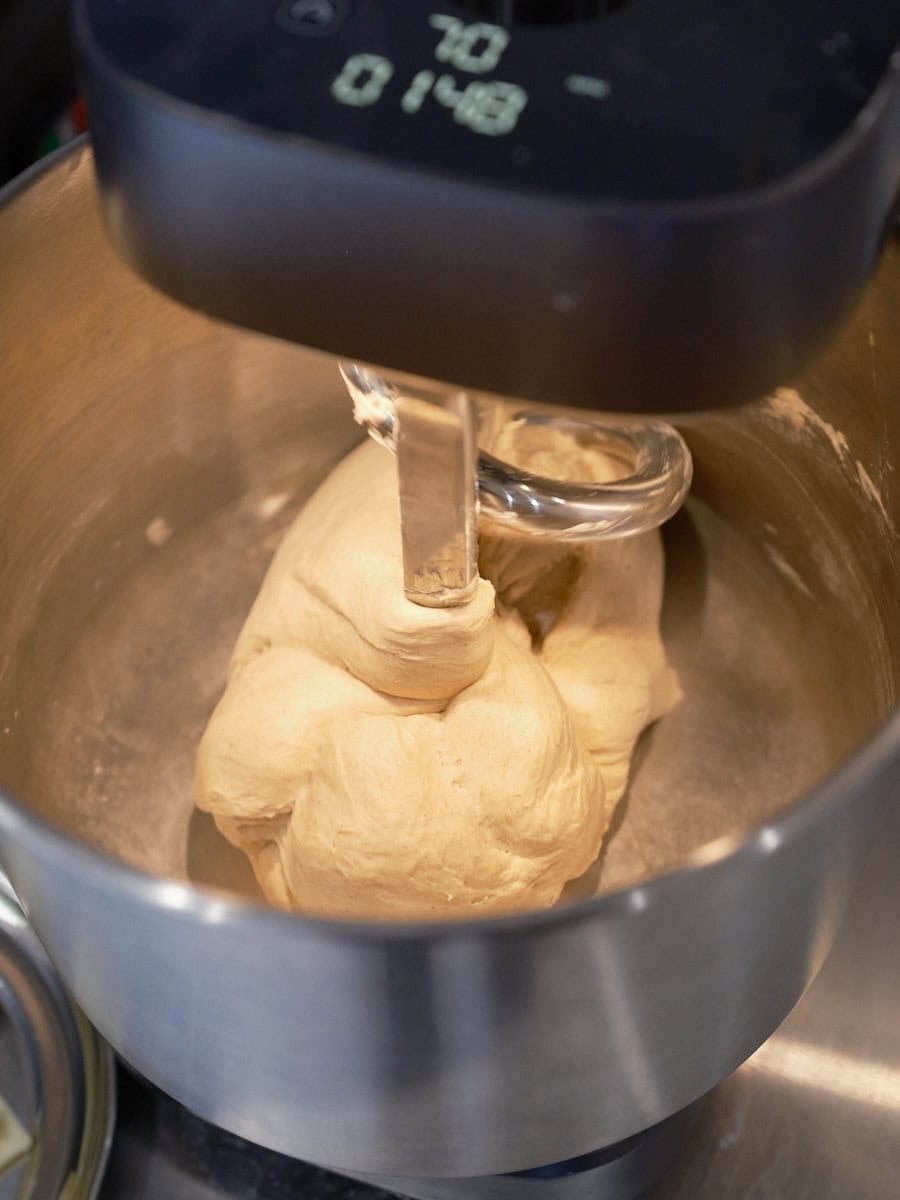
- Dough Mixing: The main dough ingredients are combined, including the prepared tangzhong, levain, and enriched elements. The dough undergoes a meticulous mixing process to develop its structure and elasticity.
- Bulk Fermentation: The dough is allowed to ferment and develop flavor, with periodic stretching and folding to build strength and aeration.
- Dividing and Shaping: The dough is divided into individual portions and shaped into rounds, then arranged for the final proof.
- Proofing: The shaped buns undergo a final, slow proof, allowing them to become light, airy, and ready for baking.
- Baking and Finishing: The buns are baked until golden brown, then finished with a simple syrup glaze for a touch of sweetness and shine.
For those planning ahead for Easter morning, an alternative schedule is provided. The levain can be prepared on Friday night. The dough can be taken through to the halfway point of its bulk fermentation, then refrigerated overnight. On Easter morning, the dough is brought out to finish proofing before baking. This "cold retard" method allows for a more relaxed Easter morning while still yielding exceptional results.
Essential Baking Equipment for Success
Achieving the perfect sourdough hot cross bun requires a few key pieces of equipment:
- Stand Mixer or Spiral Mixer: While hand-mixing is possible, an electric mixer significantly aids in developing the strong gluten structure required for enriched doughs.
- Baking Pan: A 9-inch square baking pan is recommended for achieving exceptionally soft, pull-apart buns. For a firmer crust, a larger sheet pan can be used.
- Measuring Tools: Accurate scales for weighing ingredients are crucial for consistent results in baking.
- Piping Bag: For creating the characteristic cross on top of the buns.
- Pastry Brush: For applying the egg wash and glaze.
Understanding Baker’s Percentages
For bakers who wish to delve deeper into recipe formulation and modification, understanding baker’s percentages is invaluable. This system expresses the weight of each ingredient as a percentage of the total flour weight. For instance, a hydration of 70% means that for every 100 grams of flour, 70 grams of water are used. This allows for easy scaling of recipes and consistent results across different batch sizes.
Key Baker’s Percentages for this Recipe:
- Total Dough Weight: 1,150 grams
- Pre-fermented Flour: 15.5%
- Levain in final dough: 48.6%
- Hydration (excluding milk): 31.0%
- Yield: 9 x 115g hot cross buns
The Formula for Perfection: Ingredients Breakdown
The recipe is meticulously detailed with precise measurements for each component, ensuring optimal flavor and texture.
Total Formula:
- High-protein white flour: 454g (92.0%)
- Tangzhong Flour: 39g (8.0%)
- Tangzhong Milk: 178g (36.0%)
- Egg, beaten: 49g (10.0%)
- Unsalted butter: 69g (14.0%)
- Superfine sugar: 39g (8.0%)
- Raisins or Candied Orange Peel: 74g (15.0%)
- Dried Currants or Chocolate Chips: 49g (10.0%)
- Ground Cinnamon: 3g (0.6%)
- Ground Allspice: 1g (0.2%)
- Freshly Ground Nutmeg: 1g (0.2%)
- Lemon Zest: 1 lemon
- Orange Zest: 1 orange
- Water: 153g (31.0%)
- Fine sea salt: 9g (1.9%)
- Ripe sourdough starter (100% hydration): 31g (6.2%)
Additional Ingredients:
- 1 egg and 1 tablespoon milk for egg wash.
Cross Mixture:
- White flour: 50g
- Water: 35g
- Orange juice (or more water): 15g
- Vegetable oil: 15g
- Pinch of salt
Simple Syrup Glaze:
- Water: 50g
- Sugar: 50g
The Method: A Step-by-Step Guide to Sourdough Hot Cross Buns
1. Prepare the Sweet Levain and Fruit Soaker (Approx. 9:00 p.m.)
The levain, a blend of high-protein flour, superfine sugar, water, and ripe sourdough starter, is mixed and left to ferment overnight. The sugar in this levain aids yeast activity and helps to moderate the overall sourness of the final buns. For the fruit soaker, dried fruits are covered with water to soften if needed.
2. Make the Tangzhong and Prepare Butter (Approx. 8:00 a.m. next day)
The tangzhong paste is created by cooking flour and milk until thickened. Simultaneously, butter is brought to room temperature for easier incorporation into the dough.
3. Mix the Dough (Approx. 8:30 a.m.)
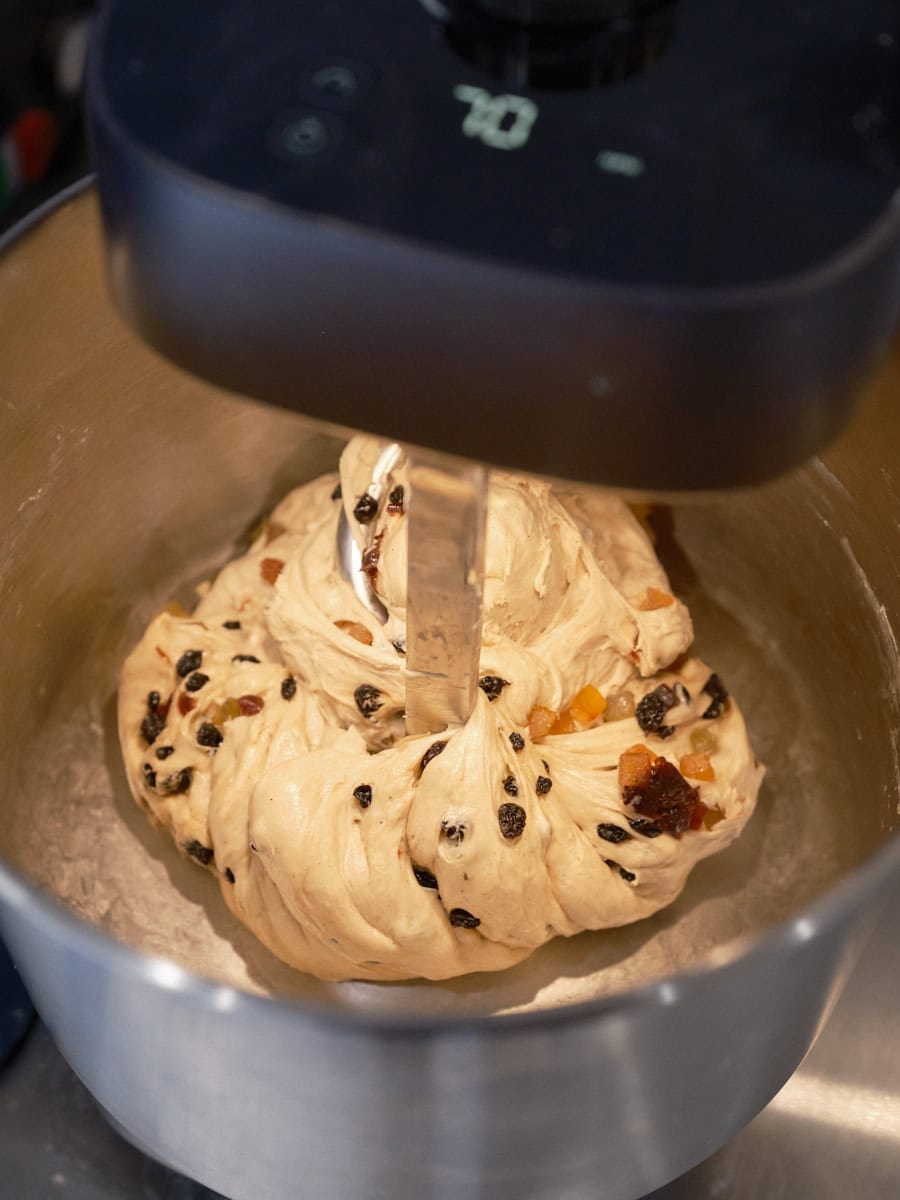
The tangzhong, flour, egg, sugar, spices, zest, water, salt, and levain are combined. Using a stand mixer with a dough hook is highly recommended. The dough is mixed until it becomes smooth, strong, and elastic, passing the windowpane test. Room temperature butter is then added gradually, one pat at a time, until fully incorporated, resulting in a silky, shiny dough. Finally, the dried fruits and candied peel are mixed in.
4. Bulk Fermentation (Approx. 9:00 a.m. to 1:00 p.m.)
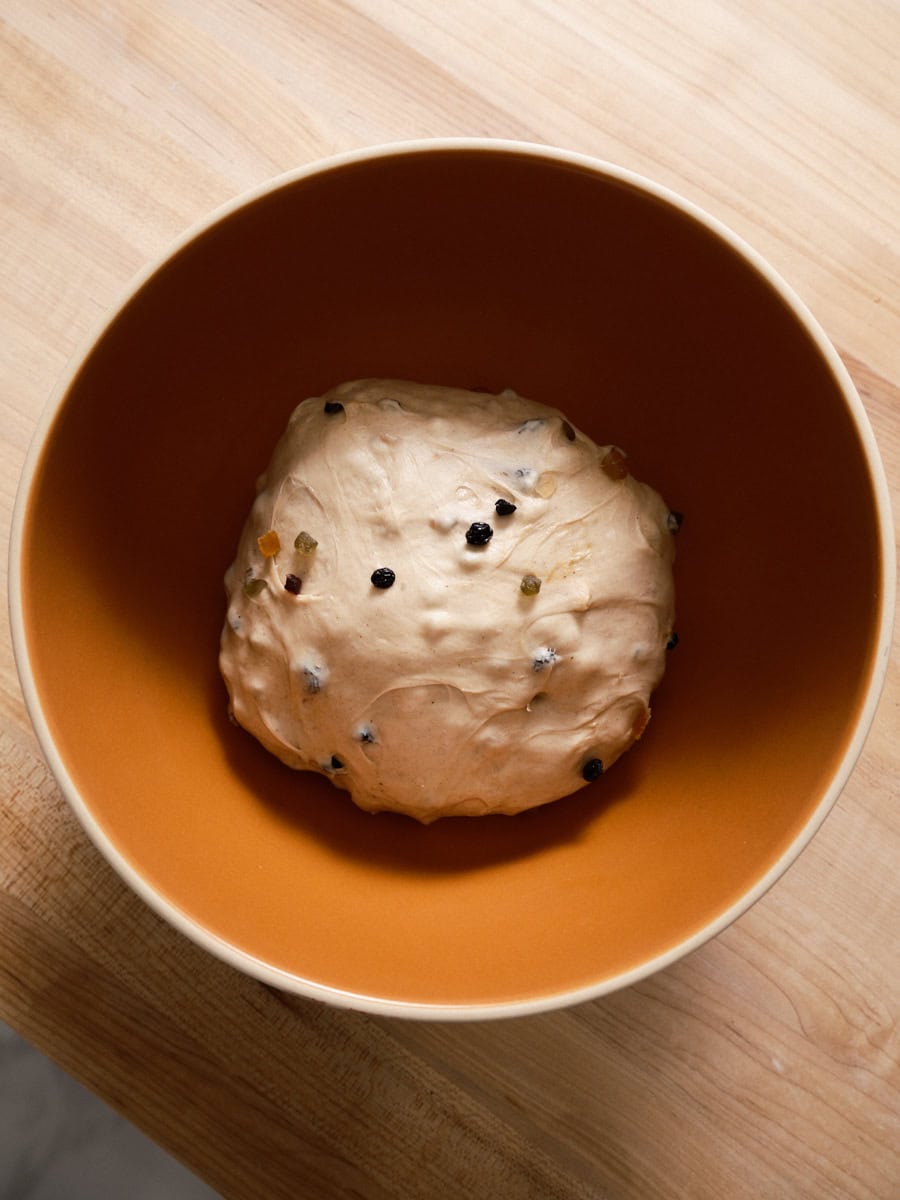
The dough undergoes a 4-hour bulk fermentation at a warm room temperature. This period includes two sets of stretches and folds at 30-minute intervals to build gluten strength and allow the dough to rise and develop flavor.
5. Divide and Shape (Approx. 1:00 p.m.)
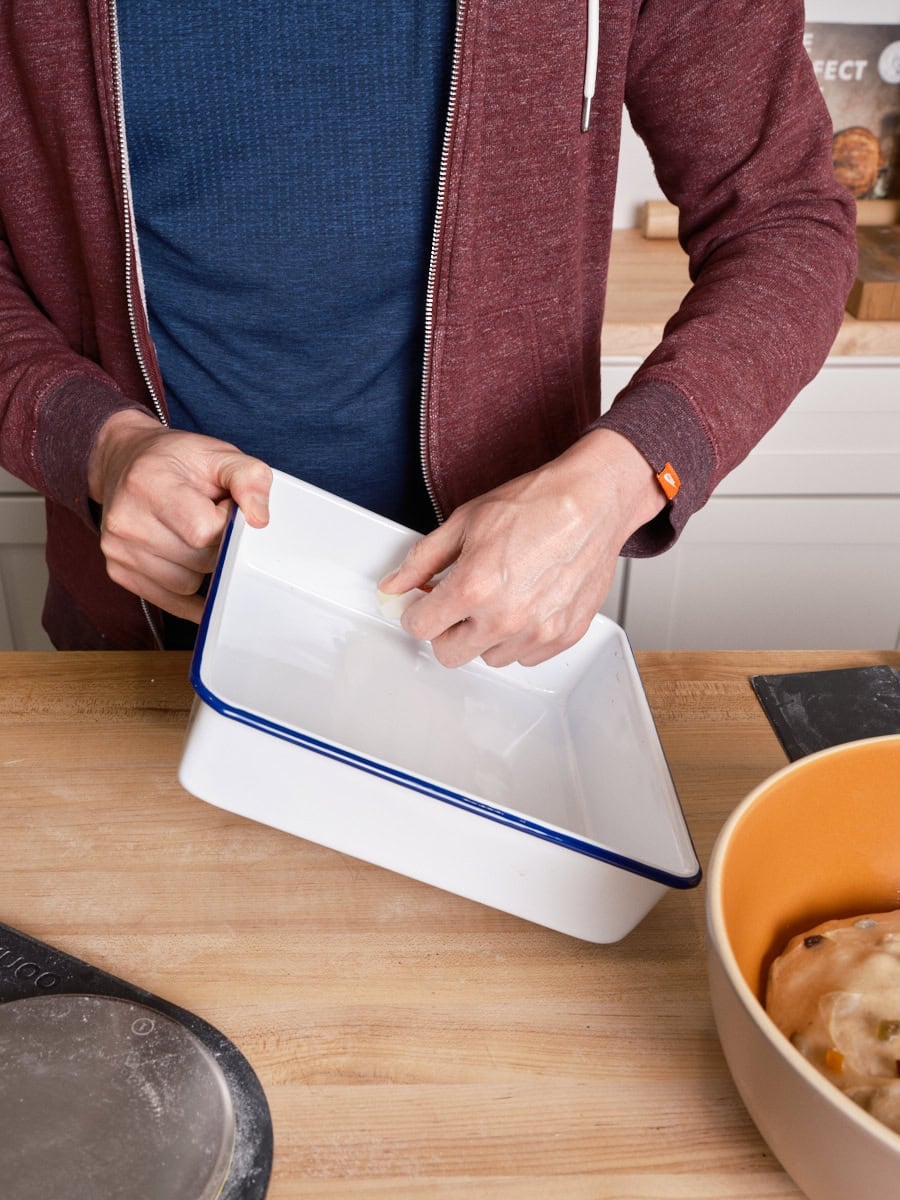
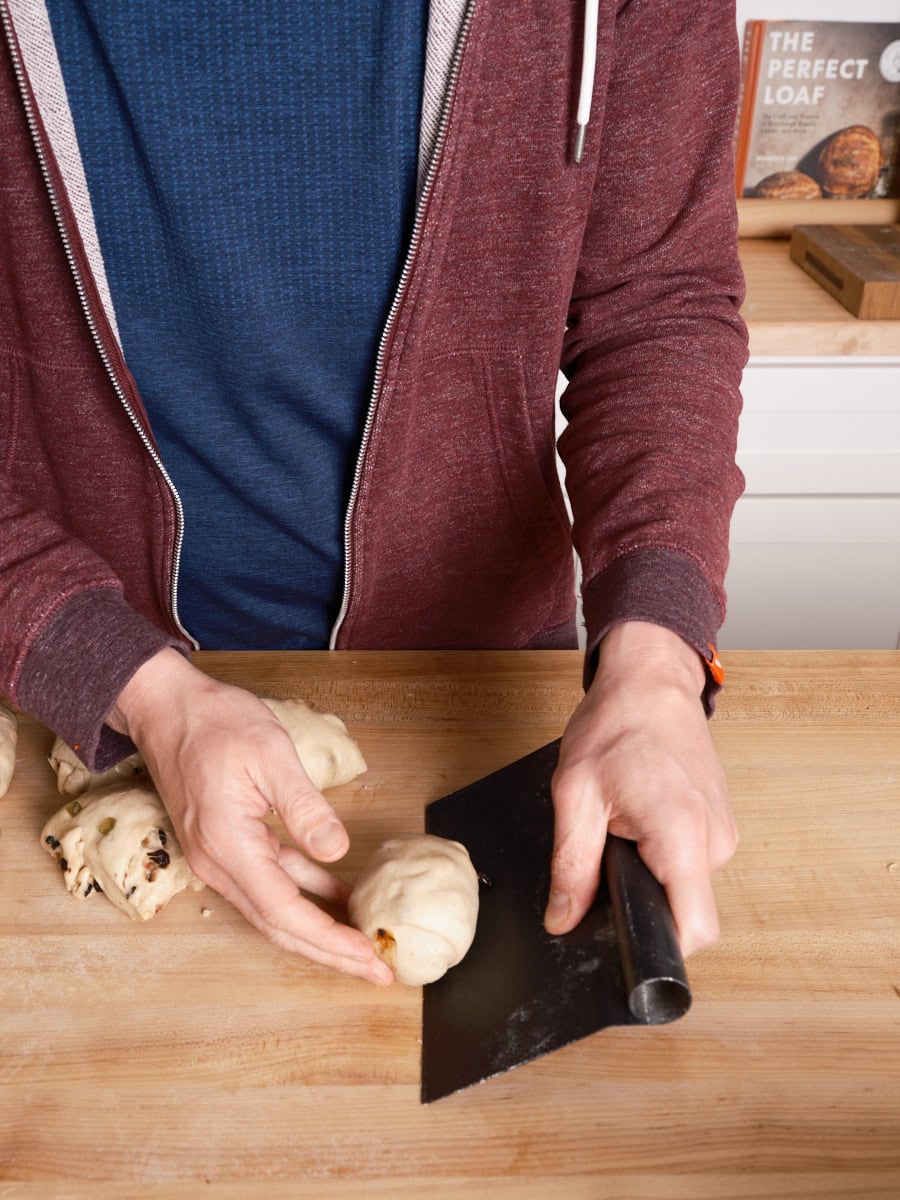
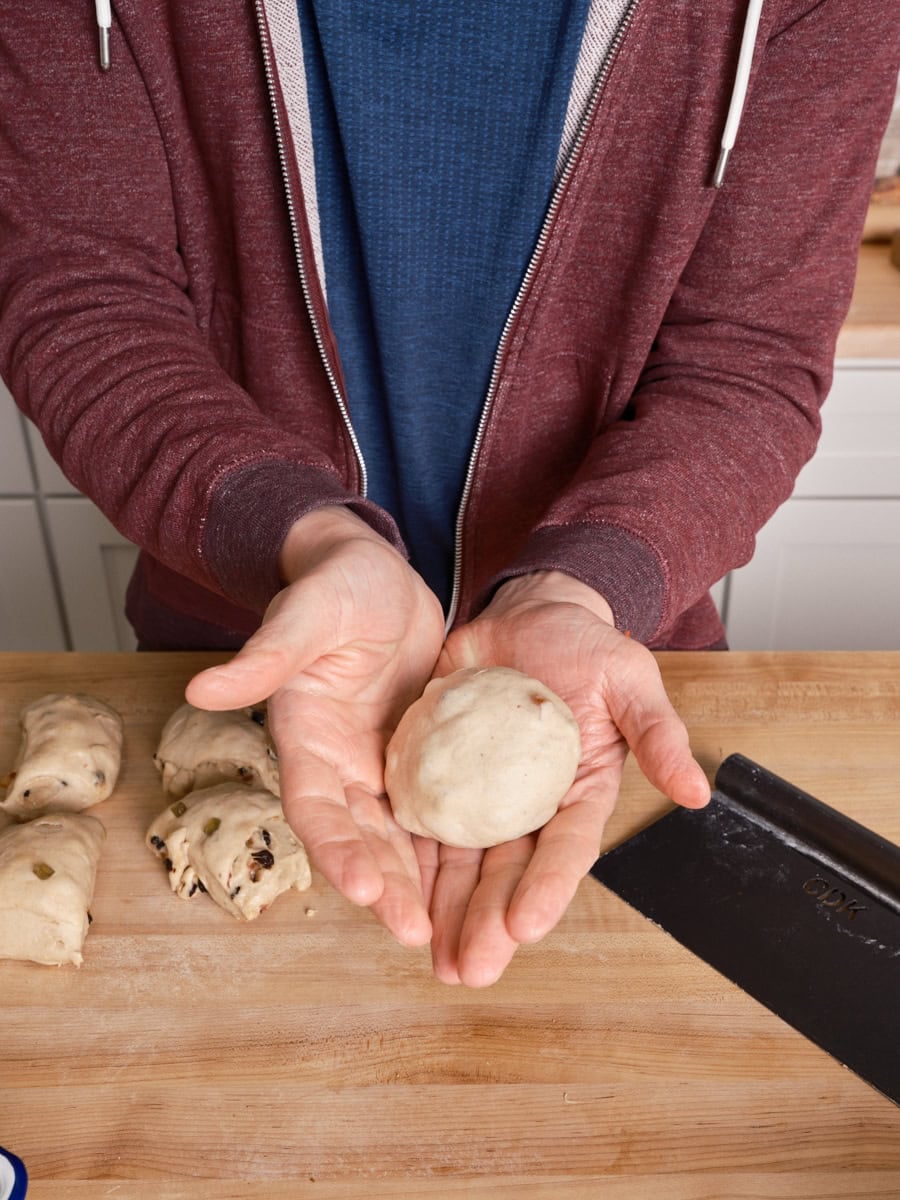
The fermented dough is gently turned out onto a work surface, divided into 9 equal portions (approximately 115g each), and shaped into tight rounds. These are then placed into a generously buttered 9-inch square baking pan.
6. Proof (Approx. 1:30 p.m. to 5:30 p.m.)
The shaped buns are allowed to proof in a warm place for approximately 4 to 5 hours. This slow proofing is crucial for developing the characteristic softness and airy texture. The buns are ready when they are visibly puffy and feel soft to the touch.
7. Prepare the Glaze, Cross Mixture, and Bake (Approx. 5:30 p.m.)
- Oven Preparation: The oven is preheated to 400°F (200°C).
- Simple Syrup Glaze: Water and sugar are boiled until clear, creating a sweet glaze.
- Cross Mixture: Flour, water, orange juice, oil, and salt are combined to form a thick paste for piping the crosses.
- Egg Wash and Crosses: The buns are brushed with an egg wash, and the cross mixture is piped onto each bun.
- Baking: The buns are baked for 15 minutes at 400°F (200°C), then the temperature is reduced to 350°F (175°C) for an additional 10 to 15 minutes, until golden brown and cooked through.
8. Finish and Cool
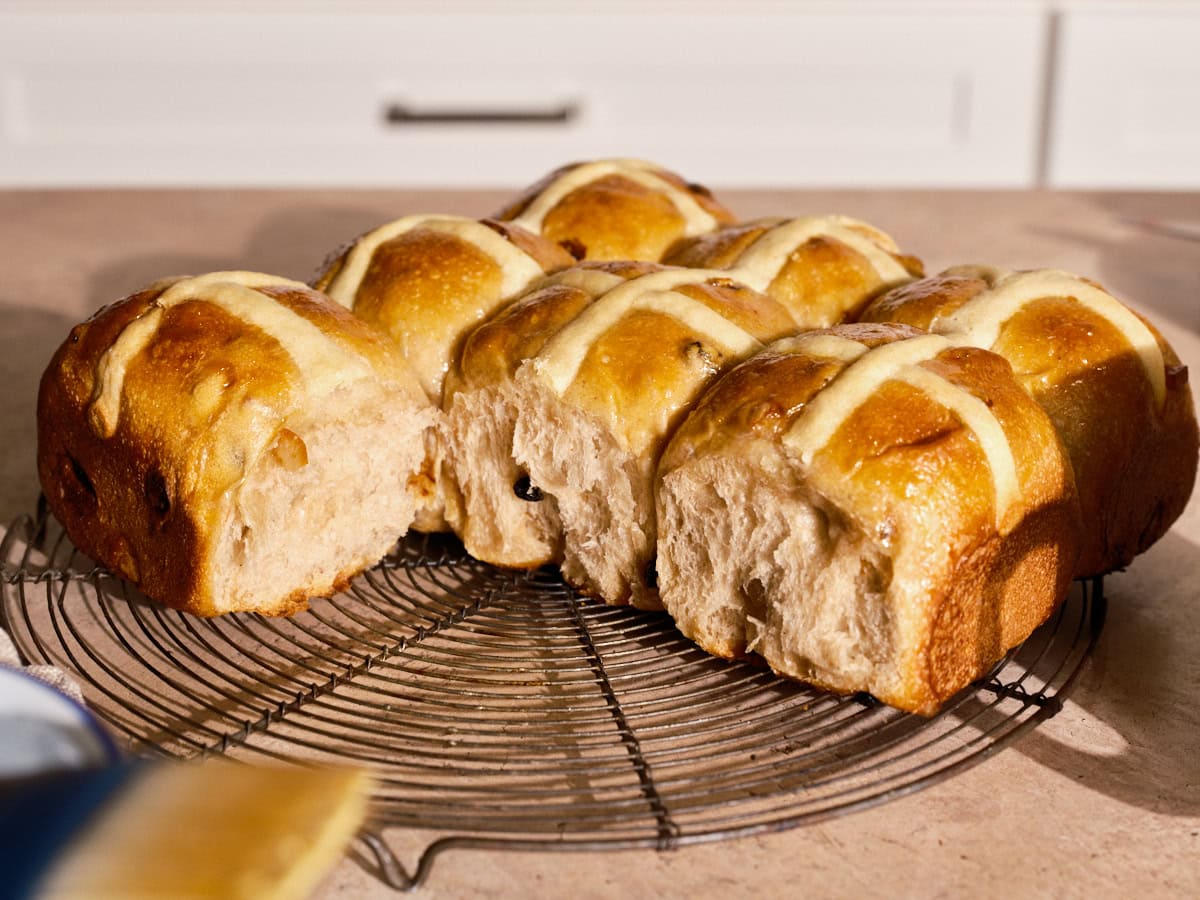
Immediately after baking, the warm buns are brushed with the simple syrup glaze. They can be served warm with butter or allowed to cool on a wire rack. These buns are best enjoyed the day they are baked, but can be stored in an airtight container for one day and reheated.
Broader Impact and Culinary Tradition
The meticulous development of this sourdough hot cross bun recipe represents more than just a culinary endeavor; it is an exploration of how traditional baking techniques can be enhanced through modern understanding and innovative methods like tangzhong. The revival of sourdough, coupled with the refinement of enriched dough techniques, speaks to a growing appreciation for artisanal baking and the pursuit of superior flavor and texture.
This recipe is not merely a set of instructions but an invitation to engage with the process of baking on a deeper level. The patience required for sourdough, combined with the delicate touch needed for enriched doughs, fosters a connection between the baker and their creation. The resulting hot cross buns are a testament to this dedication, offering a delightful and memorable experience that celebrates the spirit of spring and the joy of sharing homemade treats. As the baking community continues to embrace these more involved yet rewarding techniques, we can anticipate even more innovative and delicious interpretations of classic baked goods in the years to come.