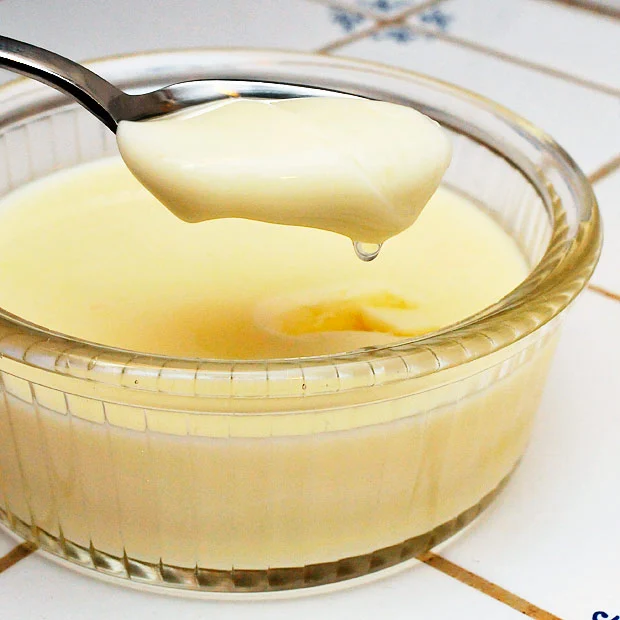

The delicate art of crafting ginger milk curd, a traditional Asian dessert known as 薑汁撞奶 (Cantonese: geung zap zong naai), often appears deceptively simple, requiring only three fundamental ingredients: milk, ginger, and sugar. Yet, beneath this minimalist facade lies a complex interplay of biochemical reactions, whose subtle nuances have historically led to widespread culinary frustration and the proliferation of "kitchen myths" among home cooks. Recent scientific inquiry, however, is demystifying this popular treat, revealing the precise conditions necessary to consistently achieve its characteristic tender, fragile gel.
The Culinary Enigma: Simplicity, Frustration, and Kitchen Myths
The allure of ginger milk curd stems from its rapid transformation—milk setting into a delicate gel within minutes of mixing with fresh ginger juice. This immediate gelling, coupled with the distinct warming spice of ginger and a touch of sweetness, has captivated many. However, attempts to replicate this culinary magic frequently end in inconsistent results. Anecdotal evidence from various online forums and culinary blogs highlights this challenge, with reports ranging from 50% success rates to individuals achieving success only after numerous failed attempts, some even resorting to adding egg whites out of exasperation. The common lament is that the preparation demands "a lot of skills and a pinch of luck."
This variability is the fertile ground for "kitchen myths." When a recipe yields inconsistent outcomes, cooks often attribute success or failure to seemingly minor, often irrelevant, procedural changes. For instance, instructions might range from pouring milk quickly or slowly, stirring vigorously or not at all, using specific types of ginger, or adhering to rigid temperature guidelines without understanding the underlying science. These contradictory instructions, born from trial-and-error without scientific validation, perpetuate confusion and undermine reproducibility. The absence of a clear, evidence-based methodology leaves many home cooks navigating a labyrinth of conflicting advice.
Unveiling the Science: The Role of Ginger Proteases
The key to unlocking the secret of ginger milk curd lies in understanding enzyme kinetics. The gelling process is a classic example of enzyme-induced milk coagulation, a principle foundational to cheesemaking, where rennet (containing the enzyme chymosin) has been used for millennia to curdle milk. Chymosin is a proteolytic enzyme, or protease, meaning it breaks down proteins into smaller fragments.
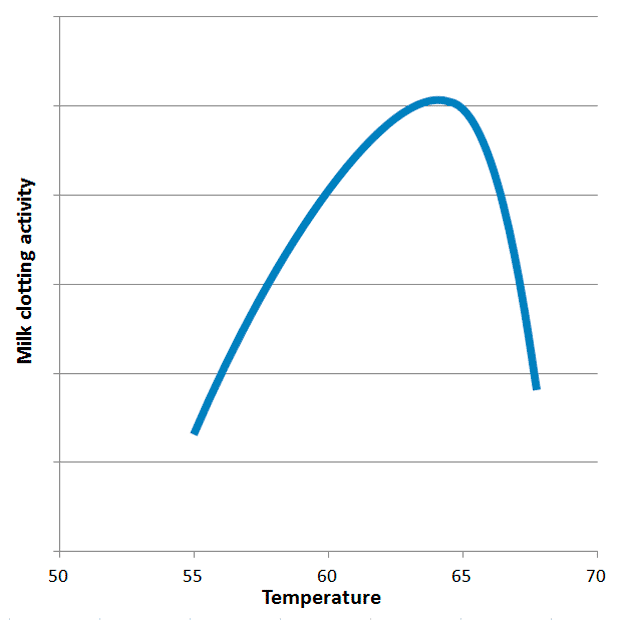
Ginger, too, contains a potent class of proteolytic enzymes, collectively known as ginger proteases (GP), or specifically zingipain (EC 3.4.22.67). These enzymes are the tireless workers responsible for building the gel structure in ginger milk curd. However, unlike many enzymes, ginger proteases are remarkably sensitive to temperature, a factor that is paramount to their activity and stability. Scientific studies have established that GP enzymes are rapidly denatured—irreversibly destroyed—at temperatures above 70°C. Conversely, their milk clotting activity (MCA) is significantly reduced below 60°C. The optimal temperature window for GP to effectively curdle milk is surprisingly narrow, peaking around 63°C and sharply declining outside the 60-65°C range. This precise temperature requirement is the primary reason for the high failure rate observed in ginger milk curd preparation, as slight deviations can render the enzymes inactive or inefficient.
While ginger proteases exhibit general proteolytic activity (PA) outside this narrow window, it is their specific MCA, linked to the hydrolysis of κ-casein, that is crucial for gel formation. This specificity is what differentiates effective milk coagulants from general protein degraders. Interestingly, research into plant-based rennet alternatives has identified other proteases, such as those found in kiwi (optimal at 40°C) and melon (optimal at 70°C), which also possess a relatively high MCA/PA ratio, suggesting broader applications for these natural coagulants in food science.
The Casein Micelle: Milk’s Architectural Wonders
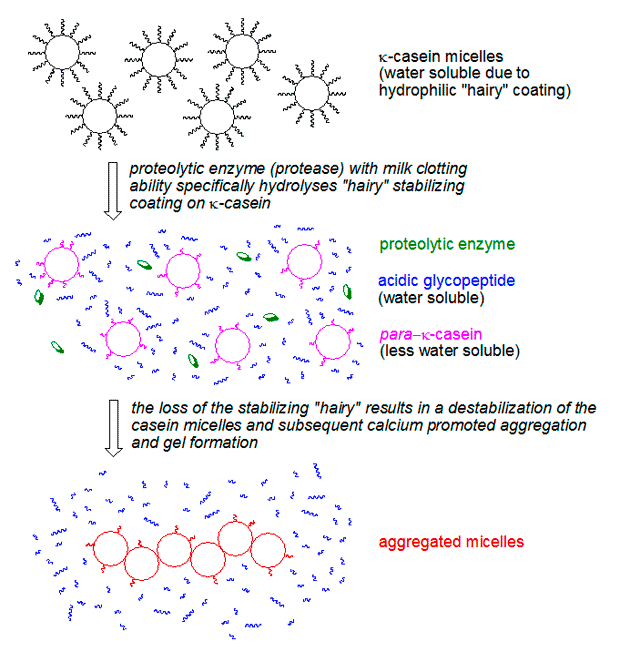
The actual building blocks of the ginger milk curd gel are casein proteins, a diverse group found abundantly in milk. These proteins naturally aggregate into large, spherical structures called micelles, which are stabilized by calcium ions. A critical component of these micelles is κ-casein, which forms a "hairy layer" on their outer surface. This layer consists of a water-soluble glycopeptide part and a less soluble para-κ-casein part. The water-soluble segments extend into the milk serum, effectively keeping the micelles dispersed and preventing them from coalescing and aggregating. This "hairy" protective layer is precisely why milk remains a stable liquid and does not spontaneously form a gel.
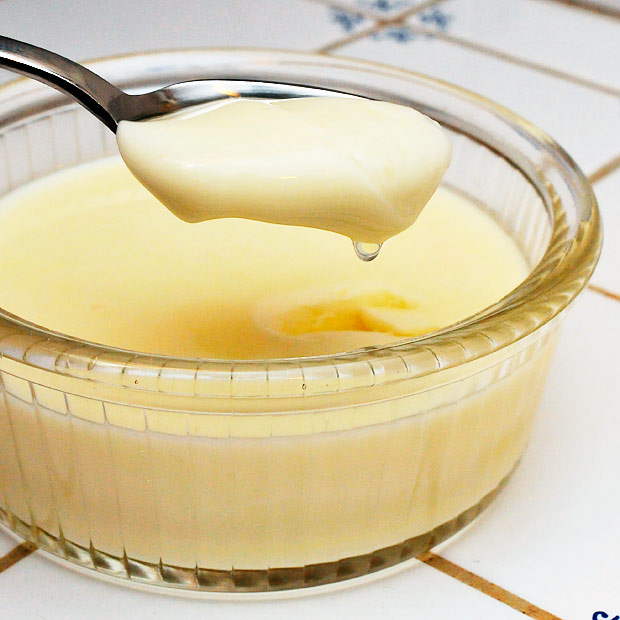
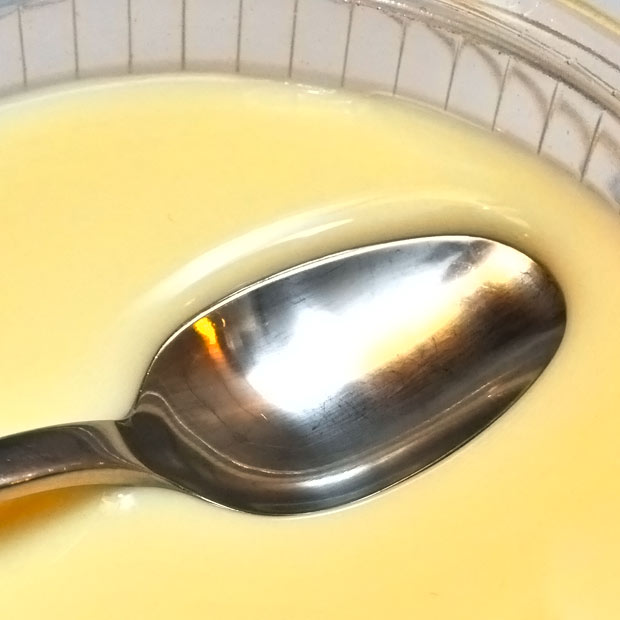
The magic of ginger proteases unfolds when they are introduced to milk. Similar to chymosin in rennet, GP enzymes specifically target and cleave off the water-soluble part of κ-casein, leaving behind the exposed, less soluble para-κ-casein. With their protective "hairy" layers removed, the "shaved" casein micelles are no longer stable in suspension. They begin to collide and, aided by the calcium ions naturally present in milk, rapidly aggregate, forming a three-dimensional network that constitutes the gel. This process occurs remarkably quickly, typically within 5-10 minutes. The resulting gel is tender and delicate, but also prone to syneresis—the expulsion of liquid (whey) from the gel structure, often seen as clear droplets accumulating at the bottom of the curd, a visual indicator of successful coagulation.
Precision in Practice: The Optimal Temperature Window
Beyond the critical 60-65°C range for enzyme activity, other factors influence the strength and quality of the final gel. Research indicates that heating milk to temperatures above 65°C, even before cooling it back down to the optimal range for ginger proteases, can adversely affect the gel’s strength. This is because higher temperatures cause other milk proteins, particularly lactoglobulins, to denature and precipitate onto the κ-casein, interfering with the subsequent enzyme-catalyzed cleavage and micelle aggregation.
Furthermore, the type of milk used also plays a role. Skimmed milk tends to produce a stronger gel compared to full-fat milk, as milk fat can also interfere with the casein network formation. Given that calcium ions are instrumental in facilitating the aggregation of the "shaved" micelles, a higher concentration of calcium in the milk would theoretically result in a stronger, more robust gel. This detailed understanding underscores why a seemingly minor deviation in temperature or ingredient choice can lead to a dramatically different outcome, transforming a successful gel into a watery failure.
From Myth to Method: A Foolproof Recipe
Armed with scientific insight, a reliable, "foolproof" method for ginger milk curd can be established, emphasizing precision over intuition. The most crucial piece of equipment for consistent success is a digital kitchen thermometer, ensuring the milk reaches and remains within the narrow optimal temperature window for ginger proteases.
Foolproof Ginger Milk Curd Recipe
-
Ingredients:
- 250 mL skimmed milk
- 18 g fresh ginger juice (approximately 31 g peeled ginger or 43 g raw ginger)
- 20 g sugar
-
Instructions:
- Prepare Milk: Combine skimmed milk and sugar in a saucepan. Heat carefully, monitoring with a digital thermometer, until the mixture reaches precisely 65°C. Remove immediately from heat.
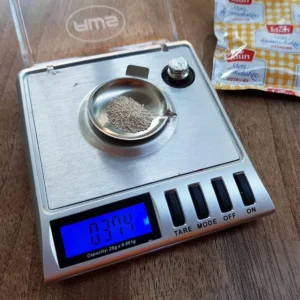
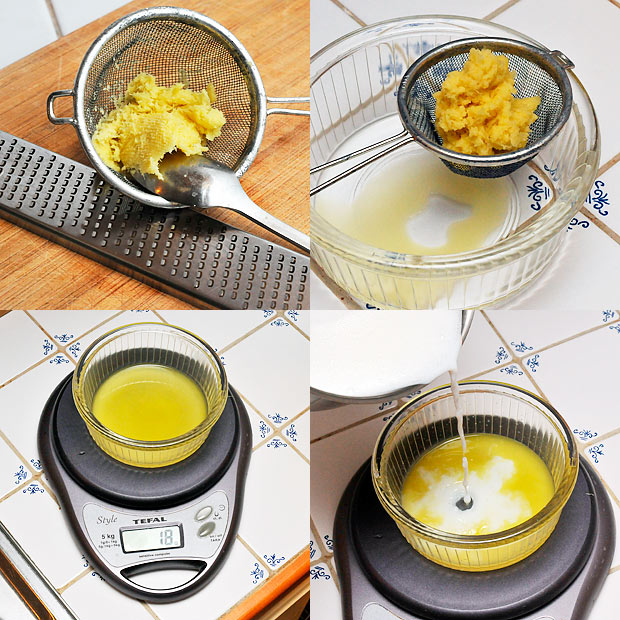
- Prepare Ginger Juice: While the milk is heating, peel fresh ginger and grate it finely (a microplane is ideal). Squeeze out the juice using a fine-mesh sieve or cheesecloth. Measure 18g of this fresh juice.
- Combine and Set: Pour the measured ginger juice into a serving bowl. Immediately, and without delay, pour the 65°C milk from a moderate height (about 10-15 cm) directly into the ginger juice. This height allows for sufficient initial mixing without the need for stirring.
- Crucial Step: DO NOT STIR the mixture after pouring. Stirring can disrupt the delicate formation of the gel network and interfere with the enzyme’s action.
- Rest: Leave the bowl undisturbed at room temperature. Within 5-10 minutes, a firm gel will have formed. The curd can be served immediately or chilled in the refrigerator for later enjoyment.
-
Notes:
- This recipe uses a milk-to-ginger juice ratio of approximately 14:1. Adjusting ginger juice quantity can modify flavor intensity, but significant reduction may compromise gel formation.
- The precise temperature is paramount. If the milk is too hot, the enzymes denature; if too cold, their activity is insufficient.
The Instability of Ginger Juice: PPO and Ascorbic Acid
Another critical, often overlooked, factor in ginger milk curd preparation is the stability of the ginger juice itself. Freshly squeezed ginger juice contains highly active ginger proteases, but these enzymes are surprisingly unstable. At a typical room temperature of 30°C, the ginger proteases have a half-life of only about 20 minutes. This means that after 20 minutes, half of their enzymatic activity is lost, and after another 20 minutes, only 25% of the original activity remains. This rapid degradation explains why ginger juice should not be prepared in advance or stored.
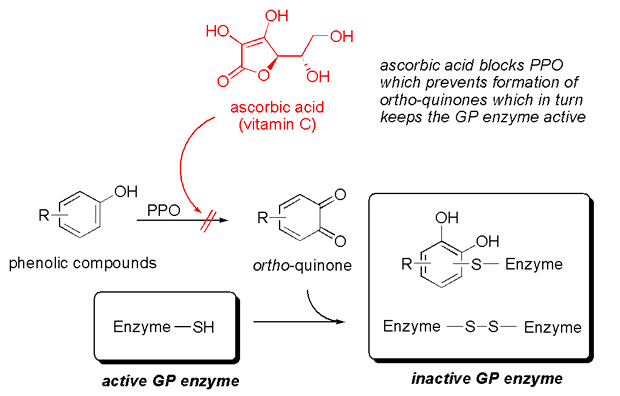
The culprit behind this instability is another enzyme present in ginger: polyphenol oxidase (PPO). PPO is notorious for causing enzymatic browning in fruits like apples when exposed to air. In ginger, when the cells are damaged by grating, PPO catalyzes the oxidation of phenolic compounds into ortho-quinones. These quinones, in turn, can react with and inactivate the delicate ginger protease enzymes, leading to a loss of milk-clotting ability.
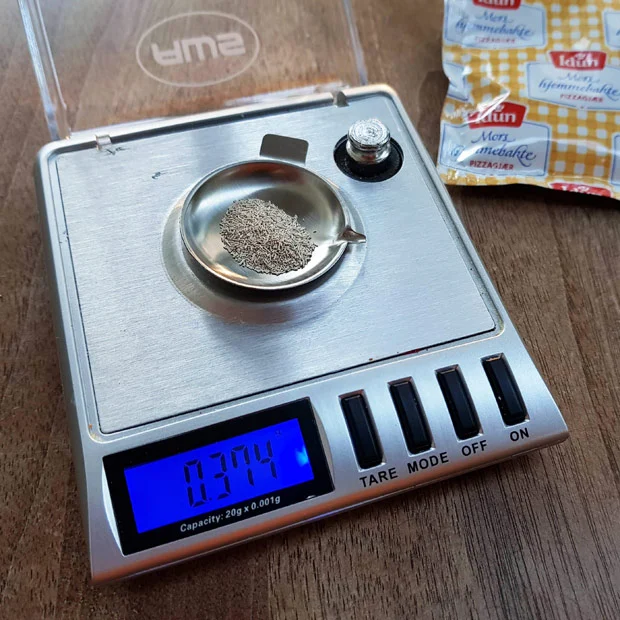
Fortunately, there’s a simple scientific trick to counteract this. Ascorbic acid, commonly known as Vitamin C, acts as an effective inhibitor of PPO. By adding a small pinch (approximately 0.2% by weight) of ascorbic acid to freshly squeezed ginger juice, the action of PPO is blocked, thereby preventing the inactivation of ginger proteases. This ingenious solution allows for the preparation and temporary storage of ginger juice without significant loss of enzymatic activity, offering greater flexibility in culinary applications.
Beyond the Curd: Broader Implications and Culinary Science
The journey from a mysterious, often-failed kitchen experiment to a scientifically understood and reproducible dish highlights the profound intersection of culinary art and food science. The principles discovered in perfecting ginger milk curd extend far beyond a single dessert.
Firstly, the detailed characterization of ginger proteases as effective milk coagulants opens avenues for the food industry. With increasing demand for vegetarian and plant-based products, natural proteases like zingipain offer a viable alternative to traditional animal-derived rennet in the production of cheese and other dairy products. This research contributes to developing sustainable and ethical food processing methods.
Secondly, this case study underscores the importance of precision in cooking. While culinary traditions often rely on intuition and approximate measurements, modern culinary science, exemplified by molecular gastronomy, advocates for a deeper understanding of ingredients and processes. Embracing tools like digital thermometers and understanding biochemical reactions transforms cooking from an unpredictable art into a more consistent and controlled science, empowering cooks to achieve reliable results.
Finally, the debunking of "kitchen myths" through scientific investigation serves as a powerful reminder of critical thinking in everyday life. By questioning traditional, unverified instructions and seeking empirical evidence, we can move beyond superstition and embrace methodologies that are truly effective and replicable.
Future Frontiers: Unanswered Questions and Experimental Avenues
While significant strides have been made, the scientific exploration of ginger milk curd is far from complete. Researchers and enthusiastic home cooks alike can continue to explore variables to further refine the process and uncover new insights:
- Milk Variations: How do different types of milk (e.g., whole milk, lactose-free milk, plant-based milks) interact with ginger proteases? What impact do varying protein and fat compositions have on gel strength and texture?
- Heating Protocols: Does a rapid heat-up versus a slow heat-up to 65°C affect the final gel? Are there specific holding times at optimal temperature that enhance or detract from the curd’s quality?
- Ginger Diversity: Do different varieties of ginger (e.g., young ginger vs. old ginger, ginger from different geographical regions) exhibit variations in protease activity or concentration?
- Calcium Fortification: How does the addition of exogenous calcium salts influence the kinetics of gel formation and the final gel strength, given its role in micelle aggregation?
- Mechanical Stress: A more rigorous investigation into the precise effects of stirring versus non-stirring, and the optimal pouring height for initial mixing, could further refine the technique.
The humble ginger milk curd, a dish enjoyed for its refreshing simplicity, thus stands as a testament to the fascinating complexity hidden within our food. By meticulously applying scientific principles, we can transform a finicky, unpredictable recipe into a consistently delightful culinary experience, bridging the gap between traditional wisdom and modern understanding.