
Khymos, a prominent online resource dedicated to the fascinating intersection of molecular gastronomy, food science, and culinary chemistry, has successfully completed a comprehensive technical upgrade and rebranding initiative. The significant behind-the-scenes work culminated in the migration of the entire blog from its previous subdomain, blog.khymos.org, to the main domain, khymos.org, alongside the implementation of a modern, responsive WordPress theme designed to optimize accessibility across all devices. This strategic evolution also introduces a newly designed logo, symbolizing a refreshed visual identity for the platform. The transition marks a pivotal moment for Khymos, aligning its digital infrastructure with contemporary web standards and reinforcing its commitment to a broader, more engaged audience.
The Genesis of Khymos: A Legacy in Food Science Communication
Established over a decade ago by renowned food scientist and writer Martin Lersch, Khymos quickly carved out a unique niche in the burgeoning field of molecular gastronomy. Lersch, a chemist by training, embarked on the blog as a passion project, aiming to demystify the scientific principles underpinning culinary techniques and to share innovative recipes that pushed the boundaries of traditional cooking. From its inception, Khymos became a trusted repository for experimental cooking, scientific explanations of food phenomena, and discussions on ingredients and methods often associated with chefs like Ferran Adrià and Heston Blumenthal. Its content ranged from detailed explanations of hydrocolloids and spherification to explorations of flavor compounds and temperature control in cooking.
Over the years, Khymos garnered a loyal following among professional chefs, culinary students, food enthusiasts, and home cooks eager to explore the scientific side of food preparation. It served as an invaluable educational tool, bridging the gap between academic chemistry and practical kitchen application. The blog’s influence extended globally, contributing significantly to the popularization and understanding of molecular gastronomy long before it became a mainstream culinary term. However, like many early digital platforms, its foundational technology, while robust for its time, eventually began to show its age, particularly in an era dominated by mobile internet consumption.
Strategic Digital Transformation: Consolidating Presence
The decision to migrate Khymos from blog.khymos.org to khymos.org represents a critical strategic move aimed at enhancing the platform’s overall digital footprint and search engine optimization (SEO). In the digital ecosystem, consolidating content under a primary domain is widely recognized as a best practice. Subdomains are often treated by search engines as separate entities, potentially diluting the authority and visibility that the main domain could accumulate. By unifying its web presence, Khymos is poised to benefit from improved search rankings, a clearer brand identity, and a more streamlined user experience.
The implementation of 301 redirects ensures that all previous links pointing to blog.khymos.org are seamlessly routed to their new locations on khymos.org. This technical safeguard is crucial for preserving existing SEO equity, preventing broken links, and ensuring that loyal readers and external sites linking to Khymos content continue to find the information they seek without interruption. This meticulous approach to migration underscores a professional commitment to maintaining content integrity and user accessibility throughout the transition. The consolidated domain also projects a more unified and authoritative brand image, simplifying recall and direct navigation for users.
Embracing Modernity: The Responsive Design Imperative
Perhaps the most significant functional enhancement of the Khymos overhaul is the transition to a responsive WordPress theme. The blog’s creator candidly acknowledged that this improvement was "years overdue," highlighting a common challenge faced by long-standing websites. The advent of smartphones and tablets fundamentally reshaped how individuals access online content. According to Statista, mobile devices accounted for over 59% of global website traffic in the first quarter of 2024, a figure that has steadily risen over the past decade. For a platform like Khymos, which thrives on sharing detailed articles, scientific diagrams, and complex recipes, failing to adapt to mobile browsing significantly hampered its reach and usability for a large segment of its potential audience.
A responsive design automatically adjusts the layout and content of a website to fit the screen size of the device being used, whether it’s a desktop monitor, a laptop, a tablet, or a smartphone. This ensures optimal readability, navigability, and overall user experience regardless of the access point. Before this upgrade, users attempting to view Khymos on mobile devices likely encountered a static, desktop-optimized layout, requiring constant zooming, horizontal scrolling, and difficult navigation – a frustrating experience that often leads to high bounce rates.
The implementation of a responsive theme directly addresses these issues. Readers can now effortlessly browse recipes, delve into scientific explanations, and explore intricate diagrams with ease on their preferred mobile devices. Beyond enhancing user satisfaction, responsive design is also a critical factor in modern SEO. Google’s "mobile-first indexing" policy means that the search engine primarily uses the mobile version of a website for indexing and ranking. Therefore, a mobile-friendly site is not just a convenience; it is a necessity for maintaining and improving visibility in search results. This upgrade positions Khymos to attract a new generation of culinary scientists and enthusiasts who primarily rely on mobile devices for information and inspiration.
The Art and Science of Branding: A New Visual Identity
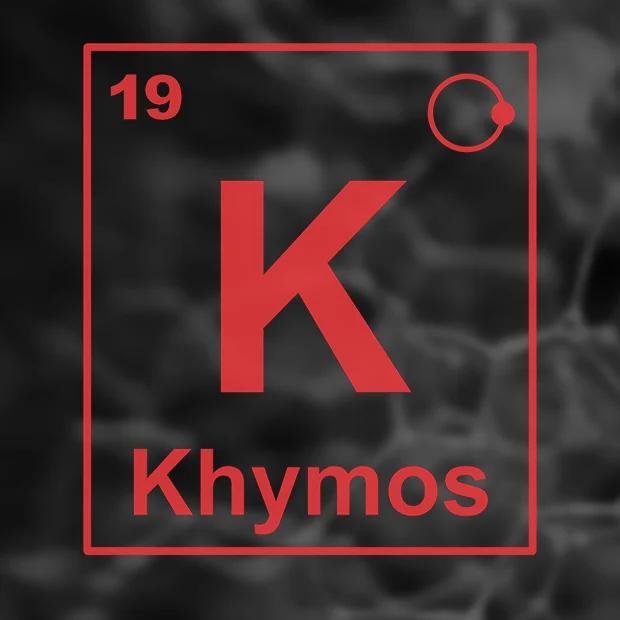
Accompanying the technical upgrades is the unveiling of a brand-new logo for Khymos. The new design is not merely an aesthetic refresh but a thoughtful embodiment of the blog’s core identity, blending scientific symbolism with modern graphic sensibilities. The logo features a prominent "K," serving as both the initial letter of Khymos and a direct reference to the elemental symbol for potassium. This dual meaning is ingeniously woven into the brand’s narrative.
Potassium (K), element number 19 on the periodic table, holds significant relevance in both chemistry and biology, extending its connection to food science. As an essential electrolyte, potassium plays a crucial role in human nutrition, nerve function, muscle contraction, and maintaining fluid balance – all fundamental aspects relevant to food and its impact on the body. Its presence in various food items is a subject of constant scientific inquiry, making it a fitting symbolic choice for a blog that explores the science of cooking. The number 19, denoting potassium’s atomic number, is subtly integrated into the logo, adding a layer of scientific authenticity.
Furthermore, the logo incorporates a distinct dot on a ring, which symbolizes potassium’s single electron in its outermost shell. This visual representation directly references the element’s electronic configuration and its chemical reactivity, providing a sophisticated nod to fundamental chemical principles. The choice of potassium as a central motif underscores Khymos’s commitment to scientific rigor and its deep roots in chemistry, while simultaneously making the brand approachable through a clean, modern design. This new visual identity is designed to be memorable, reflective of the blog’s content, and adaptable across various digital and print mediums. It signifies a maturation of the Khymos brand, presenting a more polished and professional image to its global audience.
Behind the Scenes: The Technical Journey
The successful execution of such a comprehensive digital overhaul involves considerable planning, technical expertise, and meticulous effort. The process typically begins with an assessment of the existing infrastructure, identifying areas for improvement and defining the project scope. For Khymos, this would have included analyzing the old WordPress installation, database structure, and content architecture to ensure a smooth migration.
The selection and customization of a new WordPress theme is another critical phase. Modern WordPress themes offer a vast array of functionalities and design options, but adapting them to a specific brand identity and ensuring compatibility with existing content requires skilled development work. Ensuring that all blog.khymos.org URLs correctly redirect to khymos.org without creating broken links or losing SEO value is a technically demanding task that requires careful mapping and testing. The database migration itself, involving potentially thousands of posts, comments, and media files, must be executed with precision to prevent data loss or corruption. Throughout this process, rigorous testing across various browsers and devices would have been essential to identify and rectify any bugs or display issues before the official launch. The entire undertaking speaks to a significant investment in time and resources by Martin Lersch and any collaborators involved in bringing this vision to fruition.
Anticipated Impact and Community Reception
The comprehensive upgrades to Khymos are anticipated to have a profound positive impact on its readership and influence within the molecular gastronomy and food science communities. The immediate benefit will be felt by mobile users, who will now enjoy a seamless and engaging browsing experience, likely leading to increased time spent on the site and greater content consumption. This enhanced accessibility is crucial for attracting new readers, particularly younger demographics who are inherently mobile-first.
While no official statements from the broader community have been released at the time of this report, the general sentiment among loyal readers and proponents of digital accessibility is expected to be overwhelmingly positive. The improvements address long-standing concerns regarding mobile usability, fulfilling an implicit promise to update the platform for contemporary consumption habits. The refreshed look and consolidated presence are likely to be perceived as a renewed commitment by Martin Lersch to the ongoing mission of Khymos – to educate, inspire, and foster innovation in the culinary world through a scientific lens. The move positions Khymos not just as a repository of knowledge, but as a vibrant, modern platform actively engaged with its audience.
Looking Ahead: The Future of Khymos
The significant technical overhaul and rebranding initiative signify a renewed vitality for Khymos. By modernizing its digital infrastructure and refreshing its visual identity, the platform is better equipped to serve its existing audience and attract new followers in an increasingly competitive digital landscape. This strategic investment ensures the longevity and relevance of Khymos as a leading authority in molecular gastronomy and food science.
In an era where specialized knowledge and authoritative sources are highly valued, Khymos continues to play a vital role in disseminating complex scientific information in an accessible and engaging manner. The upgraded platform is poised to facilitate even greater engagement, potentially through new interactive features, expanded content formats, or collaborative projects. As the culinary world continues to embrace scientific innovation, a robust and accessible resource like Khymos will remain indispensable for anyone seeking to understand the ‘why’ behind the ‘how’ in the kitchen. Martin Lersch’s dedication to continuously evolving Khymos underscores its enduring value as a cornerstone of culinary scientific exploration.