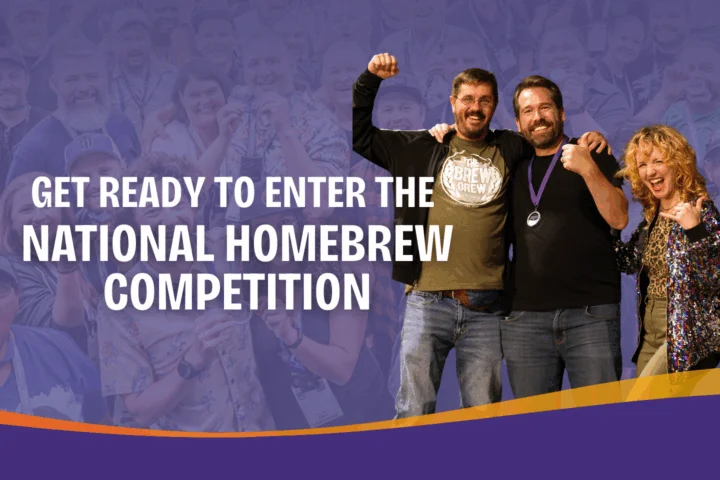

The American Homebrewers Association has officially announced the commencement of the 2026 National Homebrew Competition, marking the 48th year of what is widely recognized as the world’s most prestigious and largest international competition dedicated to the hobby of homebrewing. Since its inception in 1979, the National Homebrew Competition has served as the definitive benchmark for amateur brewing excellence, providing a platform for hobbyists to have their beer, mead, and cider evaluated by some of the most qualified judges in the world. As the organization prepares for this landmark iteration, it does so under a new governance structure, following the association’s transition to an independent entity in July 2025.
The 2026 competition is expected to continue its long-standing partnership with the Beer Judge Certification Program, ensuring that every entry is subjected to rigorous, blind sensory analysis based on standardized style guidelines. With over 170,000 entries judged over the last nearly five decades, the National Homebrew Competition remains a cornerstone of the global fermentation community, driving innovation and maintaining high standards of quality among amateur producers.
Historical Context and the Evolution of the National Homebrew Competition
The National Homebrew Competition was first held in 1979, shortly after the federal legalization of homebrewing in the United States. Founded by Charlie Papazian and the American Homebrewers Association, the inaugural event sought to bring together a nascent community of enthusiasts who were rediscovering traditional brewing methods in an era dominated by industrial lagers. In its first year, the competition received only a handful of entries, yet it laid the groundwork for what would become a global movement.
By the 1990s and early 2000s, the National Homebrew Competition had grown exponentially, paralleling the explosion of the American craft beer industry. The competition became a proving ground for many individuals who would later become titans of the professional brewing world. Notable alumni of the National Homebrew Competition include the founders of some of the most successful craft breweries in the United States, illustrating the competition’s role as an incubator for professional talent.
The scale of the event is unparalleled in the hobbyist world. Historically, the competition has utilized a two-tier system, involving regional first-round judging sites across North America followed by a final round of judging held in conjunction with the National Homebrewers Conference, also known as Homebrew Con. This structure has allowed the American Homebrewers Association to manage thousands of entries while maintaining the integrity of the judging process.
The 2025 Independence and New Leadership
The 2026 National Homebrew Competition represents a significant milestone for the American Homebrewers Association, as it is the first full competition cycle managed by the organization following its move to independence in July 2025. Previously operating under the umbrella of the Brewers Association, the American Homebrewers Association transitioned to a standalone model to better serve its specific membership base and focus exclusively on the needs of the homebrewing community.
This transition involved the establishment of a new staff and the formation of the AHA Founding Board and an Events Committee, comprised largely of volunteer member leaders. These bodies have been tasked with modernizing the competition while preserving the traditions that have made it a staple of the brewing calendar. According to internal reports, the focus for 2026 is on enhancing the participant experience, streamlining the registration process, and ensuring that the feedback provided by judges is more detailed and constructive than ever before.
The move to independence has been met with optimism by the community, as it allows for a more direct reinvestment of resources into amateur-specific programming. The 2026 National Homebrew Competition is being viewed as the flagship event for this new era, serving as a testament to the association’s viability and continued relevance in a changing beverage landscape.
Technical Standards and Judging Criteria
At the heart of the National Homebrew Competition is the partnership with the Beer Judge Certification Program. The Beer Judge Certification Program provides the standardized style guidelines—currently utilizing the 2021 revision—which define the parameters for dozens of categories of beer, cider, and mead. These guidelines ensure that a Pilsner brewed in Oregon is judged by the same criteria as one brewed in New York or internationally.
The judging process is entirely blind, meaning judges have no knowledge of the entrant’s identity. Each entry is typically evaluated by a panel of at least two judges, who provide written feedback on the appearance, aroma, flavor, mouthfeel, and overall impression of the beverage. This feedback loop is often cited by participants as the most valuable aspect of the competition, as it allows brewers to identify technical flaws and refine their recipes based on professional critiques.
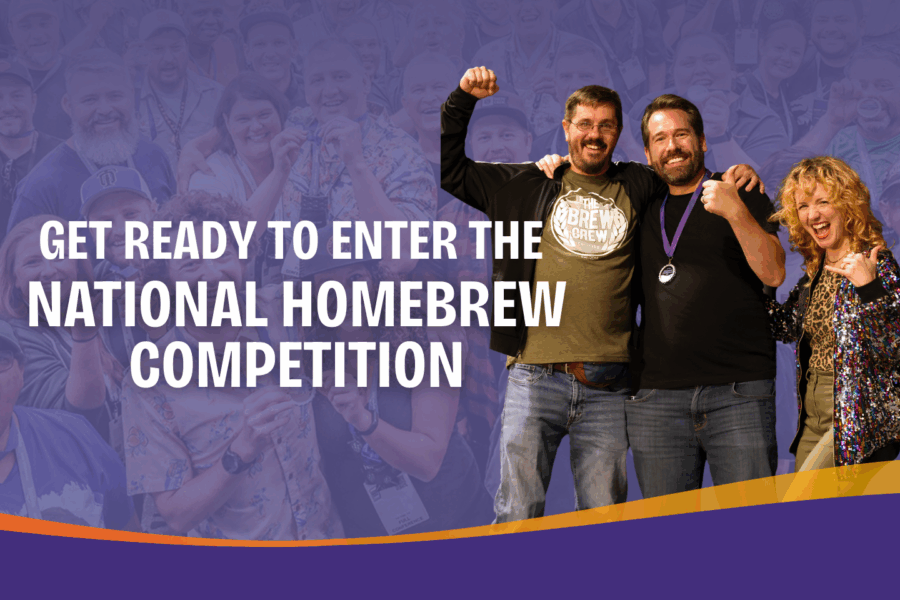
For the 2026 cycle, the American Homebrewers Association has emphasized the importance of "judging glory," a term used to describe the prestige associated with winning a National Homebrew Competition medal. Medals are awarded in gold, silver, and bronze across various categories, culminating in the prestigious "Homebrewer of the Year," "Cidermaker of the Year," and "Meadmaker of the Year" awards.
Timeline and Logistics for Entrants
While the full details regarding registration and specific deadlines are slated for release in February 2026, the American Homebrewers Association has provided a general roadmap for prospective entrants. The competition cycle typically begins with a registration window in the late winter or early spring, followed by the shipment of entries to regional judging sites.
Prospective participants are encouraged to begin their preparations months in advance. Successful competition entries often require multiple "test batches" to dial in specific flavor profiles and ensure consistency. Furthermore, the logistical challenges of shipping carbonated beverages require careful planning, including the use of specialized packaging to prevent breakage and temperature fluctuations during transit.
Key milestones for the 2026 National Homebrew Competition include:
- February 2026: Release of the full competition handbook, including categories, rules, and shipping locations.
- Spring 2026: Opening of the registration portal for American Homebrewers Association members.
- Early Summer 2026: Regional judging rounds held across multiple locations.
- Late Summer 2026: Final round judging and the awards ceremony.
The association has also indicated that volunteer opportunities will be available for those wishing to participate in the competition as stewards or judges, providing a behind-the-scenes look at the evaluation process.
Industry Implications and Cultural Impact
The National Homebrew Competition serves as more than just a contest; it is a vital economic and cultural driver for the broader fermentation industry. The data collected from thousands of entries provides insights into emerging trends within the craft beer world. For instance, the rise of Hazy IPAs and Sour Ales in the commercial sector was preceded by a surge of interest in these styles among homebrewers participating in the National Homebrew Competition.
Furthermore, the competition fosters a sense of community and shared knowledge. The feedback provided to brewers helps elevate the overall quality of beer produced at the amateur level, which in turn creates a more informed and discerning consumer base for commercial craft breweries. Many professional brewers maintain their American Homebrewers Association memberships and continue to follow the competition results as a way to stay connected to the grassroots of the industry.
The 2026 event also holds implications for the hospitality industry. The final round of the competition and the associated ceremonies attract hundreds of visitors to the host city, generating significant revenue for hotels, restaurants, and local breweries. Details regarding the 2026 final round hotel and venue are expected to be included in the February announcement.
Future Outlook and Official Responses
As the American Homebrewers Association enters this new chapter, the 2026 National Homebrew Competition stands as a symbol of resilience and growth. While the organization has faced challenges in recent years—including the logistical hurdles of the post-pandemic era and the complexities of organizational restructuring—the announcement of the 48th annual competition signals a commitment to the core mission of the association: to promote the community of homebrewers and the quality of homebrewed beverages.
Inferred statements from the Events Committee suggest that the 2026 competition will place a renewed emphasis on inclusivity and accessibility, seeking to attract a diverse range of participants from various backgrounds and experience levels. By maintaining the rigorous standards of the Beer Judge Certification Program while adopting modern digital tools for registration and feedback, the American Homebrewers Association aims to ensure the National Homebrew Competition remains the "gold standard" of brewing competitions for decades to come.
The homebrewing community now looks toward February 2026, when the specific parameters of the competition will be unveiled. Until then, enthusiasts around the world are expected to begin the meticulous process of recipe development and brewing, vying for a place in the history books of the 48th National Homebrew Competition.