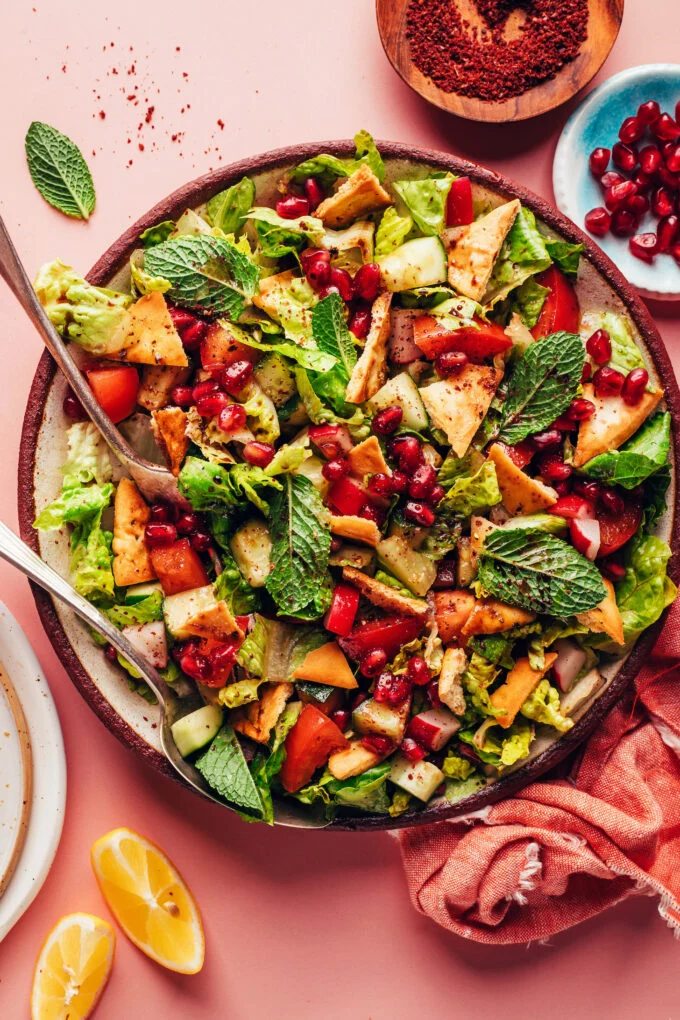

The culinary landscape of the Levantine region, encompassing modern-day Lebanon, Syria, Jordan, Palestine, and Israel, has long been celebrated for its emphasis on fresh produce, aromatic herbs, and the resourceful use of pantry staples. Among the most iconic exports of this Mediterranean tradition is Fattoush, a "bread salad" that historically served as a practical solution for utilizing stale flatbread. In a modern evolution of this ancient dish, culinary researchers and plant-based advocates have streamlined the preparation process, introducing a 20-minute, one-bowl iteration designed to meet the demands of contemporary, health-conscious consumers. This simplified approach prioritizes efficiency without compromising the complex flavor profile characterized by sumac, pomegranate molasses, and crisp seasonal vegetables.
The Cultural and Historical Origins of Fattoush
The word "Fattoush" is derived from the Arabic word "fatteh," which translates literally to "crumbs" or "broken pieces." Historically, this dish belongs to a broader category of Middle Eastern cuisine known as "fatteh" dishes, which utilize toasted or fried leftover pita bread as a structural base. While many fatteh dishes involve warm chickpeas and yogurt, Fattoush evolved as a cooling, raw vegetable salad, often referred to as a "peasant salad" due to its reliance on garden-grown ingredients and reclaimed bread.
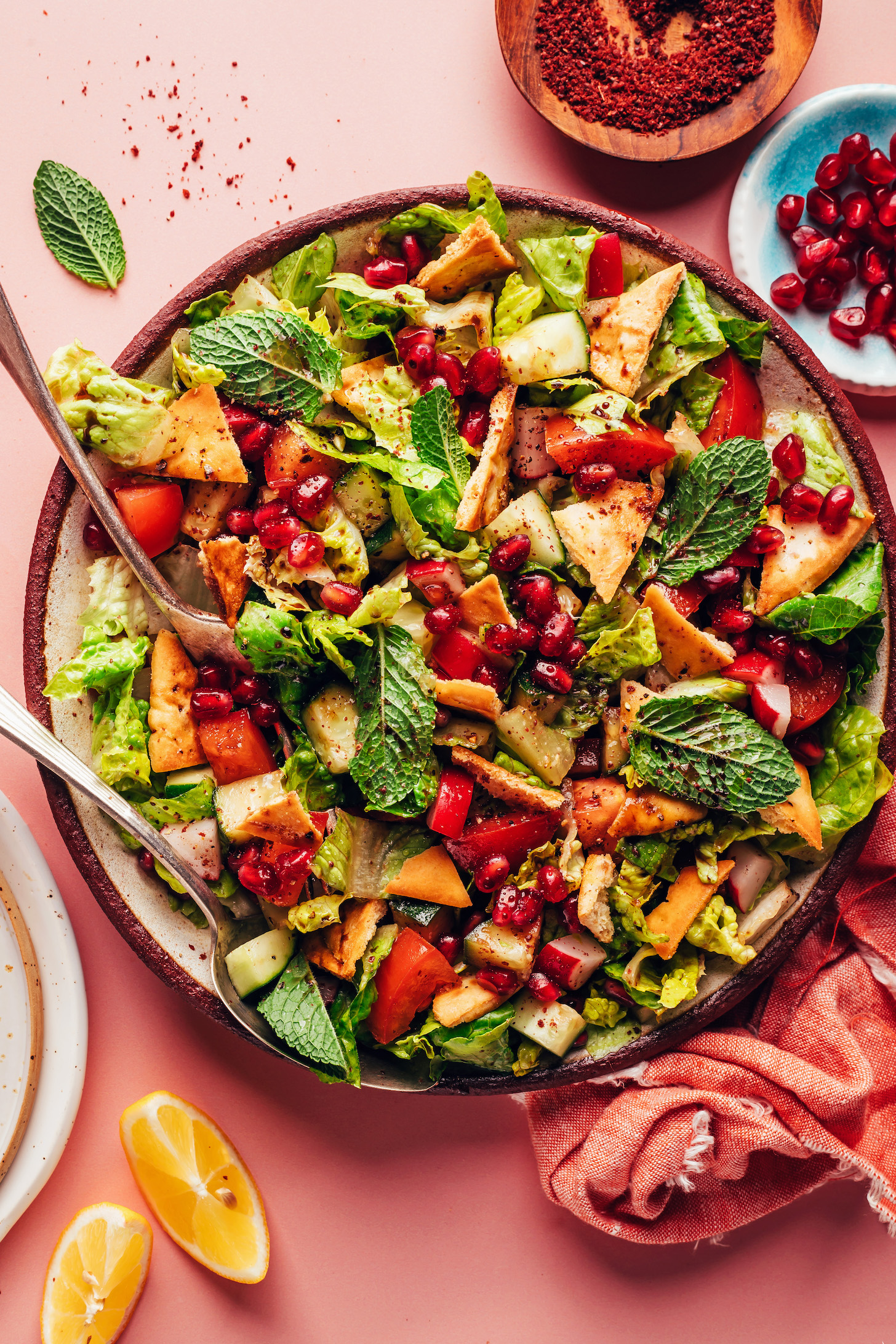
In the traditional Levantine kitchen, the composition of Fattoush varies by season and micro-region. However, the presence of sumac—a tangy, deep-red spice derived from the dried and ground berries of the Rhus coriaria shrub—remains a non-negotiable element. This spice provides the signature astringency that distinguishes Fattoush from other Mediterranean salads like the Greek Horiatiki or the Italian Panzanella. The introduction of a streamlined, one-bowl preparation method marks a significant shift in how international heritage recipes are adapted for global home kitchens, making authentic flavors accessible to those with limited time or culinary training.
Nutritional Profile and Health Implications
The nutritional density of Fattoush is a primary driver of its enduring popularity in the wellness sector. A standard serving of this modernized version contains approximately 127 calories, making it a high-volume, low-calorie option suitable for various dietary regimens.
Key Nutritional Components:
- Vitamins and Minerals: The use of romaine lettuce as a base provides a significant source of Vitamin A (562 IU) and Vitamin K. Radishes and tomatoes contribute Vitamin C (14 mg per serving), which is essential for immune function and collagen synthesis.
- Antioxidant Density: Pomegranate arils and pomegranate molasses are rich in polyphenols and anthocyanins. These compounds are studied for their ability to reduce oxidative stress and lower inflammation within the cardiovascular system.
- Fiber and Digestion: With 4 grams of dietary fiber per serving, the salad supports gastrointestinal health and promotes satiety.
- Healthy Fats: While the base recipe is low in fat (4.1 g), the optional inclusion of extra virgin olive oil introduces monounsaturated fats, which are associated with improved cholesterol levels and heart health.
The inclusion of sumac also offers potential medicinal benefits. Recent clinical studies have suggested that sumac may have hypoglycemic properties, potentially aiding in the management of blood sugar levels, although it is primarily used in this context for its culinary acidity.
Technical Analysis of Ingredients and Substitutions
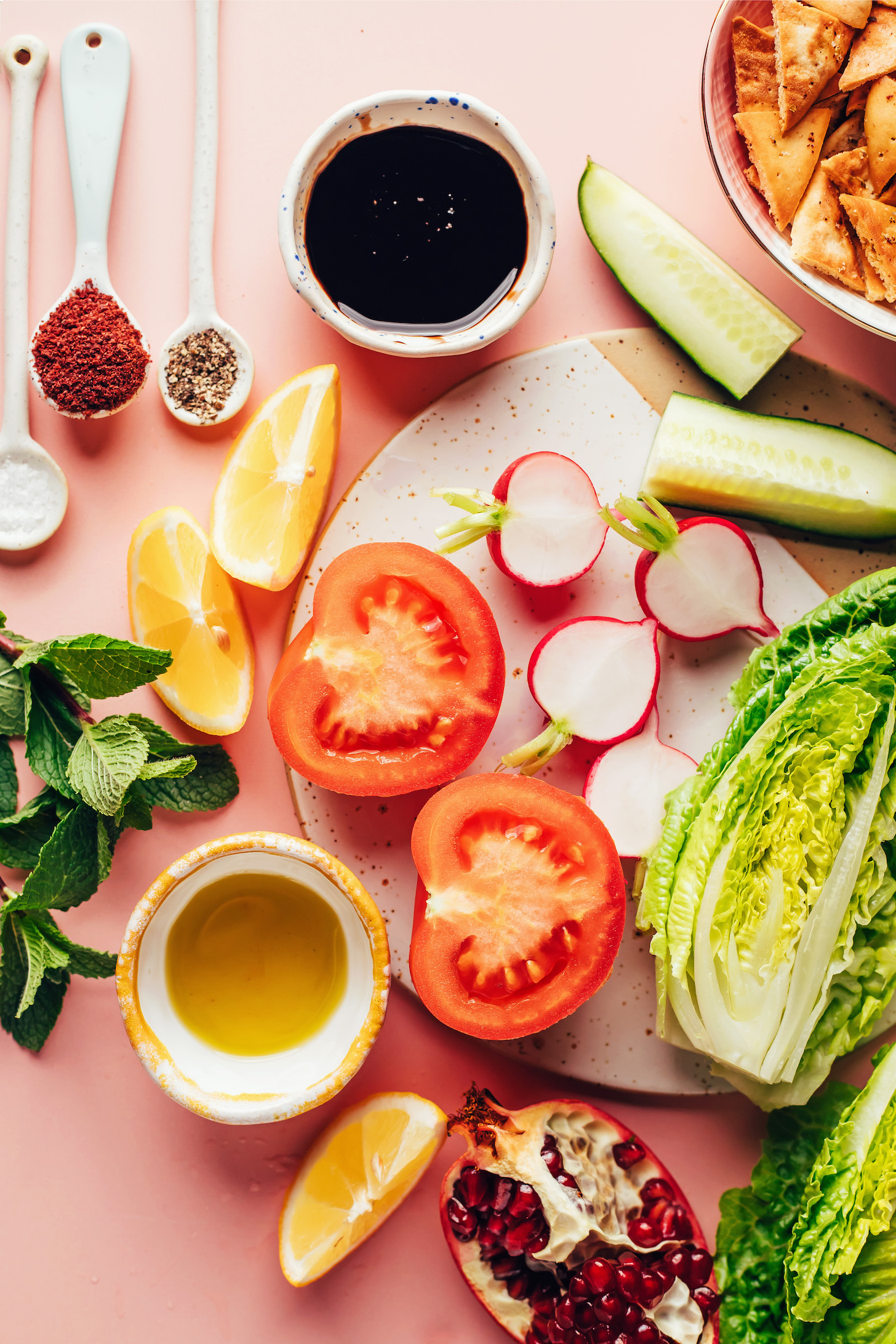
The efficacy of a 20-minute Fattoush depends on the selection of high-quality, "bright" ingredients that provide a contrast in textures.
The Vegetable Base
The modern adaptation utilizes chopped romaine lettuce for its neutral flavor and structural integrity. Unlike softer greens, romaine maintains its "crunch" even after being tossed with an acidic dressing. Culinary experts recommend the use of Persian or Lebanese cucumbers, which possess thinner skins and smaller seeds than the common English or slicing varieties, resulting in a more concentrated flavor and less water release.
The Acidic Profile: Sumac and Pomegranate Molasses
The dressing is a study in layered acidity. Rather than relying solely on lemon juice, the recipe employs pomegranate molasses—a thick, dark syrup created by reducing pomegranate juice. This ingredient adds a "tart-sweet" dimension that balances the sharp, citrusy notes of the sumac. In the absence of store-bought pomegranate molasses, a reduction of pomegranate juice and sugar can be prepared, though the one-bowl method encourages the use of ready-made high-quality syrups to maintain the 20-minute timeline.
The Bread Element
While traditional recipes often fry pita bread in oil, the modern healthy alternative favors toasted pita chips. For those with dietary restrictions, the emergence of gluten-free pita options—such as those made from grain-free flours or stone-baked gluten-free blends—allows the dish to be categorized as an inclusive, vegan, and optionally gluten-free meal.
Chronology of Preparation: The 20-Minute Workflow
The transition from a multi-step traditional process to a single-bowl method requires a specific chronological order to ensure ingredient freshness and texture.
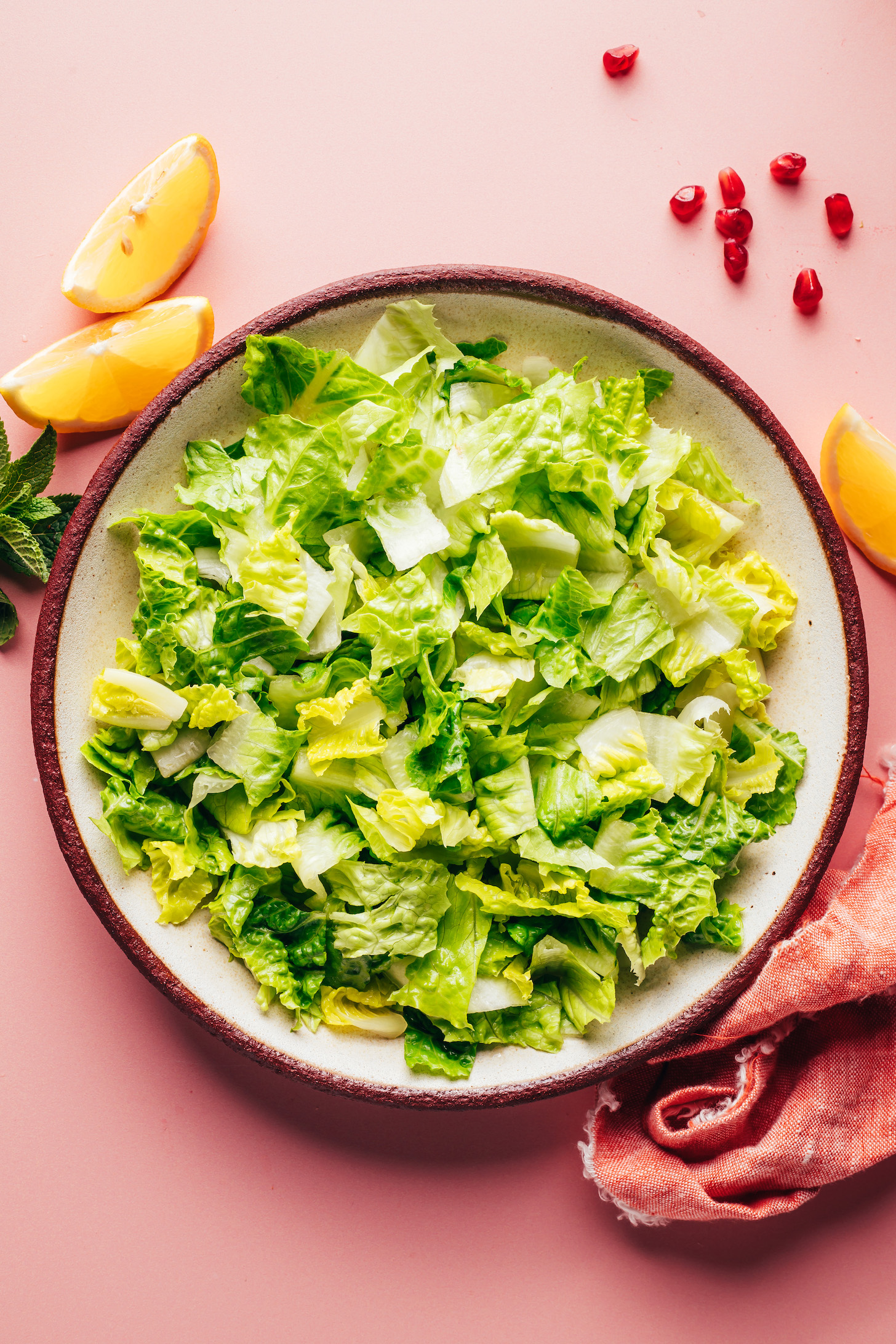
- Preparation of the Base (Minutes 0-7): The process begins with the washing and chopping of the romaine lettuce, followed by the dicing of cucumbers, tomatoes, and radishes. Maintaining uniform sizes for the vegetables ensures a consistent mouthfeel and even distribution of the dressing.
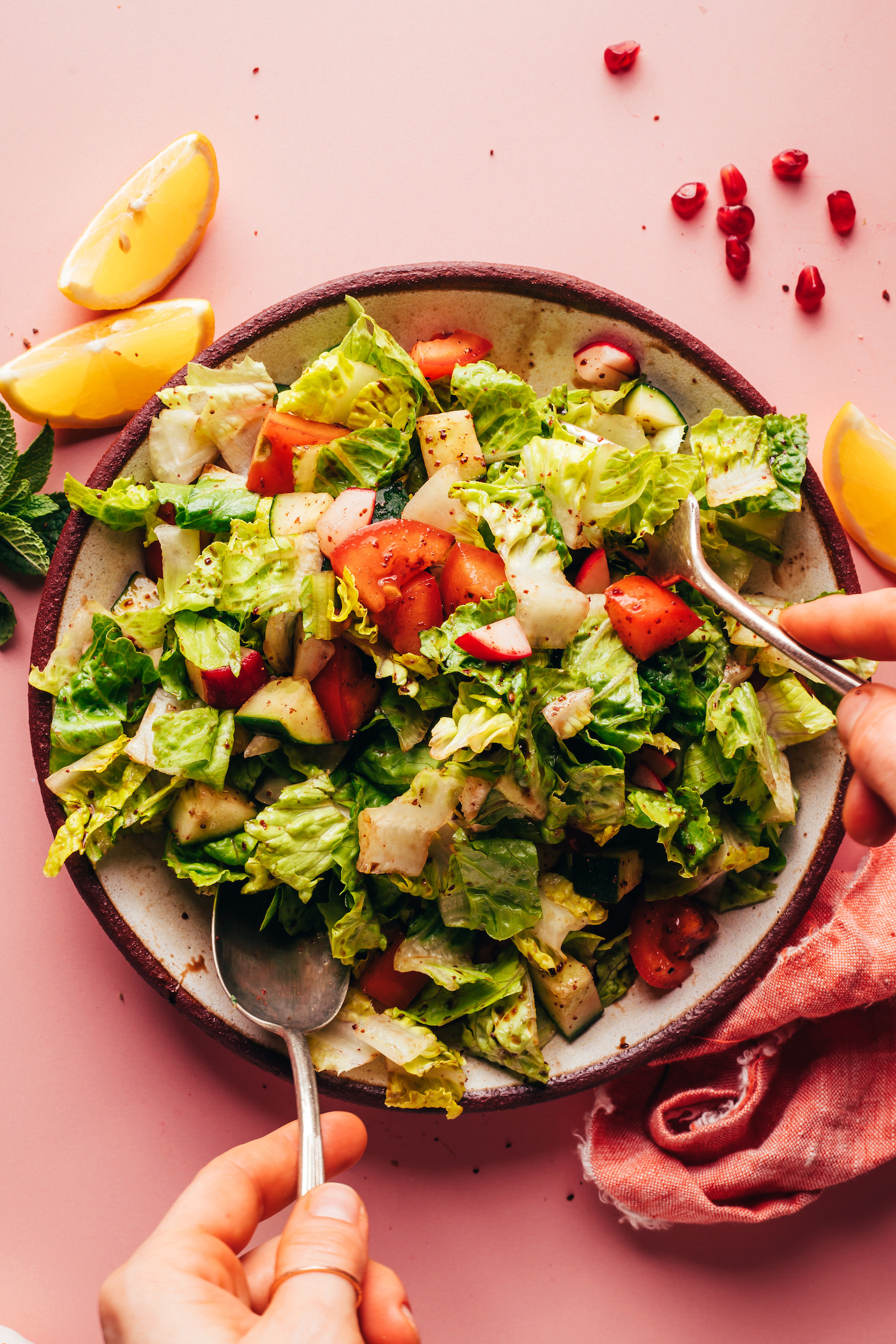
- The "No-Mix" Dressing Technique (Minutes 8-12): Unlike traditional vinaigrettes that require emulsification in a separate vessel, the one-bowl method involves layering the lemon juice, pomegranate molasses, sumac, salt, and pepper directly over the vegetables. Tossing the ingredients at this stage allows the vegetable juices to mingle with the molasses, creating a natural emulsion.
- Aromatic Integration (Minutes 13-15): Fresh mint leaves are added late in the process. Keeping the leaves whole or torn into large pieces prevents bruising and preserves the volatile oils that provide the refreshing herby scent.
- The Final Assembly (Minutes 16-20): The pita chips and pomegranate arils are added immediately before serving. This timing is critical; adding the bread too early results in sogginess, a common failure in poorly executed Fattoush.
Market Trends and the Rise of "One-Bowl" Mediterranean Meals
The popularity of the "Easy Fattoush" recipe reflects broader trends in the global food industry. According to market research, the Mediterranean diet market is expected to grow significantly through 2030, driven by a consumer shift away from processed foods toward "whole-food, plant-based" (WFPB) options.
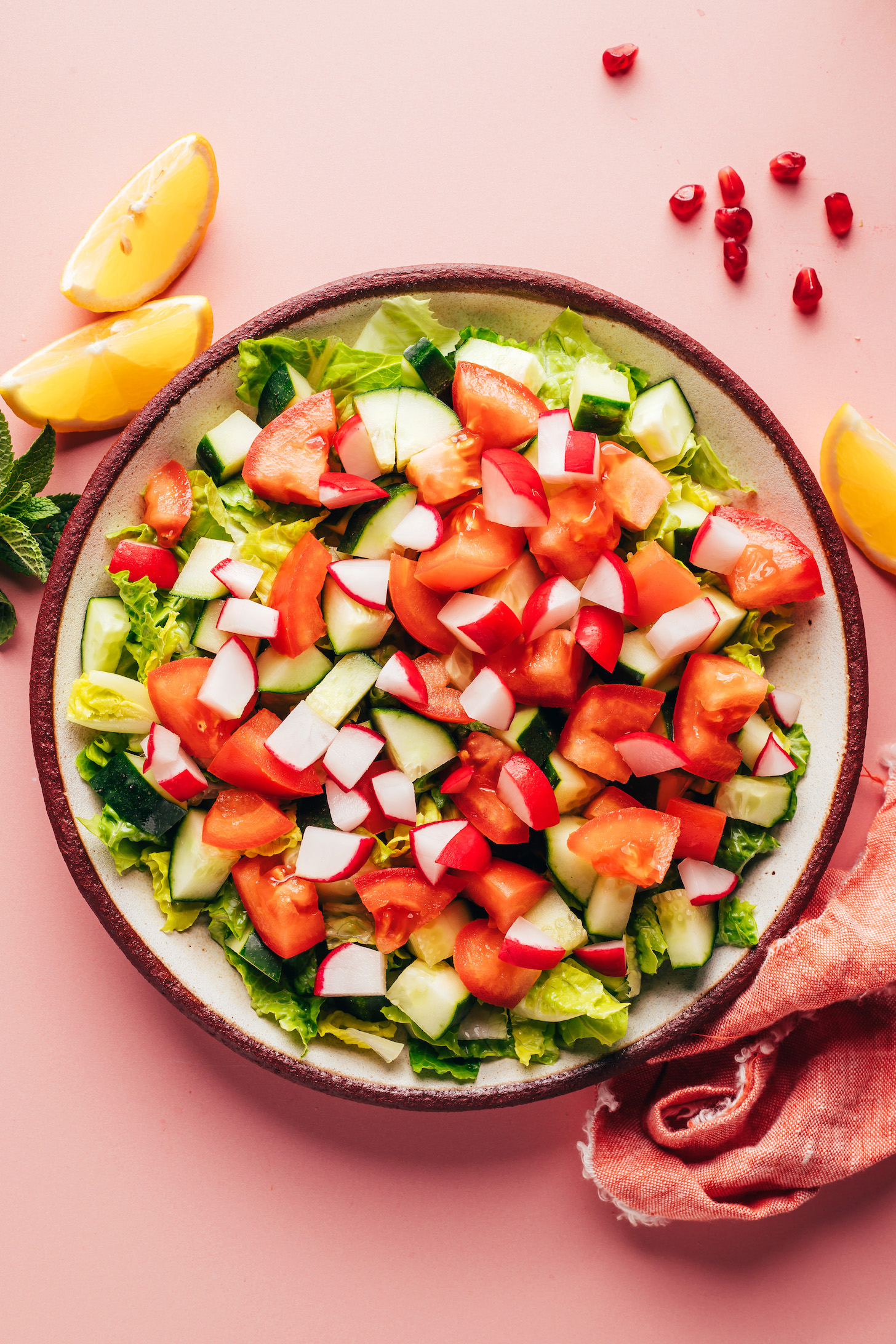
The "one-bowl" movement, specifically, addresses the "time-poverty" experienced by modern workers. By reducing the number of dishes required and simplifying the preparation to under half an hour, international cuisines that were once reserved for weekend cooking or restaurant dining are becoming weeknight staples. Furthermore, the versatility of Fattoush—allowing for the addition of chickpeas or grilled proteins—aligns with the "bowl-meal" trend that has dominated fast-casual dining for the last decade.
Implications for Sustainable Cooking and Food Waste
Beyond its nutritional and flavor benefits, the resurgence of Fattoush-style recipes highlights an important dialogue regarding food sustainability. The core philosophy of the dish—repurposing day-old bread—addresses the global issue of food waste. In the United States alone, it is estimated that nearly 40% of the food supply is wasted, with bread being one of the most frequently discarded items. By encouraging the use of "day-old" flatbread to create homemade pita chips, the recipe promotes a "zero-waste" kitchen mentality.
Additionally, the reliance on seasonal produce encourages consumers to engage with local food systems. The flavor of Fattoush is exponentially enhanced when using vine-ripened tomatoes and garden-fresh mint, providing a tangible incentive for consumers to shop at farmers’ markets or maintain home herb gardens.
Concluding Analysis
The Easy Fattoush Salad represents more than just a convenient meal; it is a bridge between ancient Levantine culinary wisdom and the logistical realities of the 21st century. By deconstructing the traditional elements of the dish and reassembling them into a streamlined, one-bowl format, the recipe preserves the cultural identity of the Levant while catering to the nutritional and temporal needs of a global audience.
As the culinary world continues to prioritize health, speed, and sustainability, dishes like Fattoush serve as a blueprint for the future of home cooking. They demonstrate that "fast food" can be synonymous with "fresh food," and that the most satisfying meals are often those that find harmony between the crunch of a toasted chip, the tartness of a berry-based spice, and the refreshing crispness of a well-grown vegetable. This 20-minute adaptation ensures that the "crumbs" of history remain a vibrant part of the modern table.