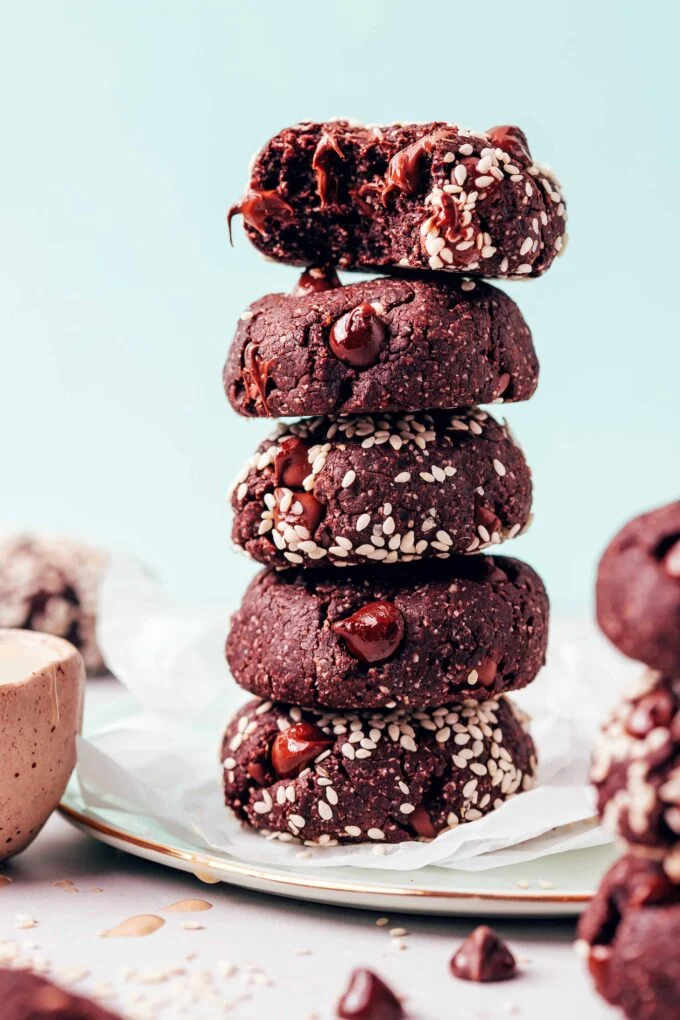

The global culinary landscape is currently witnessing a significant shift toward "clean-label" confectionery, where the traditional boundaries of dessert making are being redefined by dietary inclusivity and preparation efficiency. A primary example of this evolution is the recent release of a specialized chocolate tahini cookie formulation that prioritizes a minimalist approach to ingredients while maintaining a complex flavor profile. This specific recipe, designed to be completed in a single bowl within a 20-minute window, highlights the growing consumer demand for plant-based, gluten-free, and oil-free alternatives that do not compromise on the sensory experience typically associated with high-fat, high-sugar baked goods.

The Intersection of Nutrition and Efficiency
The development of this recipe serves as a response to the "one-bowl" movement, a trend in home baking that emphasizes the reduction of labor and cleanup without sacrificing the quality of the final product. By utilizing only eight primary ingredients—almond flour, tapioca starch, cocoa powder, baking soda, sea salt, tahini, maple syrup, and chocolate chips—the formula addresses the needs of a modern workforce that seeks artisanal-quality snacks with minimal time investment.
From a nutritional standpoint, the cookies provide a notable 5.2 grams of protein per serving, a figure that exceeds many traditional flour-based cookies. This is largely attributed to the use of almond flour and tahini, the latter being a paste made from toasted ground hull-less sesame seeds. The inclusion of these nutrient-dense fats allows for the total exclusion of processed oils and butter, aligning the recipe with the heart-healthy Mediterranean diet principles that have gained traction in Western markets over the last decade.

Chronology of Recipe Development
The path to the current chocolate-infused iteration began with the success of a predecessor: the "Easy Tahini Cookie." According to development notes from the Minimalist Baker test kitchen, the original recipe was a staple for home bakers seeking a vegan and gluten-free alternative to the classic peanut butter cookie. The decision to evolve this recipe into a "double chocolate" version was driven by the observation of flavor synergies between the bitterness of sesame and the richness of dark cocoa.
The development timeline can be broken down into three distinct phases:

- Phase I: The Base Foundation. Developers utilized the proven ratio of tahini to maple syrup, which creates a natural emulsion capable of replacing eggs and oil. This phase confirmed that the "fudgy" texture of a brownie could be replicated in a cookie format through the precise balance of liquid sweeteners and seed fats.
- Phase II: The Cocoa Integration. The introduction of cocoa powder required a recalibration of dry-to-wet ratios. Because cocoa powder is highly absorbent, the inclusion of tapioca starch became critical to ensure the cookies remained "pillowy" rather than crumbly.
- Phase III: Consumer Testing and Refinement. The final stage involved optimizing the baking time to exactly 10 minutes at a moderate temperature (approximately 325°F or 162°C) to ensure the exterior achieved a slight crispness while the interior remained tender.
Supporting Data and Ingredient Analysis
The success of the Fudgy Chocolate Tahini Cookie is rooted in the chemical interactions of its gluten-free components. Understanding these interactions provides insight into why this recipe has become a benchmark for allergen-friendly baking.
- The Role of Tahini: Unlike peanut butter, which can be overly dominant in flavor, tahini offers a nutty, slightly bitter undertone that enhances the profile of dark chocolate. In this recipe, the tahini acts as the primary lipid source, providing monounsaturated and polyunsaturated fats.
- The Binder System: In the absence of gluten and eggs, the combination of maple syrup and tapioca starch is essential. When heated, the sugars in the maple syrup undergo caramelization, while the tapioca starch provides the necessary "chew" and structural integrity.
- The Leavening Agent: Baking soda reacts with the slight acidity of the cocoa powder and the maple syrup to create carbon dioxide bubbles, which gives the cookie its rise despite the weight of the almond flour.
Statistically, the recipe’s caloric density is 202 calories per cookie. While this is comparable to a standard cookie, the macronutrient distribution is significantly different. With 12.9 grams of fat (primarily from sesame and almonds) and 3.3 grams of fiber, these cookies offer a lower glycemic impact than those made with refined white flour and cane sugar.

Market Context: The "Tahini Renaissance"
The rise of tahini-based desserts is not an isolated phenomenon but part of a broader "Tahini Renaissance" in the global food industry. Market research indicates that the global sesame seed market is projected to grow at a CAGR of 2.2% through 2028, fueled by the rising popularity of Middle Eastern cuisine and the increasing adoption of veganism.
Tahini has transitioned from a savory condiment used in hummus and baba ganoush to a versatile "superfood" ingredient in the confectionery sector. This shift is supported by consumer perception of sesame as a "healthy fat." The Fudgy Chocolate Tahini Cookie represents the pinnacle of this trend, moving tahini into the mainstream "comfort food" category alongside chocolate and vanilla.

Procedural Standards for Preparation
The recipe adheres to a strict procedural flow designed to maximize the efficacy of the one-bowl method:
- Emulsification: The process begins with the whisking of tahini and maple syrup. This step is crucial; the two liquids must reach a homogenous, caramel-like consistency before dry ingredients are introduced to prevent separation during the baking process.
- Dry Integration: Almond flour, tapioca starch, cocoa powder, baking soda, and salt are added directly to the wet mixture. This sequence prevents the over-aeration of the dough, which is vital for maintaining a fudgy, brownie-like texture.
- Inclusion of Solids: Semi-sweet chocolate chips are folded in last. The choice of chips provides localized "pockets" of melted chocolate, contrasting with the uniform cocoa flavor of the dough.
- Thermal Processing: The cookies are scooped into rounded tablespoons and baked for 10 minutes. A critical instruction in the recipe is the cooling period; because the cookies are oil-free and gluten-free, they require at least 5 minutes of cooling on the baking sheet to allow the starches to set.
Broader Impact and Implications for the Food Industry
The release of simplified, high-quality recipes like the Fudgy Chocolate Tahini Cookie has broader implications for both the digital media landscape and the commercial food industry.

First, it highlights the power of digital-first culinary brands in shaping consumer habits. Platforms like Minimalist Baker have effectively bypassed traditional cookbook publishing timelines to provide "real-time" solutions to dietary trends. This agility allows for the rapid dissemination of recipes that address specific health concerns, such as the need for egg-free or gluten-free options.
Second, the "freezer-friendly" nature of this recipe (the dough can be stored for up to two months) reflects a shift toward "batch cooking" and food waste reduction. By providing instructions on how to bake smaller batches from frozen dough, the recipe encourages portion control and reduces the likelihood of product spoilage.

Finally, the success of such recipes puts pressure on commercial snack manufacturers to clean up their ingredient lists. As home bakers realize they can produce a 5-gram protein, 8-ingredient cookie in 20 minutes, the demand for highly processed, preservative-laden commercial alternatives is likely to decrease.
Conclusion and Future Outlook
The Fudgy Chocolate Tahini Cookie is more than a simple dessert; it is a technical achievement in the field of minimalist baking. By leveraging the natural properties of sesame and almonds, the recipe provides a nutrient-dense, allergen-friendly alternative to traditional sweets. As the culinary world continues to move toward transparency and simplicity, the one-bowl, plant-based model is expected to become the standard for the next generation of home and professional bakers alike. The integration of global ingredients like tahini into classic Western formats like the chocolate chip cookie suggests a future where the global pantry is more accessible, healthy, and efficient than ever before.