
Today, the landscape of personal health management has been irrevocably transformed by a proliferation of wearable technology. From smartwatches to ring trackers, sophisticated devices are now capable of measuring an unprecedented array of biometric data, including heart rate, step count, exercise intensity, and sleep quality, often consolidated into a single, sleek unit. This technological revolution has ushered in an era where the subjective feeling of wellness is increasingly complemented, and sometimes challenged, by objective, quantifiable metrics.
The core promise of these devices lies in their ability to bridge the often-unreliable gap between an individual’s perception of their health and the cold, hard data of their physiology and behavior. While human subjective feelings and assessments are undeniably crucial for overall well-being, they are not always the most precise or accurate indicators. Our inherent biases and limitations in quantifying experiences with exactitude can lead to significant discrepancies. For instance, a common anecdote recounts a colleague who, convinced he was adhering to a strict caloric intake, discovered through meticulous tracking that an additional 500 calories daily were inadvertently consumed through condiments like barbecue sauce. This highlights a fundamental human challenge: accurately perceiving and quantifying our own habits and biological responses without external aid.
Yet, there are outliers, individuals with an almost preternatural ability for self-assessment. Canadian sprinter Ben Johnson was famously reported to be able to predict his 100-meter sprint time within a tenth of a second of the official stopwatch readout. While such a feat represents an extraordinary level of bodily awareness, it naturally prompts a broader inquiry into personal accuracy: How adept are individuals at assessing their own physiological states and behavioral patterns? More importantly, how can the judicious application of technology, such as fitness trackers, serve to enhance this accuracy, thereby enabling more informed health decisions? This article delves into the current state of self-tracking technology, its accuracy, its utility, and strategies for leveraging it to foster a deeper, more precise understanding of one’s own health.
The Evolution of Self-Tracking: A Brief Chronology
The concept of monitoring one’s health is not new, but its methods have undergone a profound transformation. For millennia, humans relied on rudimentary sensory observations: checking pulse, observing skin color, or noting changes in energy levels. The advent of scientific medicine brought more objective tools, such as thermometers in the 17th century and stethoscopes in the early 19th century, marking the first steps towards external quantification.
The modern era of personal health tracking began to take shape in the late 20th century. Basic pedometers, initially mechanical, gained popularity, offering a simple count of daily steps. The 1970s saw the introduction of early heart rate monitors, primarily for athletes. However, it was the digital revolution of the 21st century that truly democratized self-tracking.
- Early 2000s: Simple digital pedometers and basic heart rate monitors became more accessible. The "Quantified Self" movement emerged, advocating for self-knowledge through numbers.
- Late 2000s: Smartphones, with their integrated accelerometers and GPS capabilities, enabled the rise of health and fitness apps, turning everyday devices into tracking tools.
- Early 2010s: Dedicated wearable fitness trackers like Fitbit and Jawbone entered the market, offering specialized sensors for activity, sleep, and sometimes heart rate. These devices were often simplistic but sparked mass consumer interest.
- Mid-2010s onwards: The introduction of smartwatches by major tech companies like Apple and Garmin integrated advanced biometric sensors, offering comprehensive health suites. Concurrently, specialized devices like the Oura Ring focused on sleep and recovery, while continuous glucose monitors (CGMs) began to bridge the gap between medical and consumer-grade tracking, moving beyond diabetes management to "biohacking" and performance optimization.
This trajectory showcases a clear movement towards miniaturization, increased sensor sophistication, and the integration of artificial intelligence for data interpretation, making self-assessment more detailed and actionable than ever before.
Understanding the Accuracy of Health Trackers
The utility of any data-driven approach hinges on the reliability of its input. When it comes to personal health trackers, the accuracy of the data varies significantly across devices and metrics. Not all data is created equal, influenced by both hardware capabilities and the sophistication of underlying software algorithms and datasets.
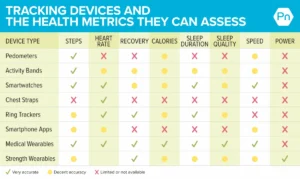
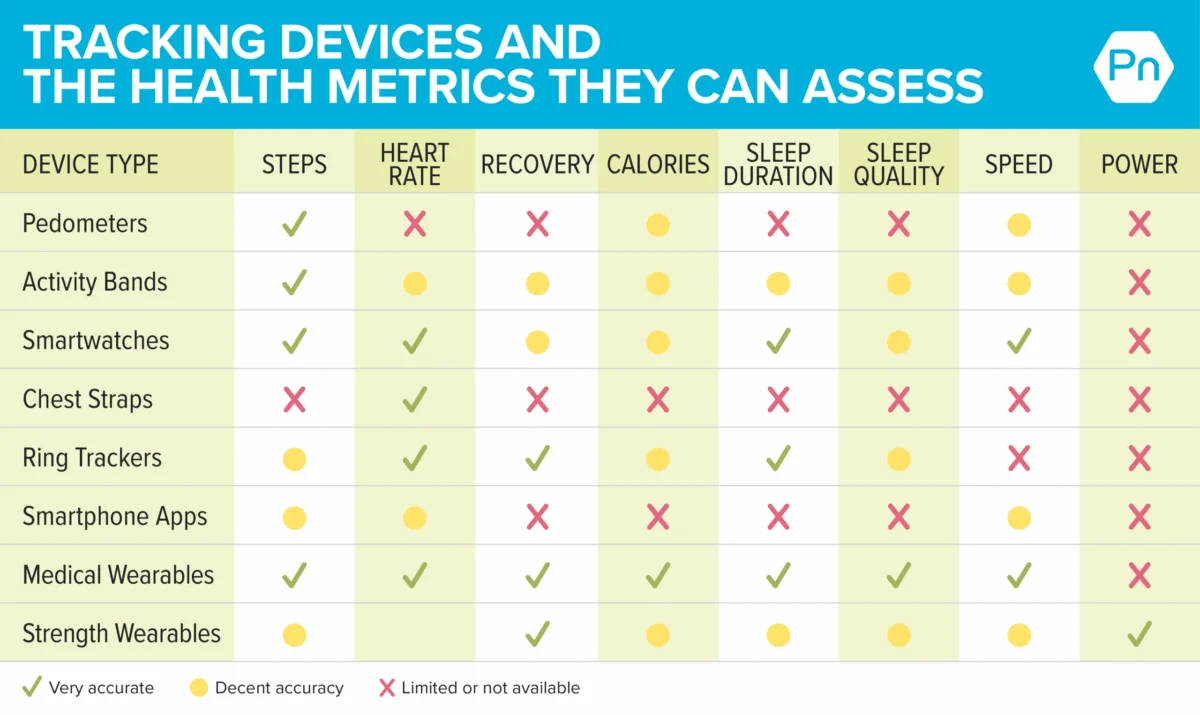
Generally, core metrics like heart rate and step count are considered relatively reliable across most reputable devices. Studies often show high correlation between optical heart rate sensors (common in wrist-worn devices) and medical-grade electrocardiograms (ECGs) during rest and moderate activity. Similarly, accelerometers for step counting have achieved a high degree of precision in controlled environments.
However, the margin for error expands considerably for other types of outputs. Metrics such as calories burned, movement velocity, and particularly sleep stage differentiation (REM, deep, light sleep) have substantial limitations. Calorie expenditure, for example, is highly individualized, depending on factors like basal metabolic rate, body composition, and exercise intensity, making it difficult for a wrist-worn device to accurately estimate without more direct physiological measurements. Even professional fitness trackers may only provide estimates within a 10-20% margin of error for calorie burn. Sleep stage tracking, while improving, still faces challenges in accurately discerning brainwave patterns that define sleep stages, often relying on heart rate variability and movement which are indirect indicators.
For a clearer understanding, consider the typical reliability spectrum:
- Very Accurate: Steps, basic heart rate (especially at rest/moderate activity).
- Decent Accuracy: Recovery metrics (derived from HR variability), sleep duration.
- Limited Accuracy/High Variability: Calories burned, sleep quality/stages, speed, power (without specialized sensors).
Consumers are advised to consult independent reviews and research studies when evaluating the accuracy claims of specific devices and brands. For those seeking in-depth analysis on this topic, resources like "Are Fitness Trackers Worth It?" often provide comprehensive breakdowns of various progress indicators and device performance.

The Information Paradox: When Tracking Helps and Harms
The proliferation of data from tracking devices presents a unique paradox: while they offer unprecedented insights into our bodies and behaviors, an excessive volume of information can be detrimental to decision-making. Samantha Kleinberg, a computer scientist specializing in decision-making, notes that "even a tiny amount of surplus information has a big negative effect on our decision-making." This phenomenon, often referred to as "analysis paralysis," suggests an inverted U-shaped relationship between the amount of relevant information and the ability to make effective decisions. There is a "sweet spot" where just enough information empowers, but too little or too much can equally hinder.
In today’s data-rich environment, it is surprisingly easy to cross the threshold into information overload. Consider the overwhelming experience of sifting through hundreds of online reviews for a simple product or service; the quest for the "perfect" choice can lead to indecision and frustration. In health and fitness, where the market constantly pushes for more "science-backed," "customized," and "complex" solutions, this saturation is particularly acute. When faced with a blur of data lacking clear direction, individuals must critically evaluate whether the tracking genuinely contributes to their well-being and performance.
A simple heuristic question can guide this evaluation: Does tracking increase my wellbeing and performance? A clear "yes" or "no" provides immediate direction. However, for those in a more ambiguous state, three key signs can help determine if tracking is a beneficial tool or an unnecessary burden.
Sign #1: Tracking Reduces Stress and Validates Methods
When data aligns with desired outcomes or validates a chosen strategy, it can significantly reduce anxiety and build confidence. Consider Zak, a high-performing individual who embraced Zone 2 cardio at his coach’s recommendation. Despite the logical benefits, Zak, accustomed to high-intensity training, found it difficult to trust that an "easy" effort could be effective. His heart rate monitor, however, provided objective reassurance. As weeks passed, he observed a consistent drop in his resting heart rate and quicker recovery times from intense runs. This concrete data allowed Zak to relax into the process, leading to further improvements.
In such cases, tracking devices serve as powerful calibrators, aligning subjective perception with objective reality. For coaches, recognizing clients like Zak—those who are capable but harbor self-doubt—means tracking can be a valuable tool to build confidence and mitigate feelings of inadequacy. Expert assurance, when bolstered by reliable data, becomes undeniably potent. This principle is also evident in the rising use of continuous glucose monitors (CGMs) by individuals without diabetes, aiming to "optimize" blood sugar levels. While potentially validating certain food choices, their utility is highly individual and can, in some contexts, become a source of unnecessary stress.
Bad omen: Tracking becomes counterproductive when it increases stress without tangible upside, particularly when reporting on factors largely beyond immediate control. A new parent, sleep-deprived due to a newborn, receiving consistently "poor sleep quality" scores from a tracker, exemplifies this. Such data, while accurate, offers no actionable insight in that specific circumstance and merely compounds existing stress. Tracking has a time and place; when circumstances or priorities shift, it may be prudent to pause or discontinue monitoring until it can genuinely contribute positively.
Sign #2: Clear Data Feedback Enhances Motivation and Ability
According to B.J. Fogg’s Behavior Model, for a behavior to occur, three elements are necessary: motivation, ability, and a prompt. Fitness trackers excel when individuals possess sufficient motivation and ability but lack a consistent prompt to trigger the desired behavior.
Take Margaret, who regularly consumed wine, believing it aided her sleep. Upon using a sleep tracker, she observed a clear correlation: her sleep quality scores were significantly lower on nights she imbibed. This objective data—her sleep score—served as a powerful prompt, leading her to adjust her evening routine. By highlighting critical data, trackers can clarify the path to better choices. Often, a single, impactful piece of data is all it takes to initiate behavioral change, embodying the adage, "Once you see it, you can’t un-see it." This concept has driven many, including Precision Nutrition’s CEO Tim Jones, to leverage lifestyle trackers to make profound changes, such as reducing genetically high cholesterol levels, ultimately enriching their lives beyond mere numbers.
Bad omen: Conversely, data collection can erode motivation and ability when it shifts focus from intrinsic enjoyment to external metrics, leading to burnout. Jan, an avid recreational cyclist, initially found motivation in breaking local trail records. However, his relentless pursuit of speed led to under-recovery and ultimately, a loss of enjoyment in cycling. When workouts transform from an experiential activity into a mere chase for numbers, neglecting technique, enjoyment, or overall well-being, tracking likely ceases to be beneficial. This scenario illustrates how an overemphasis on quantitative goals can undermine the very passion that drives participation.
Sign #3: Tracking Fosters Deeper Self-Understanding
The common adage "the harder you work, the better your results" is not always accurate. This belief can lead "grinders" into cycles of overtraining, where fatigue accumulates without commensurate performance gains, potentially even inhibiting progress. Conversely, many individuals chronically underestimate their effort and capacity, missing opportunities to push their limits safely and effectively. In both scenarios, objective data can help individuals more accurately gauge their potential and optimize their efforts.
Consider High-Intensity Interval Training (HIIT). While HIIT protocols often prescribe fixed work and rest periods, these rest durations are typically estimates. Heart rate data, however, can provide a more individualized picture of actual recovery needs, which may be faster or slower than anticipated. This allows for dynamic adjustment, ensuring optimal physiological readiness for the next effort. Sometimes, the mind’s eagerness outpaces the body’s recovery, a discrepancy trackers can illuminate. A skilled coach leverages such real-time metrics (output, fatigue, recovery) to prevent clients from entering the "junk volume" zone—where effort leads to fatigue but not improved performance—thereby ensuring efficient training and recovery.

Bad omen: An over-reliance on data risks severing the connection with one’s own internal senses. The "Great My Fitness Pal Blackout" of 2019, when a popular calorie-tracking app with millions of users went offline, served as a stark reminder for many. Individuals who meticulously tracked every macro and calorie suddenly felt adrift, unable to make dietary decisions without external validation. This mild panic highlighted how dependence on an app had overridden internal hunger and fullness cues. Such disconnection can extend to energy levels, fatigue, and other critical bodily signals. The phenomenon of "nomophobia"—the fear of being without one’s mobile phone—underscores the broader psychological impact of over-reliance on technology for self-regulation. Cultivating a healthier relationship with tech involves re-prioritizing internal signals alongside external data.
Calibrating Senses with Sensors: Three Practical Strategies
While objective data provides invaluable feedback, the full benefits of any health practice—enjoyment and sustainable results—are only realized when individuals maintain a strong connection to their felt experience. Motivation rooted purely in extrinsic goals (like scale numbers or performance metrics) can falter during inevitable plateaus or regressions. Conversely, those who cultivate mindfulness, mastery, meaning, and a sense of personal success in their practices develop greater resilience and sustained enjoyment. Fortunately, fitness trackers can be actively used to improve one’s ability to accurately sense what is happening within their body.
Here are three strategies to harmonize internal awareness with external data:
1. Prioritize Internal Check-ins Before External Data Review
Imagine asking someone about their vacation, only for them to pause and consult their photos before answering. This analogy reflects the pitfall of relying solely on external data for one’s own experience. Whether assessing how far one biked, calorie consumption, or heart rate, the most mindful approach is to first pause, take a breath, and consciously tune into one’s internal sensations and brain’s predictive capabilities. Before glancing at the device, ask: "How do I feel? What do I think my heart rate is? How many steps do I believe I took?"
Once this self-assessment is made, then compare it to the detailed, objective outputs of the fitness tracker. This deliberate calibration process, repeated over time, can significantly narrow the gap between subjective perception and objective reality, enhancing interoceptive accuracy. It is also crucial to regularly update tracking apps, as algorithms and datasets are continually refined for improved predictive accuracy.
2. Develop Mental Shortcuts to Supplement Objective Measures
Coaches often challenge individuals to estimate their physiological limits, such as the number of repetitions they can perform until muscular failure at a given weight. Novices typically exhibit poor accuracy, often misjudging by five or more reps. However, consistent use of objective trackers, combined with focused self-reflection, can dramatically reduce this margin of error.
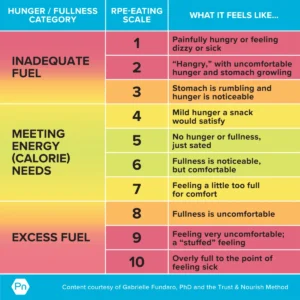
While advanced tools like accelerometers or blood lactate measurements exist, simpler mental shortcuts can be equally effective. Coaches might ask, "For a million dollars a rep, how many more reps do you think you could do?" This hypothetical, while not objective, serves as a powerful prompt for clients to tap into their perception of maximal effort. This leverages the Rate of Perceived Exertion (RPE)—an individual’s subjective assessment of exercise intensity—a highly validated sensory-driven approach in sports science. Although not everyone is initially adept at estimating RPE, consistent mapping of felt experience against objective data (like heart rate or weight lifted) allows most people to refine this crucial skill.
3. Continuously Cultivate and Refine Your Innate Sensory Capabilities
Humans are equipped with an incredibly sophisticated sensory network, far exceeding the capabilities of any single wearable device. While trackers utilize accelerometers, GPS, and gyroscopes to gather data on speed, distance, and motion, the human body possesses:
- Exteroception: Senses external stimuli (vision, hearing, touch, taste, smell).
- Proprioception: Awareness of body position and movement in space.
- Interoception: Awareness of internal bodily states (hunger, thirst, fatigue, pain, heart rate, respiration).
- Vestibular Sense: Balance and spatial orientation.
This rich, interconnected network feeds into the powerful pattern-recognition machinery of the nervous system. To continuously hone the ability to utilize this information, individuals must regularly check in with what and how they are feeling across various domains of their lives. By consciously engaging with these internal signals and periodically calibrating them with objective data from wearables, individuals can leverage the cutting-edge advancements in technology while ensuring their personal experience remains central to their health journey. This integrated approach leads to a more holistic, resilient, and enjoyable path to well-being.
Broader Impact and Future Implications
The integration of wearable technology into daily life carries significant broader implications for individual health management and societal norms. Beyond mere tracking, the future promises more predictive analytics, where AI algorithms, fed by continuous biometric data, could identify health risks before symptoms manifest, leading to truly personalized preventive medicine. This paradigm shift could empower individuals with unparalleled agency over their health trajectories.
However, this future also brings ethical considerations. Data privacy and security become paramount as sensitive health information is collected and analyzed. The potential for discrimination based on health data, or the pressure to conform to "optimal" biometric scores, represents challenges that require careful navigation through policy and technological safeguards. The pervasive nature of self-tracking could fundamentally alter our relationship with health, wellness, and even our sense of identity, pushing us towards a more data-driven existence. Understanding how to wisely use these tools, balancing objective insights with subjective wisdom, will be crucial in shaping a healthier, more informed future.