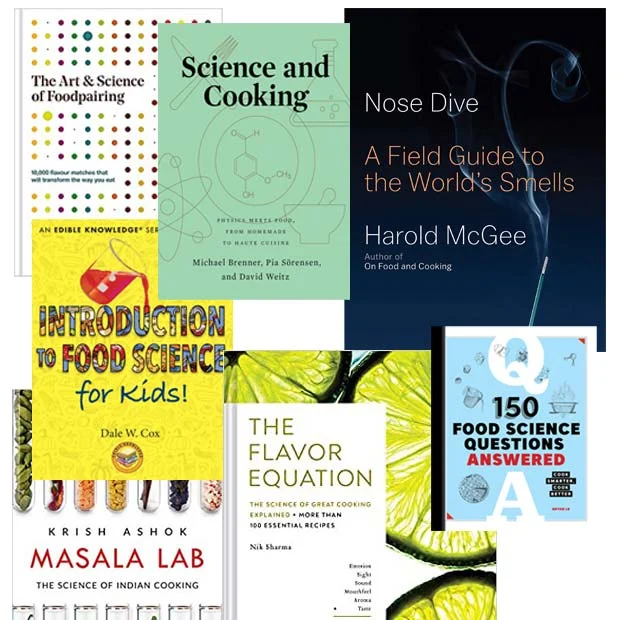

After an extended hiatus from actively curating literary recommendations, the influential Khymos blog has re-emerged to spotlight a selection of books published in 2020 that delve into the fascinating intersection of food and science. Known for its dedication to molecular gastronomy and the scientific underpinnings of cooking, Khymos’s return to book reviews, the first since 2013, signals a renewed commitment to guiding enthusiasts and professionals alike through the burgeoning landscape of culinary science literature. This curated list emphasizes works that offer a "scientific touch," ranging from practical recipe collections infused with scientific insights to comprehensive academic explorations of flavor and smell.
The Resurgence of Food Science in Popular Literature
The past decade has witnessed a significant surge in public interest surrounding the science of food. What was once a niche academic pursuit or the domain of avant-garde chefs has now permeated mainstream culinary discourse, thanks in part to pioneers like Harold McGee, whose seminal work On Food and Cooking: The Science and Lore of the Kitchen (first published in 1984, but consistently updated and influential) demystified kitchen processes for a generation. This growing appetite for understanding why food behaves the way it does, how flavors develop, and what makes certain ingredients compatible has fueled a robust publishing market for books that bridge the gap between laboratory and kitchen. Educational initiatives, such as Harvard University’s "Science and Cooking" course, which has seen its lectures widely distributed online, have further cemented this field’s popular appeal, drawing in students and home cooks eager to elevate their culinary skills with scientific precision. The Khymos blog, historically a key voice in this movement, now brings its discerning eye back to this vibrant literary sector, focusing particularly on recent contributions that exemplify this scientific approach.
Deep Dive into 2020’s Premier Selections
The 2020 selection from Khymos showcases a diverse array of perspectives within food science, reflecting the multifaceted nature of the discipline. From practical recipe books that seamlessly integrate scientific explanations to profound explorations of human senses, these titles collectively represent the cutting edge of popular food science writing.
The Flavor Equation by Nik Sharma: A Recipe for Sensory Exploration
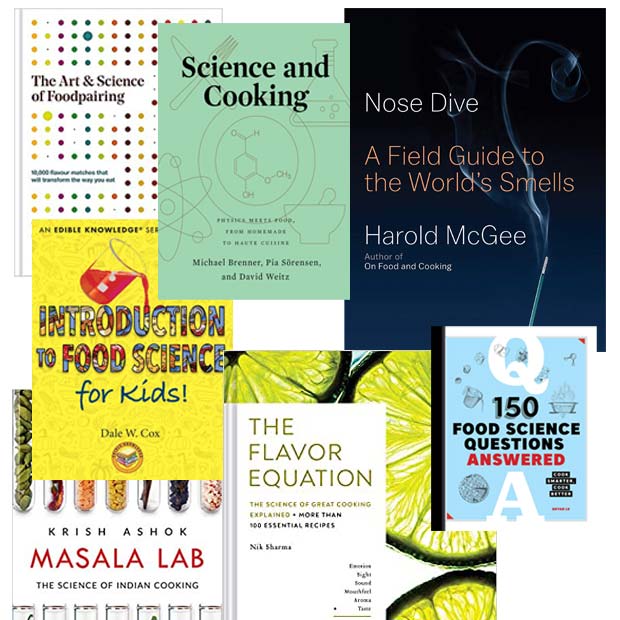
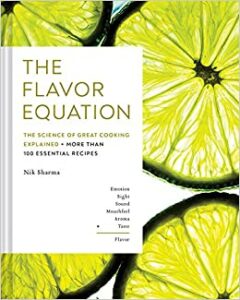
Nik Sharma’s The Flavor Equation stands out as a highly recommended title, lauded for its innovative approach to integrating scientific principles directly into culinary practice. Spanning 352 pages, the book presents approximately 100 recipes, each accompanied by a section titled "The Flavor Approach." This unique feature provides concise, actionable scientific hints tailored to the specific dish, explaining the chemical and physical processes at play. For instance, a recipe might explain how specific cooking temperatures affect protein denaturation or how acid levels influence flavor perception. Sharma’s ability to render complex scientific concepts easily accessible to the home cook is a significant achievement, making the science an inherent part of the cooking process rather than an intimidating add-on. The remaining third of the book is dedicated to a broader exploration of flavor from various perspectives, covering topics like aroma, taste, texture, and emotion, demonstrating how these elements combine to create a holistic eating experience. The inclusion of metric units is a practical bonus, catering to a global audience and reinforcing the precision often associated with scientific cooking. This book exemplifies how culinary creativity can be enhanced and informed by a foundational understanding of food science.
Harold McGee’s Nose Dive: A Field Guide to the World’s Smells: An Olfactory Odyssey
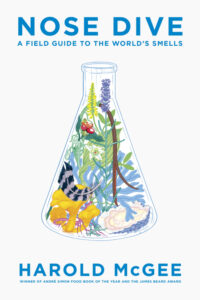
Harold McGee, a figure synonymous with the scientific exploration of food, contributes Nose Dive: A Field Guide to the World’s Smells, a monumental 688-page tome entirely dedicated to the sense of smell. While McGee’s previous work, On Food and Cooking, laid the groundwork for understanding the science of ingredients and cooking techniques, Nose Dive zeroes in on olfaction—a critical, yet often underappreciated, component of flavor perception. The book extends beyond the culinary realm, exploring smells from every conceivable source, from the natural world to synthetic compounds. Despite its comprehensive nature and the naming of numerous volatile molecules, the scientific content is presented in a manner that aims to inform rather than overwhelm, making it accessible to any reader with a genuine interest in the subject. This work underscores the profound impact of aroma on our experience of food and the world, offering a detailed and engaging journey into the invisible realm of scents. Its publication reinforces McGee’s status as a preeminent authority in popular food science, continuing his legacy of meticulous research and eloquent explanation. The note about differing UK and US covers subtly highlights the book’s broad international appeal and distribution.
Harvard’s Science and Cooking: Physics Meets Food, From Homemade to Haute Cuisine: Bridging Academia and the Kitchen
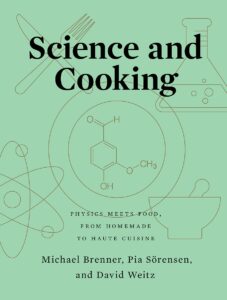
Authored by Michael Brenner, Pia Sørensen, and David Weitz, Science and Cooking: Physics Meets Food, From Homemade to Haute Cuisine is a 320-page distillation of the renowned Harvard University course of the same name. Initiated a decade prior to the book’s publication, the course became famous for bringing together leading chefs, scientists, and authors to explore the scientific principles behind culinary techniques. Many of these engaging lectures are freely available on YouTube, providing an extensive educational resource. The book mirrors this interdisciplinary spirit, drawing on the authors’ diverse backgrounds in applied mathematics, chemistry, and physics to illuminate food topics. It skillfully integrates rigorous scientific explanations with practical recipes, demonstrating how physics and chemistry govern everything from emulsification to caramelization. This work serves as an excellent resource for those seeking a deeper, academically informed understanding of cooking processes, showing how theoretical concepts translate into tangible culinary outcomes. The inclusion of metric units, once again, enhances its utility for a global audience of scientifically-minded cooks.
The Art and Science of Foodpairing by Peter Coucquyt, Bernard Lahousse, and Johan Langenbick: A Data-Driven Culinary Approach
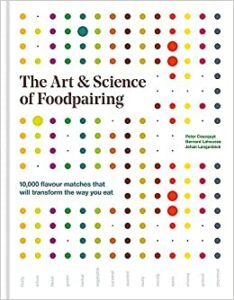
The Art and Science of Foodpairing, a 388-page volume by Peter Coucquyt, Bernard Lahousse, and Johan Langenbick, delves into the intriguing, often debated, concept of flavor pairing. Rooted in the extensive research conducted by the company Foodpairing, this book compiles years of data-driven analysis on molecular flavor compounds to suggest unconventional, yet harmonious, ingredient combinations. The Khymos blog notes a long-standing interest in this topic, referencing past interviews with Bernard Lahousse and reports from "The Flemish Primitives conferences," indicating a history of engagement with the methodology. While food pairing has faced criticism and is sometimes viewed as controversial within traditional culinary circles, its proponents argue for its scientific basis in shared volatile aroma compounds. The book explores where scientific analysis provides clear guidance and where artistic intuition takes over, ensuring that even skeptics will find inspiration for culinary experimentation. It represents a significant compilation of the Foodpairing company’s work, showcasing how analytical science can inform and expand the creative boundaries of the kitchen.
Masala Lab by Krish Ashok: Unpacking Indian Cuisine Scientifically
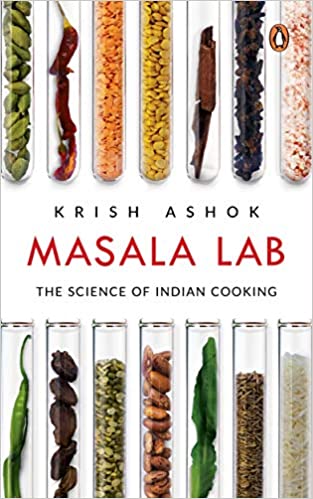
Masala Lab by Krish Ashok marks a crucial step forward in the scientific treatment of diverse global cuisines. This 280-page book applies a scientific lens to regional cooking, specifically Indian cuisine, a realm often characterized by complex traditional techniques passed down through generations. Ashok, an electronic and software engineer, brings a methodical and curious mind to the kitchen, seeking to demystify and optimize traditional Indian cooking methods through scientific understanding. The Khymos blog expresses particular delight in seeing such an approach applied to regional cuisines, highlighting the potential for scientific inquiry to enrich and innovate beyond Eurocentric culinary traditions. While initially noted to be primarily available through Amazon India, the book’s promise of scientifically dissecting the nuances of Indian cooking has generated considerable anticipation. It represents an important contribution to broadening the scope of food science literature, proving that scientific principles are universal and can illuminate the culinary practices of any culture, encouraging a deeper understanding and appreciation of their inherent complexities.
Accessible Science: 150 Food Science Questions Answered and Introduction to Food Science for Kids!
Rounding out the 2020 recommendations are two titles focused on making food science accessible to broader audiences: 150 Food Science Questions Answered: Cook Smarter, Cook Better by Bryan Le and Introduction to Food Science for Kids!: A Kitchen-Based Workbook by Dale W Cox. Bryan Le’s 198-page book adopts a practical Q&A format, categorizing questions into cooking basics, flavor fundamentals, ingredient groups, and food safety/storage. This structure makes it an ideal reference for those new to applying a scientific mindset in the kitchen, offering quick, digestible explanations for common culinary phenomena. Its browsable nature ensures that readers will continually discover intriguing facts and principles that enhance their cooking intuition.
Dale W Cox’s Introduction to Food Science for Kids! is a 112-page workbook that, as its title suggests, introduces children to fundamental chemical and physical concepts through kitchen-based activities. The kitchen provides a perfect, hands-on laboratory for young learners to engage with scientific principles in a tangible and exciting way. This book underscores the importance of early STEM education, demonstrating how everyday activities like cooking can be transformed into engaging scientific experiments, fostering curiosity and a foundational understanding of the world around them. These two books collectively illustrate the commitment within the food science publishing world to cater to all levels of interest and age groups, from adult beginners to aspiring young scientists.
Broader Impact and the Future of Culinary Education
The collection of books recommended by Khymos in 2020 reflects several key trends in the contemporary culinary and scientific landscape. Firstly, it highlights the increasing demand for practical, yet scientifically rigorous, culinary resources. Home cooks are no longer content with simply following recipes; they seek to understand the underlying mechanisms that make food delicious and safe. Secondly, the inclusion of Masala Lab underscores a crucial movement towards decolonizing and diversifying food science, acknowledging and exploring the scientific ingenuity embedded within traditional and regional cuisines worldwide. This broadening perspective enriches the field and makes it more relevant to a global audience.
Furthermore, the emphasis on books like Nose Dive and The Flavor Equation indicates a deepened focus on sensory science, recognizing that the experience of eating is profoundly multi-sensory and can be optimized through a scientific understanding of taste, aroma, and texture. The continuous output from academics and culinary professionals, combined with the efforts of platforms like Khymos, ensures that the scientific principles of cooking remain at the forefront of culinary innovation and education. These publications not only empower individuals to cook smarter and better but also inspire a new generation of chefs, food scientists, and enthusiasts to explore the endless possibilities at the intersection of science and gastronomy. While the Khymos blog’s detailed recommendations for the years 2014-2019 were not included in this particular update, the re-engagement with 2020’s noteworthy titles firmly re-establishes its role as a vital resource for navigating the evolving world of food science literature.
Conclusion
The return of the Khymos blog to its tradition of recommending science-focused food books marks a significant event for enthusiasts of molecular gastronomy and culinary science. The carefully selected titles from 2020—ranging from comprehensive guides to specific sensory explorations and culturally diverse applications—underscore the dynamic and expanding nature of this field. These books collectively empower readers to approach cooking with greater understanding, precision, and creativity, solidifying the idea that the kitchen is indeed a laboratory, and every meal an experiment waiting to be understood and perfected. This renewed focus from Khymos serves as a valuable compass for anyone looking to deepen their appreciation for the science behind their daily bread and beyond.