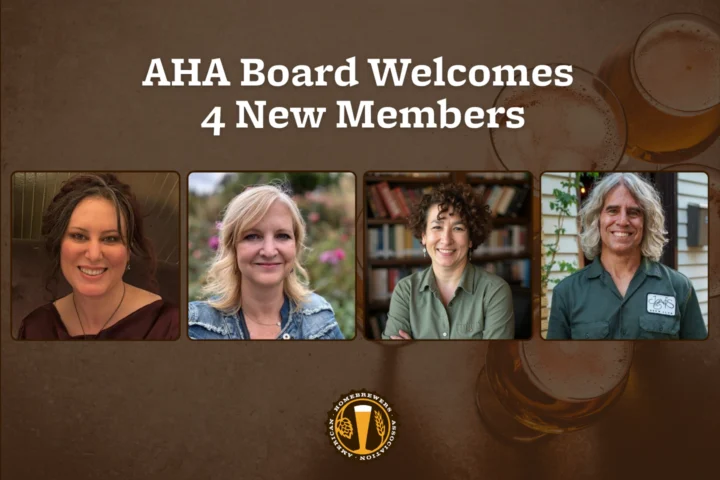

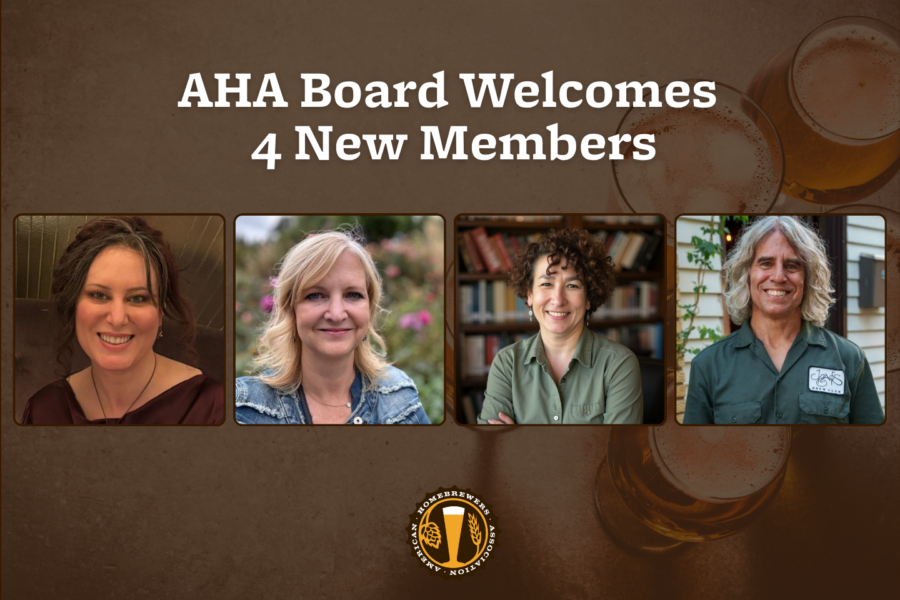
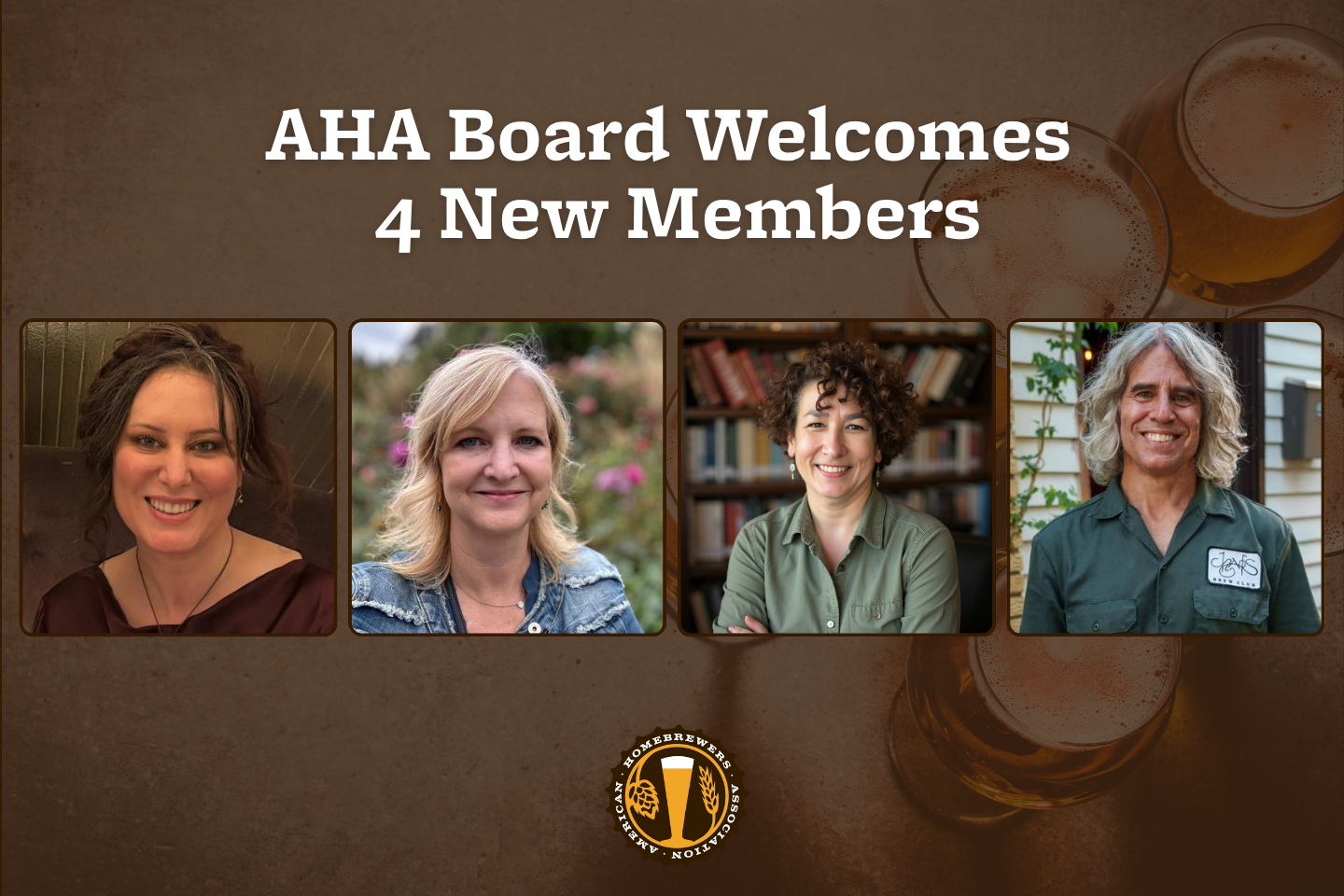
The American Homebrewers Association (AHA) has officially announced the results of its historic first board election, a move that signals a new era of self-governance and autonomy for the organization. Following its recent transition to an independent entity operating under dual 501(c)(6) and 501(c)(3) statuses, the AHA held a nationwide vote in March 2026 to select the leaders who will steer the association through its next phase of growth. The election saw four new members—Jen Blair, Stephanie Butler, Jen Pereira, and Jeff Whelpley—chosen from a competitive field of candidates, marking a pivotal moment in the nearly 50-year history of the homebrewing community.
The election process was characterized by high levels of engagement from the AHA membership, reflecting the community’s investment in the organization’s new independent structure. From an initial pool of 28 nominees, a slate of 10 finalists was presented to the voting members. The four winners will serve three-year terms, joining the existing board members to form a body tasked with overseeing the association’s strategic direction, financial health, and advocacy efforts. This newly elected cohort will be officially seated during the AHA’s 2026 annual meeting on June 20, 2026, held in Asheville, North Carolina, as part of the annual Homebrew Con festivities.
The Path to Independence and Organizational Restructuring
The 2026 election is more than a routine administrative update; it is the culmination of a multi-year transition. For decades, the American Homebrewers Association operated as a division of the Brewers Association (BA), the trade group representing small and independent professional craft brewers. While this relationship provided the AHA with stability and resources, the decision was made in recent years to establish the AHA as an independent non-profit. This move was designed to allow the AHA to focus exclusively on the needs of hobbyists and to manage its own advocacy and educational initiatives without the constraints of a professional trade association’s priorities.
Under its new structure, the AHA operates as a 501(c)(6) membership organization, which allows it to engage in business league activities and lobbying for the rights of homebrewers. Parallel to this, the A-HA Foundation was established as a 501(c)(3) supporting organization. This dual-status allows the association to pursue charitable and educational goals, such as scholarship programs and technical research, while maintaining a robust membership benefits program. The election of the board is the final step in ensuring that this new structure is governed directly by the people it serves.
Profiles of the Newly Elected Board Members
The four individuals elected to the board bring a diverse range of expertise from various sectors of the brewing and professional worlds. Their backgrounds suggest a focus on education, community building, and technical excellence.
Jen Blair is widely recognized in the brewing community as an Advanced Cicerone and a National Rank judge in the Beer Judge Certification Program (BJCP). Her expertise in sensory analysis and beer education is expected to bolster the AHA’s mission of providing high-quality educational resources to its members. Stephanie Butler has a long history of community engagement and has been instrumental in organizing local homebrew clubs, which remain the backbone of the hobby. Her perspective will be vital in achieving the AHA’s goal of having a homebrew club in every community.
Jen Pereira brings a wealth of experience in strategic development and industry relations. As the AHA seeks to expand its "Member Deals" program and strengthen partnerships with homebrew supply shops, her background in business development will be a significant asset. Jeff Whelpley rounds out the new quartet with a focus on organizational management and technical infrastructure. In an era where digital resources like the AHA’s website and mobile apps are primary touchpoints for members, Whelpley’s experience in managing complex systems will be crucial for the association’s modern evolution.
These four will join continuing board members Shawna Cormier, who serves as the Board Chair, Drew Beechum, a prolific author and veteran of the homebrewing world, and Gregory Roskopf. Together, this board represents a blend of institutional knowledge and fresh perspectives.
A Legacy of Service: Departing Board Members
The transition to independence would not have been possible without the foundational work of the departing board members, Sandy Cockerham and Gary Glass. Cockerham, a former president of the BJCP and a long-time advocate for homebrewing, and Glass, who served as the Director of the AHA for nearly two decades before transitioning to a board role, were instrumental in navigating the legal and operational complexities of the separation from the Brewers Association.
"The work started by the AHA Founding Board to bring the association to a new future has been impressive to say the least," said Board Chair Shawna Cormier in a statement. "With our new elected board members, we are positioned to help the AHA grow for generations. We look forward to bringing AHA’s vision of ‘a homebrewer in every neighborhood and a homebrew club in every community’ to life."
The departure of Glass and Cockerham marks the end of the "Founding Board" era, a period defined by the heavy lifting of drafting new bylaws, securing tax-exempt status, and ensuring that the AHA’s flagship programs—such as Zymurgy magazine and the National Homebrew Competition—continued without interruption during the transition.
The Significance of Homebrew Con 2026 in Asheville
The seating of the new board will take place at Homebrew Con, the AHA’s premier annual event. For 2026, the conference returns to Asheville, North Carolina, a city often referred to as "Beer City USA." Asheville’s selection as the host city is symbolic of the association’s commitment to vibrant, beer-centric communities.
Homebrew Con serves as the primary gathering for thousands of hobbyists, offering educational seminars, social events, and the final round of the National Homebrew Competition (NHC). The NHC remains the world’s largest beer competition, with thousands of entries judged by BJCP-certified experts. For the new board, the Asheville conference will serve as their first major public engagement, providing an opportunity to interface directly with the membership and outline their priorities for the coming three-year term.
Data and Economic Impact of the Homebrewing Community
While homebrewing is often viewed as a niche hobby, it carries significant economic weight. According to data from the American Homebrewers Association and the Brewers Association, there are an estimated 1.1 million homebrewers in the United States. These individuals contribute to a robust ecosystem of small businesses, including over 500 dedicated homebrew supply shops across the country.
The homebrewing community also serves as a vital pipeline for the professional craft beer industry. A significant percentage of professional brewers began their careers in their kitchens or garages, and the technical skills fostered by AHA programs contribute directly to the quality of the American craft beer market. By maintaining its independence, the AHA can more effectively lobby for the "Homebrew Food Safety Act" and other legislative efforts that protect the rights of hobbyists to share their creations and transport them to competitions.
Strategic Outlook: Education, Joy, and Volunteerism
The AHA’s mission is grounded in four core values: Community, Education, Joy, and Volunteerism. As the new board takes office, several key initiatives are expected to take center stage:
- Digital Transformation: Enhancing the AHA’s online resource library, which includes thousands of recipes and technical articles, to make it more accessible to a younger, more diverse generation of brewers.
- Diversity and Inclusion: Expanding outreach programs to ensure that homebrewing is a welcoming hobby for individuals of all backgrounds, fulfilling the "every neighborhood" aspect of the association’s vision.
- Support for Local Clubs: Developing new toolkits and insurance programs for local homebrew clubs, many of which are still recovering from the organizational challenges of the post-pandemic era.
- Legislative Advocacy: Continuing to fight for the legalization of homebrew shipping for competitions and the removal of antiquated state-level restrictions on home production.
The independence of the AHA allows for a more nimble response to these challenges. As a 501(c)(6), the association can now dedicate a larger portion of its budget to direct advocacy and member-exclusive rewards, such as the AHA Member Deals program, which offers discounts at hundreds of breweries and supply shops nationwide.
Conclusion
The historic first election of the American Homebrewers Association represents a coming-of-age for the organization. By moving from a subsidiary model to a self-governed, independent entity, the AHA has empowered its members to take direct control of their hobby’s future. The election of Blair, Butler, Pereira, and Whelpley, under the leadership of Chair Shawna Cormier, provides a balanced leadership team capable of honoring the association’s 48-year heritage while embracing the modern needs of the brewing community.
As the AHA prepares for its annual gathering in Asheville this June, the focus remains on the "joy" of brewing. Whether through the pages of Zymurgy or the camaraderie of a local club meeting, the association continues to serve as the heart of the homebrewing world. With a new board in place and a clear mandate for growth, the American Homebrewers Association is well-positioned to ensure that the art of fermentation remains a vibrant part of the American cultural landscape for generations to come.