
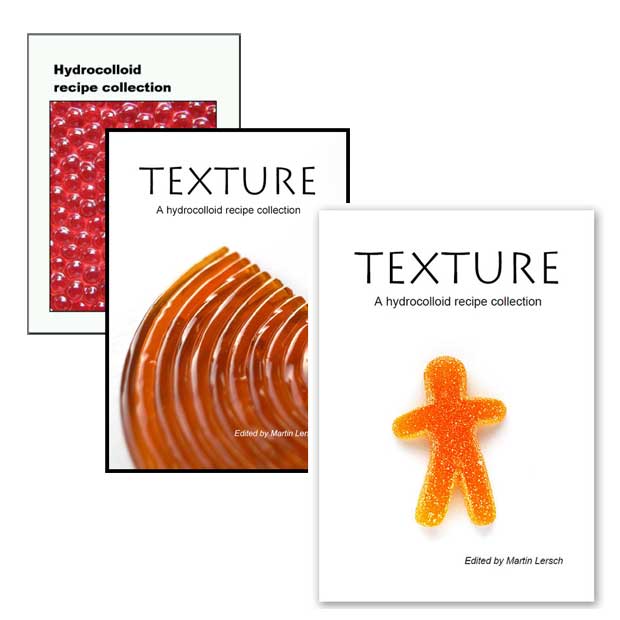
After a six-year hiatus since its last major revision, the esteemed online resource "Texture – A hydrocolloid recipe collection" is poised for an incremental update, designated v3.1, signaling a renewed commitment to cataloging and demystifying the intricate world of food hydrocolloids. This forthcoming revision, announced by the project’s maintainer, aims to refine existing content, correct inaccuracies, and substantially expand the collection’s scope, particularly focusing on underrepresented and novel gelling agents, as well as a fascinating category of traditional, non-hydrocolloid-based gels and foams from global cuisines. The update underscores the dynamic evolution of culinary science and the enduring value of collaborative knowledge sharing within the food community.
The Evolution of a Culinary Resource: A Chronology
The "Texture" compendium has served as a foundational digital library for chefs, food scientists, and enthusiastic home cooks navigating the complex realm of food texturizers since its inception. The journey began with the publication of Texture v.1.0 in 2007, a pioneering effort to consolidate practical applications for various hydrocolloids, ingredients that were then gaining prominence in the burgeoning field of molecular gastronomy. This initial release quickly established itself as an indispensable guide, offering clarity on the properties and uses of substances like agar-agar, xanthan gum, and calcium alginate, which were transforming culinary techniques.
Building on the success of its predecessor, Texture v.2.0 followed in 2008, expanding the recipe collection and further refining the scientific explanations. This rapid iteration reflected the intense period of innovation and experimentation within professional kitchens and food laboratories worldwide. The collection’s most substantial update prior to the current announcement, Texture v3.0, was released in 2014. This version integrated years of accumulated knowledge, user feedback, and new discoveries, solidifying its status as a comprehensive reference.
The six-year interval since v3.0 has not diminished the relevance of the "Texture" project; rather, it has allowed for a significant accumulation of new data, practical experiences, and emerging trends in food science. The upcoming v3.1 is described as an "incremental revision," primarily focused on "ironing out wrinkles" – addressing typos, correcting errors, and incorporating valuable feedback meticulously gathered over the past several years. This systematic approach ensures the collection maintains its high standard of accuracy and utility.
Understanding Hydrocolloids: The Science of Texture
Hydrocolloids are a diverse group of long-chain polymers, typically polysaccharides or proteins, that disperse in water to form viscous solutions or gels. They play a critical role in the food industry and haute cuisine, acting as thickening agents, gelling agents, emulsifiers, stabilizers, and encapsulants. Their ability to manipulate texture, mouthfeel, and stability makes them invaluable for creating innovative dishes and improving food products. Common hydrocolloids include starch, gelatin, pectin, agar, carrageenan, xanthan gum, and gellan gum, each possessing unique properties that dictate its specific applications.
The global market for hydrocolloids is a testament to their widespread importance, projected to reach significant valuation figures, driven by increasing demand in processed foods, dairy, confectionery, beverages, and an expanding market for plant-based alternatives. The market’s growth is fueled by consumer preferences for natural ingredients, functional foods, and the continuous innovation in food product development that relies heavily on precise texture control. The "Texture" collection serves as a vital bridge between the scientific understanding of these compounds and their practical culinary application, democratizing knowledge that was once largely confined to industrial food science.
A Call for Community Engagement: Shaping the Future of Texture
Central to the "Texture" project’s philosophy is its reliance on community contributions and feedback. The maintainer has issued a broad call to action, inviting users to submit their experiences, corrections, and, critically, photographic evidence of successful recipes. "If a recipe is accompanied by a photo," the announcement notes, "it’s a good sign that it has been tested with a successful outcome." This emphasis on visual documentation not only enhances the user experience but also provides a layer of validation for the recipes. Detailed instructions for photo submission are available in a previous blog post and within the compendium itself (p. 8 in Texture).
A significant focus of the v3.1 update is to address the underrepresentation of several key hydrocolloids. These include:
- Guar Gum: Known for its excellent thickening and stabilizing properties in cold applications, often used in ice creams, sauces, and salad dressings.
- Gum Arabic (Acacia Gum): A natural emulsifier and stabilizer, widely used in confectionery, beverages, and pharmaceutical applications for its ability to prevent crystallization and encapsulate flavors.
- Konjac (Glucomannan): Forms firm, elastic, heat-stable gels, popular in Asian cuisine for noodles and dietary supplements due to its high fiber content.
- Locust Bean Gum (Carob Gum): Often used in synergy with other hydrocolloids (like xanthan gum) to create unique textures, particularly in dairy products, desserts, and dressings, contributing to improved mouthfeel and reduced ice crystal formation.
- Tara Gum: Possesses properties similar to guar and locust bean gum, offering good thickening and stabilizing capabilities, finding applications in sauces, soups, and baked goods.
The project is actively seeking recipes that highlight the diverse range of culinary uses for these hydrocolloids, encouraging submissions via comments on the blog post or direct email to [email protected].
Furthermore, the update aims to address "accidental omissions" of rare or novel hydrocolloids, inviting the community to shed light on lesser-known gelling agents that might merit inclusion. The collection, however, maintains an intentional exclusion policy for proprietary products such as Ultra-Tex and Pure Cote (both modified starches) and Trisol (a wheat fiber), due to their commercial nature and often restricted availability. This distinction reinforces the compendium’s commitment to broadly accessible and scientifically transparent ingredients.
Beyond Hydrocolloids: Regional Gels and Foams
Perhaps one of the most intriguing expansions planned for v3.1 is the growth of the category labeled "non-hydrocolloid recipes." This section delves into traditional gels and foams from regional kitchens worldwide where the gelling mechanism does not involve added commercial hydrocolloids but rather relies on inherent properties of the ingredients or specific processing techniques. These examples offer a fascinating look at how cultures have naturally achieved desired textures for centuries.
Existing examples in this category include:
- Junket and Cuajada: Traditional dairy desserts where milk is coagulated enzymatically, typically with rennet, to form a soft, delicate gel.
- Ginger Milk Custard: A Chinese dessert where the proteolytic enzymes in fresh ginger juice coagulate milk proteins to form a smooth, silken custard.
- Aiyu Jelly: A Taiwanese dessert made from the pectin-rich seeds of the Aiyu fig, which form a translucent gel when rubbed in water.
- Grass Jelly: A popular Southeast Asian dessert derived from the Platostoma palustre plant, known for its dark, slightly bitter, gelatinous texture.
- Gelled Seafood Sauce: Often seen in various Asian cuisines, where the natural gelatin from bones or skin of fish and shellfish sets upon cooling.
- Tofu: A staple in East Asian cuisine, formed by coagulating soy milk proteins, typically with calcium sulfate or magnesium chloride, to create curds.
- Hominy: Nixtamalized corn, which, when processed, can yield a unique texture and, in certain preparations, contribute to thickening.
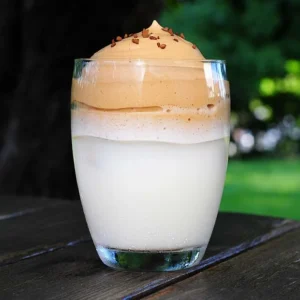
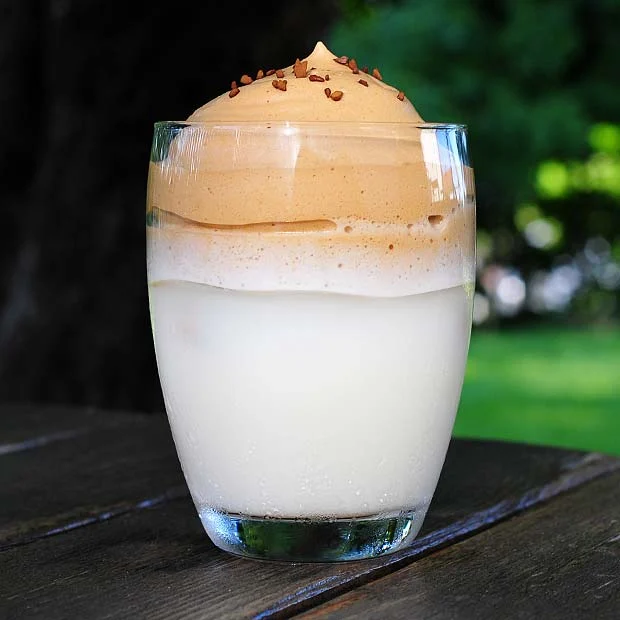
The maintainer actively seeks more examples of such culturally significant gels and foams, recognizing the vast untapped knowledge embedded in global culinary traditions. A notable addition already confirmed for v3.1 is the Dalgona coffee foam. This whipped coffee beverage, which gained immense viral popularity in early 2020, exemplifies a non-hydrocolloid foam where intense aeration and the natural emulsifying properties of instant coffee proteins create a stable, airy texture. Its inclusion highlights the project’s responsiveness to contemporary culinary phenomena and its dedication to explaining the underlying science of everyday food.
The Impact of Digital Collaboration on Culinary Innovation
The "Texture" project stands as a powerful example of how digital platforms can foster collective knowledge and accelerate innovation in the culinary arts. By providing an open-access repository of recipes and scientific explanations, it democratizes information that might otherwise remain siloed in academic journals or proprietary industry reports. This collaborative model, powered by user contributions and expert curation, ensures that the resource remains current, comprehensive, and relevant to a diverse audience.
The implications for culinary professionals are significant. Chefs can leverage the compendium to experiment with new textures, understand the science behind their ingredients, and push the boundaries of gastronomic creativity. For food scientists and product developers, "Texture" offers a practical reference for ingredient functionalities and recipe development, potentially shortening research cycles and inspiring novel food applications. For home cooks, the resource demystifies complex ingredients, making advanced culinary techniques more accessible and encouraging a deeper understanding of food science. The project contributes to a broader trend in modern cuisine where texture has become as critical as flavor and aroma in defining a dish’s appeal.
Looking Ahead: The Promise of Texture v3.1
The forthcoming release of "Texture" v3.1 represents more than just an update; it is a reaffirmation of the project’s vital role in the ongoing dialogue between science and gastronomy. By systematically addressing existing content, actively seeking contributions for underrepresented and novel ingredients, and thoughtfully incorporating traditional, non-hydrocolloid preparations, the compendium is set to become an even more robust and globally representative resource.
The anticipation surrounding v3.1 within the culinary community is palpable. It promises to further equip chefs, food scientists, and enthusiasts with the knowledge and inspiration to continue exploring the endless possibilities of food texture. The project serves as a testament to the power of open collaboration and meticulous curation in advancing culinary understanding, ensuring that the exploration of texture remains at the forefront of gastronomic innovation for years to come. The call for contributions remains open, inviting anyone with relevant insights, tested recipes, or compelling photographs to participate in shaping the next chapter of this invaluable culinary encyclopedia.