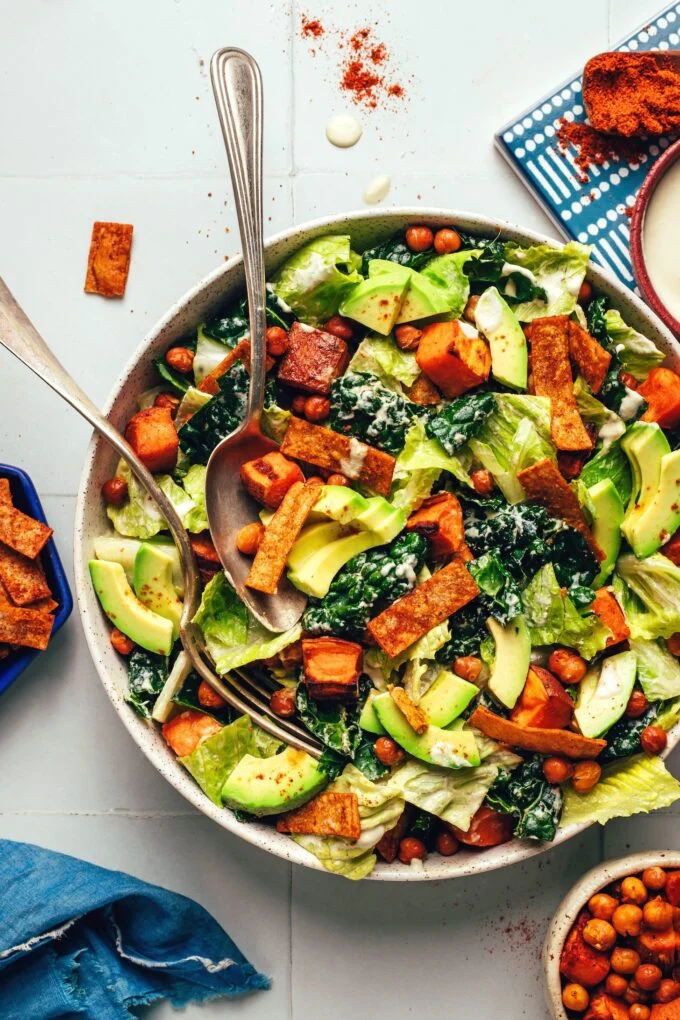

The landscape of contemporary plant-based gastronomy continues to evolve as culinary developers prioritize the intersection of nutritional density and operational efficiency. A prominent example of this trend is the Vegan Sweet Potato Chickpea Taco Salad, a dish that exemplifies the shift from traditional, meat-centric Mexican-inspired fare toward fiber-rich, whole-food alternatives. This specific preparation, designed for completion within a thirty-minute window, addresses the growing consumer demand for "weeknight ease" without sacrificing the complex flavor profiles typically associated with labor-intensive weekend cooking. By utilizing a strategic combination of roasting techniques, high-speed blending, and a diverse array of textures, the dish represents a modern approach to the "minimalist" culinary philosophy.
The Shift Toward Nutrient-Dense Plant-Based Entrées
The emergence of hearty, meal-sized salads marks a significant departure from the historical perception of salads as mere accompaniments. In the context of the Vegan Sweet Potato Chickpea Taco Salad, the inclusion of roasted tubers and legumes serves as a foundational element that provides the satiety levels required for a standalone dinner. Market research indicates that modern consumers are increasingly seeking "bowls" or "salads" that offer a balance of macronutrients—specifically complex carbohydrates, plant-based proteins, and healthy fats.
The use of sweet potatoes and chickpeas as the primary protein and carbohydrate sources is a calculated choice. Sweet potatoes are recognized for their high beta-carotene content and low glycemic index, while chickpeas provide a significant source of lysine, an essential amino acid often limited in other plant-based staples. When roasted with a blend of smoky spices such as chili powder and smoked paprika, these ingredients undergo the Maillard reaction, developing a depth of flavor that mimics the charred, savory qualities of grilled meats.

Culinary Workflow and Operational Efficiency
The thirty-minute preparation timeline of the Vegan Sweet Potato Chickpea Taco Salad is achieved through a systematic approach to culinary multitasking. The process is divided into three distinct phases that occur concurrently, a method increasingly advocated by professional chefs to minimize downtime in the domestic kitchen.
Phase I: Thermal Processing
The initial ten minutes are dedicated to the preparation and roasting of the sweet potatoes and chickpeas. By coating these components in avocado oil—a lipid with a high smoke point—and subjecting them to high-heat roasting, the recipe ensures that the core "warm" elements of the salad are completed within the twenty-five-minute oven window. This phase is critical as it establishes the "smoky" and "savory" pillars of the dish’s flavor architecture.
Phase II: Component Preparation and Emulsification
While the roasting process is underway, attention shifts to the "cold" elements. This includes the manual processing of greens—a mixture of romaine and kale—and the creation of the dressing. The choice of greens is significant; romaine provides a high-moisture "crunch," while kale offers structural integrity and a high concentration of Vitamins A and K.

Simultaneously, the preparation of the Jalapeño Cashew Dressing utilizes high-speed blending technology. By emulsifying raw cashews with water, lime juice, nutritional yeast, and miso paste, the dressing achieves a "cheesy" and "savory" profile without the use of dairy. This five-minute sub-process is essential for providing the healthy fats necessary for the absorption of fat-soluble vitamins found in the greens.
Phase III: Assembly and Texture Integration
The final five minutes involve the integration of all components. The addition of crumbled tortilla chips provides a necessary acoustic and tactile contrast to the softened roasted vegetables and the creamy dressing. This phase emphasizes the importance of "mouthfeel" in plant-based cooking, where the variety of textures—crunchy, creamy, soft, and leafy—replaces the singular texture of animal proteins.
Nutritional Profile and Supporting Data
An objective analysis of the nutritional data associated with the Vegan Sweet Potato Chickpea Taco Salad reveals a profile that aligns with the requirements of a balanced, health-conscious diet. According to standardized nutritional metrics for this preparation, a single serving provides approximately 442 calories, making it a substantial but not excessive meal option.

The macronutrient breakdown is particularly noteworthy:
- Protein: 12.6 grams, derived primarily from chickpeas, cashews, and kale.
- Fiber: 11.9 grams, representing nearly 40% of the daily recommended intake for adults, which aids in digestive health and prolonged satiety.
- Fats: 19.4 grams, with a focus on monounsaturated (10.1g) and polyunsaturated (4.6g) fats, largely from the avocado oil and cashew base.
- Micronutrients: The dish is exceptionally high in Vitamin A (4020 IU) and provides significant amounts of Potassium (902 mg) and Vitamin C (24 mg).
Furthermore, the dish contains zero milligrams of cholesterol and a relatively low saturated fat content (2.6g), distinguishing it from traditional taco salads that often rely on ground beef and sour cream, which are high in both categories.
The Role of Umami in Vegan Flavor Architecture
One of the primary challenges in plant-based recipe development is the replication of "umami"—the fifth basic taste associated with savoriness. The Vegan Sweet Potato Chickpea Taco Salad addresses this through the strategic use of fermented and yeast-based ingredients. The dressing incorporates nutritional yeast and miso paste, both of which are rich in glutamates.

Miso, a fermented soybean paste, provides a salty-sweet complexity, while nutritional yeast offers a nutty, cheese-like flavor. When combined with the acidity of lime juice and the heat of jalapeño, these ingredients create a flavor profile that stimulates multiple taste receptors simultaneously. This complexity is vital for consumer satisfaction in the absence of animal fats.
Market Trends and Consumer Demand
The popularity of recipes like the Vegan Sweet Potato Chickpea Taco Salad reflects broader shifts in the global food market. The plant-based food sector has seen exponential growth, with a notable increase in "flexitarian" consumers—individuals who do not strictly adhere to veganism but actively seek to reduce their meat consumption.
Data from the Plant Based Foods Association indicates that retail sales of plant-based foods have consistently outpaced total food sales in recent years. Specifically, the "ready-to-cook" and "quick-prep" categories have seen the highest surge. The Vegan Sweet Potato Chickpea Taco Salad fits perfectly into this niche, offering a customizable template. Developers note that while the salad is a complete meal, it can be easily augmented with additional proteins like smoky shredded tofu or, for non-vegans, shredded chicken, thereby appealing to multi-dietary households.

Environmental and Health Implications
From an environmental perspective, the reliance on legumes and tubers as primary calorie sources offers a significantly lower carbon and water footprint compared to bovine-based alternatives. Chickpeas, like other legumes, are nitrogen-fixing crops that improve soil health, making them a sustainable choice for long-term food security.
From a public health standpoint, the emphasis on whole foods over processed meat substitutes is significant. While many "vegan" options in the market are highly processed and high in sodium, this salad utilizes raw nuts, fresh greens, and whole vegetables. The sodium content, while present at 967 mg, is largely controllable by the home cook and is balanced by the high potassium content of the sweet potatoes and greens, which helps regulate blood pressure.
Broader Impact and Future Outlook
The Vegan Sweet Potato Chickpea Taco Salad serves as a benchmark for the future of "minimalist" cooking. It proves that nutritional density and gourmet flavor profiles can be achieved within the constraints of a modern, fast-paced lifestyle. As more consumers transition toward plant-forward diets, the demand for recipes that offer "weekend flavor" on a "weeknight schedule" is expected to intensify.

The success of such dishes also highlights the importance of the "digital recipe ecosystem." Platforms like Minimalist Baker, which prioritize accessibility and clear instructional design, play a crucial role in democratizing healthy eating. By providing clear nutritional data and time-stamped instructions, these platforms empower home cooks to move away from processed convenience foods in favor of fresh, home-cooked alternatives.
In conclusion, the Vegan Sweet Potato Chickpea Taco Salad is more than just a recipe; it is a reflection of a maturing culinary movement that values health, efficiency, and sustainability. As culinary techniques continue to be refined and global flavor palettes become more integrated, the "taco salad" will likely remain a staple of the plant-based repertoire, serving as a versatile canvas for nutritional innovation.