

In an increasingly demanding world, the pursuit of satisfying, home-cooked meals often clashes with the realities of limited time, dwindling energy, and constrained ingredient availability. This confluence of modern lifestyle factors has fueled a significant culinary trend: the widespread embrace of easy dinner recipes that promise substantial reward with minimal effort. These dishes, characterized by short ingredient lists, straightforward preparation, and robust flavors, are carving out a permanent niche in household meal rotations across demographics, serving as a vital resource for individuals and families navigating the complexities of daily life.
The Evolving Landscape of Home Cooking

The concept of a "home-cooked meal" has undergone considerable evolution over the past century. Post-World War II, with the advent of packaged and processed foods, convenience began to challenge traditional, labor-intensive cooking methods. The latter half of the 20th century saw the proliferation of "quick-fix" recipes, often relying on canned goods and pre-made mixes, catering to a growing number of two-income households. However, the early 21st century has introduced a more nuanced demand. Consumers now seek not just speed, but also quality, nutritional value, and the "special" feeling of a homemade meal, without the associated stress. This shift is particularly evident in the digital age, where online platforms and food blogs have become primary sources for culinary inspiration, democratizing access to diverse recipes that prioritize both efficiency and gastronomic satisfaction.

According to a 2023 survey by Statista, approximately 60% of consumers globally prioritize convenience when choosing food products, a figure that underscores the pervasive need for time-saving solutions in the kitchen. Simultaneously, data from the Bureau of Labor Statistics indicates that the average American spends less than an hour per day on food preparation and cleanup, a significant reduction from previous generations. This statistical backdrop highlights the societal imperative for recipes that can be executed quickly, often with ingredients readily available in a standard pantry or local grocery store, circumventing the need for specialized shopping excursions or extensive pre-planning.

The Core Principles of Low-Effort, High-Reward Cooking
At the heart of this culinary movement are several guiding principles designed to streamline the cooking process without compromising flavor or quality. These include:

- Minimal Ingredients: Recipes typically feature five to ten core ingredients, reducing shopping complexity and food waste. This approach aligns with economic trends, as consumers increasingly seek ways to manage household budgets effectively, especially amidst fluctuating food prices.
- Simple Steps: Complex techniques are avoided in favor of straightforward instructions that can be followed by cooks of all skill levels, from beginners to seasoned home chefs with limited mental bandwidth after a long day.
- Versatility and Adaptability: Many recipes are designed to be flexible, allowing for easy substitutions based on available ingredients or dietary preferences. This adaptability enhances their utility in diverse households.
- Reliability: The recipes often rely on classic flavor combinations and proven cooking methods, ensuring consistent, satisfying results. This predictability is a key factor in their adoption into regular meal rotations.
- Efficient Cooking Methods: Leveraging modern kitchen appliances like the Instant Pot, air fryer, and sheet pans is a common strategy, significantly reducing hands-on cooking time and simplifying cleanup.
A Spectrum of Culinary Solutions: Exemplary Dishes and Their Appeal

The array of low-effort, high-reward dinners spans various cuisines and dietary preferences, demonstrating the versatility of this approach. These recipes often transform familiar comfort foods or introduce global flavors in an accessible format.
- One-Pan Wonders and Sheet Pan Dinners: Dishes like Apricot Chicken with Charred Scallions or Sheet Pan Jambalaya exemplify the efficiency of sheet pan cooking. By consolidating ingredients onto a single baking sheet, these recipes minimize cleanup and allow for hands-off cooking, releasing savory aromas as components roast together to perfection. This method is particularly popular for its ease and the way it caramelizes vegetables and proteins, enhancing their natural sweetness and depth.
- Quick Soups and Stews: Hearty options such as Zuppa Toscana or Crockpot Chicken Gnocchi Soup offer comforting warmth with surprisingly little effort. The Zuppa Toscana, for instance, can be prepared in under 30 minutes, featuring browned sausage, tender potatoes, and wilted kale in a rich broth. Slow cooker variants provide a set-it-and-forget-it solution, allowing flavors to meld over hours with minimal intervention.
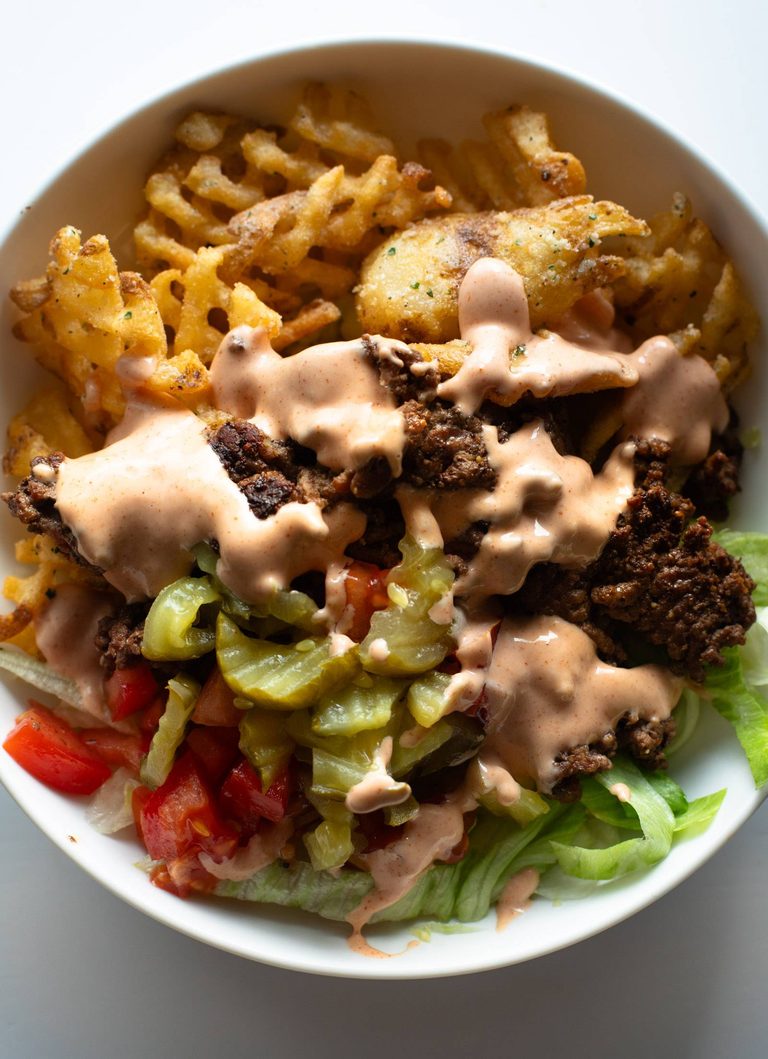
- Creative Twists on Classics: Recipes like Brandon’s Egg Roll Tacos and Burger Bowls with House Sauce and Ranch Fries reimagine beloved dishes. The egg roll tacos combine the savory filling of an egg roll with the portability of a taco, while burger bowls deconstruct the classic burger into a healthier, customizable format. These innovations cater to a desire for novelty without demanding excessive culinary skill.
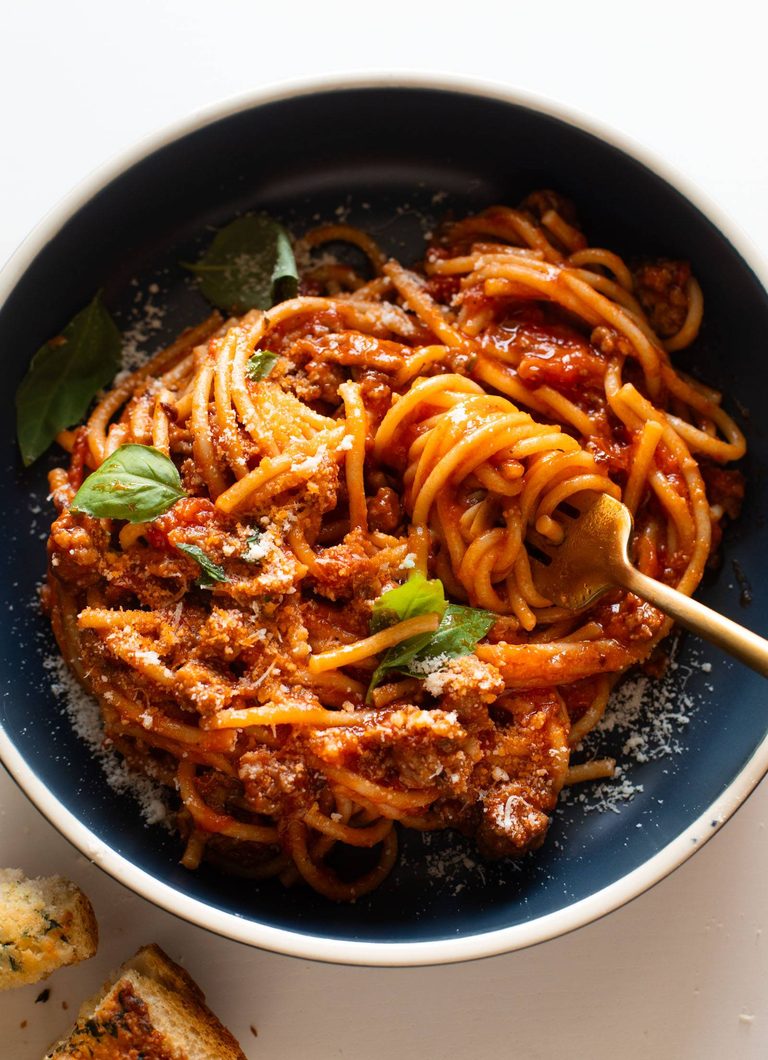
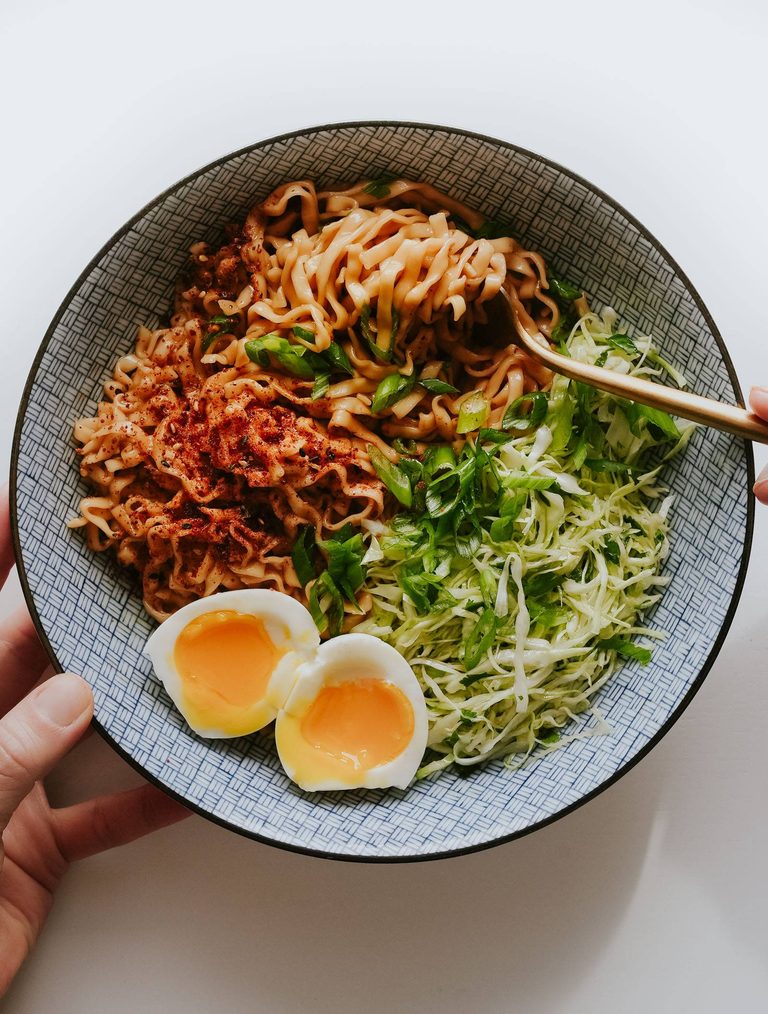
- Noodle and Pasta Perfection: Instant Pot Spaghetti and Shortcut Sesame Butter Noodles highlight the quick satisfaction of pasta dishes. The Instant Pot significantly cuts down cooking time for spaghetti, making it a viable weeknight option, while sesame butter noodles offer a quick, flavorful Asian-inspired meal with minimal ingredients, often utilizing packaged noodles for ultimate convenience.
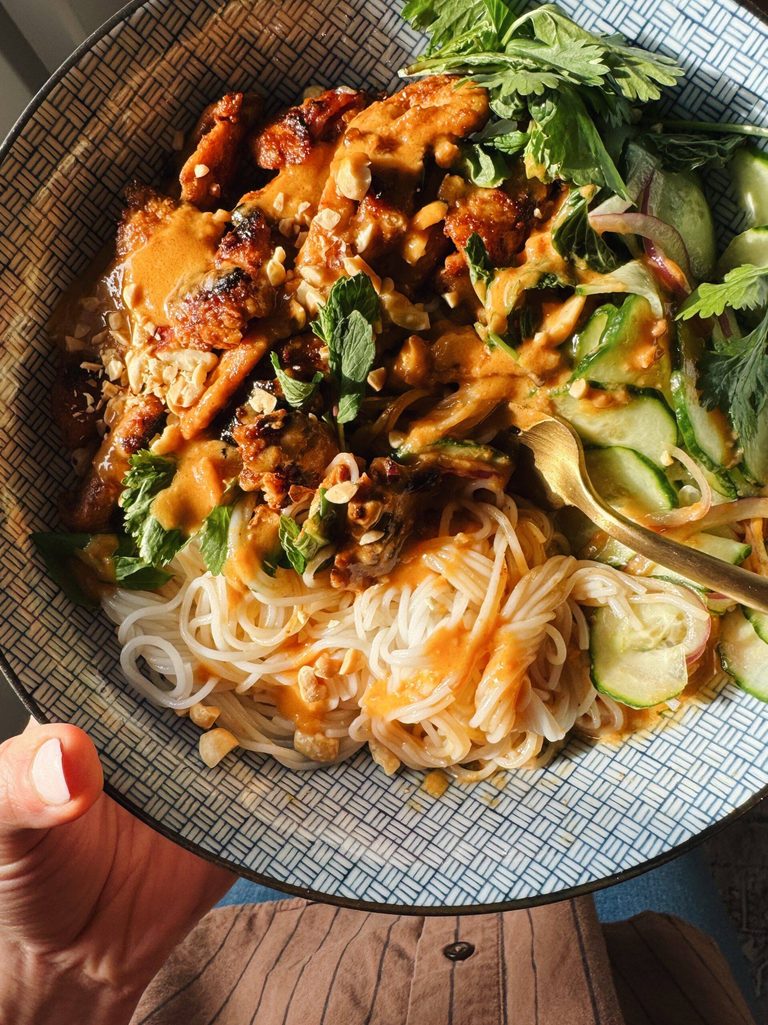
- Global Flavors Made Easy: Dishes such as Thai Peanut Chicken Bowls, Bang Bang Salmon with Avocado Cucumber Salsa, and Steph’s Chickpea Curry with Spinach and Rice bring international flair to the weeknight table. These recipes often utilize readily available sauces or spice blends to achieve complex flavors swiftly, allowing home cooks to explore diverse cuisines without extensive ingredient lists or specialized knowledge. The Instant Pot Red Curry Lentils further exemplifies this, delivering a creamy, spicy, and nutritious meal with minimal active cooking time.
- Plant-Based and Vegetarian Innovations: The category also strongly supports vegetarian and plant-based eating. Crispy Black Bean Tacos with Cilantro Lime Sauce, Cauliflower Black Bean Tostadas with Queso and Pickled Onion, and Tofu and Brown Rice Lettuce Wraps with Peanut Sauce offer flavorful, satisfying meat-free options. These recipes often leverage the texture and richness of beans and vegetables, complemented by vibrant sauces, to create fulfilling meals. The One-Pan Farro with Tomatoes and Kale stands out as a wholesome grain-based dish that champions minimal cleanup.
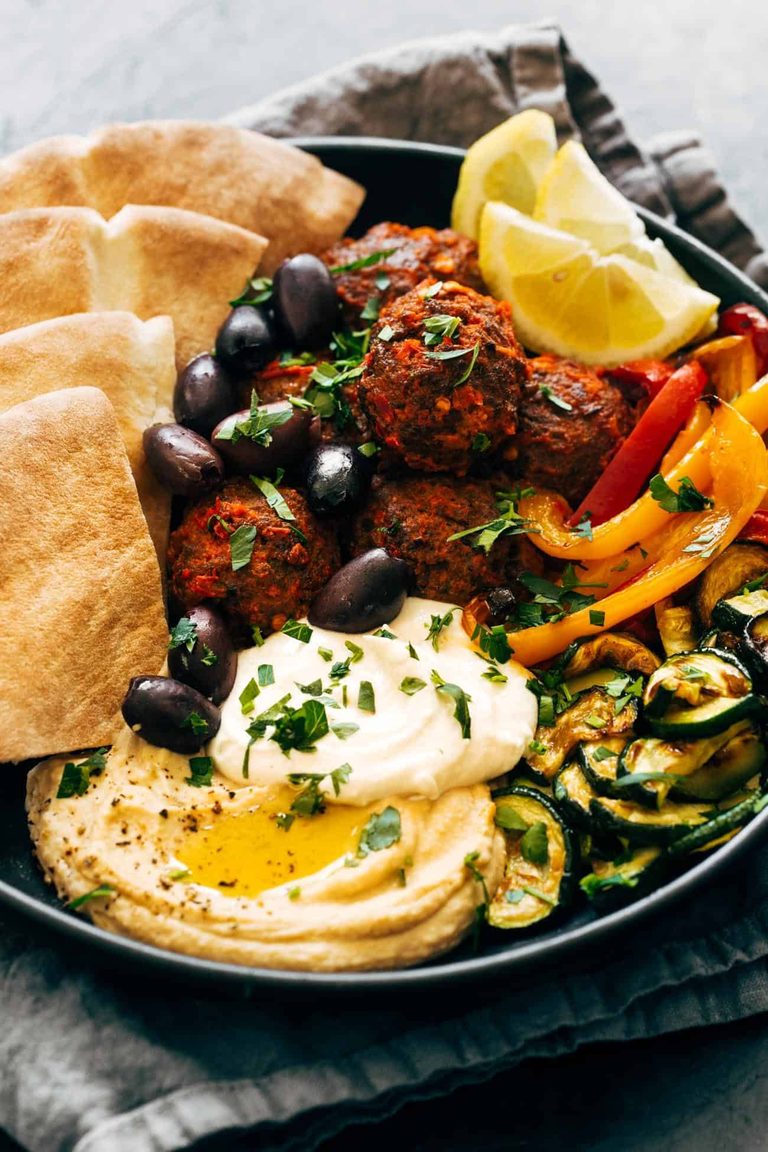
- Protein-Focused Quick Fixes: For meat and fish lovers, options like Ridiculously Good Air Fryer Chicken Breast, Hot Honey Salmon, and 5 Ingredient Spicy Pork provide protein-packed meals that are both delicious and easy. The air fryer chicken breast, in particular, has gained popularity for its ability to produce juicy, perfectly seasoned chicken in a fraction of the time compared to traditional baking methods. Baked Chicken Meatballs offer a versatile, meal-prep friendly protein that can be incorporated into various dishes throughout the week.
Economic and Nutritional Implications

The widespread adoption of these low-effort, high-reward recipes carries significant implications for household economics and public health. From an economic standpoint, cooking at home, even with convenience-oriented recipes, is generally more cost-effective than frequent dining out or relying on takeout. A study by LendingTree found that cooking at home can save individuals thousands of dollars annually compared to eating out. By utilizing a handful of common ingredients and minimizing waste, these recipes directly contribute to smarter financial management for families.
Nutritionally, home-cooked meals, even those designed for speed, often offer greater control over ingredients, portion sizes, and preparation methods compared to restaurant or ultra-processed foods. This allows individuals to reduce sodium, unhealthy fats, and added sugars, while increasing vegetable intake. For example, a Creamy Thai Sweet Potato Curry or Chicken with Coconut Kale can provide a rich source of vitamins, fiber, and lean protein, tailored to individual dietary needs. The emphasis on fresh ingredients and balanced components within these quick recipes supports healthier eating habits without the perceived burden of complex meal preparation.

Expert Perspectives and Societal Impact
Culinary experts and nutritionists largely endorse the trend towards accessible home cooking. Dr. Sarah Miller, a public health nutritionist, notes, "Any strategy that encourages people to cook more at home is a positive step. These ‘low-effort, high-reward’ recipes break down barriers to healthy eating by making it achievable even on the busiest days. They empower individuals to take charge of their diet without feeling overwhelmed."
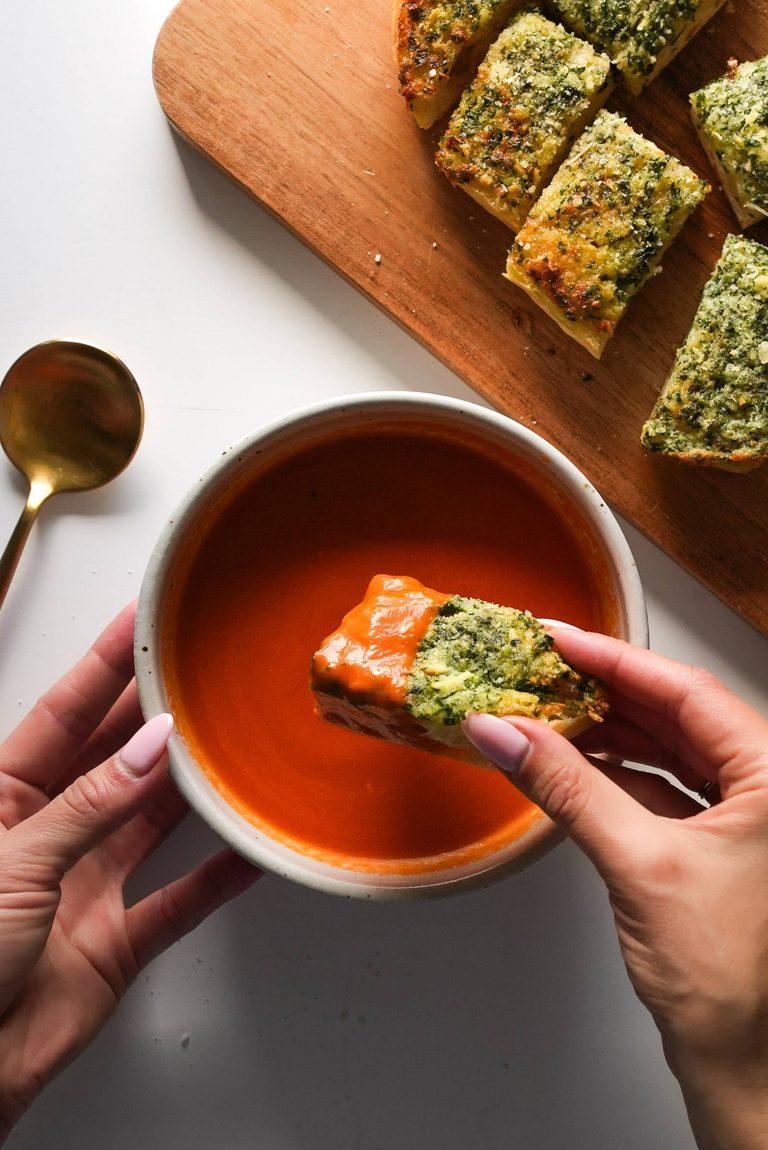
Moreover, the availability of these recipes fosters culinary confidence. Many individuals, intimidated by elaborate cooking, find a gateway into the kitchen through these simpler dishes. Success with a five-ingredient tomato soup or instant pot spaghetti can inspire further experimentation, gradually elevating overall cooking skills and diversifying meal options. This ripple effect contributes to a more food-literate and self-sufficient populace.

Beyond individual benefits, the trend reflects broader societal shifts. It speaks to a collective desire for balance – to enjoy the pleasures of food and family without sacrificing personal time or succumbing to undue stress. It underscores the adaptability of modern culinary practices to contemporary lifestyles, demonstrating that quality and convenience are not mutually exclusive but can, in fact, be harmoniously integrated.
The Future of Convenient Cuisine

Looking ahead, the demand for low-effort, high-reward dinner solutions is likely to intensify. The continuous innovation in kitchen technology, coupled with the ever-expanding digital recipe ecosystem, will further refine and diversify these offerings. We can anticipate more fusion dishes, greater emphasis on sustainable and ethically sourced ingredients within quick recipes, and continued integration of smart kitchen devices to automate aspects of meal preparation.

The proliferation of these recipes represents more than just a culinary fad; it signifies a fundamental adaptation to modern living. By making home cooking achievable and enjoyable for everyone, these low-effort, high-reward dinners are not merely filling plates, but enriching lives, one delicious, stress-free meal at a time. They affirm that a satisfying, wholesome dinner doesn’t require hours in the kitchen, but rather smart choices and a well-curated collection of reliable, straightforward recipes.