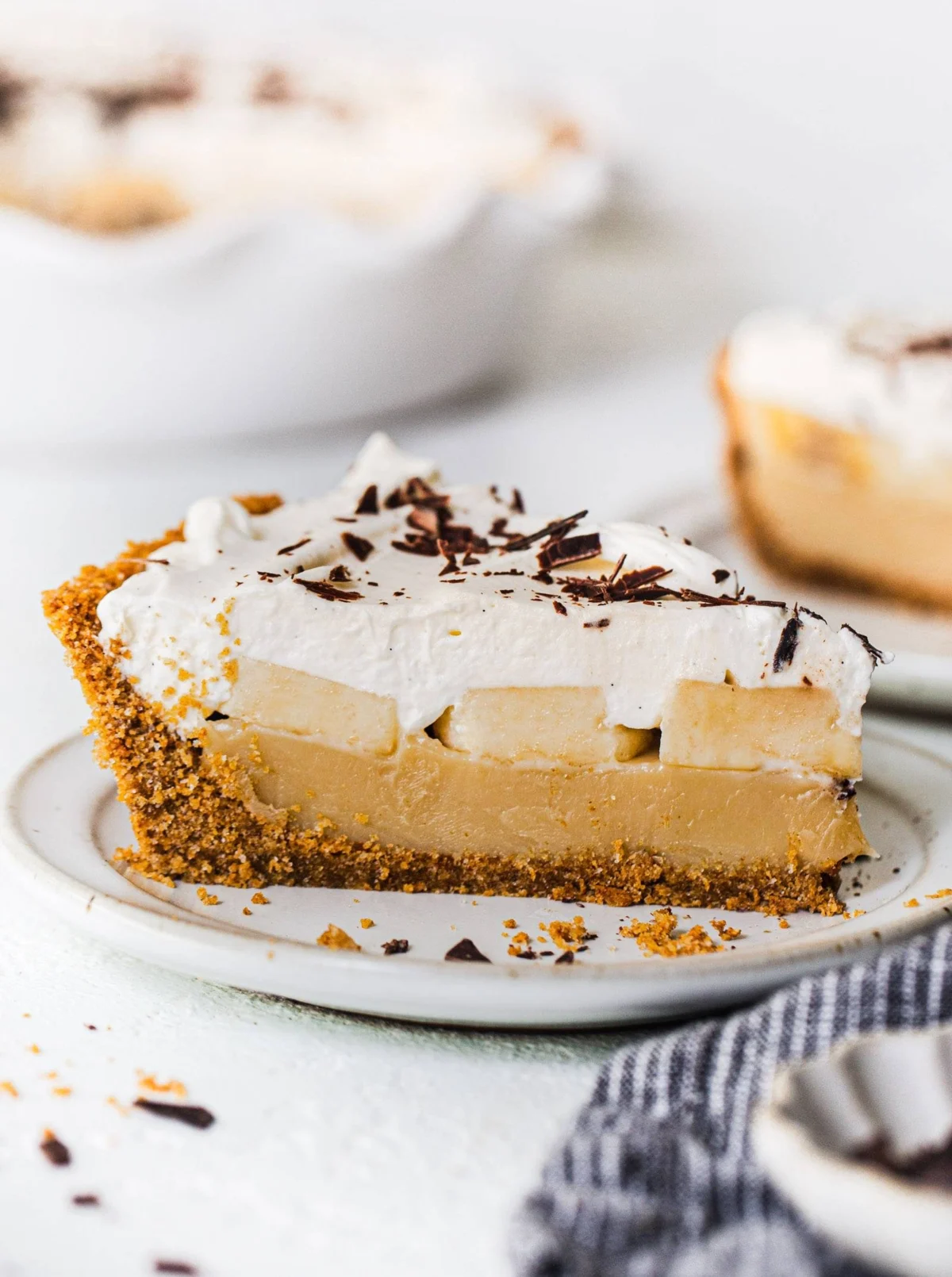

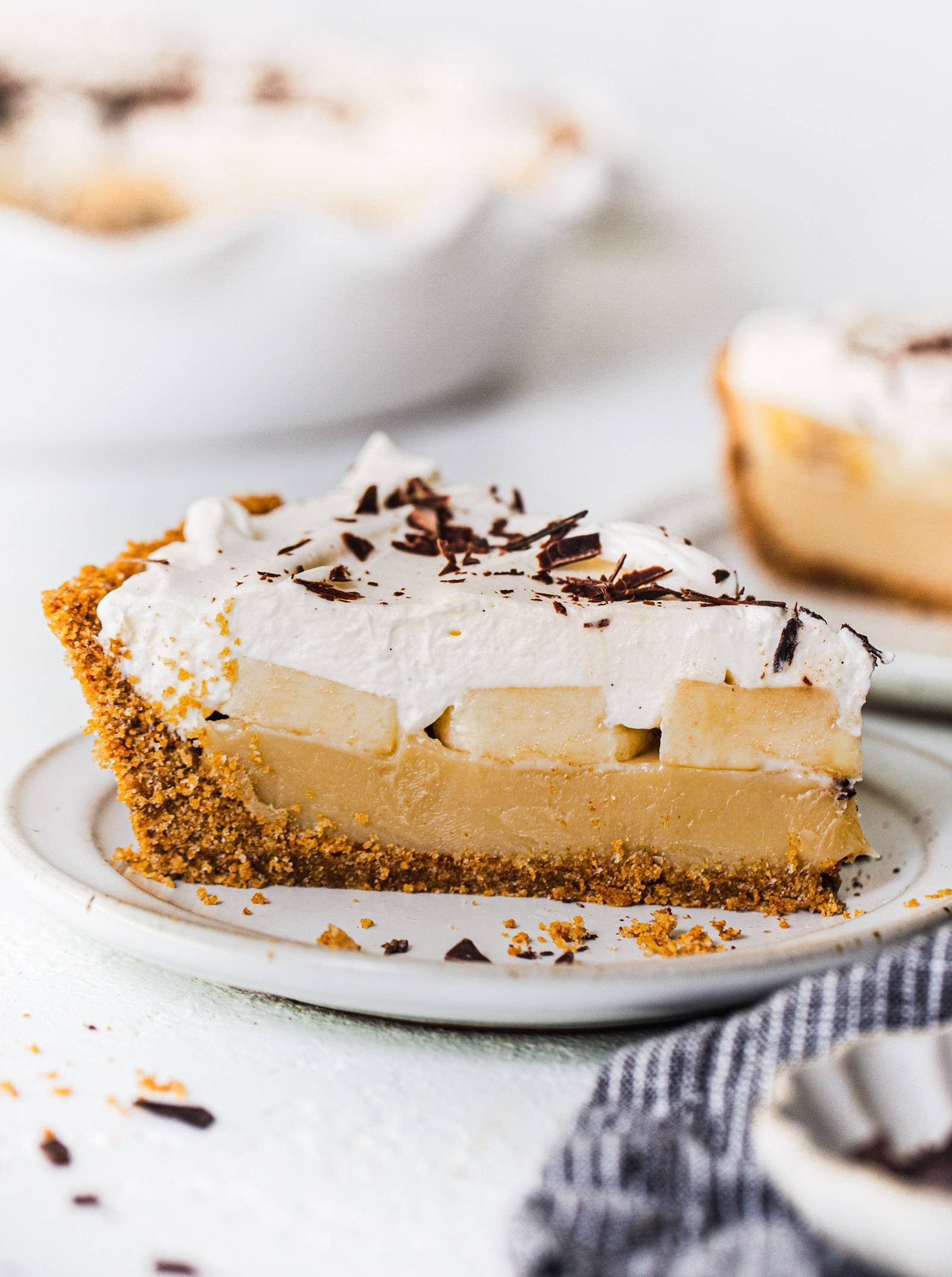
Banoffee Pie, a beloved British dessert renowned for its rich blend of sweet and savory notes, has recently surged in popularity within home kitchens, particularly highlighted by a successful "Family Dessert Night" initiative. This indulgent creation, featuring a salty-sweet graham cracker crust, a luscious caramel toffee filling, fresh banana slices, and a generous topping of whipped cream, has captivated palates and fostered community through shared culinary experiences. Its recent acclaim underscores both the enduring appeal of classic comfort foods and the influential role of social media in modern culinary discovery.
The resurgence of Banoffee Pie in home baking circles points to a broader appreciation for accessible yet decadent desserts. Originating in England, the pie’s simple yet harmonious construction has cemented its place as a quintessential treat. Its core components—a crushed biscuit base (often graham cracker in North America), a thick layer of dulce de leche or toffee, fresh bananas, and a crown of whipped cream—create a symphony of textures and flavors that are both comforting and exhilarating. The term "Banoffee" itself is a portmanteau of "banana" and "toffee," aptly describing its primary ingredients.
Historically, Banoffee Pie is attributed to Ian Dowding and Nigel Mackenzie, owners of The Hungry Monk Restaurant in Jevington, East Sussex, England, who developed the recipe in 1971. Their initial versions experimented with different caramel fillings, eventually settling on the condensed milk toffee that defines the pie today. It quickly became a signature dish, gaining widespread recognition and inspiring countless variations globally. Its journey from a small restaurant specialty to an international sensation illustrates the universal appeal of well-crafted, straightforward desserts. The pie’s unpretentious nature, combined with its profound deliciousness, has allowed it to transcend culinary trends and maintain its status as a timeless classic.
The contemporary rediscovery of Banoffee Pie has been significantly propelled by digital platforms. Culinary enthusiast and food blogger Lindsay Ostrom, known for her engaging content on Pinch of Yum, recently championed the dessert after encountering it through an Instagram video by Amy Nash. This online discovery ignited a personal quest to perfect the recipe, leading to its prominent feature in her household’s "Family Dessert Night" tradition. This initiative, established several months ago, involves the preparation of a unique dessert every Thursday evening, transforming a simple meal into a weekly highlight focused on joy and community building.

The "Family Dessert Night" has evolved beyond a mere family activity, serving as a catalyst for social interaction. Sometimes restricted to immediate family, on other occasions, it expands to include friends and neighbors, fostering a convivial atmosphere centered around a shared love for sweet treats. This communal aspect underscores the power of food to connect people, offering a low-pressure yet meaningful way to strengthen social bonds. Among the various desserts introduced during these gatherings, Banoffee Pie has emerged as an undisputed favorite, earning enthusiastic praise for its unparalleled taste and delightful composition. Reports from participants consistently highlight the pie’s unique balance of sweet and salty, its creamy texture, and the refreshing counterpoint of fresh bananas against the rich toffee.
The preparation of Banoffee Pie, while seemingly simple, involves a precise chronology of steps to achieve optimal results:
-
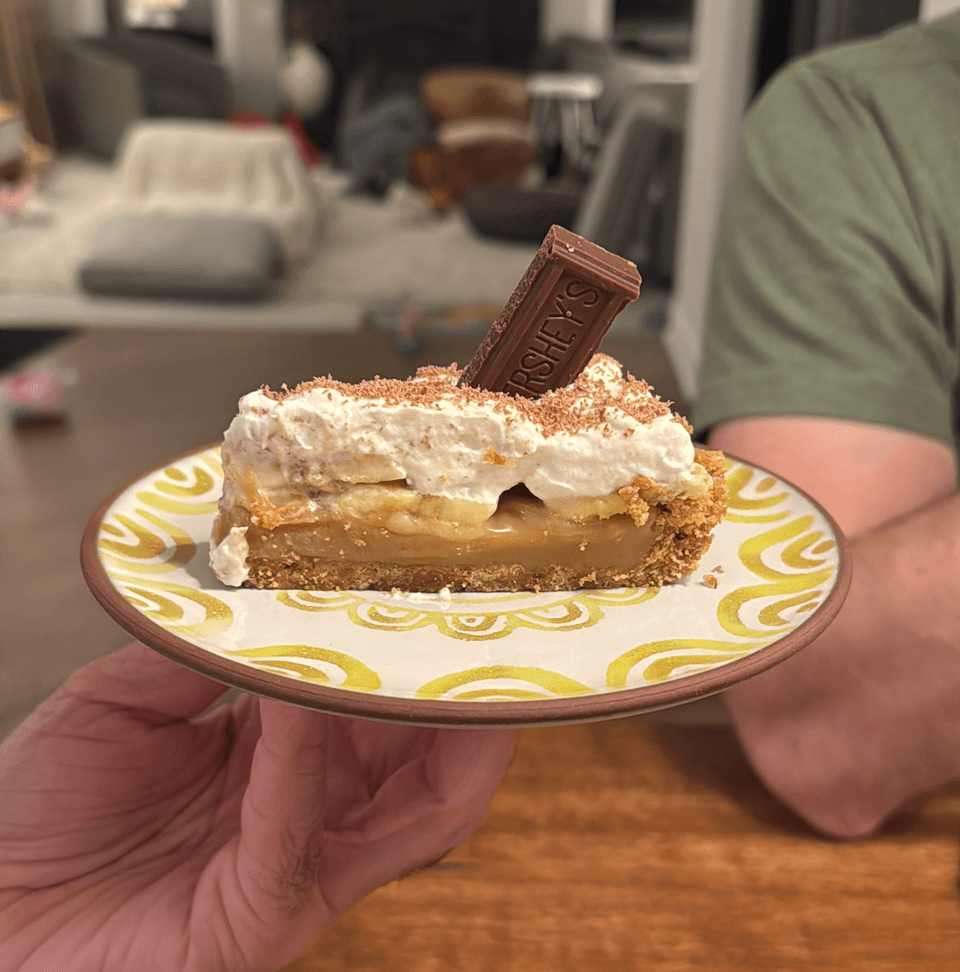
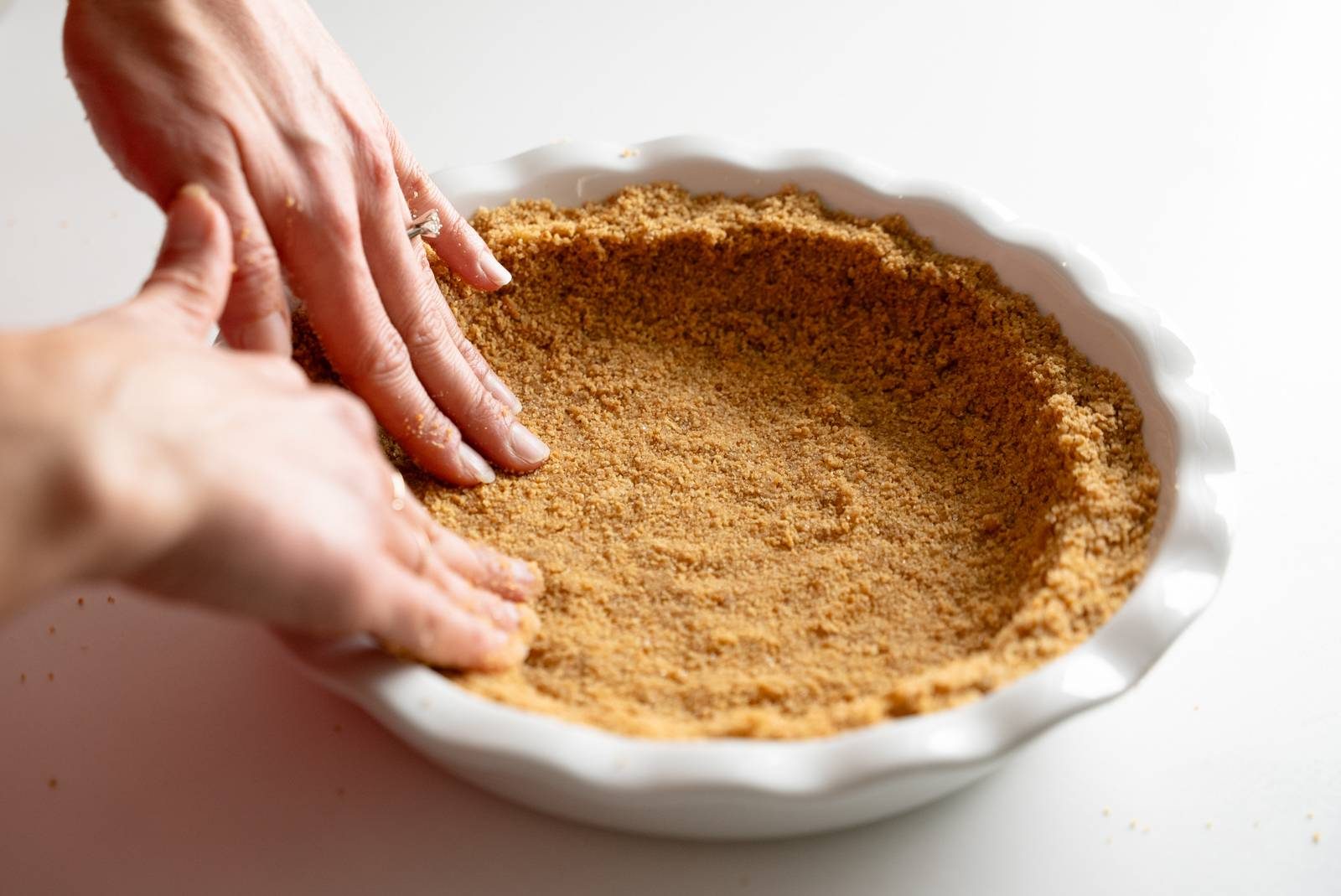
The Graham Cracker Crust: The foundation of the Banoffee Pie is its crumbly, buttery crust. This step typically involves crushing graham crackers (or digestive biscuits in the UK) and mixing them with melted butter and a touch of sugar. The mixture is then pressed firmly into a pie dish and often pre-baked briefly to set, providing a sturdy and flavorful base. The initial baking helps to develop a nutty aroma and a slight crispness that complements the soft fillings. Culinary experts often note that a well-made crust contributes significantly to the overall textural experience, offering a delightful crunch against the smooth layers.
-
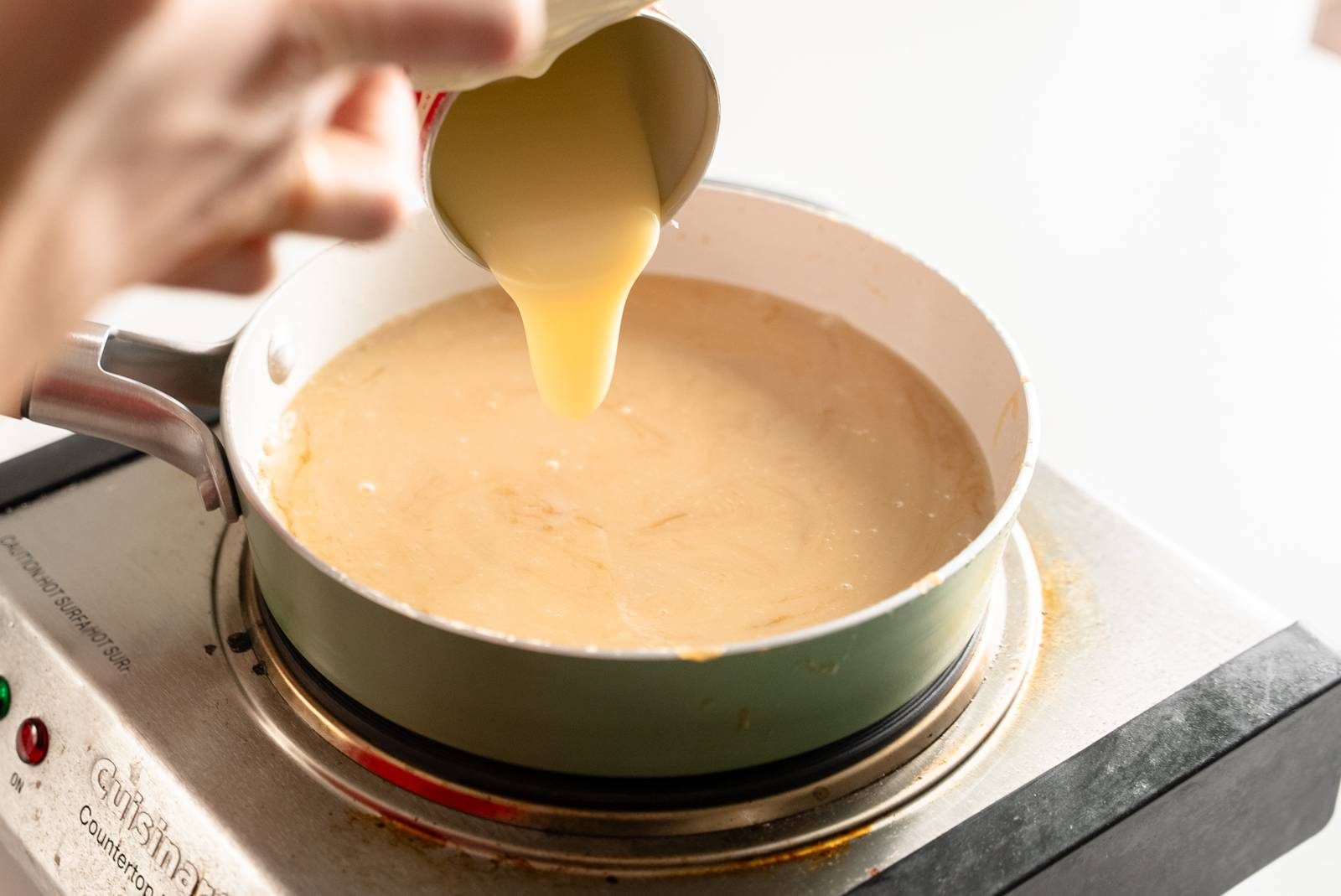
The Silky Toffee Layer: The heart of Banoffee Pie is its rich toffee filling, traditionally made from sweetened condensed milk. This layer requires careful, low-and-slow cooking, often involving simmering the condensed milk for an extended period, or more commonly, cooking it with butter and brown sugar on the stovetop. Constant stirring for approximately five minutes is crucial to prevent burning and ensure a uniform caramelization. This process transforms the milky mixture into a thick, golden-brown toffee with a deep, caramelized flavor. Any slight browning of butter or sugar flecks during this stage is generally considered acceptable and can even add desirable complexity to the flavor profile.

-
Assembly and Chilling: Once the toffee reaches the desired consistency, it is poured directly into the cooled graham cracker crust. The pie is then typically refrigerated to allow the toffee to set firm, a critical step for ensuring clean slices. Adequate chilling time—often several hours or overnight—ensures that the layers meld together and the toffee achieves its characteristic dense, chewy texture. This period also allows the flavors to deepen and harmonize.
-
Fresh Bananas and Whipped Cream: The final layers introduce freshness and lightness. Ripe bananas are sliced and arranged over the set toffee. This provides a natural sweetness and a soft, fruity contrast to the rich caramel. Following the bananas, a generous topping of freshly whipped cream is spread over the entire pie. The airy, unsweetened or lightly sweetened cream balances the intensity of the toffee and bananas, adding a luxurious finish. Some recipes suggest a dusting of cocoa powder or a drizzle of chocolate for an extra touch of decadence.
-
Serving: After the final assembly, the pie is ready to be sliced and served. The aim is for slices that hold their shape well, yet remain soft and yielding to the fork, offering a delightful combination of textures in every bite. While the pie is inherently rich, its balanced components encourage repeated indulgence, often leading to multiple "just one more bite" moments until the dish is completely savored.
The "Family Dessert Night" initiative, spearheaded by Ostrom, has not only highlighted an exceptional recipe but also underscored several broader implications. It exemplifies the growing trend of intentional family activities that prioritize shared experiences over passive entertainment. In an increasingly digital world, such initiatives serve as vital anchors for connection and community. Furthermore, the rapid dissemination of the Banoffee Pie recipe, from an Instagram video to a popular blog feature and a community challenge, demonstrates the unparalleled power of social media in influencing culinary trends and inspiring home cooks globally. Food content, when presented engagingly, can quickly become viral, transforming niche recipes into widespread phenomena.
For those inspired to create their own Banoffee Pie, several practical tips ensure success. While the pie is undeniably delicious when freshly made, it is advisable to consume it on the same day for optimal texture and appearance. Overnight refrigeration can lead to the bananas browning slightly and the whipped cream releasing some moisture, potentially affecting the pie’s pristine presentation. However, many enthusiasts find the chilled leftovers equally delightful, often preferring the slightly denser consistency. Preparing the crust and toffee layer a day in advance and assembling the bananas and whipped cream just before serving can be an effective strategy for managing preparation time, ensuring a fresh and impressive dessert.
The enthusiastic reception of Banoffee Pie within the "Family Dessert Night" series, and its broader embrace by home cooks, reaffirms the enduring appeal of well-crafted desserts that offer both comfort and culinary delight. It serves as a testament to how a simple recipe, discovered through modern digital avenues, can inspire community, joy, and a renewed appreciation for the art of home baking. The Banoffee Pie, with its layered textures and harmonious flavors, continues its legacy as a truly remarkable and profoundly enjoyable dessert.