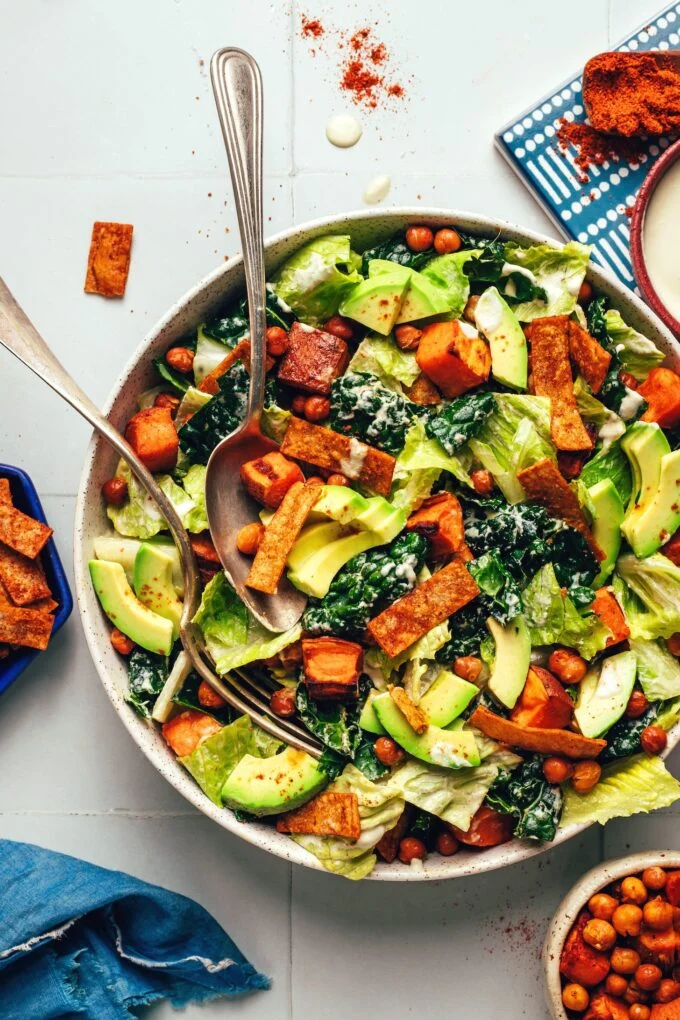

The culinary landscape of 2024 continues to be defined by a significant shift toward plant-forward dining, characterized by an increasing demand for recipes that balance nutritional density with time efficiency. The Vegan Sweet Potato Chickpea Taco Salad emerges as a prominent example of this trend, offering a multifaceted meal solution that addresses the needs of the modern, health-conscious consumer. By integrating roasted root vegetables, protein-rich legumes, and a sophisticated nut-based dressing, the dish provides a comprehensive alternative to traditional meat-based taco salads. This development highlights a broader movement within the food industry to elevate vegan offerings from simple side dishes to complex, satisfying main courses that can be prepared in under 30 minutes.

The Evolution of the Plant-Based Mainstay
The Vegan Sweet Potato Chickpea Taco Salad represents a strategic evolution of the "Sweet Potato Chickpea Taco" concept, a popular staple in the plant-based community. While the original taco format emphasized portability and traditional hand-held consumption, the salad adaptation prioritizes volume, texture diversity, and a higher ratio of leafy greens. This transition reflects a growing preference among consumers for "bowl-style" meals, which have gained traction in both fast-casual restaurant settings and home kitchens due to their perceived health benefits and aesthetic appeal.
The dish is built upon a foundation of contrasting textures and temperatures. The warmth of the roasted sweet potatoes and chickpeas provides a counterpoint to the crispness of the romaine and the heartiness of the kale. This interplay of ingredients is designed to satisfy the "umami" and "crunch" cravings typically associated with traditional taco salads, which often rely on ground beef and heavy dairy products.

Chronology of Preparation: The 30-Minute Efficiency Model
A critical factor in the widespread adoption of this recipe is its streamlined preparation timeline. In an era where home cooks increasingly report "time poverty" as a barrier to healthy eating, the 30-minute preparation window is a significant selling point. The chronology of the dish is structured to maximize kitchen efficiency through parallel processing.
- Initial Roasting Phase (Minutes 1–25): The process begins with the preparation of the sweet potatoes and chickpeas. These are seasoned with avocado oil, chili powder, smoked paprika, and salt before being placed in the oven. The use of avocado oil is notable for its high smoke point, which allows for effective roasting without the degradation of fats.
- Greens Preparation (Minutes 5–15): While the oven components are roasting, the focus shifts to the base of the salad. A combination of romaine lettuce and kale is utilized. The inclusion of kale provides a robust nutritional profile, including high levels of Vitamin K and fiber, while the romaine ensures the classic "snap" associated with taco salads.
- Dressing Emulsification (Minutes 15–20): The Jalapeño Cashew Dressing is prepared during the final stages of roasting. This component relies on high-speed blending to transform raw cashews into a creamy, dairy-free base. The addition of nutritional yeast and miso paste serves a dual purpose: providing a "cheesy" flavor profile and adding fermented depth.
- Assembly and Garnish (Minutes 25–30): The final phase involves the integration of the roasted elements with the fresh greens, followed by the addition of crushed tortilla chips for texture.
Nutritional Profile and Supporting Data
From a dietary perspective, the Vegan Sweet Potato Chickpea Taco Salad is positioned as a nutritionally complete meal. The data provided by nutritional analysis confirms that a single serving offers a balanced distribution of macronutrients.

- Caloric Content: At 442 calories per serving, the dish serves as a substantial meal without exceeding the typical caloric requirements for a standard lunch or dinner.
- Protein and Fiber: Each serving contains 12.6 grams of protein and 11.9 grams of fiber. The high fiber content, derived primarily from chickpeas and sweet potatoes, is essential for digestive health and sustained satiety. The 11.9g of fiber represents nearly 40-50% of the recommended daily intake for adults.
- Micronutrients: The salad is particularly rich in Vitamin A (4020 IU), largely due to the beta-carotene found in sweet potatoes. It also provides significant amounts of Vitamin C (24 mg), Calcium (142 mg), and Iron (4 mg), addressing common concerns regarding nutrient intake in vegan diets.
- Fat Composition: The fat content (19.4g) is primarily composed of monounsaturated and polyunsaturated fats (10.1g and 4.6g, respectively), sourced from cashews and avocado oil. These are widely recognized by health organizations as "heart-healthy" fats that support cardiovascular function.
The Science of Flavor: Plant-Based Umami
A common critique of plant-based salads is a perceived lack of depth in flavor. To counteract this, the Vegan Sweet Potato Chickpea Taco Salad utilizes specific culinary techniques to build "umami"—the savory fifth taste.
The roasting of chickpeas and sweet potatoes at high temperatures triggers the Maillard reaction, a chemical reaction between amino acids and reducing sugars that gives browned food its distinctive flavor. The addition of smoked paprika introduces a "charred" or "wood-fired" element that mimics the smokiness often found in grilled meats.

Furthermore, the Jalapeño Cashew Dressing is a masterclass in flavor balancing. The acidity of the lime juice cuts through the richness of the cashews, while the jalapeño provides a controlled heat. The most significant contributors to the savory profile are the nutritional yeast and miso paste. Nutritional yeast is a deactivated yeast that is a staple in vegan cooking for its nutty, salty, and cheesy qualities. Miso, a traditional Japanese seasoning produced by fermenting soybeans, adds a salty, fermented complexity that lingers on the palate, effectively replacing the role of aged cheeses.
Broader Implications for the Food Industry
The rise of recipes like the Vegan Sweet Potato Chickpea Taco Salad has broader implications for the global food market. As more consumers adopt "flexitarian" diets—choosing to reduce meat consumption without fully committing to veganism—the demand for high-quality, plant-based recipes that do not feel like "deprivation" has surged.

Industry analysts suggest that the success of such dishes is driving innovation in the grocery sector. There has been a marked increase in the availability of "convenience vegan" ingredients, such as pre-soaked cashews, high-quality smoked spices, and ready-to-use miso pastes. Additionally, the recipe’s versatility allows for the inclusion of protein boosters like "smoky shredded tofu" or, for non-vegans, "Mexican shredded chicken," making it a bridge between different dietary preferences within a single household.
Environmental considerations also play a role in the promotion of this dish. The carbon footprint of plant-based proteins like chickpeas is significantly lower than that of beef or pork. By highlighting flavorful, satisfying alternatives, culinary influencers and recipe developers are contributing to a cultural shift that aligns with global sustainability goals.

Strategic Culinary Responses and Recommendations
For those seeking to maximize the potential of the Vegan Sweet Potato Chickpea Taco Salad, culinary experts suggest several modifications based on regional availability and dietary needs.
- Protein Enhancement: To elevate the protein content further, the addition of black beans or pepitas (pumpkin seeds) is recommended. Pepitas also add a zinc boost and additional crunch.
- Green Substitutions: While kale and romaine are preferred for their structural integrity, the recipe is noted for its flexibility. In regions where kale is less accessible, spinach or massaged Swiss chard can serve as viable substitutes, though they may offer less resistance to the heavy cashew dressing.
- Storage and Longevity: Journalistic analysis of the recipe’s "keeping power" suggests that while the salad is best enjoyed fresh to maintain the crunch of the tortilla chips and the texture of the greens, the roasted sweet potatoes and chickpeas can be prepared in bulk as part of a "meal prep" strategy. The dressing, due to its fermented miso and acidic lime components, can typically be stored in refrigeration for up to five days.
Conclusion
The Vegan Sweet Potato Chickpea Taco Salad is more than a simple recipe; it is a reflection of the current intersection between nutrition science, culinary efficiency, and environmental consciousness. By providing a detailed framework for a 30-minute, nutrient-dense meal, it addresses the core challenges of modern home cooking. As the plant-based movement continues to mature, the focus will likely remain on dishes that offer this level of complexity and satisfaction, proving that meat-free dining can be as robust and flavorful as traditional fare. The success of this salad underscores a fundamental truth in contemporary gastronomy: flavor and health are no longer mutually exclusive, but are instead the dual pillars of the modern plate.