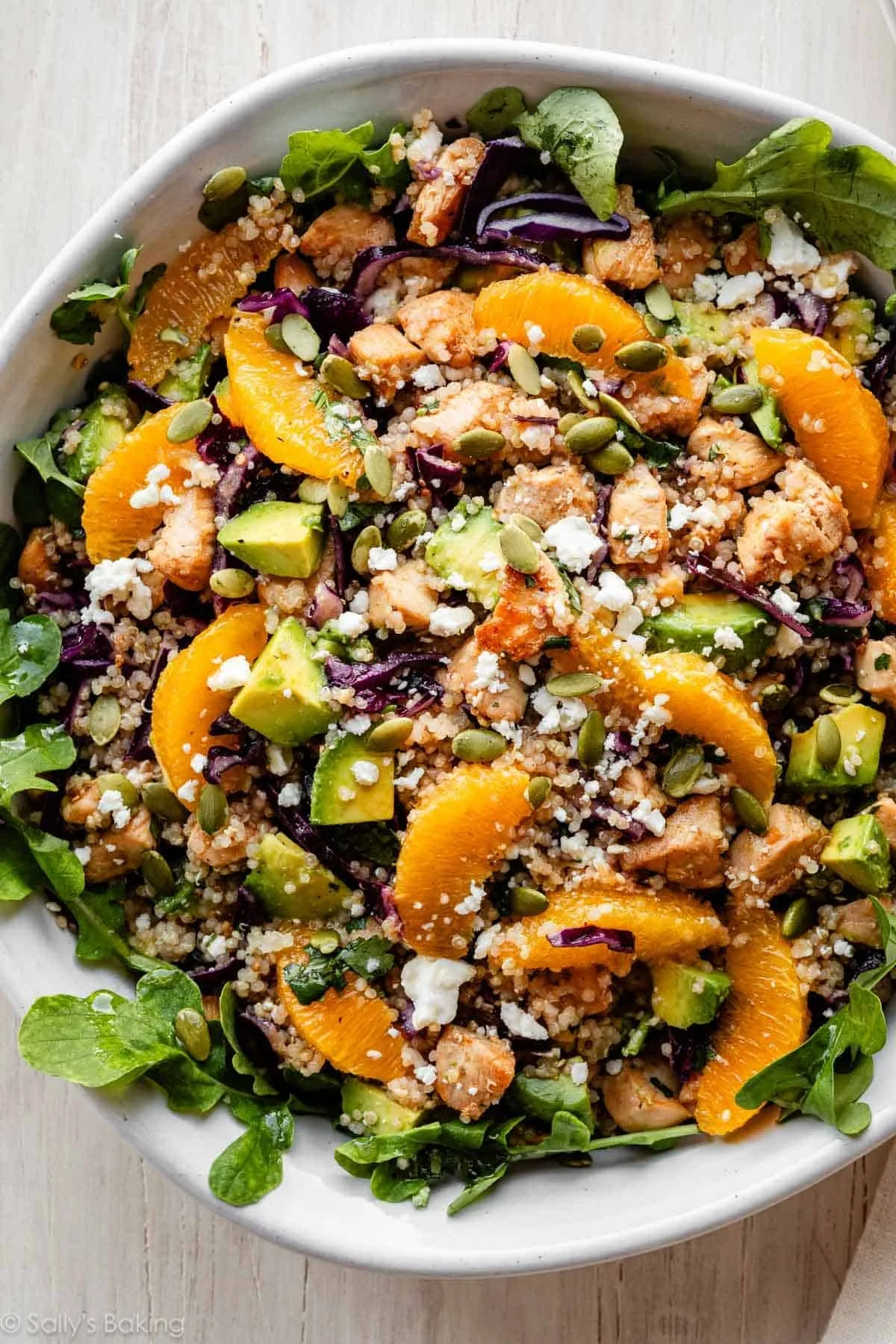

A beloved recipe, the Citrus Chicken Quinoa Salad, initially published in 2014 and recently updated, continues to stand as a testament to the enduring appeal of fresh, nutrient-dense, and convenient meals. This vibrant dish, characterized by its hearty combination of protein-rich chicken, wholesome quinoa, crisp red cabbage, creamy avocado, and zesty citrus, has garnered significant attention for its versatility as both a light dinner and a highly efficient make-ahead lunch option. Its naturally gluten-free composition further broadens its appeal within contemporary dietary landscapes.
A Decade of Culinary Evolution: The Recipe’s Journey
The original publication of the Citrus Chicken Quinoa Salad in 2014 marked its entry into a burgeoning digital culinary scene. At that time, online food blogs were rapidly gaining traction as primary sources for home cooks seeking inspiration beyond traditional cookbooks. The early 2010s also saw a rising tide of interest in healthy eating, meal preparation, and an increased awareness of dietary restrictions like gluten sensitivity. In this environment, a recipe like the Citrus Chicken Quinoa Salad, emphasizing fresh ingredients, robust flavor, and nutritional balance, quickly found an audience.
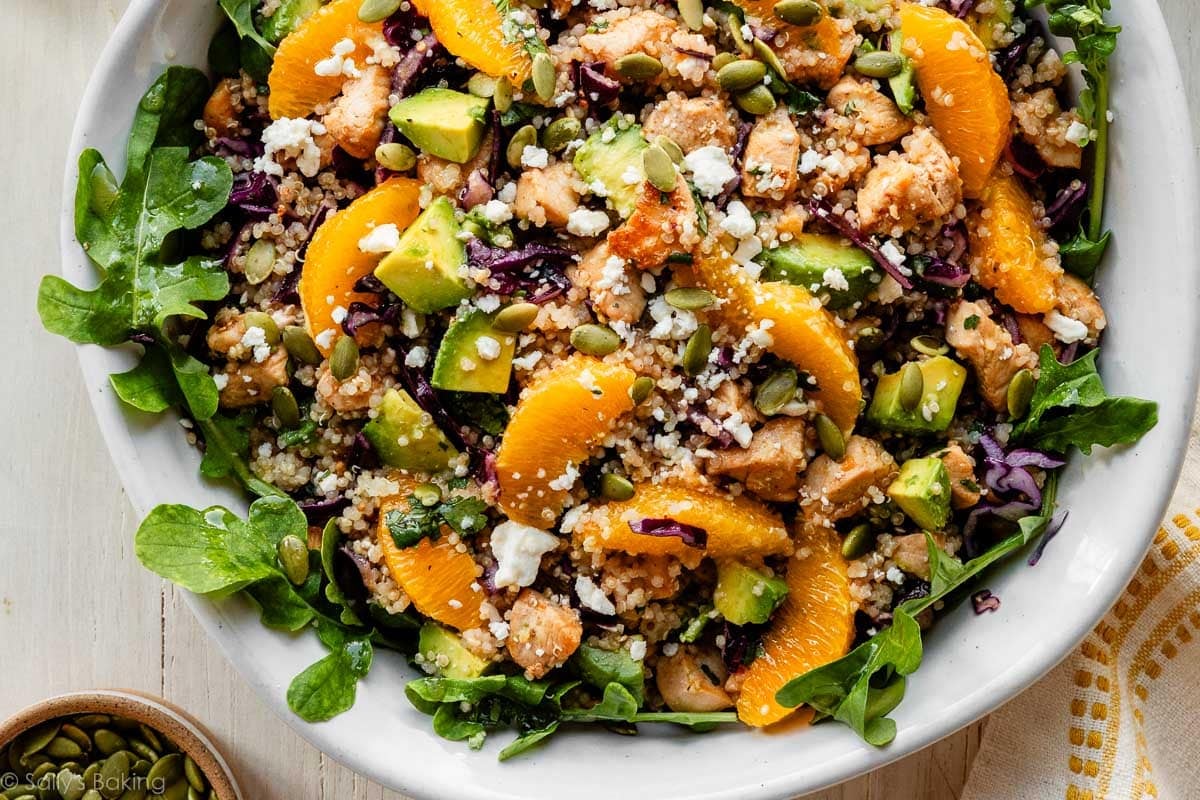
The decision to update the recipe, as recently undertaken by its creator, is indicative of a mature approach to digital content management and a commitment to maintaining relevance. This refresh involved not only new photographic documentation, enhancing visual appeal, but also refined "success tips" and potentially subtle adjustments to the recipe itself, reflecting years of user feedback and evolving culinary best practices. This chronological progression—from initial conception to a well-tested, optimized version—highlights the dynamic nature of digital recipes, which, unlike static print versions, can evolve and improve over time, continually serving a contemporary audience. The longevity of this particular recipe, spanning nearly a decade, underscores its intrinsic quality and its successful alignment with sustained consumer demand for healthy, convenient, and flavorful food solutions.
The Nutritional Powerhouse: Deconstructing Key Ingredients
The widespread acclaim for the Citrus Chicken Quinoa Salad is deeply rooted in its judicious selection of ingredients, each contributing significantly to both its flavor profile and its nutritional density.
-
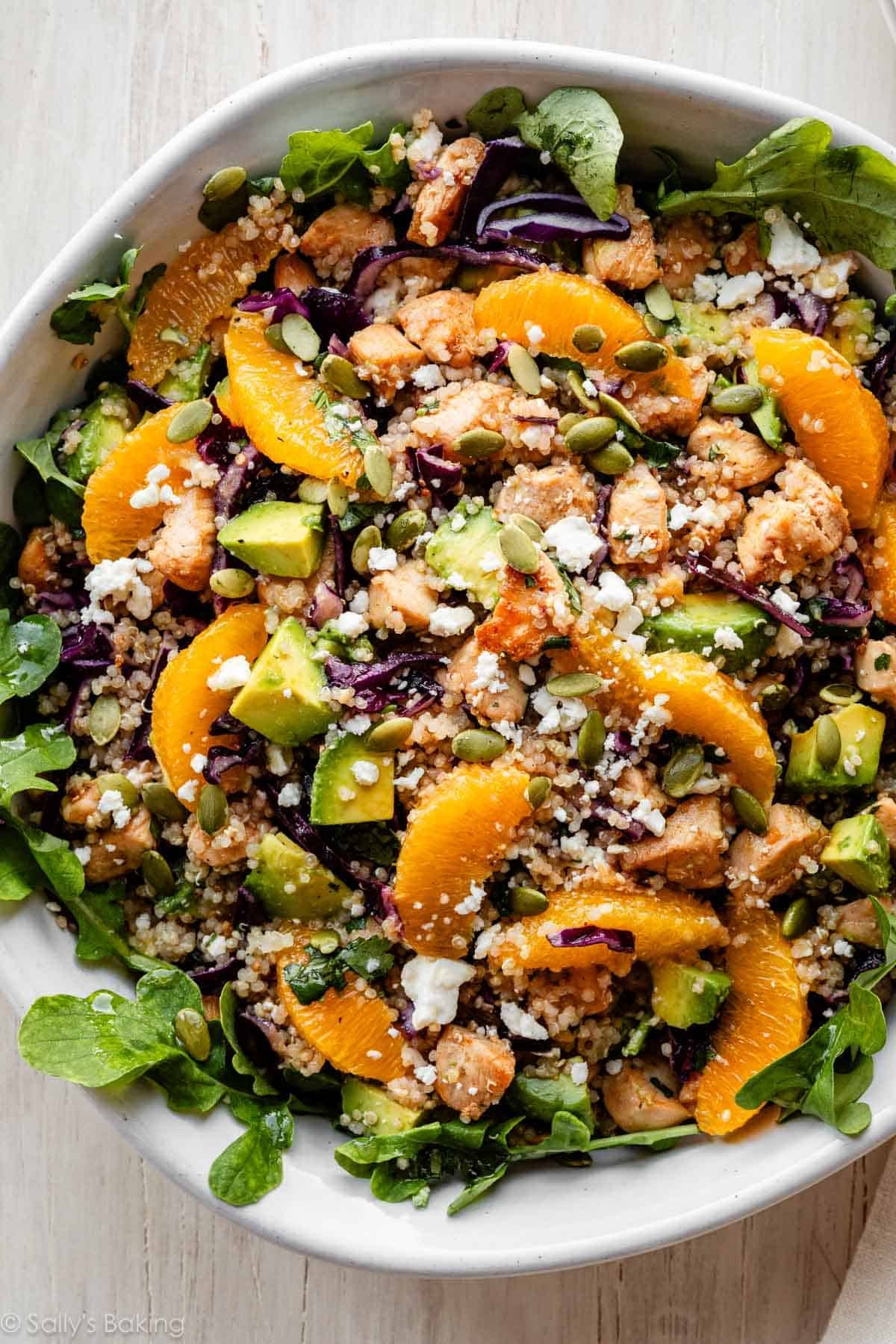
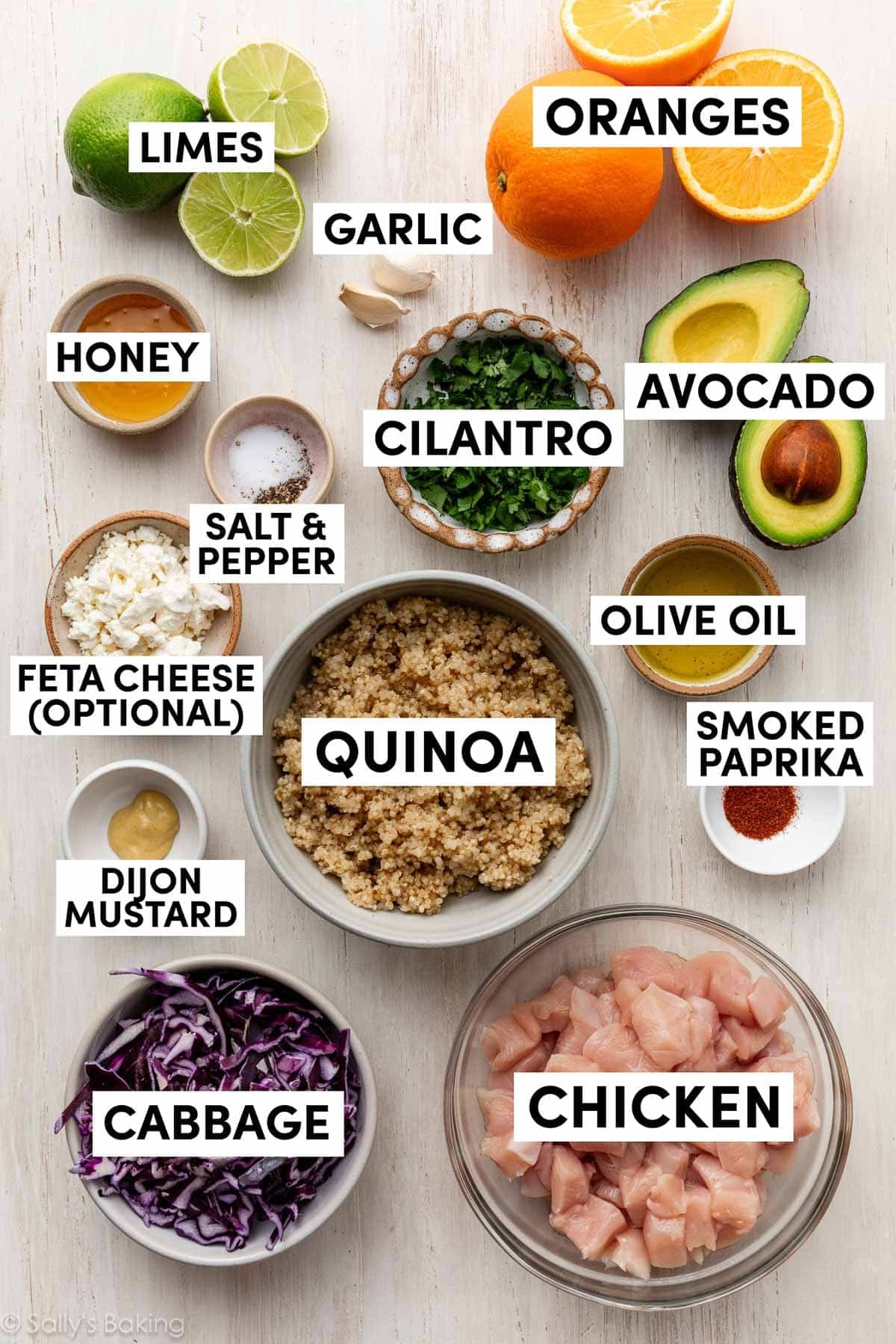
Quinoa: The Ancient Grain with Modern Appeal. Central to the salad’s hearty foundation is quinoa, a pseudo-cereal revered globally for its exceptional nutritional value. Technically a seed rather than a grain, quinoa has earned its "superfood" moniker due to its unique status as one of the few plant-based foods that provide all nine essential amino acids, making it a complete protein. This is a crucial attribute for vegetarians, vegans, and anyone seeking to diversify their protein sources. Beyond protein, quinoa is an excellent source of dietary fiber, contributing to digestive health and prolonged satiety. It is also packed with vital minerals such as magnesium, manganese, phosphorus, folate, and iron, along with various antioxidants. The mild, nutty flavor and fluffy texture of properly cooked quinoa make it an incredibly versatile base, readily absorbing the flavors of accompanying ingredients and dressings, a quality particularly beneficial in a make-ahead dish where flavors are encouraged to meld. The global quinoa market has seen substantial growth, driven by increasing consumer awareness of its health benefits and its gluten-free nature, making it a staple in health-conscious households.
-
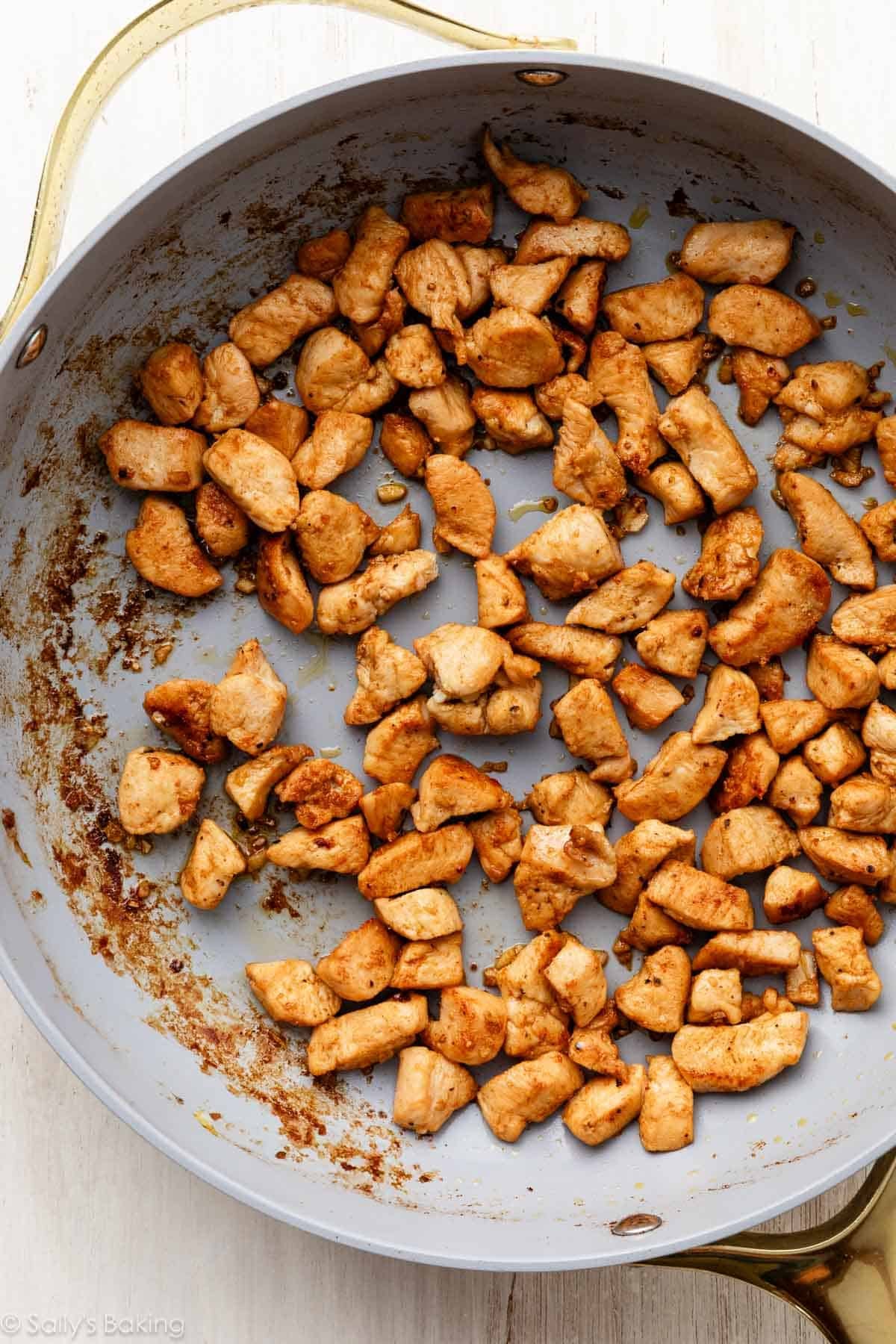
Tender Chicken: Lean Protein for Sustained Energy. The inclusion of tender chicken breast, seasoned simply with savory garlic and paprika, provides a significant lean protein boost. Protein is essential for muscle repair, immune function, and maintaining satiety, preventing mid-day energy slumps. The preparation method, cooking it in a skillet, ensures a flavorful and juicy component that integrates seamlessly with the other salad elements.
-
Zesty Citrus: A Burst of Freshness and Vitamins. Oranges are a primary source of the "zesty citrus flavor" that defines this salad. Rich in Vitamin C, a powerful antioxidant, citrus fruits contribute to immune health and collagen formation. Their natural sweetness and acidity provide a bright counterpoint to the savory chicken and earthy quinoa, elevating the overall taste experience. The use of citrus extends to the dressing, where fresh lime juice is a key component, further enhancing the vibrant profile.
-
Crunchy Red Cabbage and Creamy Avocado: Texture and Micronutrients. Red cabbage adds a delightful crunch, a vibrant splash of color, and a host of health benefits. It is rich in vitamins C and K, and its distinctive purple hue is due to anthocyanins, potent antioxidants. Avocado, on the other hand, contributes a creamy texture and a wealth of monounsaturated healthy fats, which are beneficial for heart health and nutrient absorption. It also provides fiber, potassium, and various vitamins.
-
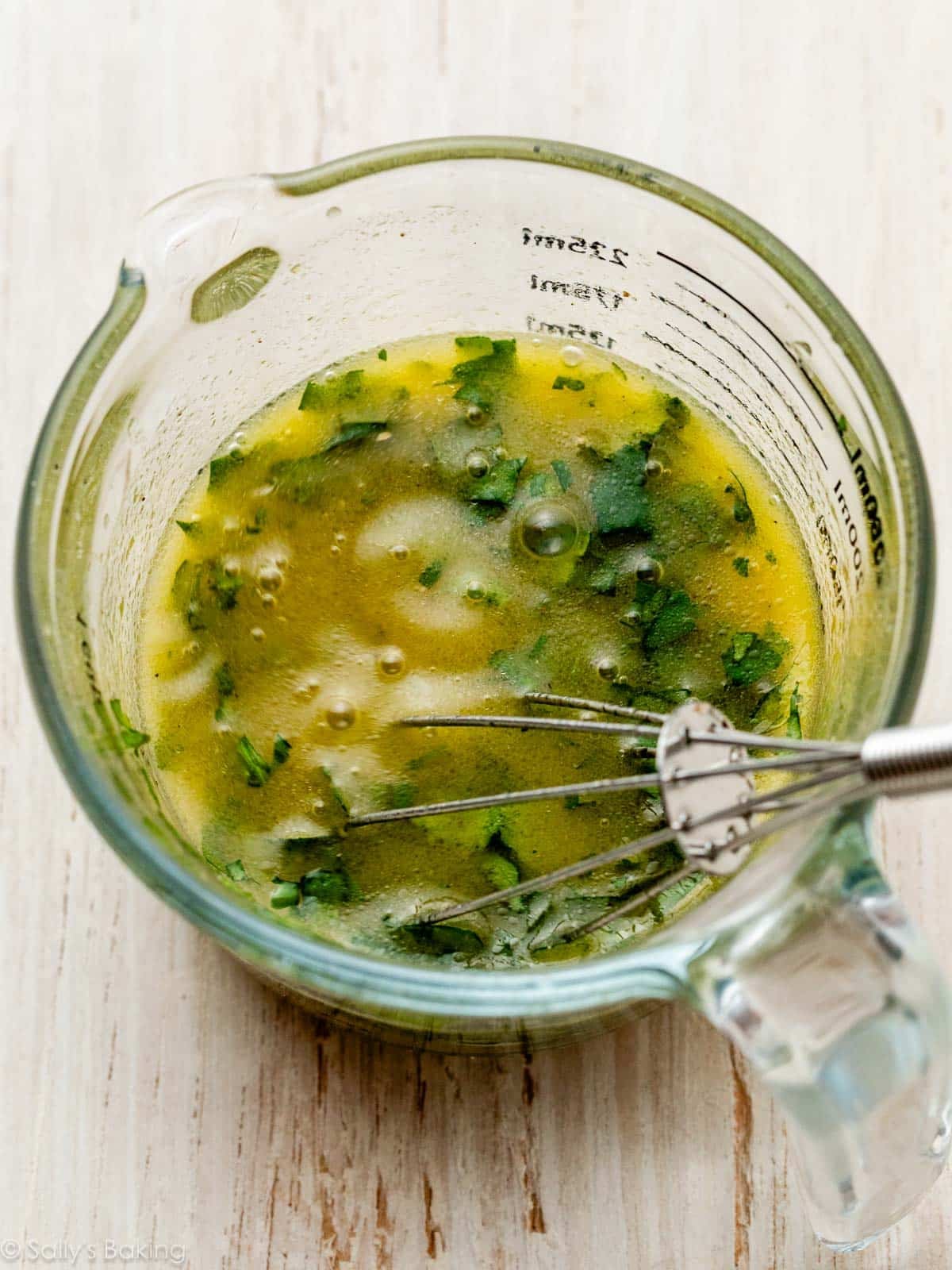
Honey-Cilantro-Lime Dressing: The Unifying Element. The bright honey-cilantro-lime dressing acts as the culinary glue, tying all the diverse flavors and textures together. Honey offers a natural sweetness, balancing the acidity of the lime, while fresh cilantro introduces a herbaceous, aromatic quality. This dressing is not only flavorful but also relatively light, maintaining the salad’s healthy profile.
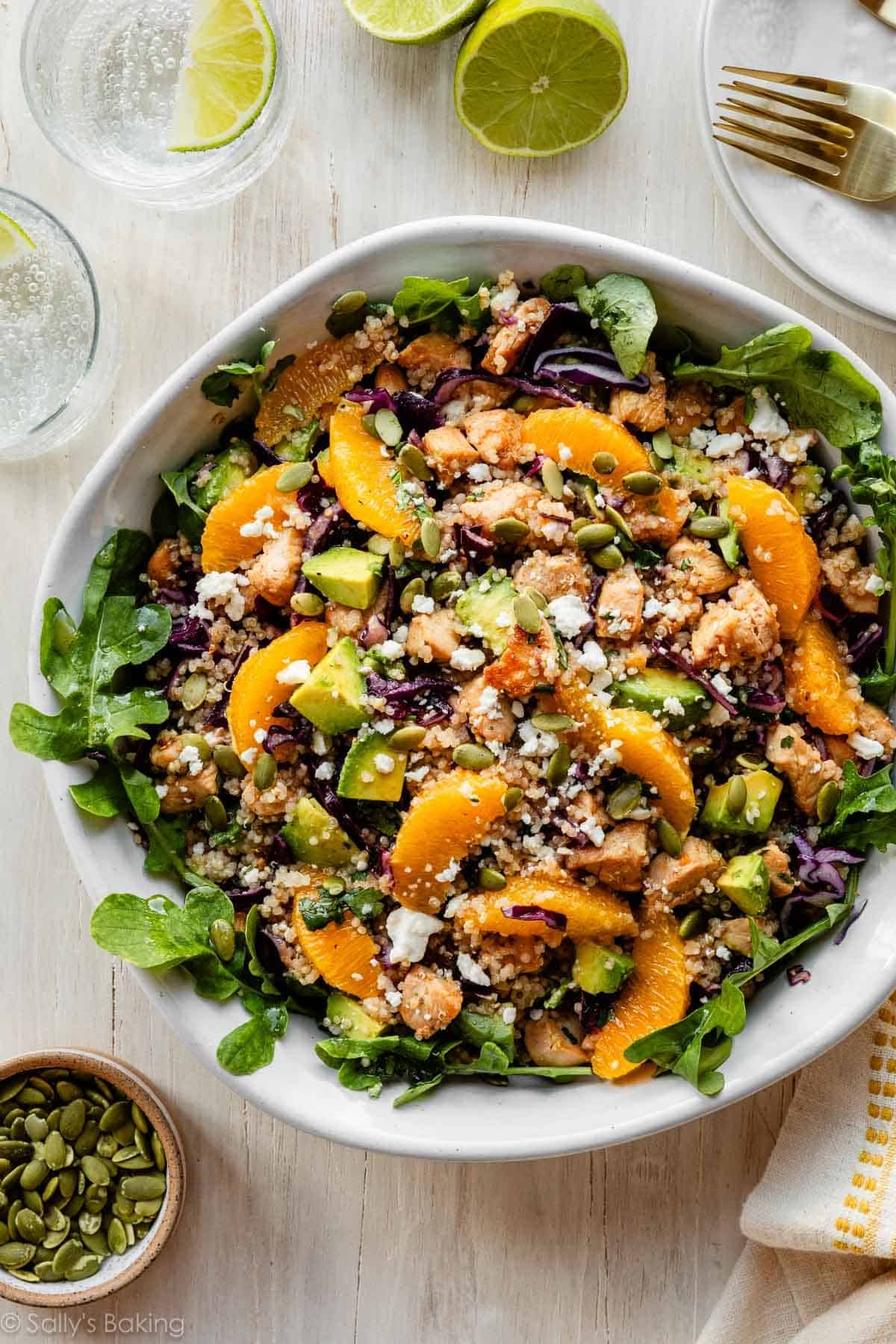
Beyond the Plate: Catering to Modern Lifestyles
The Citrus Chicken Quinoa Salad’s popularity transcends mere taste, tapping into broader lifestyle trends and practical needs of contemporary consumers.
-
The Meal Prep Revolution: One of its most celebrated features is its suitability for meal preparation. The article explicitly notes that "the leftovers taste even better the next day," and that it "keeps well in the refrigerator for up to 5 days." This characteristic is invaluable in an era where time efficiency is paramount. The global meal kit and meal prep market has experienced exponential growth, with projections indicating continued expansion. Consumers are increasingly seeking convenient solutions that do not compromise on nutritional quality or flavor. This salad directly addresses this demand, offering a ready-to-eat, wholesome meal that can be prepared in advance, saving precious time during busy weekdays. The fact that the quinoa absorbs the dressing over time, deepening the flavors, is a significant advantage, ensuring that the meal remains enjoyable throughout the week.
-
Versatility and Customization: Adapting to Diverse Palates. The recipe’s inherent flexibility is another key to its enduring appeal. The suggested variations — substituting grapefruit or clementines for oranges, adding feta or pepitas, or swapping chicken for chickpeas or shrimp — illustrate its adaptability. This is crucial in a diverse culinary landscape where individual dietary preferences, allergies, and ingredient availability vary widely. The ability to customize a base recipe empowers home cooks, encouraging creativity and ensuring that the dish can be enjoyed by a broader audience. This aligns with a growing consumer trend towards personalized nutrition and flexible eating patterns. For instance, the option to replace chicken with chickpeas caters to vegetarian or plant-forward diets, reflecting the increasing adoption of such eating habits globally.
-
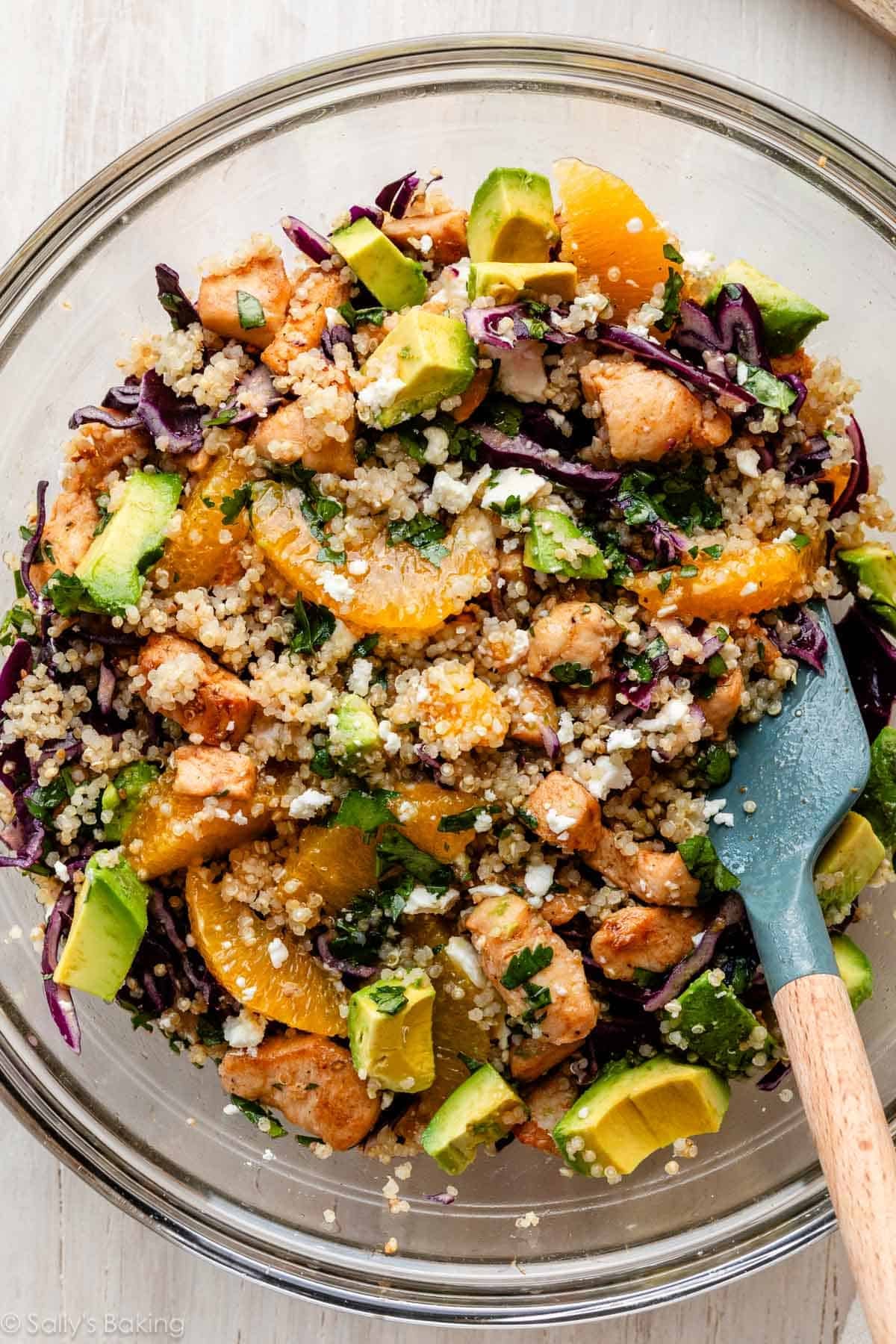
Satiety and Satisfaction: A "Hearty" Salad. Addressing the common critique of salads as insubstantial, this recipe is specifically designed to be "hearty" and "actually fill you up." The combination of complex carbohydrates from quinoa, lean protein from chicken, healthy fats from avocado, and fiber from various vegetables ensures a meal that promotes sustained satiety. This focus on providing a truly satisfying experience elevates it beyond a mere side dish, positioning it as a complete, wholesome meal solution.
The Voice of the Consumer: Public Reception and Endorsement
The true measure of a recipe’s success in the digital age often lies in the feedback it garners from its users. The included reader comments serve as compelling testimonials to the Citrus Chicken Quinoa Salad’s exceptional qualities. Annette’s comment, "This was incredibly delicious. I was skeptical at first with the oranges in the salad, however—WOW—the flavors, textures, and taste were fantastic. I had it for my dinner tonight and it is filling, I can’t wait for lunch tomorrow to have it again (leftovers)," highlights several critical points. Firstly, it addresses initial skepticism regarding an unconventional ingredient pairing (oranges in a savory salad), underscoring the recipe’s ability to surprise and delight. Secondly, it validates the sensory experience, praising the "flavors, textures, and taste." Finally, it confirms the dish’s filling nature and its success as a make-ahead meal, reinforcing key benefits.
Alex’s comment further corroborates these points: "I discovered this recipe last summer and have been anxiously awaiting warmer weather so I could add it back to our dinner rotation! So delicious. Tastes even better cold the next day. Can easily sub grapefruit or clementines for the oranges/juice." This feedback speaks to the recipe’s seasonal appeal, its superior taste as a leftover, and its inherent versatility, with specific suggestions for ingredient substitutions. Such organic, unsolicited endorsements are invaluable in establishing a recipe’s credibility and fostering trust within the online culinary community. They demonstrate that the recipe not only meets but often exceeds user expectations, solidifying its place in their regular meal rotations. The consistent praise for its "make-ahead" quality and improved taste over time is a recurring theme, cementing its status as a reliable choice for busy individuals.
The Broader Culinary Landscape: Trends in Healthy Eating
The sustained popularity of recipes like the Citrus Chicken Quinoa Salad is reflective of broader, long-term shifts in global dietary patterns and consumer preferences. There is an undeniable and growing emphasis on health and wellness, driving demand for nutritious yet delicious food options. The concept of "clean eating," while sometimes debated, has fostered a greater appreciation for whole, unprocessed ingredients.
The salad aligns perfectly with several prevailing dietary trends:
- Protein-Packed Meals: The high protein content from both chicken and quinoa appeals to individuals focused on fitness, weight management, or simply ensuring adequate protein intake for satiety and muscle maintenance.
- Gluten-Free Options: With a significant portion of the population either diagnosed with celiac disease, experiencing gluten sensitivity, or simply choosing to reduce gluten intake, naturally gluten-free recipes like this are highly sought after.
- Plant-Forward Eating: While not vegetarian, the significant inclusion of vegetables, fruits, and a plant-based grain like quinoa reflects a broader movement towards increasing plant intake, even among omnivores.
- Whole Foods Focus: The recipe champions fresh, recognizable ingredients over processed components, aligning with a desire for transparency and simplicity in food choices.
These trends are not fleeting fads but rather represent a fundamental recalibration of how consumers approach food, prioritizing both well-being and gastronomic enjoyment. The Citrus Chicken Quinoa Salad exemplifies a successful culinary creation that skillfully navigates these evolving preferences.
From Baking Blog to Balanced Meals: A Strategic Diversification
The creator’s self-acknowledgement of being "known for my baking recipes" yet choosing to share this savory salad is a noteworthy point. It illustrates a strategic diversification often seen in successful digital content platforms. While specializing in a niche (baking) can build a loyal audience, expanding into related but distinct areas (savory meals, healthy eating) can broaden reach and cater to the holistic needs of an existing audience. Many individuals who enjoy baking also seek balanced, nutritious meals. This expansion demonstrates an understanding of the audience’s multifaceted interests and a willingness to provide value beyond the primary focus. This approach strengthens the overall brand, positioning the platform as a comprehensive resource for culinary inspiration, rather than being confined to a single category. The success of this salad suggests that such diversification can be highly effective, resonating with an audience that values both indulgence and well-being.
Methodological Clarity and Ease of Preparation
Beyond its ingredients and versatility, the preparation method of the Citrus Chicken Quinoa Salad contributes to its appeal. The recipe is structured into clear, manageable steps:
- Cooking Quinoa: Emphasizing the crucial step of rinsing quinoa to remove saponin (which can impart a bitter taste) ensures optimal flavor and texture.
- Cooking Chicken: A straightforward skillet preparation method for the chicken, seasoned for maximum flavor.
- Assembling the Salad: A simple combination of pre-cooked components.
- Making the Dressing: A quick whisking of fresh ingredients.
This streamlined process makes the recipe accessible to cooks of all skill levels, from beginners to experienced chefs looking for efficient meal solutions. The emphasis on "easy to make" is a significant draw for busy individuals who may lack extensive time for elaborate meal preparation.
In conclusion, the Citrus Chicken Quinoa Salad, through its initial publication and subsequent refresh, represents more than just a recipe; it is a microcosm of contemporary culinary trends and successful digital content creation. Its blend of nutritional density, vibrant flavors, practical make-ahead qualities, and adaptability has cemented its status as a staple for health-conscious individuals seeking convenient and delicious meal solutions. Its journey from a baking blog’s occasional savory offering to an enduring favorite underscores the power of well-crafted, user-centric recipes in shaping modern eating habits and fulfilling the evolving demands of a global audience. The sustained positive feedback and its natural alignment with prevailing dietary preferences ensure its continued relevance in the dynamic world of food and nutrition.