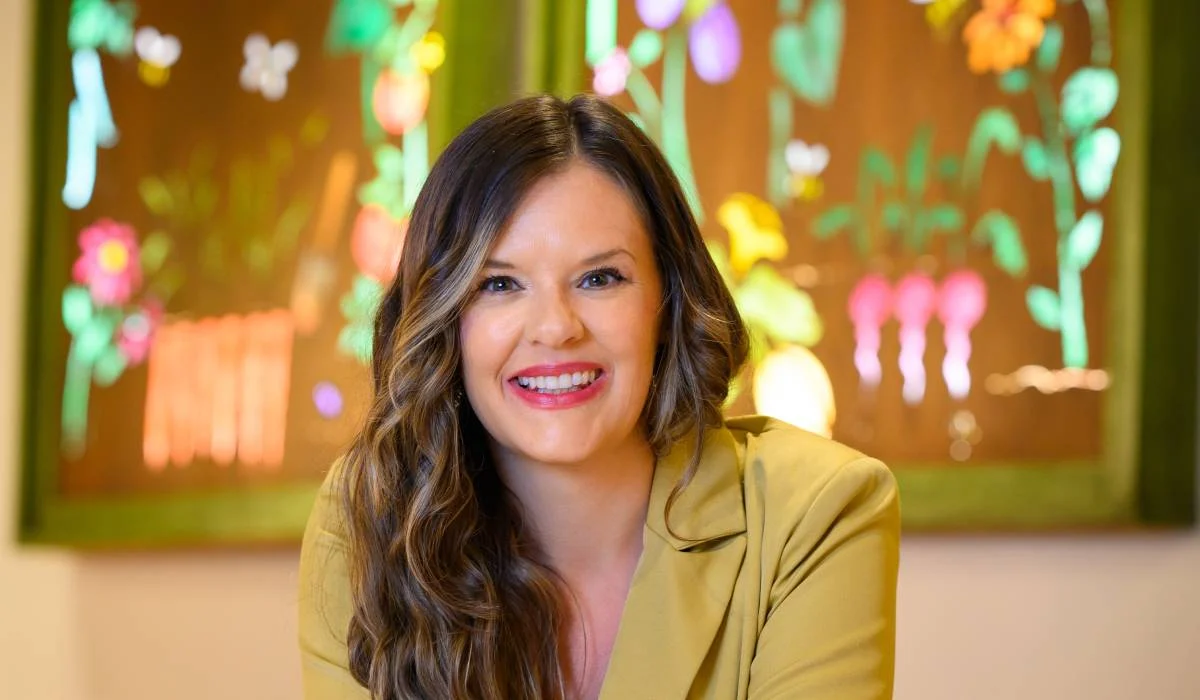

The landscape of executive leadership in the American hospitality sector is undergoing a profound transformation, driven by a desire for greater flexibility, the rise of specialized consultancy, and the necessity of navigating unprecedented external crises. Caroline Skinner, the former Chief Operating Officer of the acclaimed restaurant group Tupelo Honey, stands at the center of this shift. After more than thirteen years helping scale a regional Southern staple into a national contender, Skinner has transitioned into a new chapter as a fractional executive with The C Society. Her journey, marked by the dual challenges of a career pivot and the personal devastation wrought by Hurricane Helene on her home of Asheville, North Carolina, offers a blueprint for modern leadership in an era defined by volatility.
A Legacy of Growth: The Tupelo Honey Era
Caroline Skinner’s tenure at Tupelo Honey is a case study in disciplined operational scaling. Joining the organization over a decade ago, she was instrumental in transforming the brand from a localized Asheville favorite into a multi-state powerhouse known for its "people-first" culture and sophisticated operational infrastructure. During her time as COO, Skinner oversaw significant unit-level expansion, navigating the complexities of entering diverse markets while maintaining the brand’s core identity.
Her strategy at Tupelo Honey was built on three primary pillars: financial acumen, operational rigor, and the integration of people-first technology. Under her guidance, the company moved away from traditional, often siloed management styles toward a model of P&L accountability at every level of the organization. This shift ensured that general managers were not merely administrators but business owners capable of driving profitability and customer loyalty.
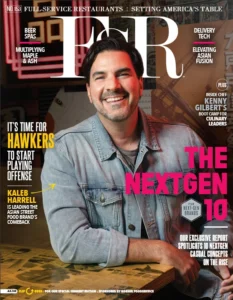
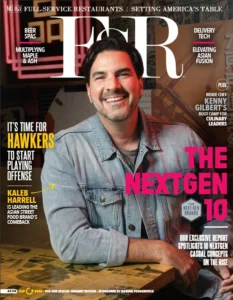
Furthermore, Skinner championed the use of technology as a tool for empowerment rather than a replacement for human hospitality. By implementing advanced labor management systems and customer loyalty platforms, she provided the brand with the data necessary to make informed decisions while freeing up floor staff to focus on the guest experience. This period of Skinner’s career culminated in her being featured as a "Rising Star" on the cover of FSR magazine in September 2024, a recognition of her influence on the broader casual dining industry.
Chronology of Crisis: Hurricane Helene and the Asheville Recovery
Shortly after her professional recognition in late 2024, the trajectory of Skinner’s life and career was interrupted by Hurricane Helene. The storm, which caused catastrophic flooding and infrastructure failure across Western North Carolina, hit Asheville with unprecedented force. For Skinner, a resident and a leader deeply embedded in the local business community, the disaster was both a personal trial and a professional catalyst.
The timeline of the crisis highlights the suddenness with which the hospitality industry can be upended:
- Late September 2024: Hurricane Helene makes landfall, causing historic flooding in the French Broad and Swannanoa River valleys.
- October 2024: Asheville’s River Arts District and many iconic downtown hospitality venues are largely destroyed or rendered inaccessible.
- November 2024: The community enters a prolonged phase of recovery, dealing with water shortages and the loss of the autumn tourism season, which typically accounts for a significant portion of annual revenue for local restaurants.
Skinner’s reflections on this period emphasize the psychological toll of "survival mode." In the immediate aftermath of the storm, leadership became a matter of basic human necessity—ensuring the safety of teams and the security of physical assets. However, she notes that the long-term challenge for leaders is moving out of the "fight-or-flight" headspace. This transition requires intentionality, rest, and a reconnection with one’s intellectual and strategic capabilities, which can often be suppressed during a crisis.
The Rise of the Fractional C-Suite Model
As Skinner navigated the recovery of her community, she also finalized a major professional transition. Departing from her full-time role at Tupelo Honey, she joined The C Society, a fractional C-suite hospitality collective founded by Toni Ronayne, the former brand president of Perkins American Food Co.
The "fractional" model is a growing trend in the executive world, particularly within industries like hospitality where margins are thin and the cost of top-tier talent can be prohibitive for mid-sized or emerging brands. In this model, high-level executives like Skinner serve as a CEO, COO, or CHRO for multiple organizations on a part-time or project basis.
According to industry data, the demand for fractional leadership has surged by over 30% in the last two years. For restaurant brands, this model solves several critical problems:
- Cost Efficiency: Brands can access the expertise of a seasoned COO without the $250,000+ annual salary and benefits package required for a full-time hire.
- Specialized Focus: Fractional leaders are often brought in to solve specific problems—such as scaling infrastructure, preparing for an exit, or navigating a turnaround—allowing the permanent team to focus on daily operations.
- Speed of Implementation: Experienced leaders can bypass the learning curve, bringing proven roadmaps to a new organization immediately.
In her current capacity, Skinner has already begun applying her expertise to a 100-year-old legacy brand, helping them build new operational and HR infrastructures to support modern growth.
Strategic Analysis: Leadership Beyond the Title
Skinner’s pivot highlights an evolving definition of leadership. In her view, leadership is increasingly becoming less about managing large hierarchies and more about the precision of ideas and problem-solving. She argues that a highly skilled "individual contributor" at the executive level can often be more effective than a large team burdened by competing priorities.
This perspective is particularly relevant in the current economic climate. The hospitality industry continues to face headwinds, including fluctuating commodity prices, a tightening labor market, and changing consumer behaviors driven by inflation. Skinner’s "operator-first" mindset allows her to look at a P&L through the lens of a founder while applying the rigor of a corporate executive.
Her approach to fractional leadership involves a disciplined methodology:
- Problem Identification: Moving beyond the "reactive" nature of daily restaurant operations to find the root cause of systemic issues.
- Roadmap Creation: Providing a clear, actionable plan for resolution that the existing team can execute.
- Focus: Maintaining a distance from the "day-to-day noise" to ensure that strategic objectives are met.
Broader Impact and Industry Implications
The transition of leaders like Caroline Skinner from single-brand roles to broader advisory positions reflects a larger shift in the hospitality ecosystem. As the industry becomes more data-driven and technologically complex, the gap between "mom-and-pop" operations and "corporate" giants continues to widen. Fractional leadership acts as a bridge, giving smaller and mid-market players the tools they need to compete.
Moreover, Skinner’s experience with Hurricane Helene underscores the vital role of restaurants in community fabric. In Asheville, the loss of iconic dining venues was felt as a loss of cultural identity. Skinner’s advocacy for allowing operators to be deeply embedded in their local communities serves as a reminder that even in a globalized industry, the most successful brands are those that maintain a sense of "place."
From a labor perspective, Skinner’s move also signals a change in how executives view their own careers. The "power of owning your time," as she describes it, is becoming a primary motivator for high-level talent. This shift suggests that traditional restaurant groups may need to rethink their executive retention strategies, offering more flexibility and autonomy to keep top-tier leaders from moving into the fractional space.
Conclusion: Lessons in Reinvention
Caroline Skinner’s journey over the past year—from the cover of a major industry magazine to the front lines of a natural disaster, and finally to a new model of executive leadership—serves as a testament to the power of resilience. Her story is not just about a career change; it is about the necessity of constant reinvention in a world where the only certainty is change.
As she continues her work with The C Society and explores new frontiers in AI and tech through her husband’s startup, Skinner remains a vocal advocate for people-first leadership. Her ability to synthesize 13 years of operational experience into a flexible, high-impact advisory role offers a glimpse into the future of work for the hospitality industry.
For founders, investment-backed portfolios, and executive teams, the lesson from Skinner’s pivot is clear: success in the modern era requires more than just a good product; it requires the decisiveness to act in a crisis, the humility to reconnect with one’s own voice, and the strategic foresight to embrace new models of leadership. As the industry looks toward 2025 and beyond, the insights of leaders who have weathered both corporate growth and literal storms will be more valuable than ever.