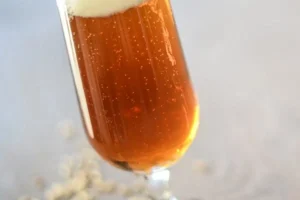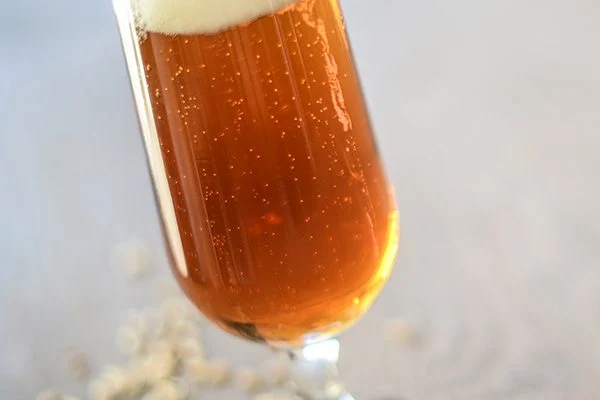

The art of craft brewing reached a new pinnacle this year as the American Homebrewers Association (AHA) announced the results of the 2026 National Homebrew Competition Final Round. Among thousands of hopeful participants from across the globe, Greg Winterburn of Rockaway, New Jersey, distinguished himself by securing a coveted gold medal in Category 11: Scottish and Irish Ale. Winterburn triumphed in a fiercely competitive field, navigating a rigorous judging process that evaluated 90 distinct entries within his specific category alone.
Operating independently without a registered homebrew club affiliation, Winterburn’s achievement highlights the exceptional caliber of solo practitioners within the contemporary amateur brewing community. His award-winning recipe exemplifies the dedication, technical precision, and deep understanding of historical brewing styles required to impress a panel of master judges. As the craft beverage industry continues to evolve, victories at the national level serve as a powerful testament to the innovation and passion flourishing in home kitchens and garages across the country.
The Anatomy of a Championship Brew: Category 11 Breakdown
The Scottish and Irish Ale category is historically recognized as one of the most technically demanding segments in the National Homebrew Competition. Judges look for a delicate balance of malt sweetness, authentic yeast characteristics, and clean fermentation profiles without excessive hop bitterness. Styles falling under this umbrella—ranging from traditional Scottish Light, Heavy, and Export ales to Irish Red ales—require meticulous temperature control and water chemistry adjustments to achieve authenticity.
Winterburn’s gold-medal-winning formulation stood out among 90 entries for its flawless execution and adherence to style guidelines. While competition recipes often remain closely guarded secrets until officially published by the AHA, winning entries typically feature precise mash schedules and exact grain bills designed to highlight rich caramel, toffee, and bready malt notes. For Winterburn, besting dozens of regional finalists in this category underscores an advanced grasp of brewing science and sensory evaluation.
A Rich History of Excellence: Background of the National Homebrew Competition
Established decades ago, the National Homebrew Competition has grown to become the world’s largest annual peer-evaluated beer, mead, and cider competition. Organized by the American Homebrewers Association, the event serves as the ultimate gathering ground for amateur brewers striving to perfect their craft. The competition operates on a multi-tiered structure, beginning with first-round local and regional qualifying events held across the United States.
Entrants who successfully advance from the first round earn the right to send their creations to the final round, where they are evaluated by some of the most respected palates in the commercial and amateur brewing spheres, including Certified and Master level judges from the Beer Judge Certification Program (BJCP). Winning a medal at this level is widely considered the highest honor an amateur brewer can achieve, frequently serving as a stepping stone for individuals looking to transition into professional commercial brewing.
The Chronology of the 2026 Competition Season
The road to the 2026 National Homebrew Competition Final Round spans nearly a full calendar year of preparation, brewing, and evaluation. The timeline for the competition cycle generally follows a strict schedule designed to ensure fairness and seasonal consistency across entries:

- Late Autumn / Early Winter: Registration opens for AHA members across all authorized chapters and regions. Brewers finalize their recipes, source specialized ingredients, and execute test batches to dial in their formulations.
- Early Spring: First-round competitions are conducted regionally. Thousands of entries are shipped to designated judging centers where BJCP-certified judges score each submission against established style guidelines.
- Late Spring: Results from the first round are tabulated and verified. Entrants who achieve qualifying scores advance their remaining bottles to the final round evaluation site.
- Mid-Summer: The final round judging takes place, bringing together elite judges to evaluate the top entries in every category. Gold, silver, and bronze medals are awarded, culminating in the announcement of the coveted Ninkasi Award, given to the most-awarded brewer in the competition.
- Post-Announcement: Winning recipes are cataloged and made available to the broader homebrewing community through platforms like the American Homebrewers Association archives, allowing enthusiasts to replicate championship-caliber beers.
Economic and Cultural Implications of Amateur Brewing
The success of independent brewers like Greg Winterburn resonates far beyond the walls of local competition halls. The amateur brewing sector plays a vital foundational role in the broader craft beer economy. Historically, a significant percentage of commercial craft breweries—now numbering in the thousands across North America—began as homebrewing operations. Innovators experiment with adjuncts, fermentation techniques, and historic revivals in small batches before scaling up for commercial distribution.
Furthermore, competitions like the National Homebrew Competition stimulate economic activity within specialized retail sectors. Equipment manufacturers, agricultural producers of specialty malts and hops, and analytical testing laboratories all benefit from an engaged, highly skilled base of hobbyists who invest heavily in their craft. When an independent brewer from a town like Rockaway, New Jersey, claims a national title, it validates the local supply chain and encourages regional suppliers, homebrew supply shops, and enthusiasts alike.
Perspectives from the Homebrewing Community
While individual competitors often maintain a modest profile regarding their victories, industry analysts and organizational leaders frequently emphasize the rigorous standards upheld by the evaluation panels. Representatives from the American Homebrewers Association regularly point out that the level of technical proficiency demonstrated by amateur brewers today frequently rivals—and occasionally surpasses—commercial standards.
"The dedication required to craft a gold-medal-winning beer out of ninety top-tier entries cannot be overstated," noted a representative familiar with national judging panels. "Brewers must master water chemistry, sanitation, recipe formulation, and sensory analysis. When someone enters without a formal club backing and takes gold, it speaks volumes about individual research, passion, and natural talent."
The absence of a listed homebrew club for Winterburn in official competition records also highlights the shifting demographics of the hobby. While clubs continue to provide invaluable community support, mentorship, and group feedback, the accessibility of online educational resources, digital brewing calculators, and advanced literature allows solitary hobbyists to achieve world-class results entirely on their own terms.
Looking Ahead: The Future of Craft and Competition
As the 2026 competition cycle concludes, attention quickly turns toward the future of the hobby. With consumer palates shifting toward both hyper-traditional historical styles and experimental modern fusions, homebrewers remain on the cutting edge of beverage innovation. Events like the National Homebrew Competition ensure that traditional brewing knowledge is preserved, honored, and continually refined.
For Greg Winterburn, the gold medal in Category 11 marks a defining moment in his brewing journey. Whether he chooses to use this prestigious accolade as a springboard into the professional brewing industry or continues to hone his craft strictly for the love of the hobby, his achievement permanently etches his name into the annals of American homebrewing history. As his winning Scottish and Irish Ale recipe joins the archive of medal-winning formulas accessible to AHA members, countless other brewers will undoubtedly study his success, aiming to replicate the standard of excellence established in Rockaway this year.