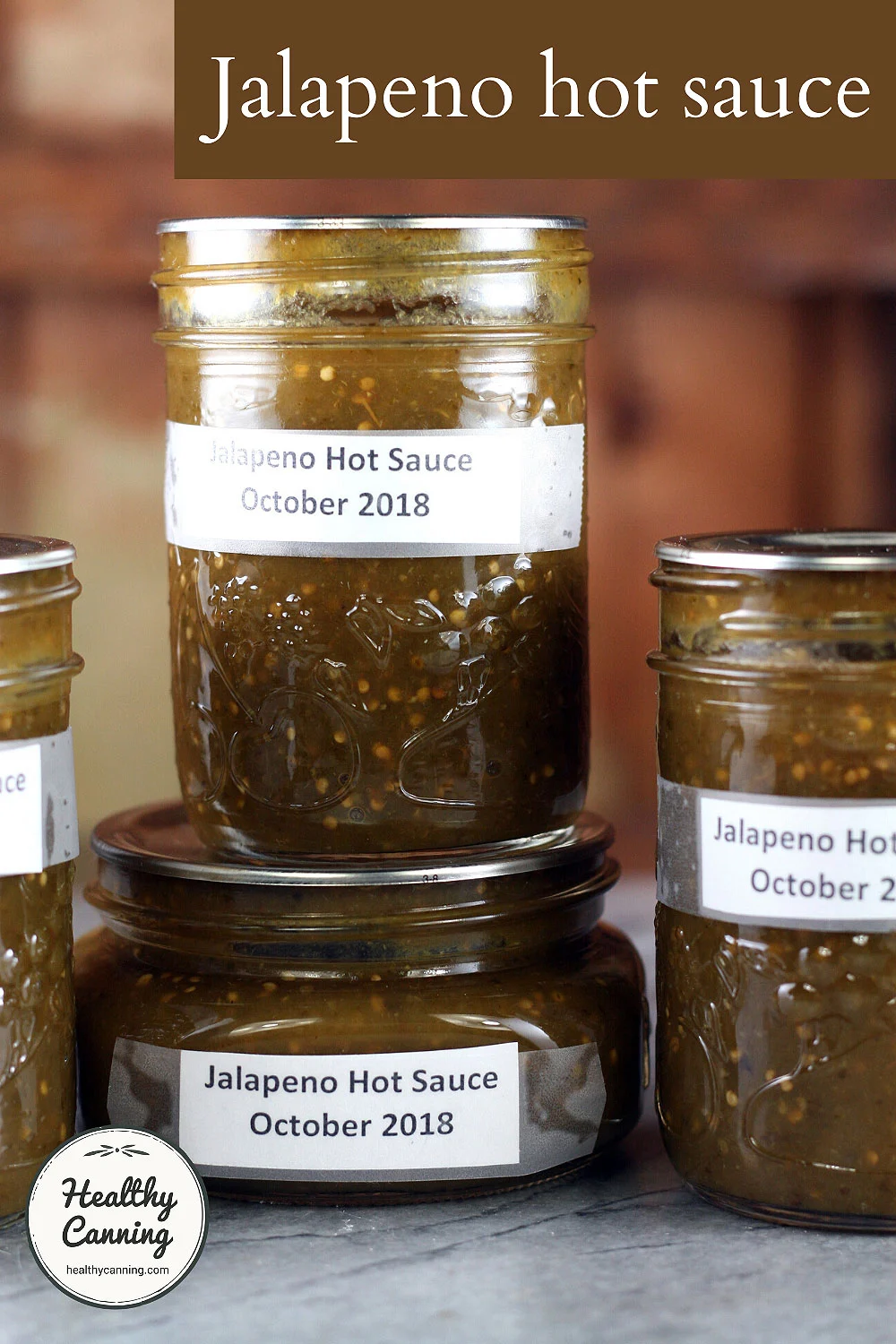

The preservation of home-cooked condiments has entered a new phase of culinary adaptation as home economists and canning enthusiasts increasingly look to official government frameworks to safely modify classic recipes. A prominent example of this trend is the adaptation of the United States Department of Agriculture’s standardized recipe for Cayenne Pepper Sauce. By substituting traditional red tomatoes with tangy tomatillos and standard hot peppers with green jalapeños, home canners have successfully developed a robust, spoonable green hot sauce that maintains the rigorous acidity levels required for safe shelf-stable food preservation.
The resulting condiment offers a thick texture and a fiery flavor profile that has garnered attention from food safety experts and culinary preservationists alike. While the modification remains faithful to the chemical parameters established by federal guidelines, it provides home gardeners and spicy-food enthusiasts with a practical method to utilize abundant late-summer harvests of jalapeños and tomatillos.
Background Context and the Science of Safe Canning
The foundation of this green hot sauce lies in the USDA Complete Guide to Home Canning, specifically its guidelines for producing vinegar-based pepper sauces. Historically, these standardized recipes yielded bright red cayenne or similar pepper sauces characterized by high acidity and a runny, splashable consistency. However, the science of home food preservation allows for certain ingredient substitutions provided that overall acidity—measured by pH levels—is strictly maintained.
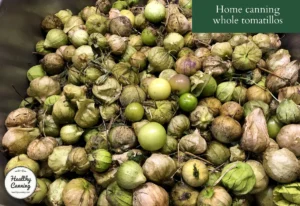
Tomatillos, members of the nightshade family native to Mexico, possess a naturally high acid content and a distinctively tart flavor profile that makes them an ideal substitute for tomatoes in acidic preserves. When combined with green jalapeños and standardized commercial vinegar (typically 5% acidity), the mixture satisfies the safety thresholds mandated by organizations such as the National Center for Home Food Preservation (NCHFP).

Food safety specialists emphasize that while vegetables like peppers and tomatillos have varying natural pH levels, the addition of measured quantities of acetic acid via vinegar creates an environment hostile to harmful pathogens, most notably Clostridium botulinum. Consequently, swapping red tomatoes for tomatillos and standard peppers for jalapeños preserves the safety margin of the original USDA formula while altering the color, viscosity, and flavor profile of the final product.
Chronology and Preparation Workflow
Preparing a batch of home-canned green jalapeño hot sauce requires a significant investment of time, spanning approximately four hours from preparation to the final cooling of the jars. The workflow is structured to ensure thorough cooking, blending, and thermal processing.
The process begins with an extensive preparation phase lasting roughly one hour. During this stage, canners must carefully select, wash, and core the green jalapeño peppers and husk the tomatillos. Due to the potency of capsaicin found in large quantities of jalapeños, culinary safety protocols strongly advise the use of gloves and proper ventilation during preparation to prevent skin and eye irritation.
The cooking phase follows, taking approximately three hours. The ingredients are combined in a non-reactive pot with vinegar and simmered down to break down the cellular structures of the tomatillos and peppers, allowing the mixture to thicken naturally into a spoonable condiment. Once the desired consistency is achieved, the hot sauce is blended until smooth and ladled into prepared jars.
The final stage involves thermal processing using either a boiling-water bath or a steam canner. Standardized instructions call for leaving a precise two-centimeter (half-inch) headspace. Jars—whether sized at 125 milliliters (half-cup), a quarter-liter (half-pint), or a half-liter (pint)—are processed for 10 minutes, with necessary adjustments made for altitude to account for lower boiling points in mountainous regions. After processing, the jars are removed, cooled undisturbed for 12 to 24 hours, and checked for proper seal formation before long-term storage in a cool, dark pantry.
Yield, Nutritional Profile, and Dietary Metrics
The standard formulation yields a substantial volume, typically producing five half-liter (US pint) jars, equivalent to approximately 2.5 liters of finished hot sauce. Because of the large yield, culinary instructors frequently advise novice canners to calculate exact halved measurements on paper prior to beginning if they wish to produce a smaller quantity.
From a nutritional standpoint, the condiment is extremely low in calories and macronutrients, making it an attractive option for individuals monitoring their caloric intake, sodium levels, or specific dietary plans. Laboratory and nutritional analysis data per single-gram or single-tablespoon serving indicate that the sauce contributes virtually no fat, negligible protein, and very low sodium.
- Serving Size: 1 tablespoon (approximate)
- Calories: 8 kcal
- Carbohydrates: 1.6 grams
- Dietary Fiber: 0.3 grams
- Sugars: 0.8 grams
- Protein: 0.3 grams
- Fat: 0.1 grams
- Sodium: 2 milligrams
The inclusion of tomatillos adds trace amounts of dietary fiber and natural plant sugars, while the jalapeños contribute small quantities of vitamins A and C, though the thermal processing and acidic environment may degrade certain heat-sensitive nutrients over extended periods.
Official Warnings and Culinary Recommendations
Due to the sheer concentration of jalapeño peppers utilized in the recipe, the National Center for Home Food Preservation has issued explicit advisory notes distinguishing this condiment from milder, tomato-heavy salsas. Official commentary highlights that the preparation results in an exceptionally hot product.
Master Food Preservers and culinary experts recommend treating the green sauce as a potent condiment rather than a bulk food item. Suggested culinary applications include:
- Adding drops to heighten the heat profile of soups, stews, and braised meats.
- Incorporating the sauce into marinades for poultry, pork, or seafood to impart both acidity and intense spice.
- Blending small amounts into mayonnaise, sour cream, or yogurt to create spicy dipping sauces for appetizers and tacos.
Furthermore, food extension offices stress the importance of adhering strictly to approved vinegar concentrations. Canners residing in regions with differing commercial vinegar standards, such as Australia and New Zealand—where standard grocery store vinegars may possess lower acetic acid percentages than the North American 5% standard—must verify acid levels to ensure the preserved product remains safe against spoilage and pathogen growth.
Broader Implications for Home Food Preservation
The popularity of adapted USDA recipes like the green jalapeño hot sauce reflects a broader trend toward self-sufficiency and culinary experimentation within the home-canning community. As consumers increasingly seek locally sourced ingredients and look for ways to manage seasonal bumper crops of specialty produce like tomatillos and hot peppers, the demand for scientifically validated, flexible recipes continues to rise.
Agricultural extension services and university food science departments view these adaptations as a positive development, provided canners respect the boundaries of food chemistry. By demonstrating how safe substitutions can be executed without compromising public health, educational platforms empower home cooks to innovate responsibly. Ultimately, the successful preservation of high-acid pepper sauces underscores the enduring relevance of government-backed food safety guidelines in modern domestic kitchens.