
Historical Context and Evolution of the Cheesesteak
The origins of the cheesesteak are firmly rooted in the economic landscape of 1930s Philadelphia. According to records maintained by Visit Philadelphia, the dish was popularized by Pat and Harry Olivieri. Initially, the brothers operated a hot dog stand, but they pivoted their business model after experimenting with thin-sliced beef and grilled onions on a roll. The resulting sandwich, which eventually became a staple of the city’s culinary identity, was designed for rapid service and high-calorie satisfaction.
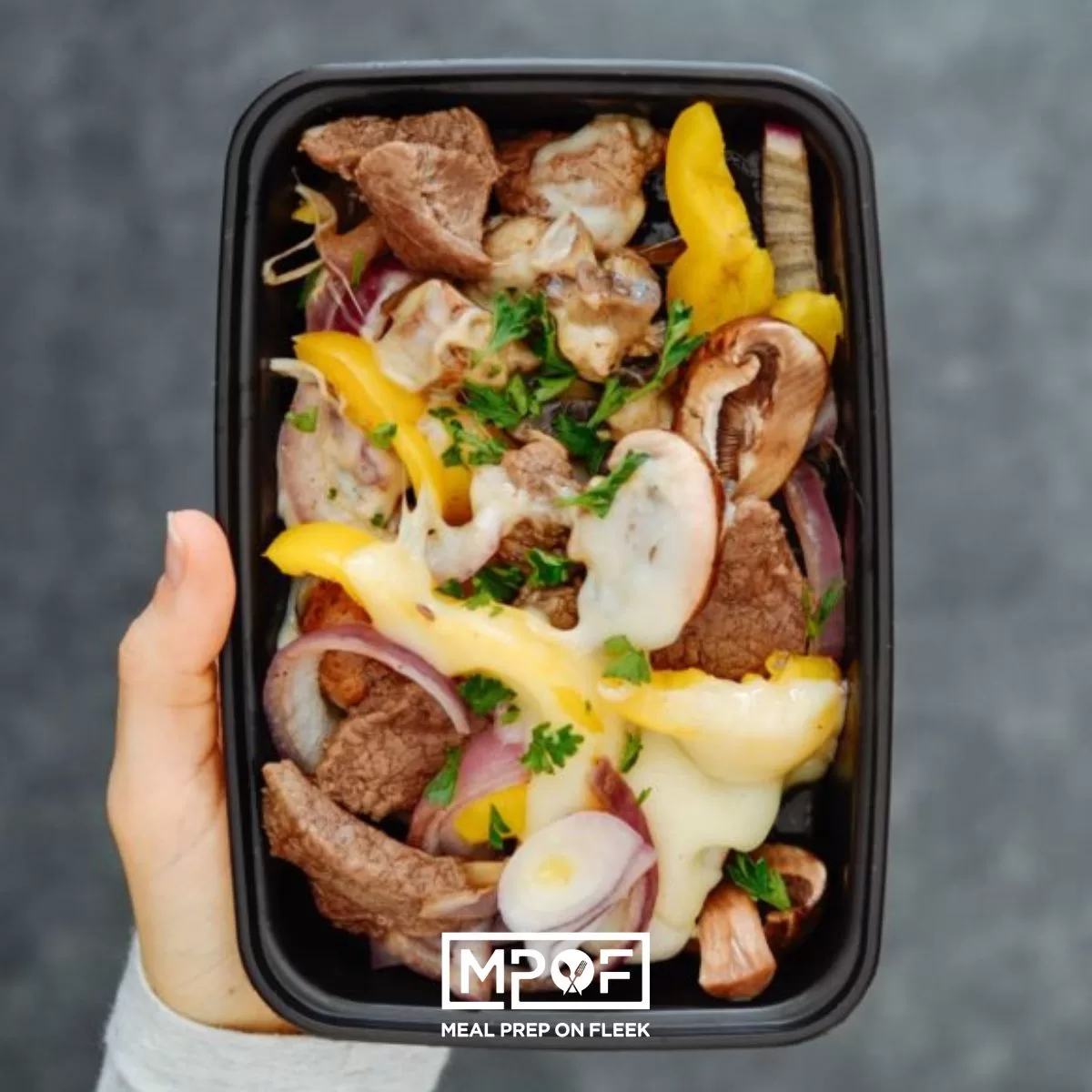
For decades, the standard preparation remained static: thin-sliced ribeye or sirloin, onions, and melted cheese (often Provolone, American, or Cheez Whiz) served on an Italian roll. However, the 21st-century shift toward low-carb diets and high-protein, ketogenic-friendly meal plans has forced a departure from this traditional format. Today, the "cheesesteak" has been abstracted into its core components—beef, aromatics, and fats—to accommodate the logistical needs of busy professionals who require durable, easily reheatable meals.
The Griddle vs. Skillet: Technical Analysis
The culinary technique employed to prepare this meal significantly alters the final product’s quality. While many home cooks rely on a standard non-stick skillet, the adoption of flat-top griddles for home use has improved the reproducibility of restaurant-style results.

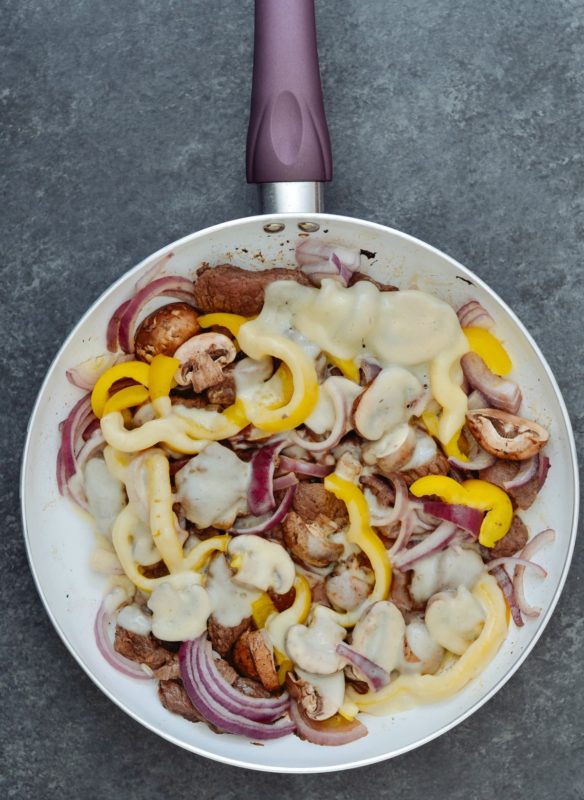
The primary advantage of the griddle is surface area and thermal mass. When preparing thin-sliced beef for meal prep, moisture management is critical. In a deep skillet, the beef is prone to steaming, which can lead to a gray, boiled texture. A flat-top griddle, conversely, allows for high-heat searing, which triggers the Maillard reaction—a chemical reaction between amino acids and reducing sugars that gives browned food its distinctive flavor. This process is essential for achieving the "crispy edges" prized by enthusiasts, which are difficult to replicate in high-sided cookware.
The Integration of Regional Ingredients: The Hatch Chile Variation
Recent culinary trends have seen the introduction of the Hatch Chile into the Philly cheesesteak template, particularly during the late summer harvest season. Hatch chiles, grown in the Mesilla Valley of New Mexico, provide a flavor profile characterized by a specific smokiness and varying levels of heat that complement the high fat content of ribeye steak.
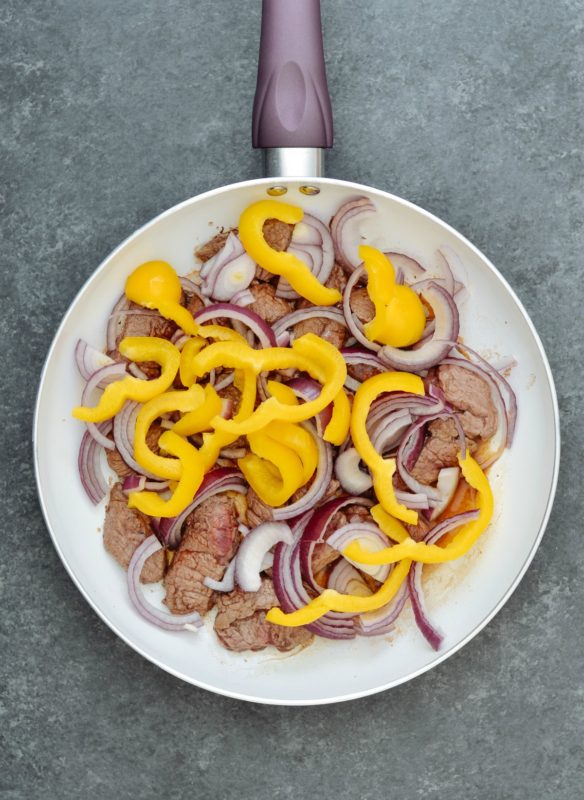
This variation represents a departure from strict regional authenticity but illustrates a common trend in fusion cuisine: the pairing of high-quality regional produce with established comfort foods. From a nutritional standpoint, the addition of peppers and onions increases the fiber content of the dish, providing a more balanced macro-nutrient profile than the traditional bread-reliant version.
Nutritional Data and Macro-Nutrient Optimization
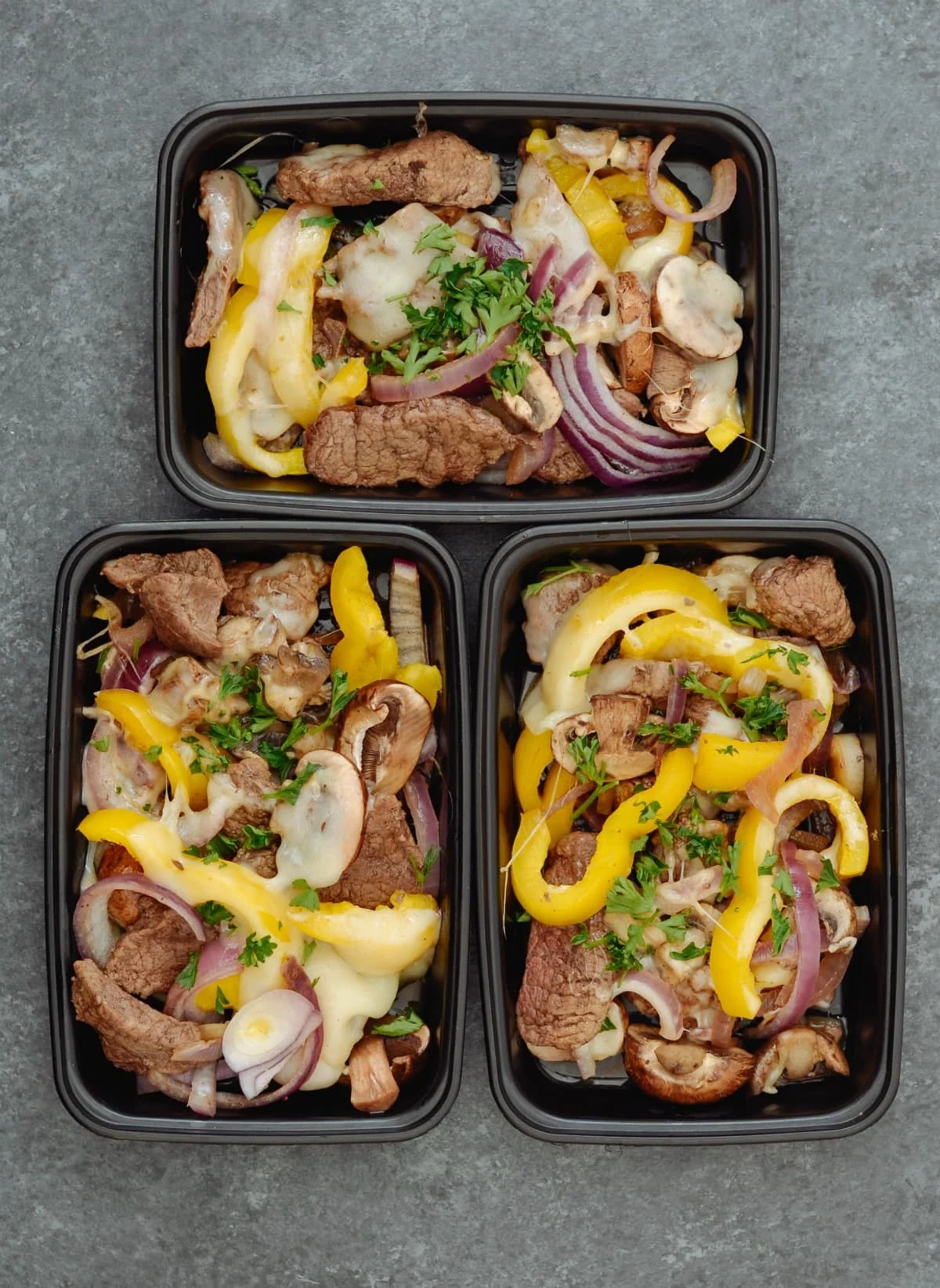
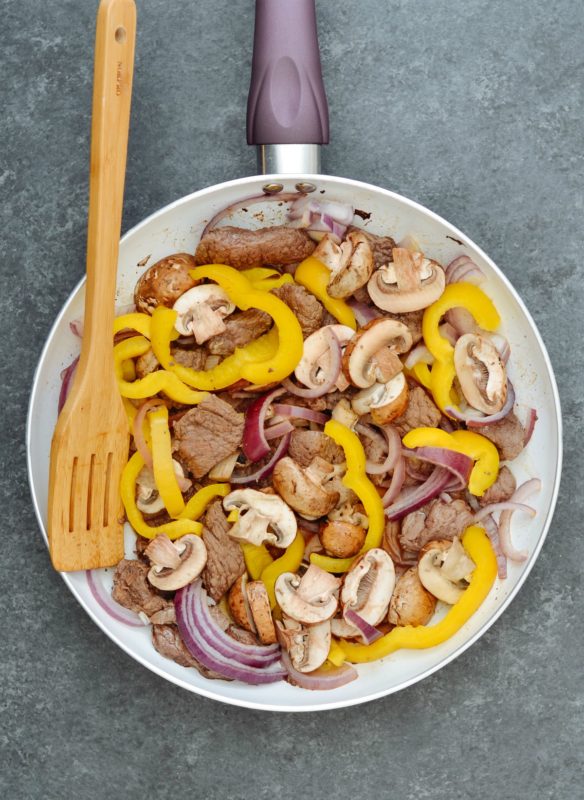
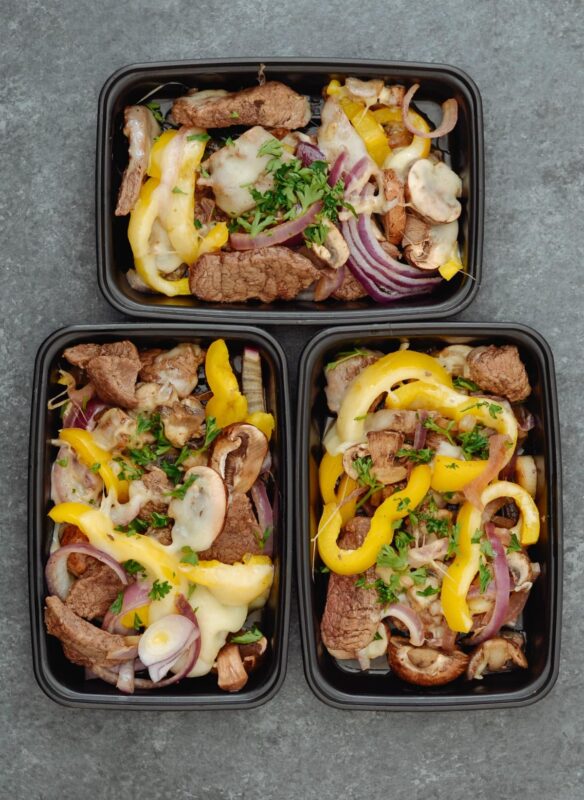
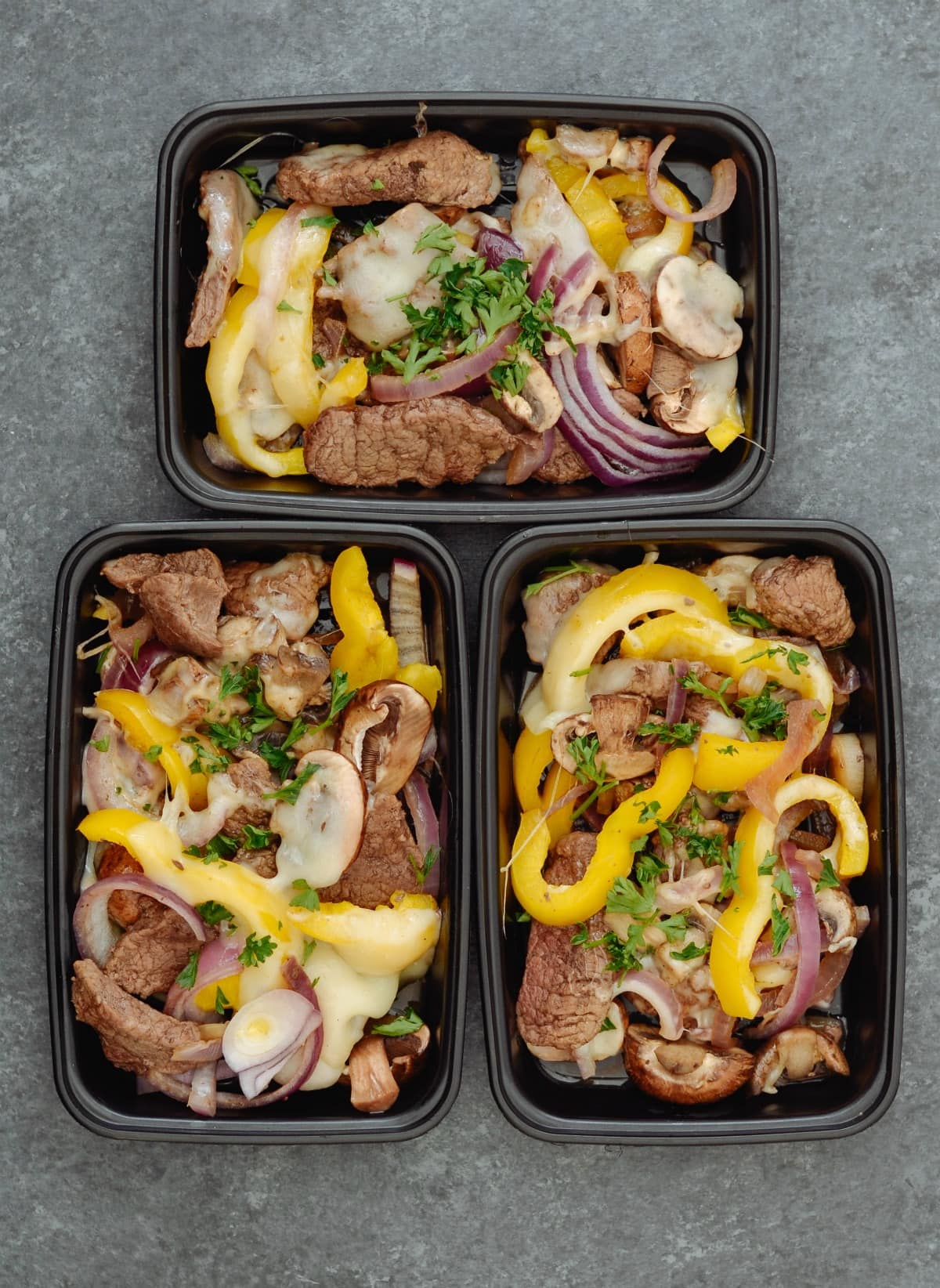
Modern meal prep practitioners utilize this dish to manage daily caloric intake. A standard portion—typically consisting of 5–6 ounces of lean beef, sautéed onions, mushrooms, and a moderate portion of cheese—provides a robust protein base.
Analytical data for a standard low-carb serving indicates approximately 38 grams of protein, 24 grams of fat, and 10 grams of carbohydrates, totaling roughly 410 calories. This profile is favorable for individuals tracking their intake for muscle maintenance or weight management. By removing the bread—which typically adds 200 to 300 calories and 40+ grams of carbohydrates—the meal becomes a viable option for those adhering to ketogenic or low-glycemic dietary protocols.
Logistical Considerations for Meal Planning
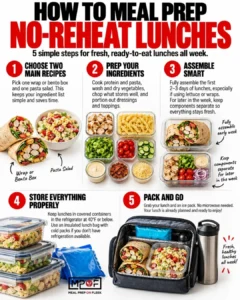
Effective meal preparation relies on the ability to store and reheat food without significant degradation in quality. A major challenge with the cheesesteak format is the tendency for moisture to accumulate in airtight containers, which can lead to soggy textures.
To mitigate this, culinary professionals recommend the following storage protocol:
- Separation of Components: If the meal includes bread, it must be stored in a separate, dry container. Reheating bread alongside moisture-heavy beef leads to rapid spoilage of texture.
- Temperature Control: The beef and vegetable mixture should be cooled to room temperature before being sealed to prevent excess condensation.
- Reheating Methods: Using a skillet to reheat the mixture is preferred over microwave heating. The direct heat of a skillet allows for the re-searing of the beef, ensuring that the fat renders properly and the vegetables retain some structural integrity.
Broader Impact on Consumer Dining Habits
The rise of the "deconstructed" cheesesteak highlights a shift in how urban populations interact with legacy foods. As the cost of dining out continues to rise, the ability to replicate iconic dishes at home has become a primary driver of kitchen appliance sales, particularly in the category of outdoor griddles and heavy-duty stovetop cookware.
Furthermore, the flexibility of the recipe—allowing for substitutions such as chicken breast or thighs—demonstrates the adaptability of the format. This has led to a democratization of the dish, where the constraints of the traditional "Philly-style" preparation are no longer limiting factors for the health-conscious consumer.
Professional Perspectives on Culinary Hybridization
Critics of "fusion" recipes often argue that modifying a classic dish risks diluting its cultural significance. However, practitioners of modern meal prep argue that the objective is not to replace the original, but to provide a sustainable alternative for daily consumption.
"The goal is to maintain the essence of the flavor profile—the savory, umami-rich combination of steak and cheese—while eliminating the metabolic impact of excessive refined carbohydrates," notes one industry analyst. By stripping away the non-essential components of the sandwich, the meal prep version becomes a functional tool for dietary consistency rather than a nostalgic indulgence.
Strategic Implementation for Large-Batch Preparation
For those managing weekly schedules, the griddle method serves as a time-efficiency strategy. By cooking a large volume of steak and vegetables in a single 15-minute session, the labor-per-meal is reduced significantly. This "batch cooking" approach is consistent with broader productivity trends where time-intensive tasks are consolidated.
When scaling up production, it is important to ensure that the cooking surface is not overcrowded. Overcrowding drops the temperature of the cooking surface, reverting the process back to the undesirable steaming effect. Professional chefs emphasize that for optimal results, the beef should be cooked in batches, ensuring that each slice comes into direct contact with the hot surface for the duration of the searing process.
Conclusion: The Future of Home-Prep Classics
The Philly cheesesteak, once confined to the street-food stalls of South Philadelphia, has successfully migrated into the modern home-meal-prep ecosystem. Through the application of better cooking hardware, such as the flat-top griddle, and a focus on nutrient-dense ingredient selection, this classic American meal has been successfully adapted for the 21st-century diet. Whether one adheres to the strict low-carb format or opts for the traditional hoagie roll, the fundamental principles of high-heat searing and quality ingredient selection remain the cornerstones of a successful culinary outcome. As consumer preferences continue to trend toward health-conscious, home-cooked, and efficient meal solutions, it is likely that other classic regional dishes will undergo similar transformations to suit the modern lifestyle.