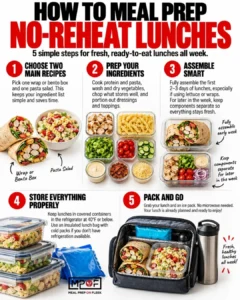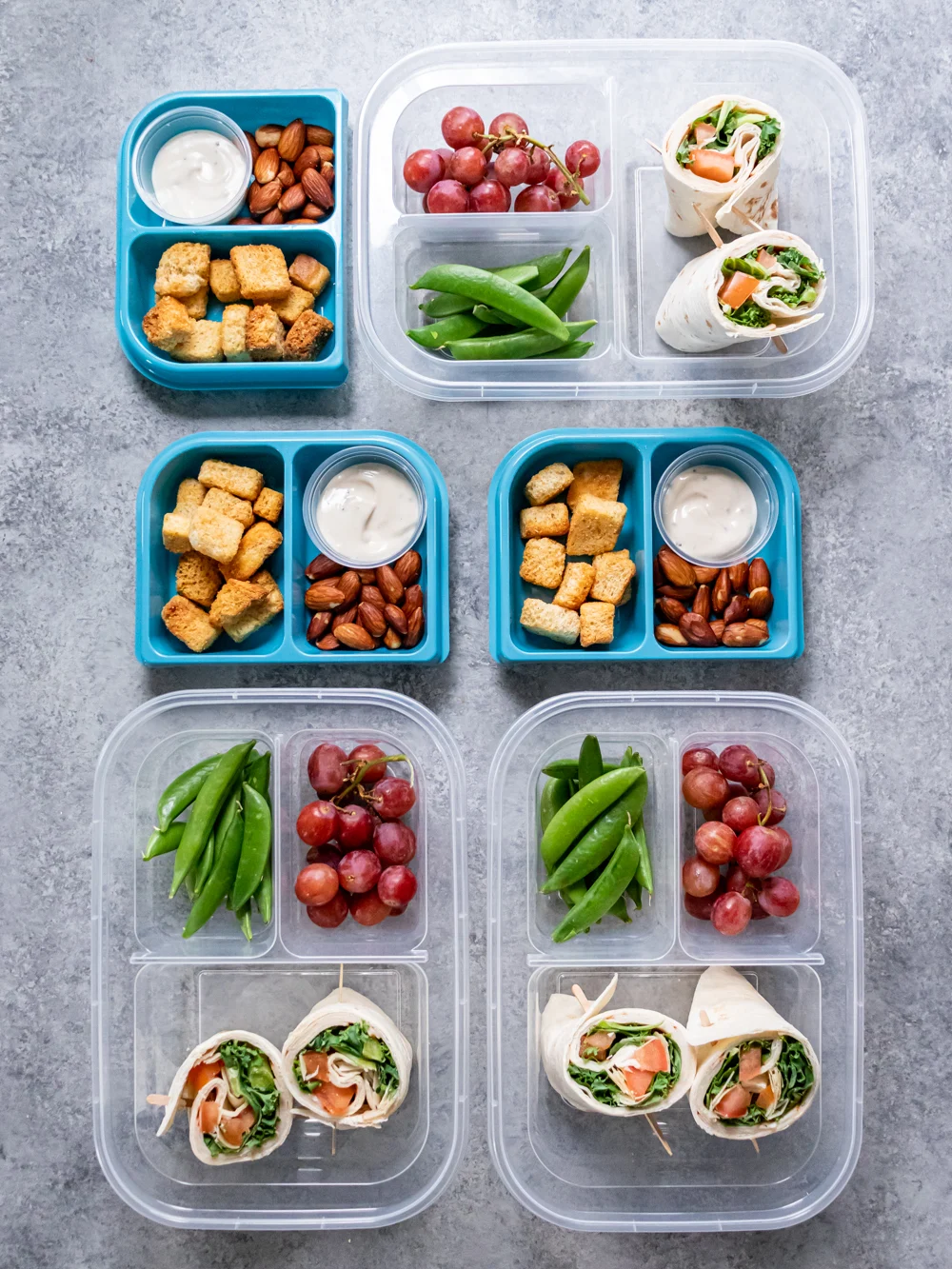

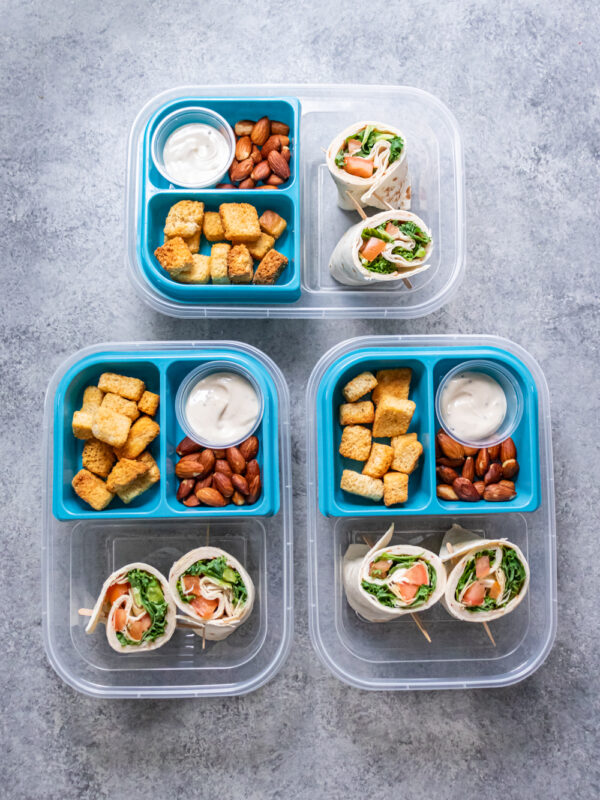
The logistical framework of the Chicken Caesar Wrap Bento Box relies on a 15-minute assembly window, utilizing shelf-stable or readily available refrigerator staples to produce a meal that satisfies caloric requirements while minimizing the need for heat-based cooking. By isolating the dressing from the primary wrap, the system mitigates the common issue of premature ingredient degradation, a recurring problem in traditional pre-packed sandwiches.
The Evolution of Modular Lunch Packaging
The concept of the bento box, historically rooted in Japanese culinary culture as a portable, balanced meal, has been recontextualized in the 21st century to accommodate the fast-paced nature of Western corporate and educational environments. Data from the National Restaurant Association indicates that over 60% of consumers now prioritize "grab-and-go" options that offer more nutritional value than traditional fast food.
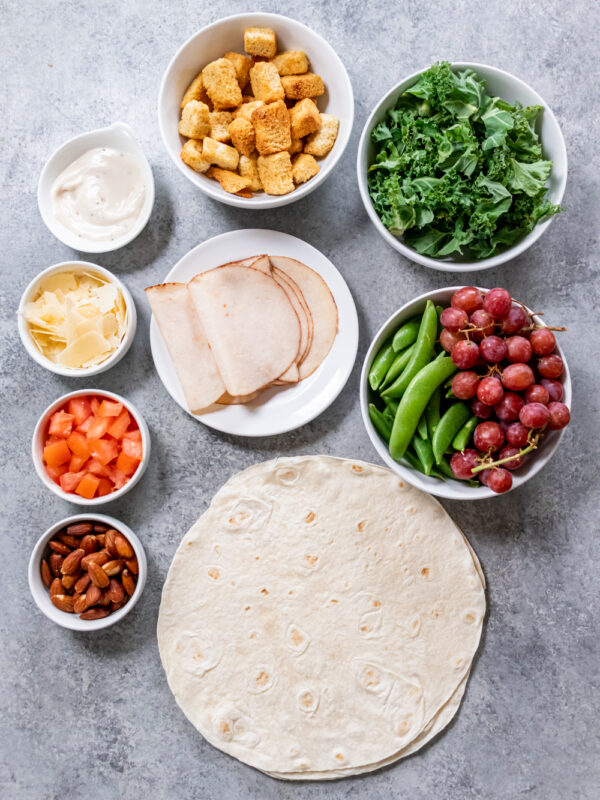
The Chicken Caesar Wrap variant serves as a case study in efficiency. By utilizing pre-cooked proteins—such as rotisserie-style chicken or high-quality deli meats—the preparation time is reduced significantly compared to standard meal-prepping methods. This shift reflects a broader trend toward "assembly-based cooking," where the focus is placed on the strategic combination of pre-sourced components rather than the labor-intensive creation of individual recipes.
Nutritional Architecture and Ingredient Sourcing
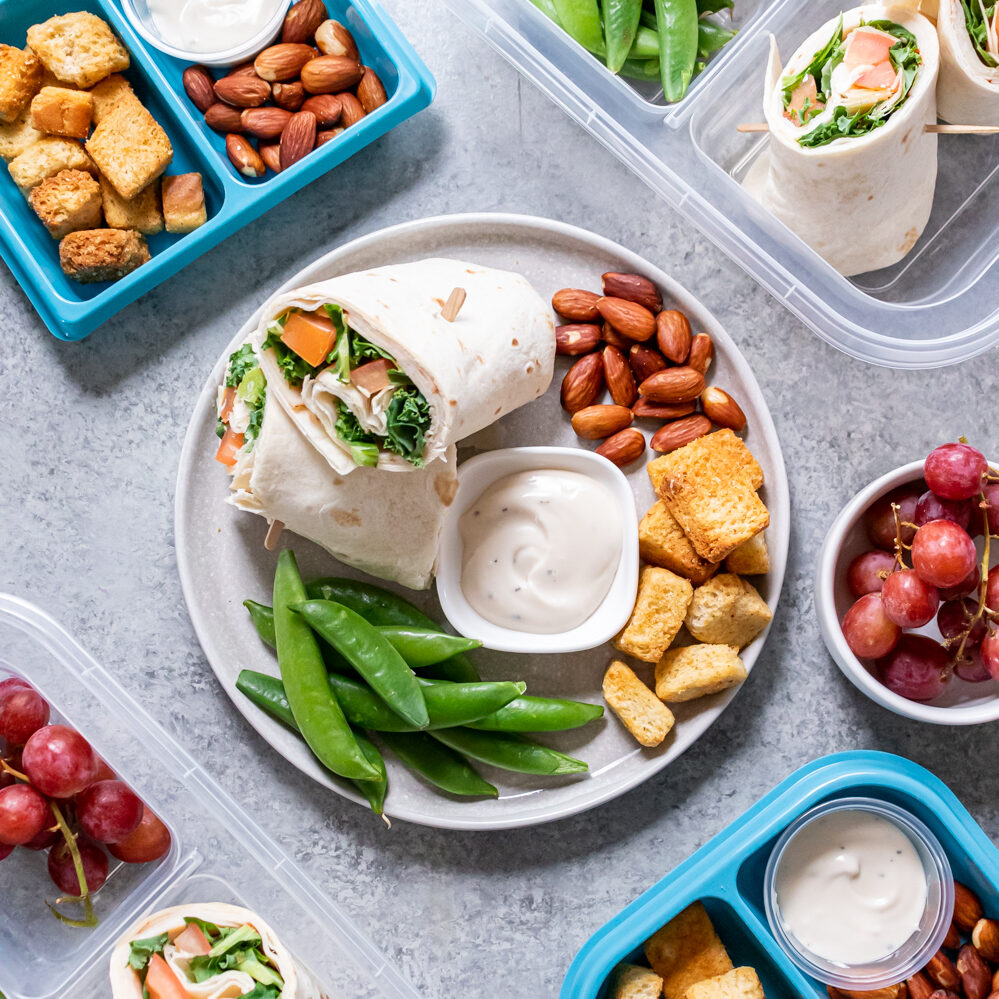
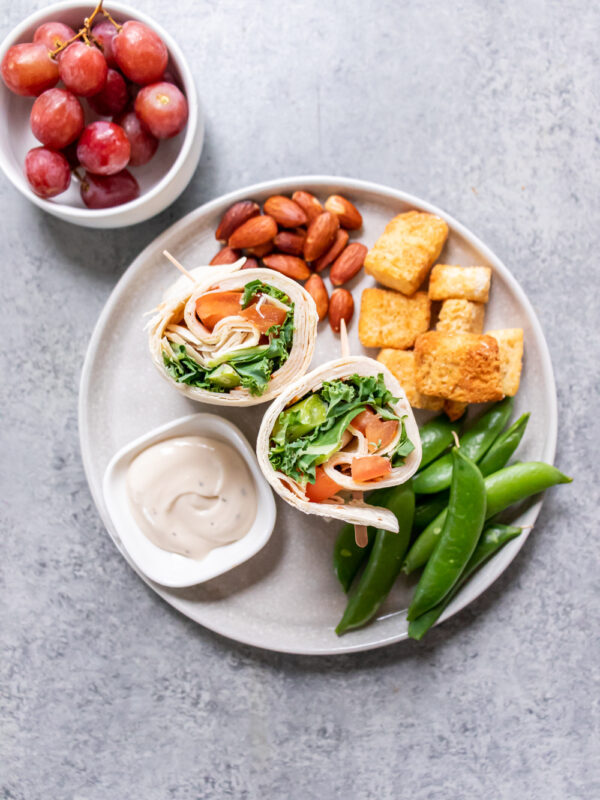
From a nutritional perspective, the Chicken Caesar Wrap Bento Box is designed to balance macronutrients while providing fiber and micronutrients through carefully selected sides. A standard serving contains approximately 520 calories, with a profile consisting of 24 grams of protein, 62 grams of carbohydrates, and 22 grams of fat. The inclusion of 11 grams of fiber is largely attributed to the pairing of the wrap with nutrient-dense sides such as snap peas, almonds, and seasonal fruits like grapes.
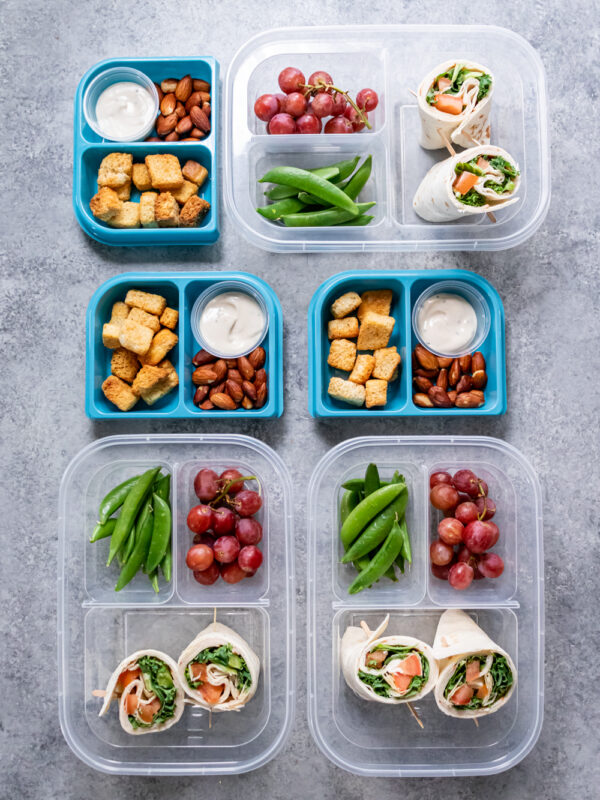
Nutritionists emphasize that the key to the efficacy of this meal format is the strict separation of components. The moisture content in traditional Caesar dressings, if applied too early, compromises the structural integrity of the tortilla. By providing the dressing in a separate, sealed container within the bento unit, the consumer preserves the crispness of the romaine lettuce and the crunch of the croutons until the moment of consumption. This methodology effectively extends the shelf life of the lunch to approximately 72 hours under refrigeration.
Strategic Implementation in Academic and Professional Settings
The adoption of bento-style meal prep has significant implications for both household food waste reduction and financial management. By purchasing bulk ingredients—large bags of romaine, multi-packs of tortillas, and standardized protein sources—households can lower the cost per meal significantly compared to daily restaurant purchases.
For parents and school administrators, the shift toward bento-style lunches has also been noted as a potential intervention for childhood nutrition. The visual organization of the box encourages a "variety-first" approach to eating. Rather than presenting a singular, monolithic entree, the box offers smaller portions of diverse food groups. This, according to recent pediatric nutrition studies, can increase the likelihood of children consuming a broader range of fruits and vegetables, as the smaller portions feel less overwhelming to the palate.
Chronology of Modern Meal Prep Trends
The rise of the Chicken Caesar Wrap as a preferred meal-prep option can be traced through the following timeline:
- 2015–2017: The emergence of social media platforms as culinary hubs led to a surge in interest regarding "aesthetic" lunch preparation. During this period, the bento box transitioned from a specialized tool to a mainstream consumer good.
- 2019: Retailers began reporting a 30% increase in the sales of multi-compartment food containers, suggesting a widespread transition from traditional paper-bag or single-container lunches to modular systems.
- 2020–2021: Due to the global pandemic and the resulting shift to remote work and home-based schooling, the necessity for organized, home-assembled lunches became a primary concern for households. The "no-cook" aspect of the Chicken Caesar Wrap became a significant selling point during this period of high domestic demand.
- 2022–Present: The current era focuses on the customization of these boxes, with a shift toward high-protein variations and the integration of allergen-aware substitutions, such as swapping tree nuts for sunflower seeds to accommodate school-wide nut-free policies.
Expert Analysis: Implications for Consumer Behavior
Dr. Elena Vance, a consultant in food behavior and urban logistics, suggests that the success of the Chicken Caesar Wrap Bento Box lies in its psychological impact on the consumer. "The primary barrier to healthy eating is not always a lack of knowledge, but a lack of energy for decision-making at the end of a long day," Vance explains. "By creating a ‘system’ where the user merely assembles existing items rather than cooking from scratch, we remove the friction that leads to unhealthy takeout habits."
The implications of this trend extend beyond the individual. Companies are now looking at how to facilitate these habits for their employees, with some corporate wellness programs subsidizing the purchase of high-quality, reusable bento containers. Furthermore, the environmental impact of shifting away from single-use plastics—often associated with store-bought lunch kits—toward reusable, dishwasher-safe bento systems represents a significant, if incremental, step toward more sustainable household waste management.
Technical Recommendations for Assembly
To maintain the standard of quality required for a multi-day meal rotation, the following best practices are recommended by culinary professionals:
- Component Drying: Ensure that all greens are thoroughly dried after washing. Excess moisture is the primary catalyst for spoilage in the refrigerator.
- Dressing Viscosity: Use higher-viscosity Caesar dressings, as they are less likely to leak into other compartments if the container is jostled during transport.
- Protein Stability: For those opting to use cooked chicken breast, it should be chilled completely before being placed in the wrap to prevent condensation within the packaging.
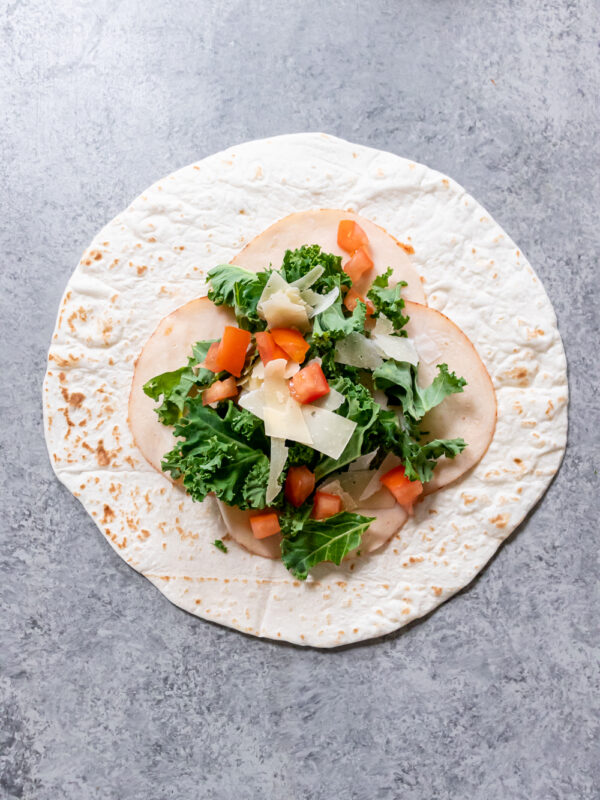
- Strategic Layering: When assembling the wrap, place a layer of cheese or a thin barrier of greens against the tortilla before adding protein or dressing to act as a moisture buffer.
Broader Impact on Future Consumption
As we look toward the future of food consumption, the Chicken Caesar Wrap Bento Box serves as a model for how consumers are increasingly valuing time-efficiency without sacrificing nutritional standards. The ability to pivot the ingredients—swapping chicken for chickpeas for vegetarian diets, or romaine for kale for increased nutrient density—demonstrates the versatility of the format.
Ultimately, the widespread adoption of this lunch strategy reflects a cultural pivot toward intentional, prepared eating. Whether it is a student navigating a school day or a professional balancing a heavy workload, the bento box provides a structured, predictable, and cost-effective solution. As food prices continue to fluctuate, the reliance on such scalable, home-assembled systems is expected to remain a permanent fixture of the modern culinary landscape. The simplicity of the concept, combined with the structural benefits of the container itself, ensures that the Chicken Caesar Wrap Bento Box will continue to be a foundational element for anyone seeking to optimize their daily routine through better food organization.